
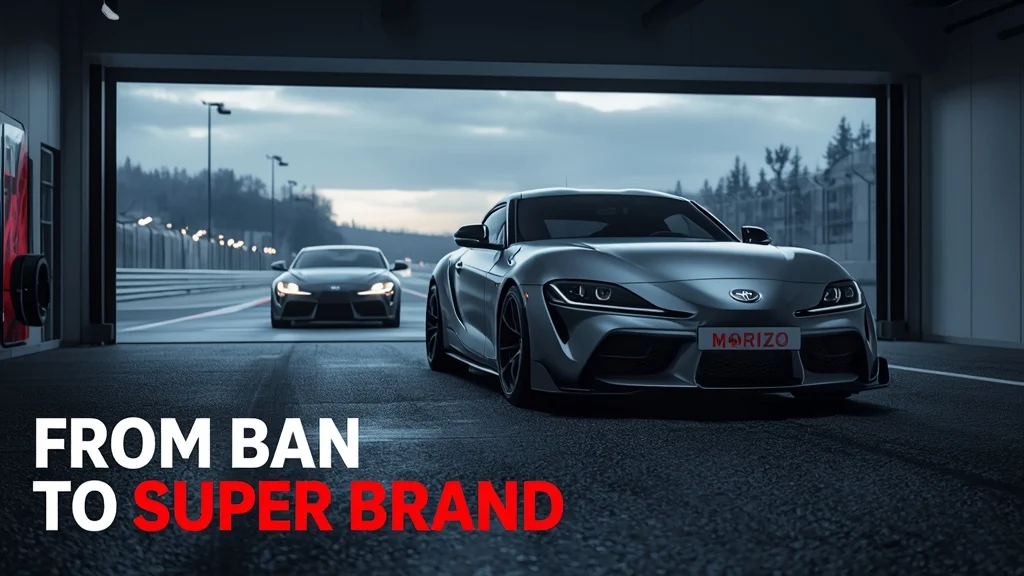
Explore how Toyota’s chairman Akio Toyoda turned a corporate racing ban into the thriving Gazoo Racing brand, now independent and driving performance. Read more today!
When Toyota’s own chairman was once barred from racing under his company’s name, few could have predicted that the very restriction would spark a new era for the automaker’s performance division. Today, Gazoo Racing stands as an independent brand, championing high‑performance cars worldwide.
The 2007 Nürburgring Ban
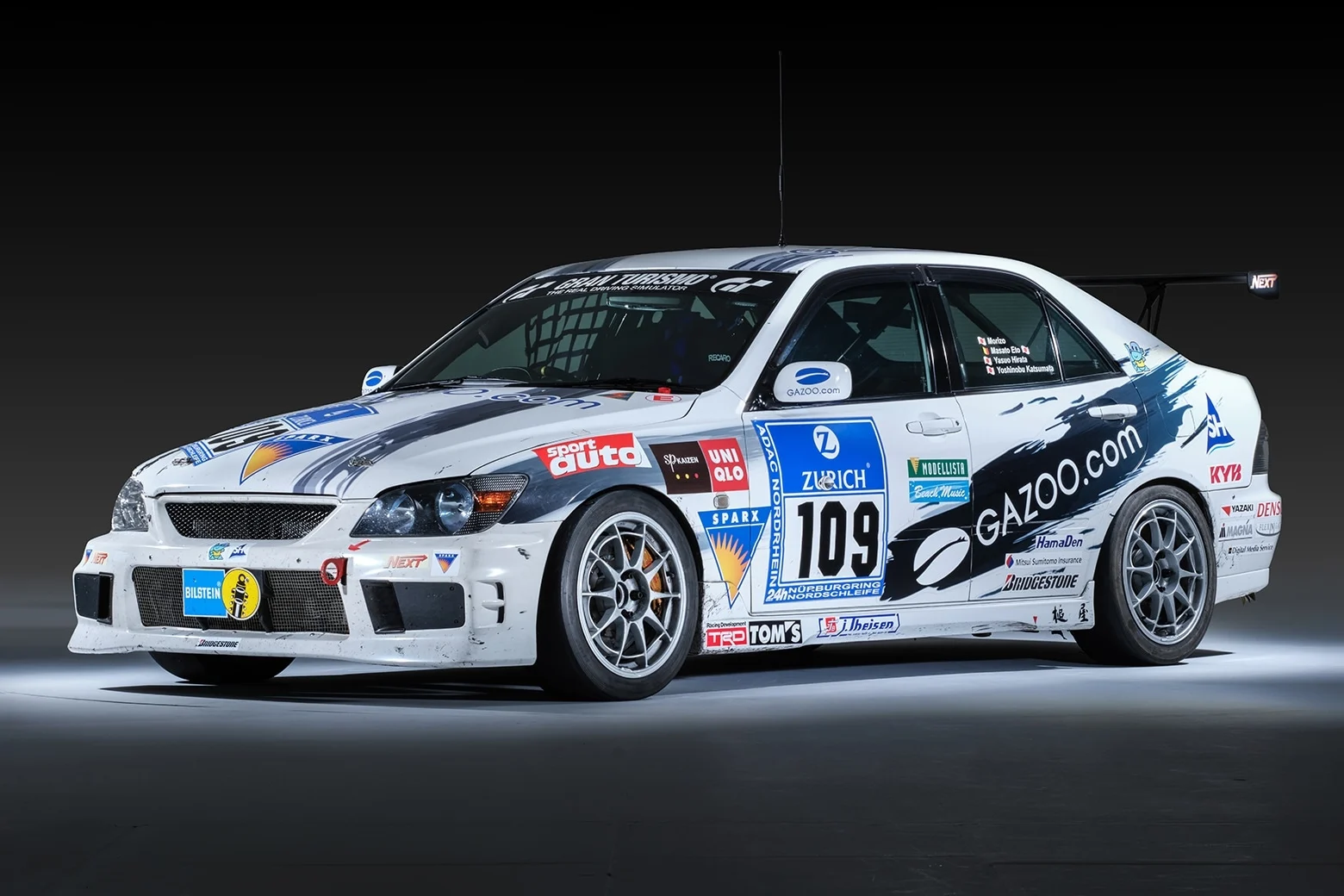
In 2007, Akio Toyoda entered the grueling 24 Hours of Nürburgring—a race renowned for its unforgiving track and relentless conditions. Despite his position at the helm of the world’s largest automaker, the board refused to allow him to compete under the Toyota badge. The reasoning was simple: motorsport was not deemed an official corporate activity, and the company did not want its name tied to an individual’s personal endeavour.
Denied the right to wear the Toyota logo, Toyoda raced under the pseudonym “Morizo” and registered his team as Team Gazoo. The moniker came from a then‑internal website that sold used Toyota vehicles—a humble, almost ironic origin for what would become a global performance label.
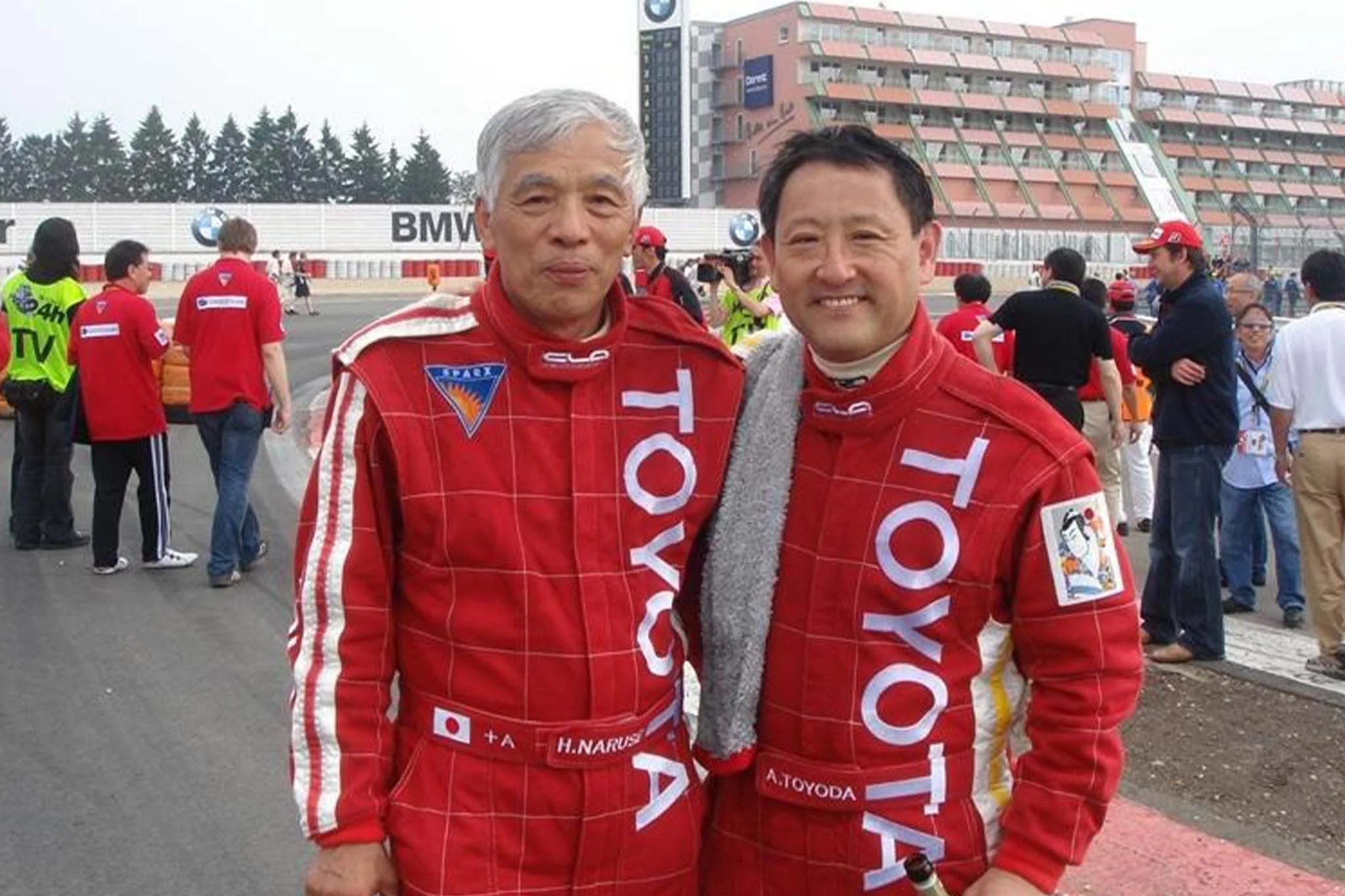
Behind the wheel of a specially tuned Toyota Altezza, Toyoda teamed up with master driver Hiromu Naruse. Together they completed the full 24‑hour marathon, a feat that proved both his personal passion and the untapped potential of Toyota’s engineering talent.
Turning Frustration into Fuel
The Nürburgring experience left Toyoda with a stark realization: Toyota lacked a competitive sports‑car platform capable of standing shoulder‑to‑shoulder with European rivals who used the track as a development laboratory. The sense of being dismissed—“Toyota could never build a car like that”—ignited a determination to change the narrative.
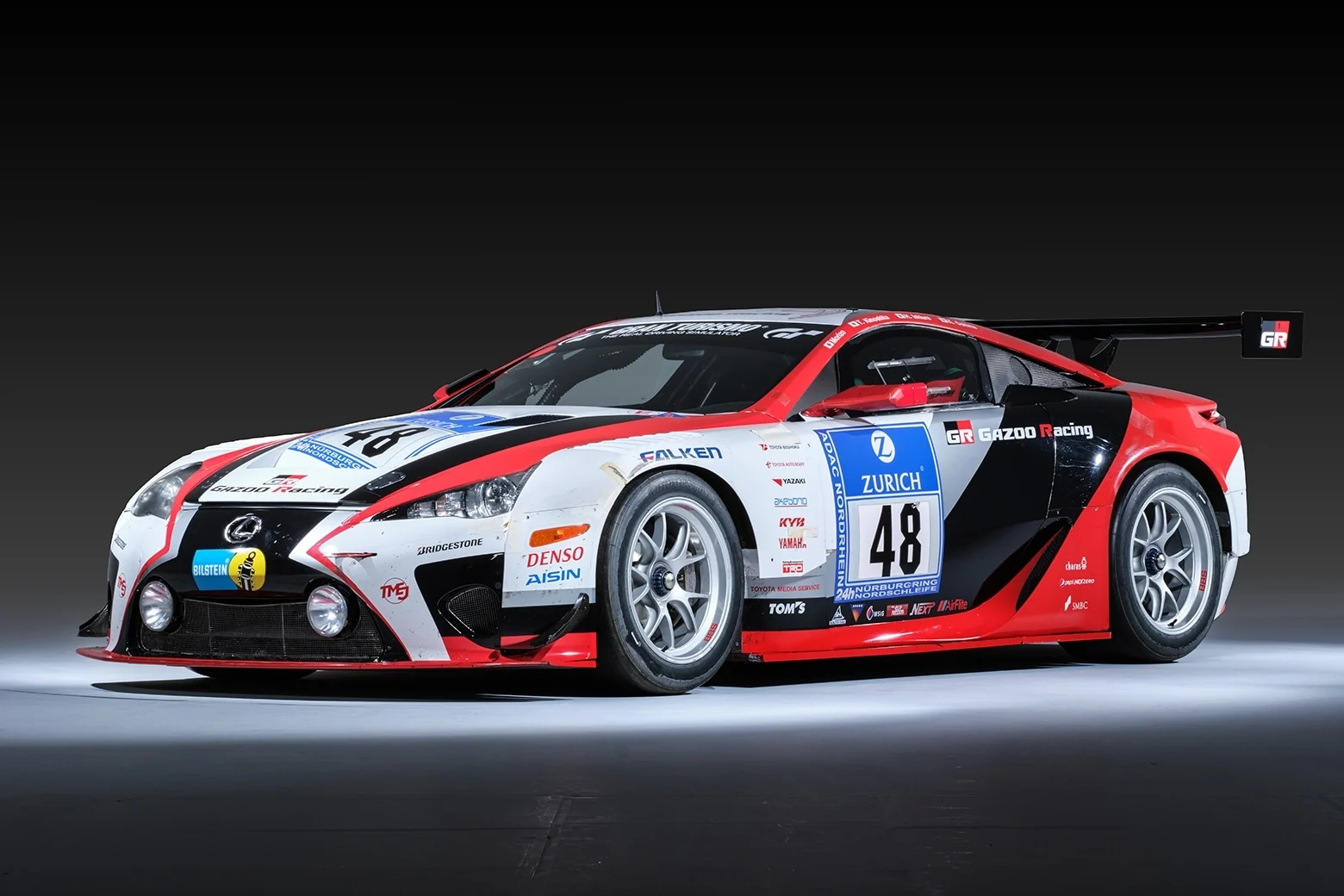
That resolve materialised in 2010 with the launch of the Lexus LFA, a limited‑run supercar powered by a wholly in‑house V10 engine. The project endured massive technical hurdles and internal scepticism, and it was further shadowed by the tragic death of Hiromu Naruse in a road accident near Nürburgring just before the LFA’s debut.
Despite these setbacks, the LFA proved that Toyota (through Lexus) could engineer a world‑class performance machine, laying the groundwork for future sport‑focused projects.
Building the GR Lineup
Following the LFA, Toyota re‑entered the sports‑car arena with collaborations that blended engineering expertise across brands:
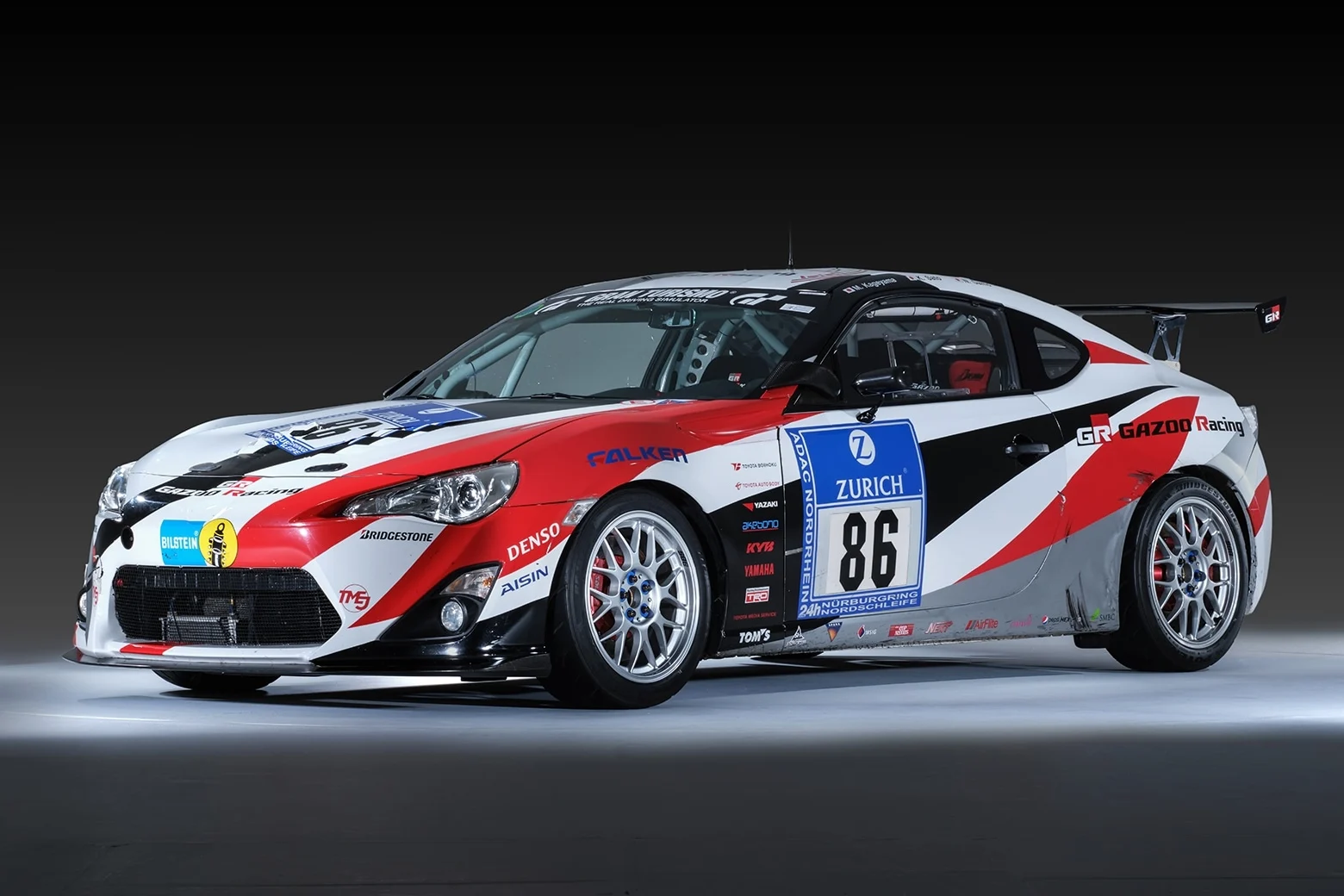
- GT86 (2012) – a joint venture with Subaru, delivering a lightweight, rear‑wheel‑drive roadster.
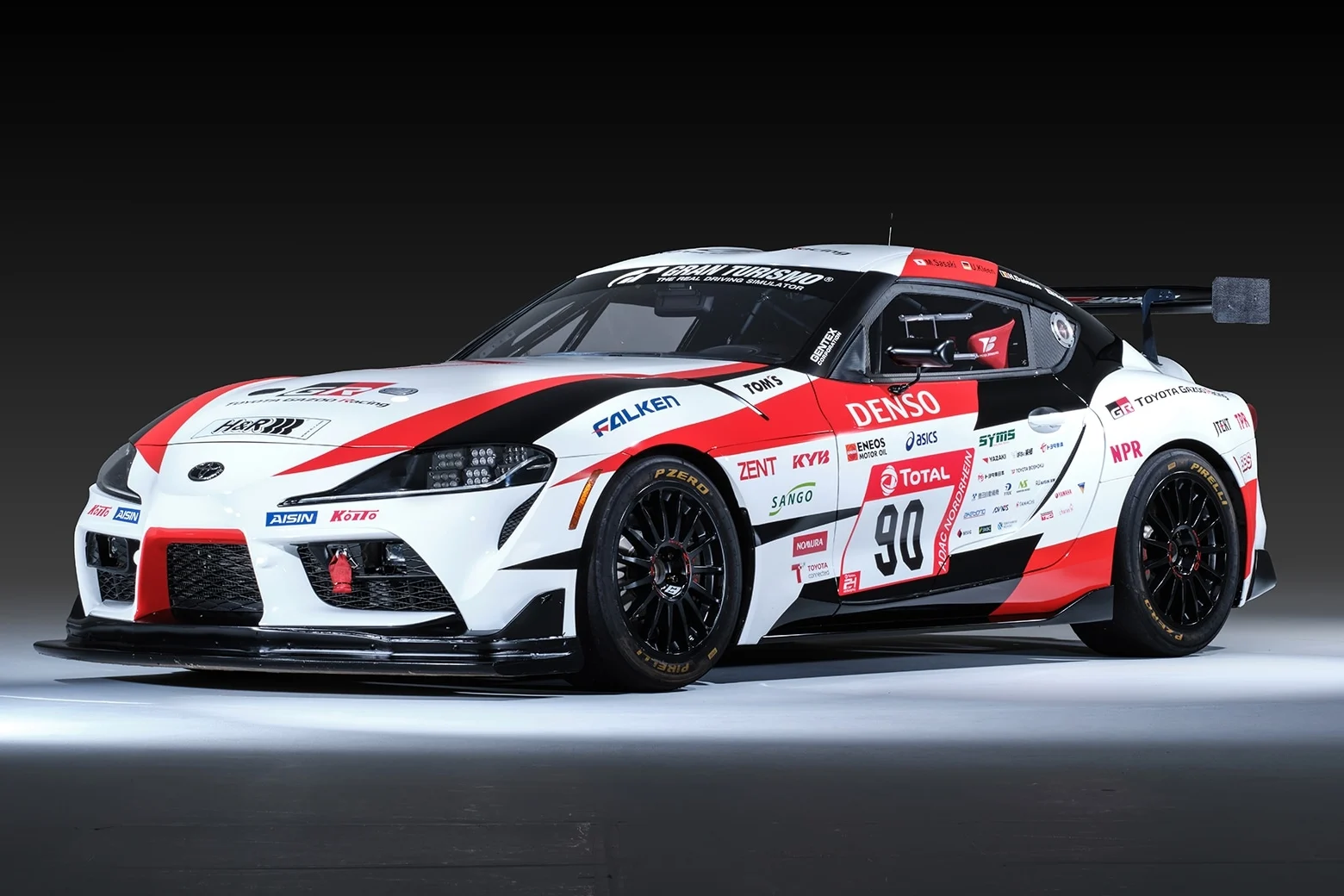
- GR Supra (2019) – developed alongside BMW, reviving an iconic nameplate with a modern powertrain.
- Subsequent models such as the GR Yaris, GR Corolla and the upcoming GR GT supercar have expanded the portfolio.
What began as “non‑official” projects quickly became cornerstones of Toyota’s product strategy, demonstrating a shifting mindset within the corporation.
Gazoo Racing Becomes a Standalone Brand
In 2015, Toyota consolidated all its motorsport activities under the umbrella of Toyota Gazoo Racing. The division received its own budget, organisational structure, and a clear mandate from senior leadership.
Fast forward to 2023, and the company took a bold step: it stripped the Toyota name from the Gazoo Racing badge altogether, establishing GR as an independent performance brand alongside Lexus, Daihatsu and the Century luxury line.
Today, the GR family spans from compact hot‑hatches to high‑performance coupes, with future concepts like the GR Celica and a possible GR MR2 already in the pipeline.
Conclusion
What started as an internal prohibition forced Akio Toyoda to adopt a pseudonym on the race track. That very restriction sparked a transformation that gave rise to Gazoo Racing—a symbol of Toyota’s sporting spirit and relentless pursuit of performance. The brand now stands on its own, embodying the very ambition that once drove a chairman to race under the name “Morizo.”