
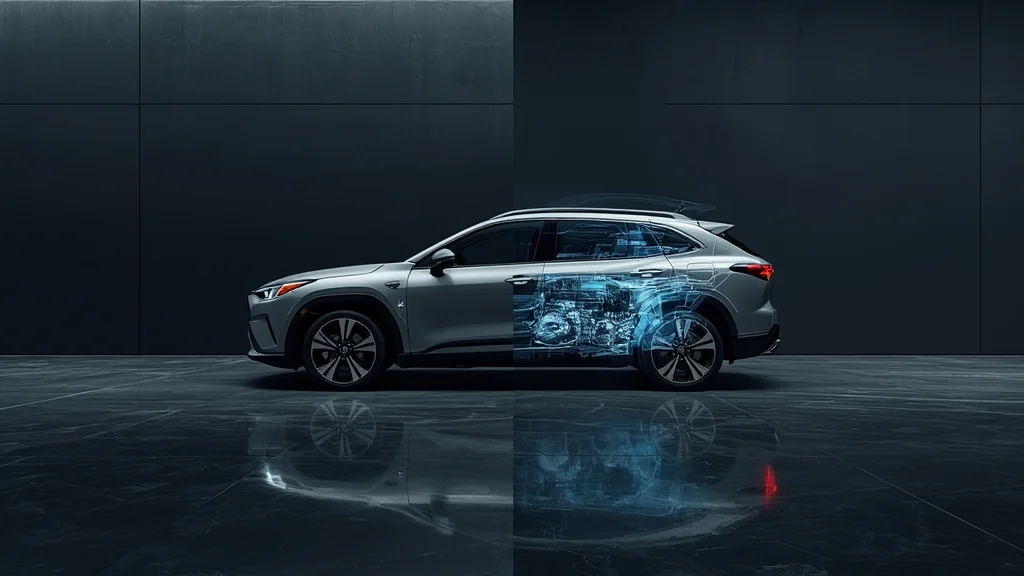
Toyota was called ‘slow’ in the EV race, but its balanced approach is now a masterclass in strategy. See why hybrids are the winning bet. Read more!
For years, Toyota was the primary target of critics in the automotive world. While competitors raced headlong into full electrification, the Japanese giant appeared to be strolling along, criticized by industry experts for being too cautious—or even “slow”—in its development of battery electric vehicles (BEVs).
The Power of a Balanced Portfolio
However, the tide has turned. The very strategy that was once mocked is now being hailed as a masterclass in market foresight. According to data from analysts like iSeeCars and Edmunds, Toyota’s success lies in its commitment to a balanced ecosystem of internal combustion engines (ICE), hybrids, and fully electric vehicles.
By refusing to put all its eggs in one basket, Toyota has maintained an incredible level of agility. As global EV demand fluctuates and infrastructure gaps persist, Toyota can pivot seamlessly to meet actual consumer needs rather than chasing an idealistic timeline.
A Calculated Leap Into the Future
Make no mistake: Toyota isn’t ignoring the electric future; they are simply timing their entry for maximum impact. By the end of this year, the company plans to launch four major electric models in the U.S. market, including:
- The bZ series
- The bZ Woodland
- The C-HR
- The Highlander EV (featuring three rows of seating)
This measured approach ensures that Toyota enters the BEV space with refined products and a sustainable production scale, avoiding the “growth at all costs” pitfalls that have plagued other manufacturers.
The High Cost of Rushing: A Contrast in Strategy
While Toyota played the long game, several “early movers” are now feeling the sting of over-extension. Many brands that positioned themselves as EV pioneers are now forced to backtrack:
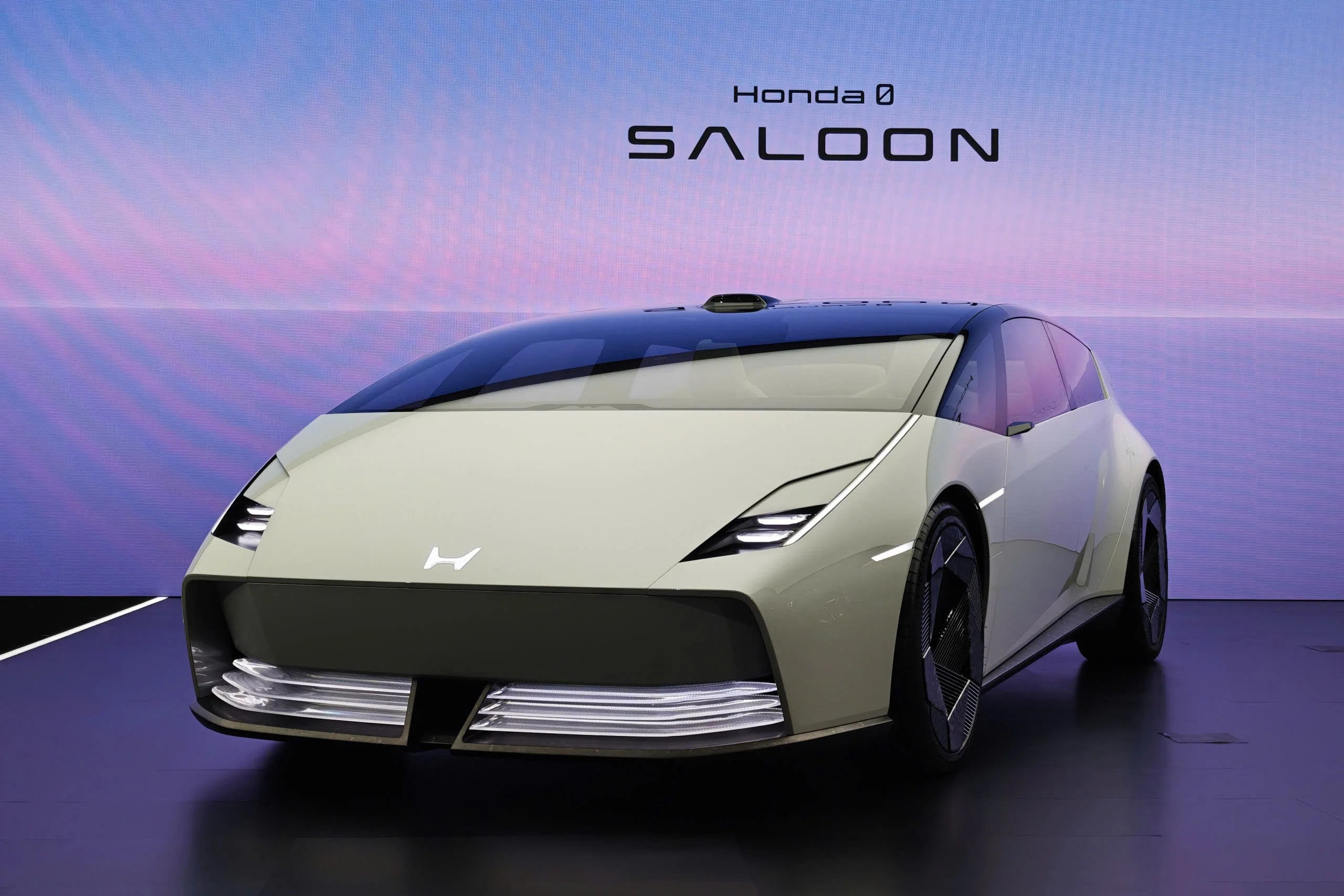
- Honda: Facing significant financial headwinds, Honda has had to scrap several future EV projects to refocus its resources back onto hybrid technology.
- Stellantis: The conglomerate has killed off the electric Ram pickup project and delayed various EV initiatives across Europe.
- Ford & General Motors: Both American giants have moved away from aggressive production targets, instead refining their assembly lines to match the actual, slower-than-expected pace of consumer adoption.
- Volkswagen: In a stark move, VW has officially ceased production of the ID.4 crossover in the U.S., with few plans to expand its electric lineup in the region for the foreseeable future.
The Luxury Pivot and Financial Resilience
Even in the luxury segment, the strategy is shifting. Mercedes-Benz continues to push new EV models, but has wisely integrated gasoline and hybrid options into its roadmap to hedge against market volatility and mitigate financial risk.
This divergence in strategy ultimately comes down to financial cushioning. Companies with deep reserves can afford a few missteps, but those who gambled everything on a rapid EV transition are now forced to “tighten their belts” to avoid catastrophic losses.
Final Thoughts: Pace Over Speed
The current state of the automotive industry proves a timeless lesson: in a marathon, the fastest sprinter isn’t always the one who crosses the finish line first. The winner is the one who knows how to pace themselves according to the rhythm of the market.
Toyota didn’t lose the race; they simply chose to run it at a sustainable speed.