
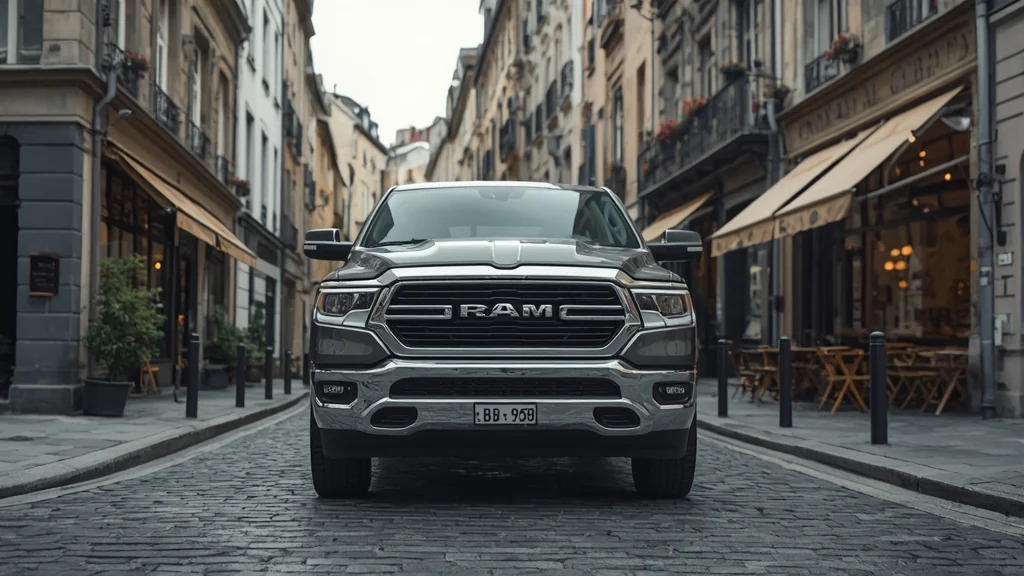
EU safety rules are making US full-size pickups nearly impossible to sell. Discover the trade war behind the scenes. Read more here!
While there is no official “ban” on the books, the writing is on the wall for American heavy-hitters in the European market. Major US automakers—including Ford, GM, Chevrolet, and RAM—are sounding the alarm, claiming that the European Union is systematically pushing full-size pickup trucks out of the continent through a web of stringent technical barriers.
A Clash of Regulations: Safety vs. Market Access
The tension centers on the EU’s proposed changes to safety regulations and the Individual Vehicle Approval (IVA) standards. For iconic models like the Ford F-150, Chevrolet Silverado, and Ram 1500, these updates aren’t just minor tweaks—they are existential threats.
Andrew Puzder, the US Ambassador to Europe, has been vocal about the situation, suggesting that these regulatory shifts may violate the spirit of bilateral trade agreements. He argues that while the EU maintains low tariffs on paper, it is erecting massive “non-tariff barriers” to block American imports.
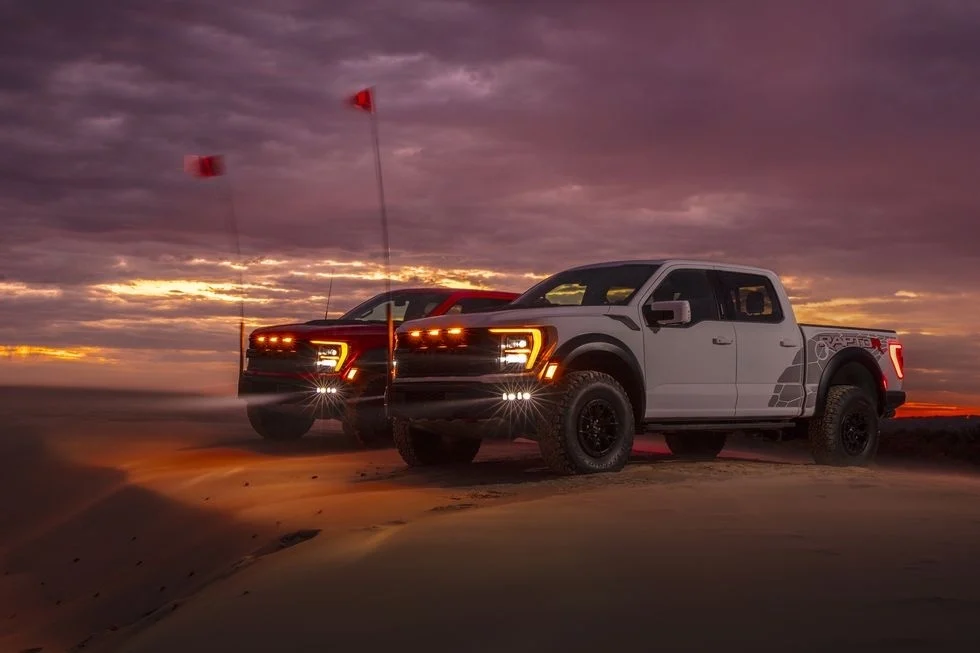
“Europe cannot maintain low tariffs while simultaneously building giant non-tariff walls and claiming that the US and EU have a healthy cooperative relationship,” Puzder stated to US media outlets.
Pedestrian Safety and the ‘Weight’ Problem
From the EU’s perspective, the issue is one of public safety and urban planning. European advocacy groups, such as Transport & Environment, have labeled these oversized vehicles as “threats” to pedestrians and cyclists due to their immense scale and weight.
To curb the presence of these giants, the EU is considering tightening standards for heavy vehicles. A critical blow comes in July, when new regulations will require any vehicle weighing over 2.5 tons to be equipped with a new generation of tachographs (journey recording devices). For most US full-size pickups, which easily exceed this weight limit, this adds significant costs and bureaucratic hurdles for owners and importers.
Protectionism or Public Safety?
The debate has evolved into a clash of narratives:
- The US View: Detroit argues this is a discriminatory move designed to protect European automakers who have struggled to compete in the full-size pickup segment.
- The EU View: Brussels maintains that these standards are essential for reducing road fatalities and achieving ambitious environmental goals.
A Perfect Storm for American Trucking
These regulatory hurdles arrive at a particularly difficult time for US manufacturers. Domestic supply chains are already under pressure due to an aluminum shortage—a lingering effect of last year’s fire at the Novelis plant, a key supplier. This has already severely hampered the production of the Ford F-150.
The Bottom Line
If these EU regulations are fully implemented, the era of the American workhorse in Europe may be coming to an end. Instead of being practical commercial tools, the F-150 and its peers may soon become rare, overpriced luxury items reserved exclusively for high-end collectors rather than the everyday driver.