
Senator Bernie Moreno proposes expanding the Chinese car ban in the US over security concerns. Learn how this impacts the global EV market.
The trade tension between the United States and China is reaching a new fever pitch in the automotive sector. Republican Senator Bernie Moreno has announced his intention to introduce a landmark bill next month aimed at drastically tightening restrictions on Chinese automakers attempting to enter the American market.
Beyond Import Bans: A Move Toward Total Exclusion
While the U.S. has already implemented significant barriers, Senator Moreno’s proposed legislation seeks to go much further. According to the Senator, the goal is to effectively “close” the U.S. market to Chinese vehicles entirely. This doesn’t just apply to the physical import of cars, but extends to hardware, software, and any form of strategic partnership.
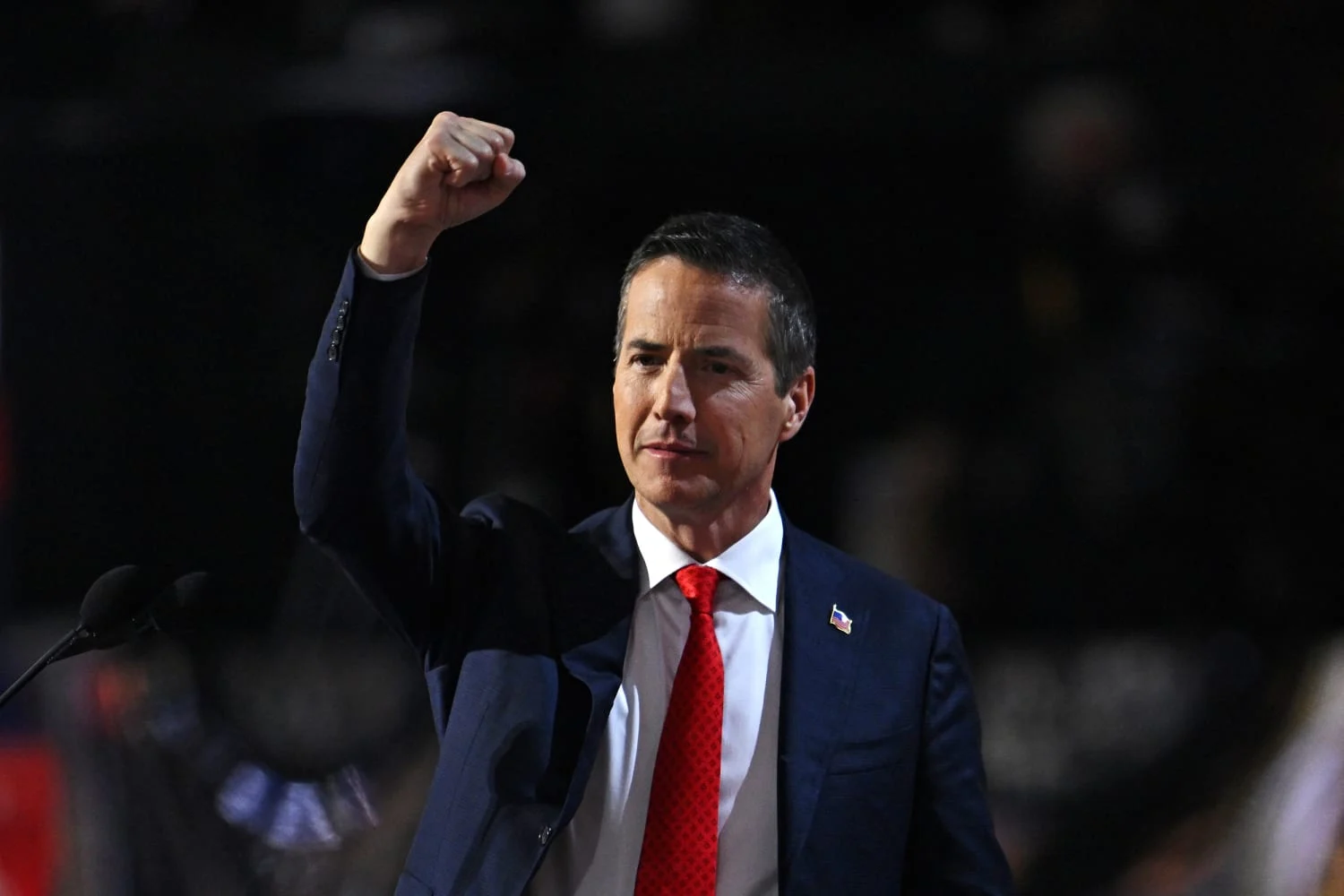
Speaking at the Automotive Forum ahead of the New York Auto Show 2026, Moreno left no room for ambiguity: “There will be no Chinese vehicles present here,” he declared, signaling a hardline stance against Beijing’s automotive expansion.
National Security and Data Privacy Concerns
The push for a total ban builds upon a foundation laid in January 2025, when the Joe Biden administration issued a sweeping regulation that effectively barred Chinese passenger vehicles from operating in the U.S. The primary driver behind these measures is national security.
U.S. officials have expressed grave concerns over the capacity of connected vehicles to collect sensitive data from American users, fearing that such information could be accessed by the Chinese government for surveillance or intelligence purposes.
A Call for a Global “Front” Against Chinese Autos
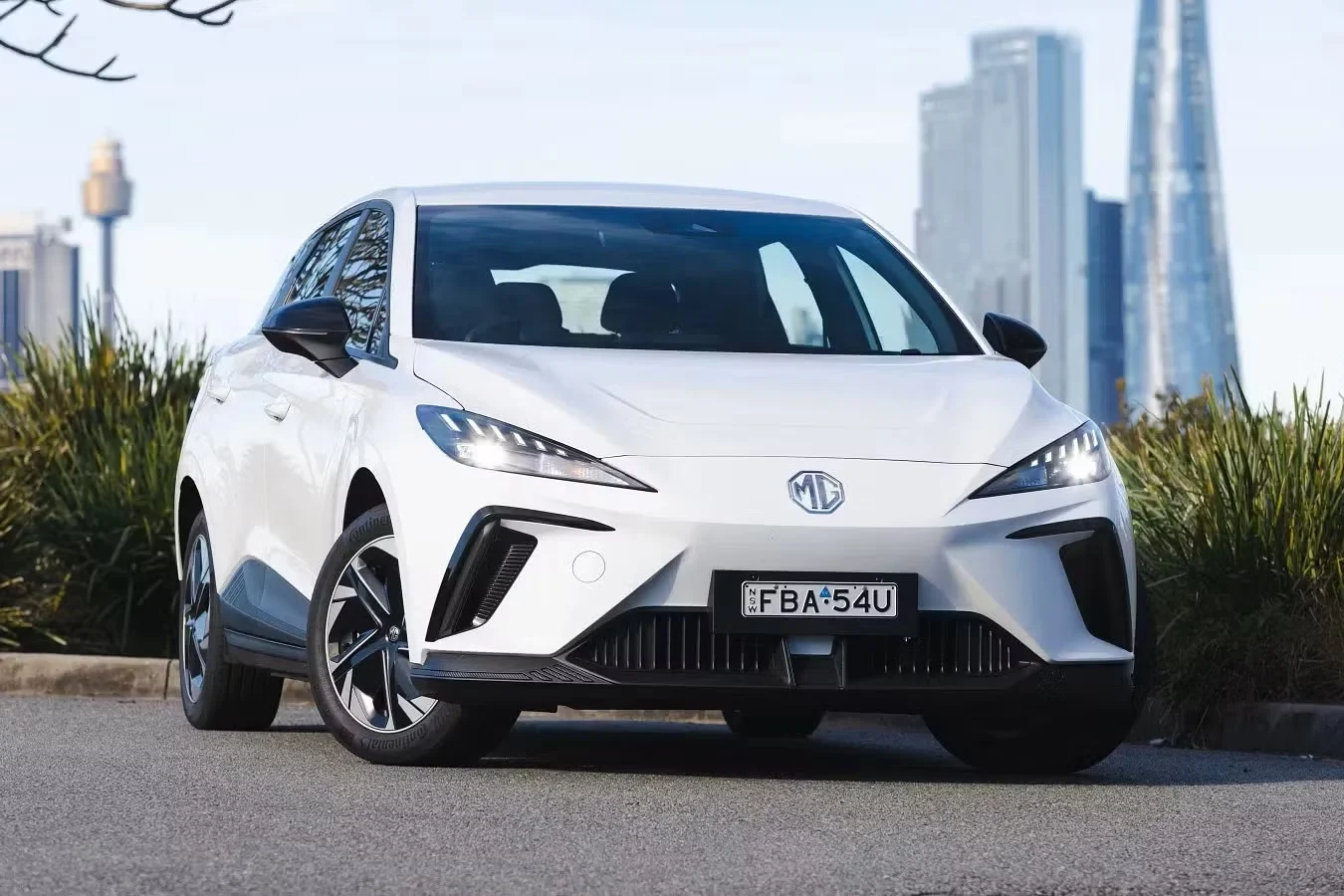
Senator Moreno is not only looking at domestic policy but is actively calling on international allies to follow suit. He urged regions including Canada, Mexico, Latin America, and the European Union to adopt similar restrictive standards.
Drawing a parallel to the restrictions placed on telecommunications giant Huawei, Moreno used a stark medical analogy to describe the necessity of the ban. He compared the presence of Chinese automotive tech to a “cancer” and suggested that other nations must undergo a form of “chemotherapy” to protect their own security and economic interests.
China’s Response: Accusations of Protectionism
The Chinese Embassy in Washington has reacted strongly to these developments. Beijing argues that while China remains open to global automotive brands, the United States is retreating into aggressive trade protectionism.
The Embassy claimed that the U.S. is creating unfair barriers through discriminatory subsidies and policies designed specifically to stifle Chinese competition. They asserted that Senator Moreno’s proposed bill violates the fundamental principles of a market economy and fair competition, stating that China “resolutely opposes” such measures.
The Trump Factor: A Potential Loophole?
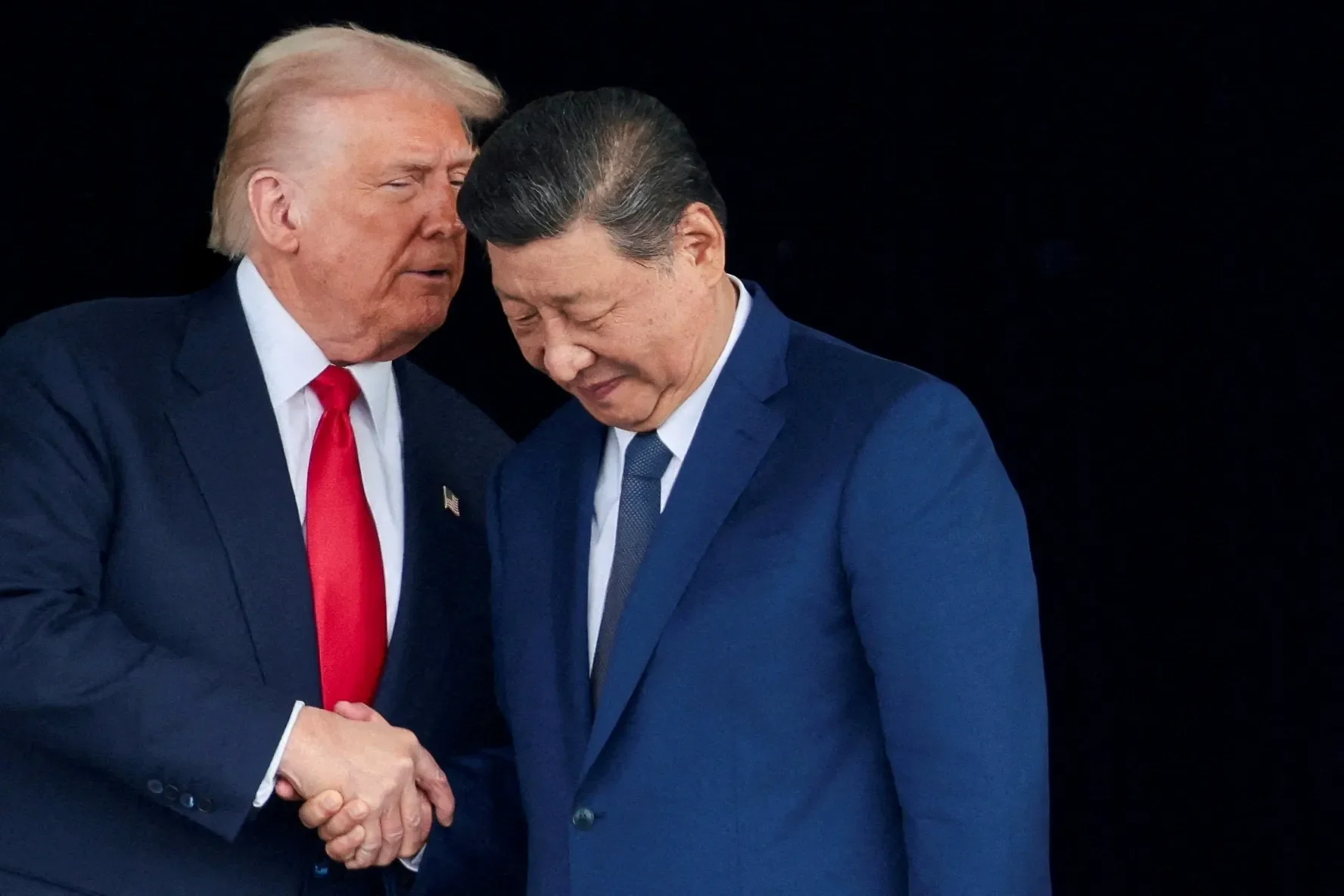
The political landscape remains complex as President Donald Trump prepares for a high-stakes meeting with Chinese President Xi Jinping in May 2026. Both nations are attempting to balance economic stability with rigorous export controls and tariffs.
Interestingly, President Trump has previously hinted at a different approach. During the Detroit Economic Club 2026, he suggested he might be open to Chinese automakers if they agreed to build their cars on American soil. “If they want to build factories and create jobs for American workers, that’s great,” Trump remarked, suggesting that localized production could be the only viable path for Chinese brands to enter the U.S. market.