
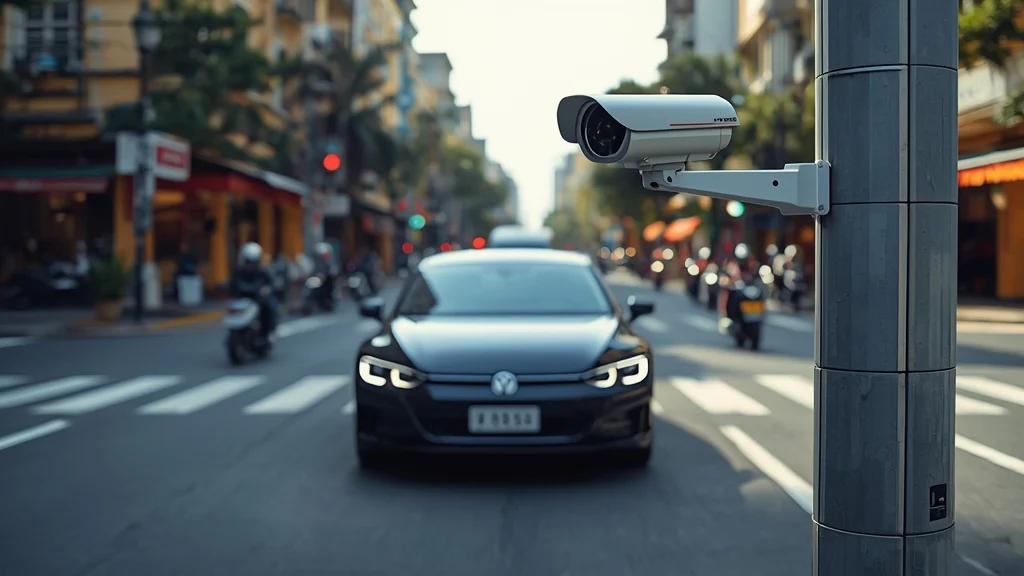
Navigating Vietnam’s city streets? Learn about speed limits, parking rules, and AI camera fines to stay legal. Read our comprehensive guide!
As car ownership continues to surge across Vietnam, automobiles are no longer reserved for long-distance trips or luxury travel. They have become a staple for daily commuting within bustling urban centers. However, driving in the city is a starkly different experience compared to cruising on a highway; it requires sharper reflexes, constant vigilance, and a deep understanding of local traffic laws to avoid unexpected penalties.
Understanding Urban Speed Limits
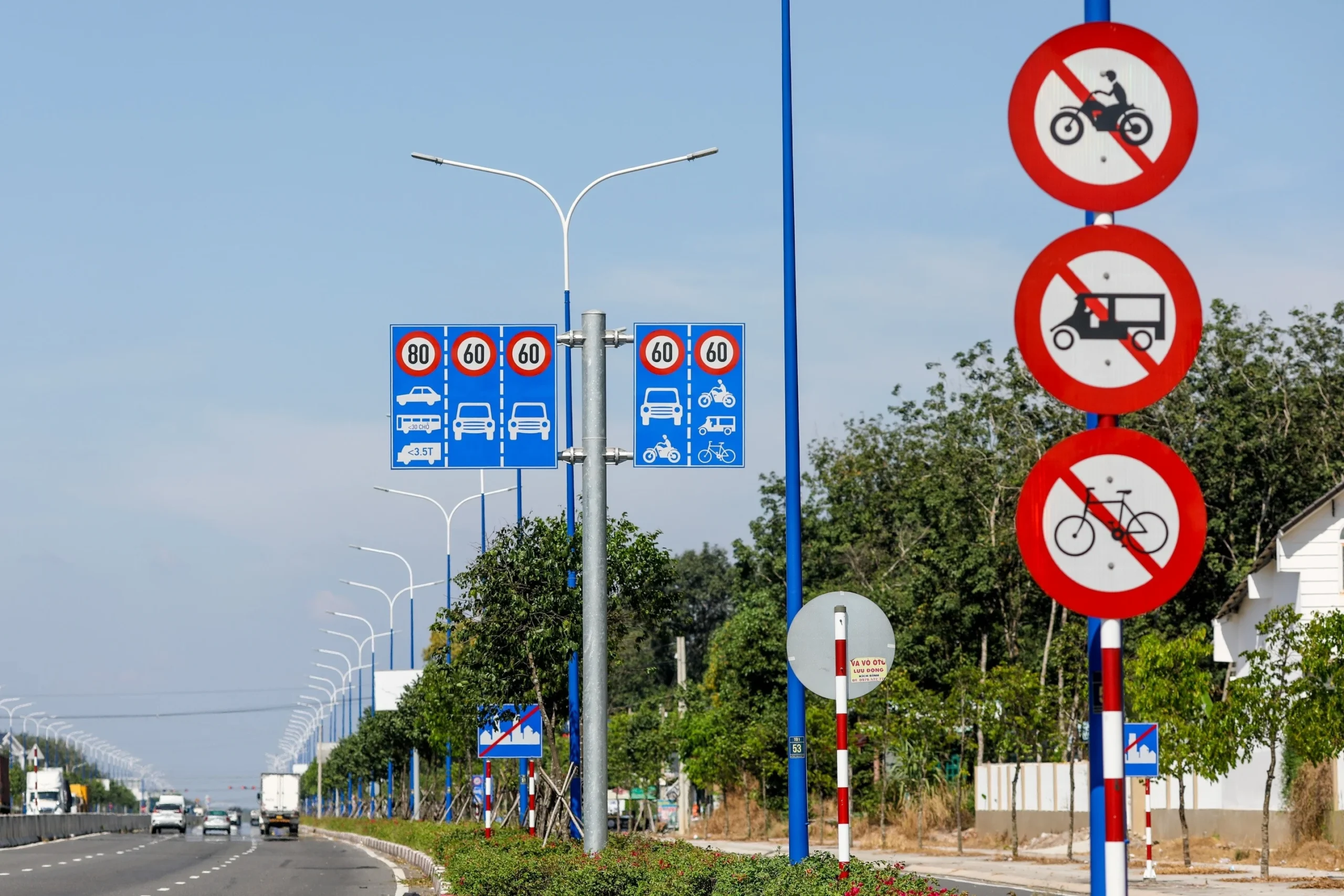
One of the most critical aspects of city driving is adhering to the maximum allowable speed. In densely populated urban areas, the rules are specific based on the road type:
- Two-way roads or single-lane one-way roads: The maximum speed is generally 50 km/h.
- Dual carriageways or one-way roads with two or more lanes: The limit increases to 60 km/h.
- Outside residential areas: For passenger vehicles with up to 28 seats, the limits typically range from 80 km/h to 90 km/h.
Drivers should be particularly mindful of specific speed limit signs posted along the route. It is also important to note that pickup trucks are categorized as trucks in Vietnam, meaning they must follow the speed restrictions applicable to commercial vehicles rather than standard passenger cars.
Lane Discipline and Vehicle Classification
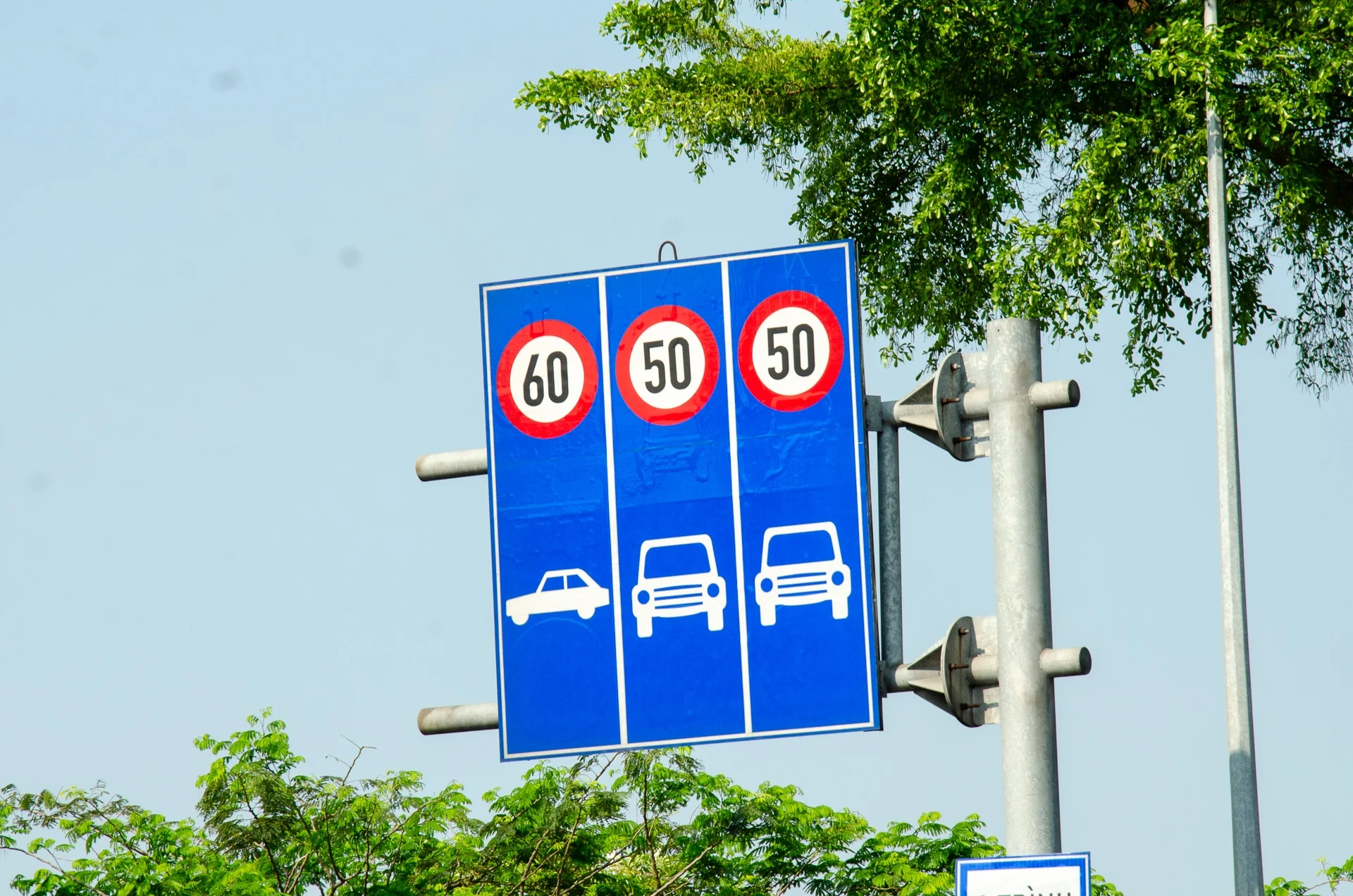
Staying in the correct lane is essential for both safety and legality. Generally, passenger cars are permitted to use mixed lanes, middle lanes, or the leftmost lane depending on the direction of travel.
Pickup truck drivers must be extra cautious. These vehicles are only permitted in lanes marked with sign R.412c (Truck Lane) or lanes shared with passenger cars if sign R.403a is present. Conversely, if a lane is marked with sign R.403d, it is strictly reserved for passenger cars, and pickup trucks are prohibited from entering.
Stopping vs. Parking: Know the Difference
Many drivers confuse “stopping” with “parking,” but under the 2024 Traffic Law, these are two distinct legal states:
What is “Stopping”?
Stopping is a temporary halt for a short duration to allow passengers to enter or exit, load/unload goods, or perform a quick technical check. When stopping, the engine must remain running, and the driver must stay in the driver’s seat (unless exiting briefly to open doors or handle cargo, in which case the parking brake must be engaged).
What is “Parking”?
Parking is defined as a stationary state with no time limit. The driver may leave the vehicle only after ensuring the parking brake is fully engaged or other safety measures are in place.
Prohibited Zones
Regardless of whether you are stopping or parking, avoid the following areas to prevent fines:
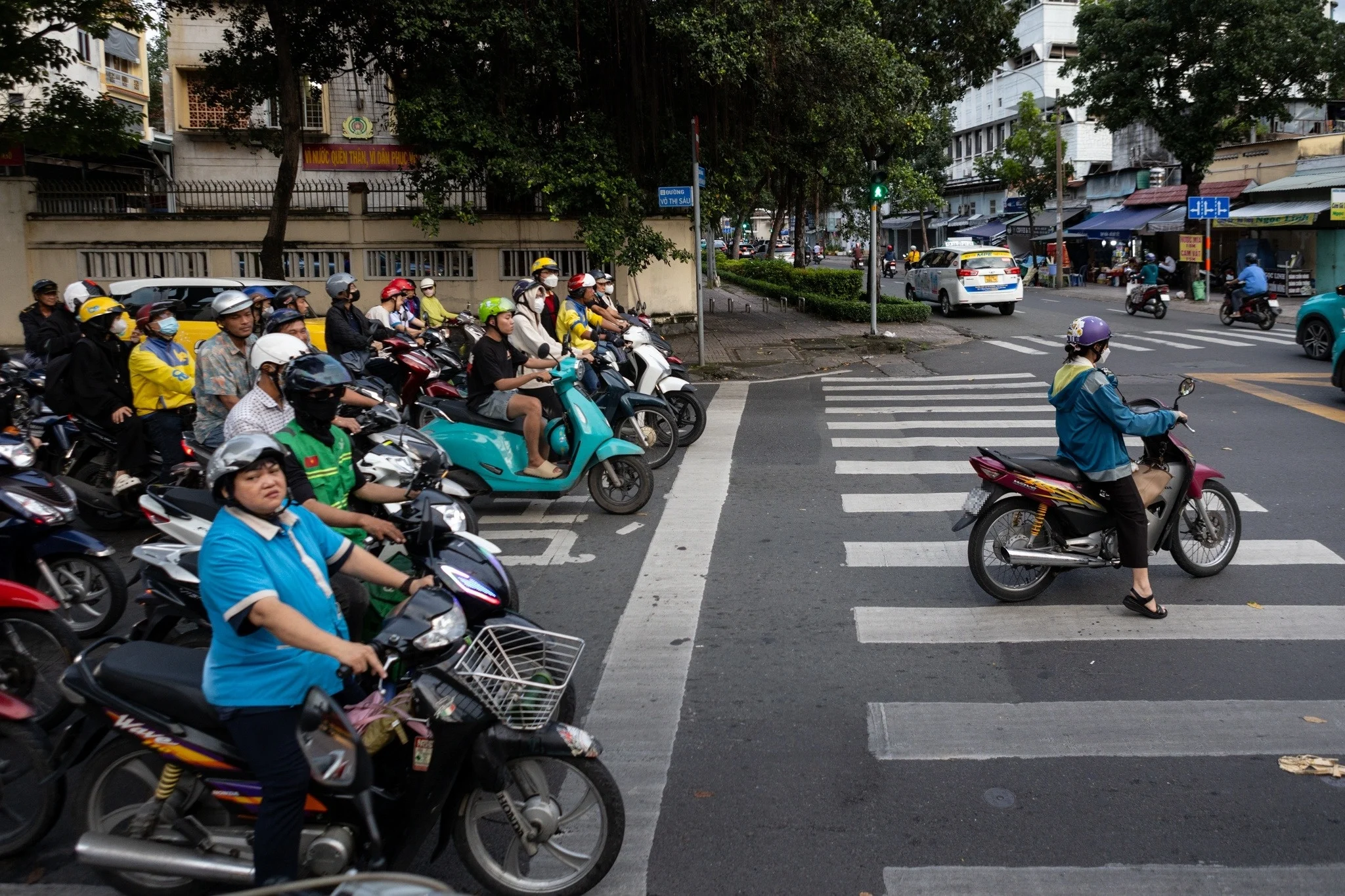
- The left side of one-way streets.
- On bridges or under overpasses.
- Pedestrian crosswalks.
- Within 5 meters of an intersection.
- Within 5 meters of the gates of government agencies or organizations with designated entry/exit roads.
- Parallel to another vehicle already stopped or parked.
- Within 20 meters of a vehicle parked in the opposite direction on narrow streets (or 40 meters on single-lane roads).
Mastering Traffic Signal Logic
Obeying traffic lights involves more than just stopping at red. The 2024 law provides specific guidance on yellow lights:
- Steady Yellow Light: Drivers must stop before the stop line. However, if the vehicle has already crossed the stop line when the light turns yellow, the driver may proceed.
- Flashing Yellow Light: Drivers may proceed but must slow down, observe surroundings, and yield to pedestrians, wheelchair users, and other vehicles.
The Rise of AI Enforcement and “Cold Fines”
The era of relying solely on physical police checkpoints is over. Major cities like Hanoi and Ho Chi Minh City, as well as national highways, are deploying AI-integrated surveillance cameras. These systems can automatically detect speed violations, lane infractions, and signal jumping.
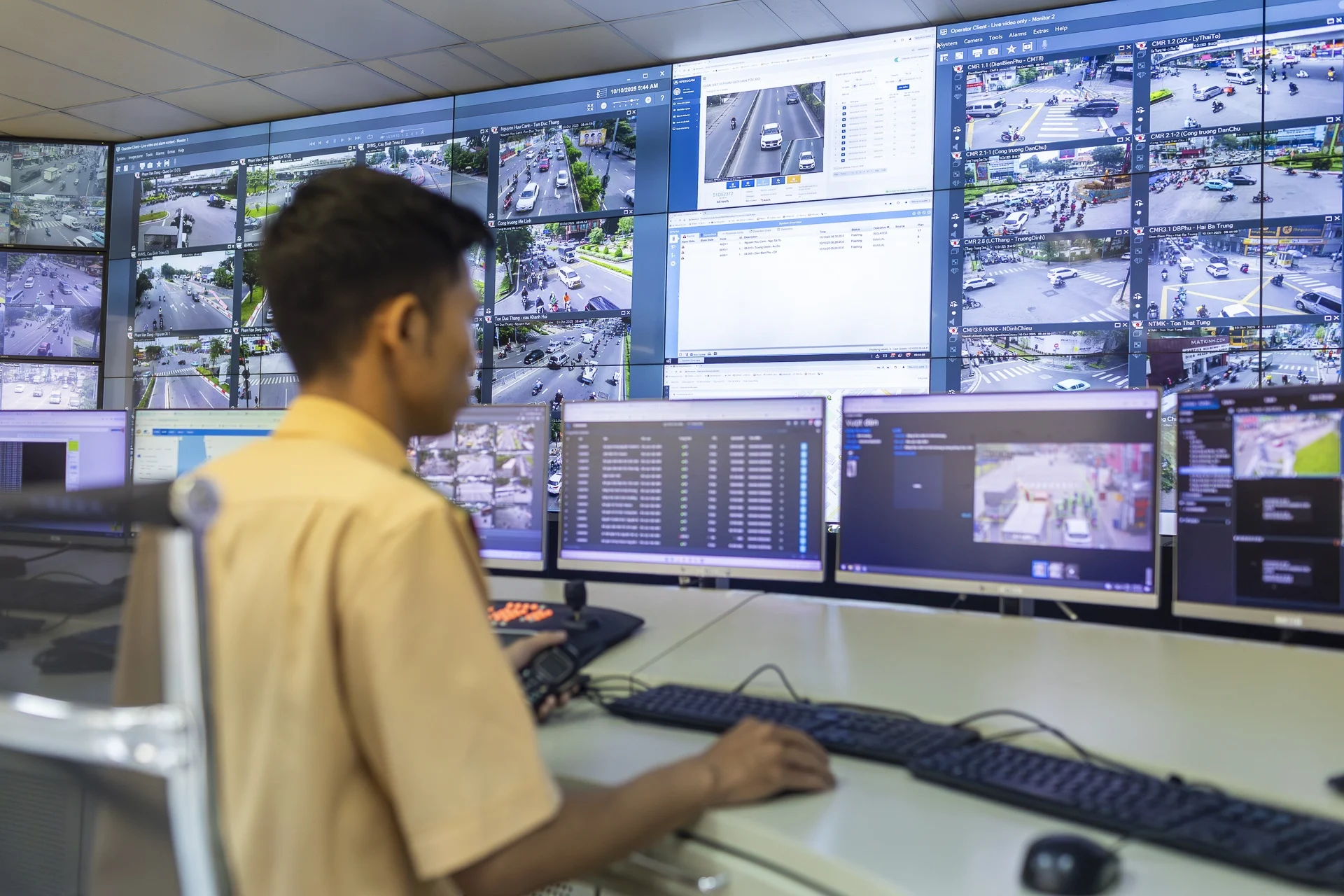
Violations captured by AI result in “cold fines” (automated fines sent via mail), which can be substantial:
- Speeding: Fines range from 800,000 VND (for 5-10 km/h over) up to 12-14 million VND (for over 35 km/h over). Severe speeding can also result in the loss of 6 license points.
- Illegal Stopping: Fines between 600,000 and 800,000 VND.
- Illegal Parking: Fines between 800,000 and 1 million VND.
- Parking in Tunnels or Left-side of One-way Streets: Fines range from 2 to 3 million VND.
- Running Red/Yellow Lights: This is considered a serious failure to obey signals, carrying a fine of 18-20 million VND and a deduction of 4 license points.
By staying informed and driving defensively, you can navigate the vibrant streets of Vietnam safely while keeping your driving record clean and your wallet intact.