
Learn how the repeal of Decree 100 impacts traffic fines and driver points in Vietnam. Stay informed with the latest legal updates – read more now!
On May 15, 2026, the Vietnamese Government introduced Decree 81/2026, which governs administrative penalties for railway traffic violations. At first glance, the decree seems unrelated to road traffic, but Article 48 explicitly nullifies Decree 100/2019 – the former cornerstone for road‑traffic penalty rules.
Key point: The abolition of Decree 100 does not mean that traffic fines are disappearing. The Ministry of Public Security’s Traffic Police (CSGT) clarified that penalties will continue, now under a sector‑specific framework.
What Replaced Decree 100?
Since early 2025, Vietnam has been applying Decree 168/2024 for road‑traffic order and safety violations. This decree superseded Decree 100/2019 and its amendment, Decree 123/2021. In other words, all the rules that once lived in Decree 100 are now fully embedded in Decree 168.
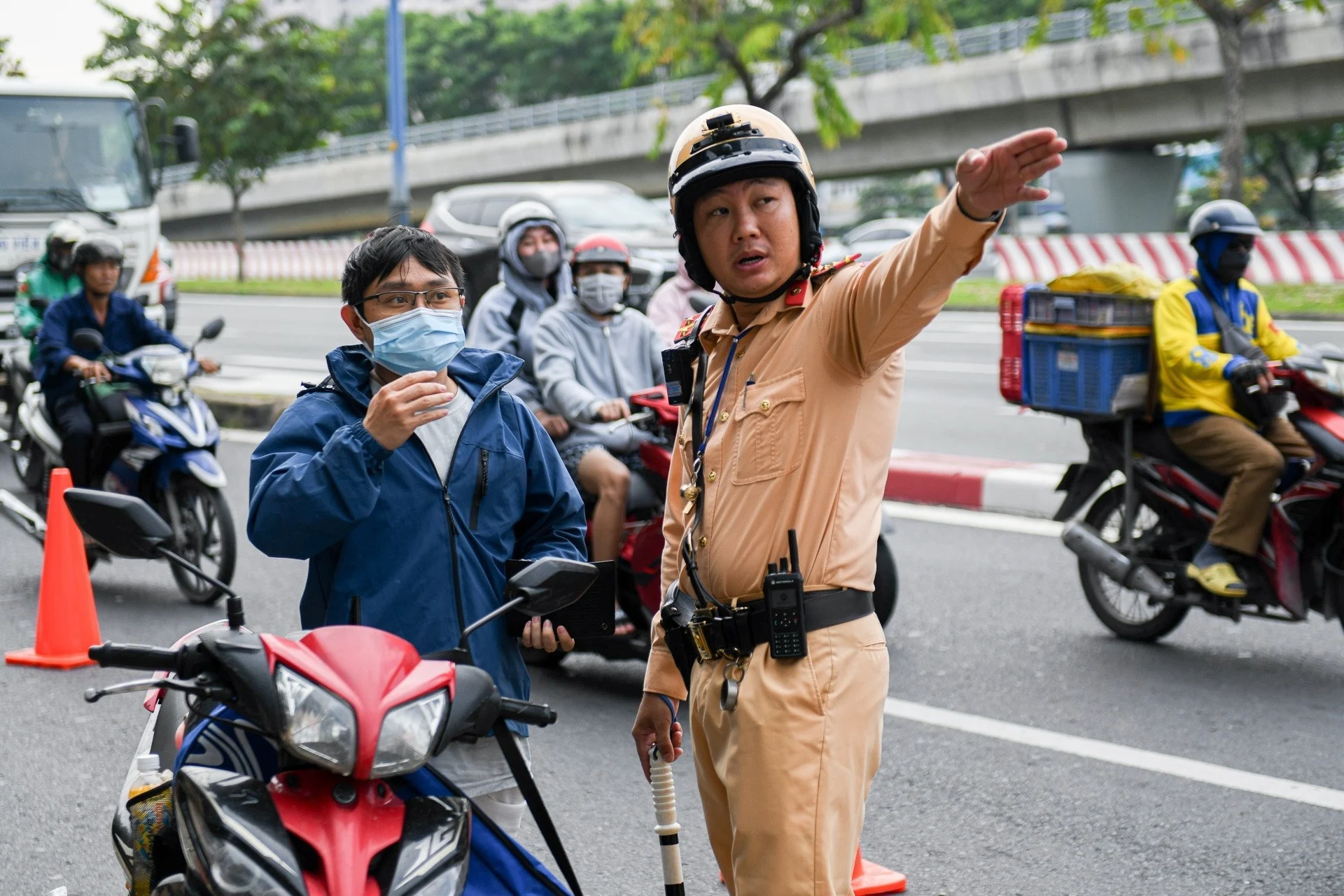
How the Penalties Have Changed
The shift to Decree 168 has generally resulted in higher fines for many common offences. Below are a few illustrative examples:
- Missing or expired vehicle registration
– Decree 100 (pre‑2025): VND 300,000‑400,000 for motorbike riders.
– Decree 168 (2024‑onward): VND 2‑3 million for the same violation. - Disobeying traffic‑light signals
– Decree 100: VND 3‑5 million for car drivers.
– Decree 168: VND 18‑20 million, reflecting a much stricter stance.
New Points‑Based System
Decree 168 also introduces a clearer points‑deduction and restoration mechanism for driver licences. Certain offences now automatically deduct points, and drivers can regain them through approved courses or a clean‑record period, aligning Vietnam’s system with many international models.
Bottom Line for Drivers
The repeal of Decree 100 does not create a legal vacuum. All road‑traffic penalties remain enforceable under Decree 168/2024, which actually imposes tougher fines and a more transparent points system. Motorists should familiarize themselves with the updated provisions to avoid costly penalties.
Staying compliant not only protects your wallet but also contributes to safer streets across Vietnam.