
Explore the surprising similarities between Vietnam and India’s car markets, from budget EVs to SUV dominance. Discover the trends now!
While there is a significant gap in total sales volume, the automotive landscapes of Vietnam and India are mirroring each other in surprising ways. As India cements its position as the world’s third-largest auto market, Vietnam is navigating its early stages of rapid growth. Despite the difference in scale, both nations are driven by the same consumer psychology and environmental challenges.
The Reign of the Budget-Friendly City Car
In both markets, affordability is king. Consumers are primarily seeking practical, low-cost vehicles that provide essential shelter from the elements while remaining easy to maintain and navigate through dense urban traffic.
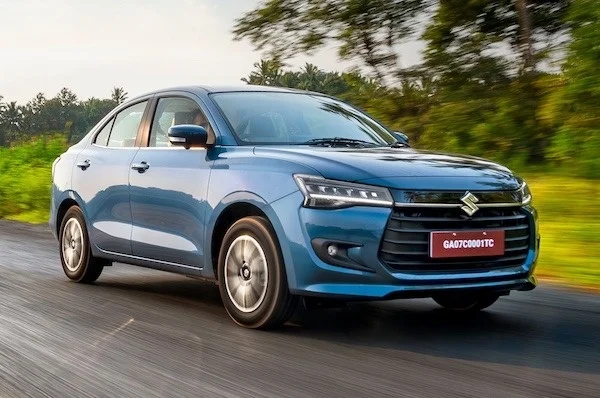
- India: The Maruti Suzuki Dzire has long dominated the market, appealing to buyers with its optimized space and an accessible price point of approximately $6,612 (625,000 INR).
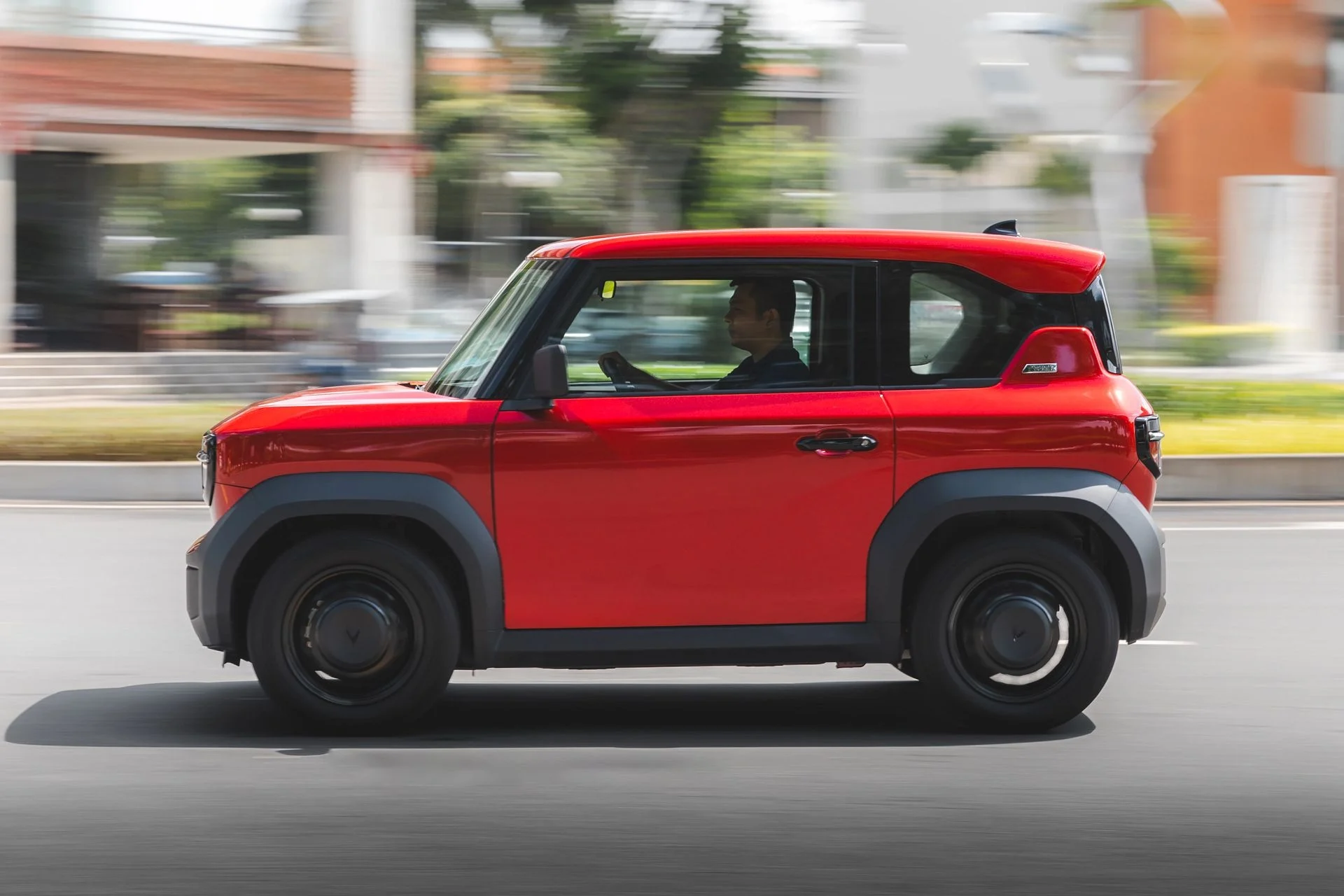
- Vietnam: The VinFast VF 3 has emerged as a sales powerhouse, capturing the market with its compact urban design and competitive pricing starting around $12,000 (302 million VND).
This trend is a direct response to the overcrowding of major cities, where small, agile vehicles are not just a preference, but a necessity for daily commuting.
The Urban SUV Surge: Rising Above the Flood
One of the most prominent parallels is the shift toward high-clearance vehicles. Due to heavy seasonal rains and frequent urban flooding in both countries, SUVs and crossovers have become the go-to choice for stability and versatility.
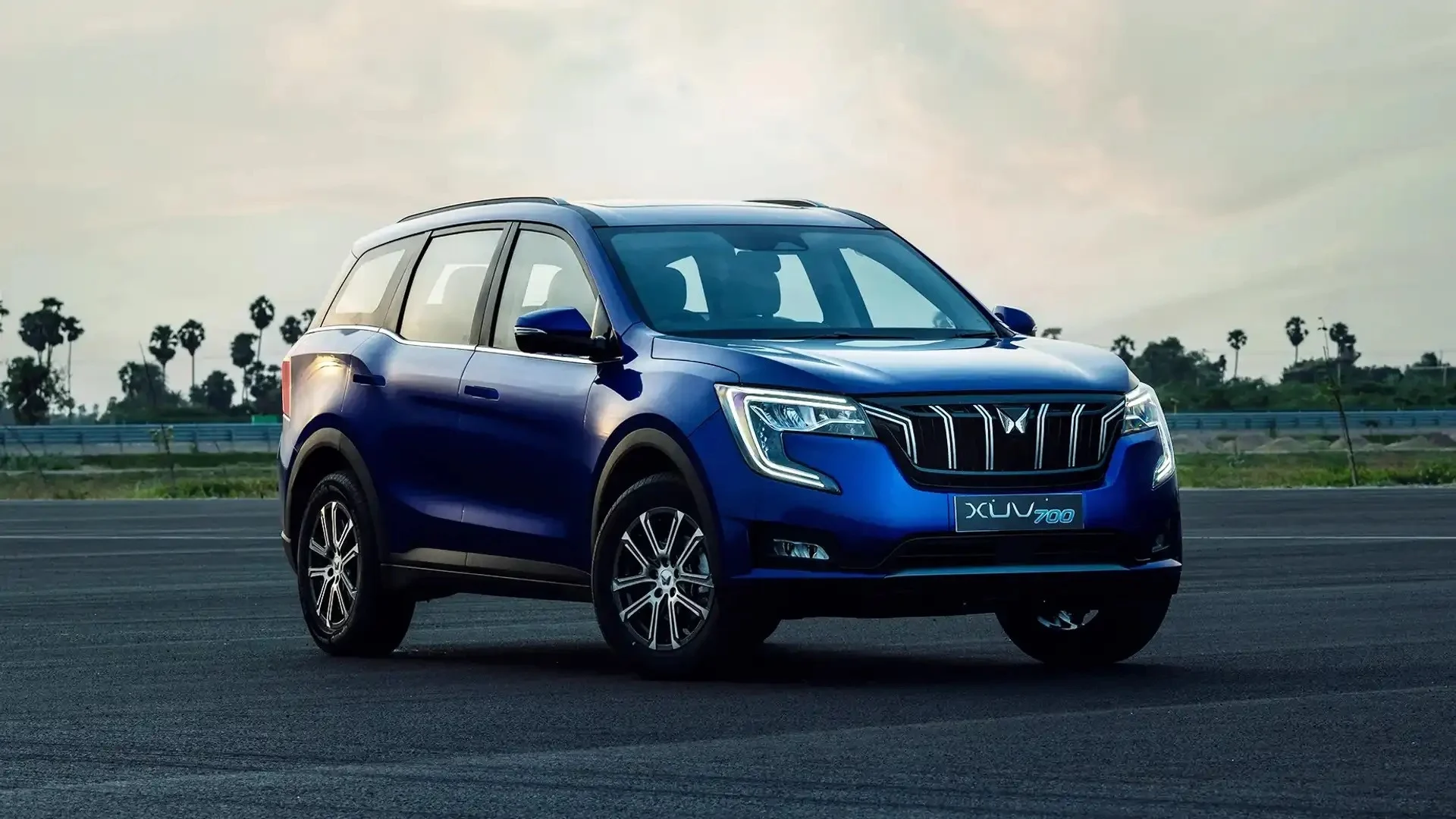
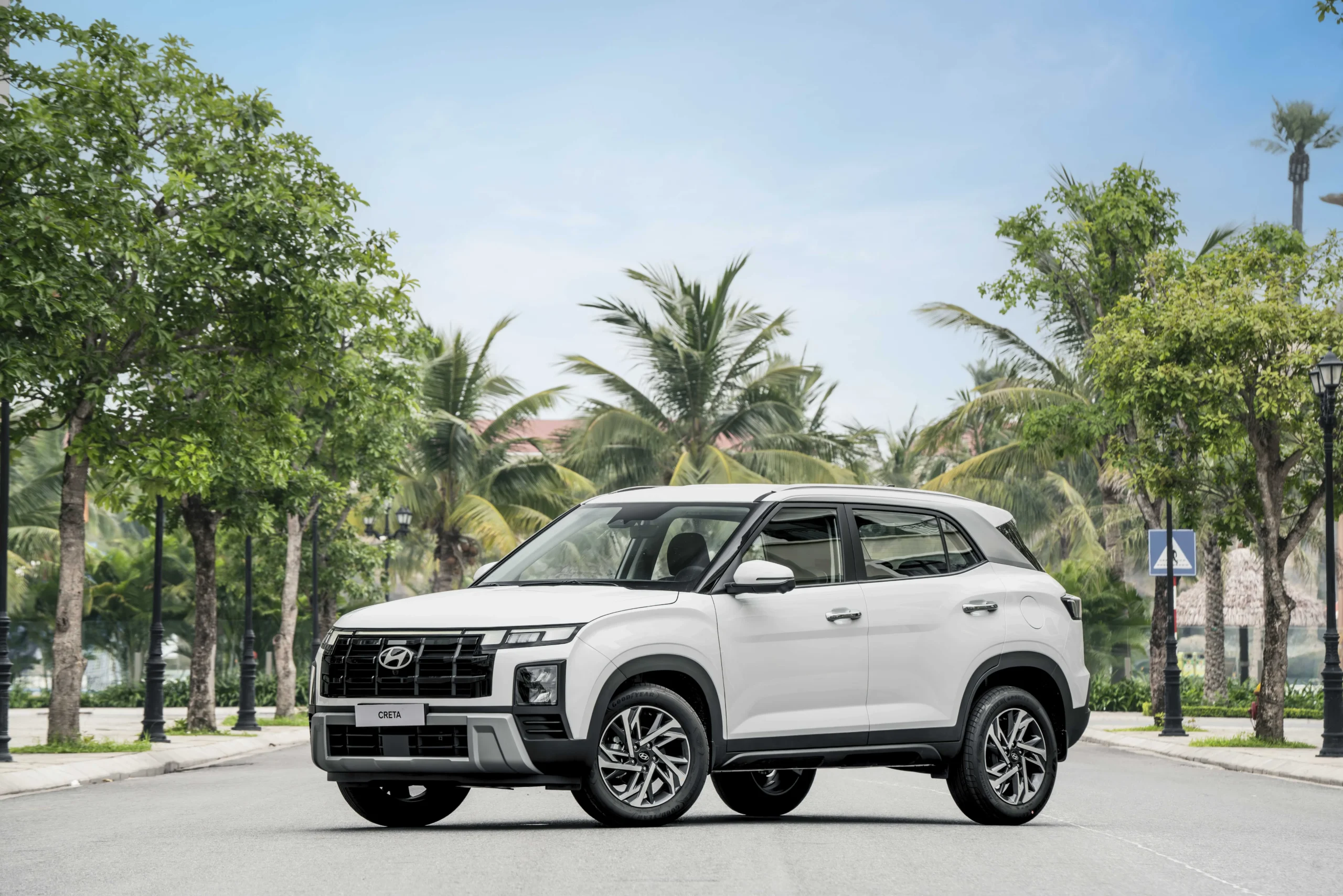
In India, this shift has propelled Mahindra—a domestic brand specializing in rugged off-roaders—to become the second-largest automaker in the country, trailing only Maruti Suzuki. Similarly, the Hyundai Creta has set massive sales records, proving that the “Urban SUV” formula is a winner.
Vietnam is seeing an almost identical transition. High-clearance vehicles have effectively pushed traditional sedans out of the top 10 best-selling lists. Aside from the Toyota Vios, the Vietnamese market is now dominated by SUVs, MPVs, and compact electric crossovers like the VinFast VF 5 and VF 6, alongside favorites like the Mazda CX-5.
From Imports to Local Assembly
Economic policy and taxation have pushed both nations toward localized production. High import tariffs—reaching up to 100% in India—force global manufacturers to establish local plants to remain competitive.
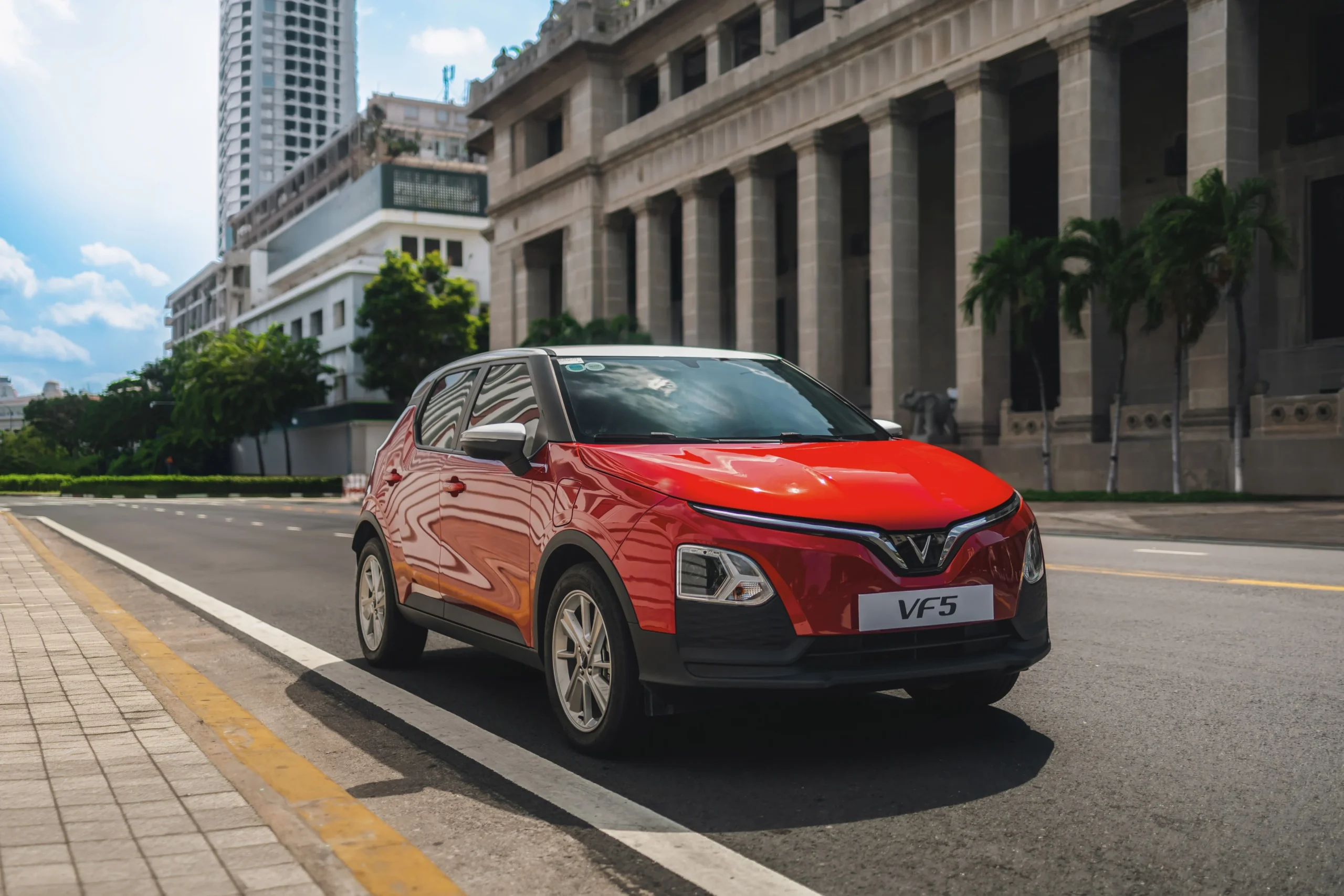
Vietnam has followed a similar trajectory. There is a clear wave of transition from importing completely built units (CBU) to local assembly (CKD). Major players such as Toyota, Hyundai, Kia, and Mazda now assemble many of their popular models locally. Even luxury brands like BMW and Mercedes-Benz have implemented local assembly lines to optimize costs.
For example, the Mazda CX-5 and Ford Ranger in Vietnam rely heavily on domestic assembly to maintain their market-leading positions, mirroring the “domestic-first” strategy seen in India.
The Electric Revolution: National Champions Lead the Way
Perhaps the most exciting similarity is the aggressive pivot toward Electric Vehicles (EVs), led by homegrown champions. Both markets are highly sensitive to fuel price volatility, making EVs an attractive long-term alternative.
The Battle of the Titans: VinFast vs. Tata Motors
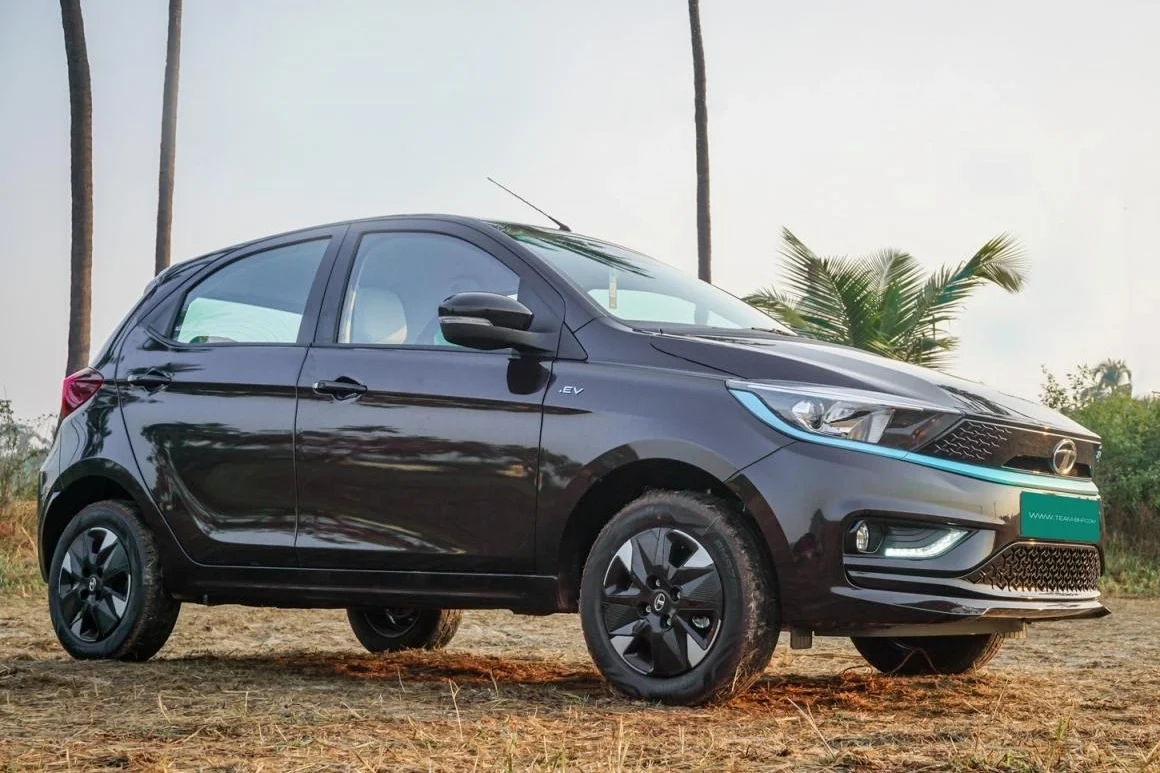
In Vietnam, VinFast is the undisputed leader, delivering over 175,000 electric vehicles last year. Meanwhile, in India, Tata Motors has captured roughly 40% of the EV market share with successful models like the Nexon EV and Punch EV.
Despite the momentum, both markets face similar hurdles: range anxiety and a still-developing charging infrastructure. However, the appetite for green mobility remains strong.
Looking Ahead: A Strategic Opportunity
The striking similarities between the two markets provide a strategic roadmap for expansion. For a brand like VinFast, the Indian market represents a “second home”—a landscape with familiar consumer habits, similar weather challenges, and a growing hunger for affordable electric mobility. As India’s EV infrastructure matures, it opens a massive window of opportunity for Vietnamese automotive innovation to make its mark on the global stage.