
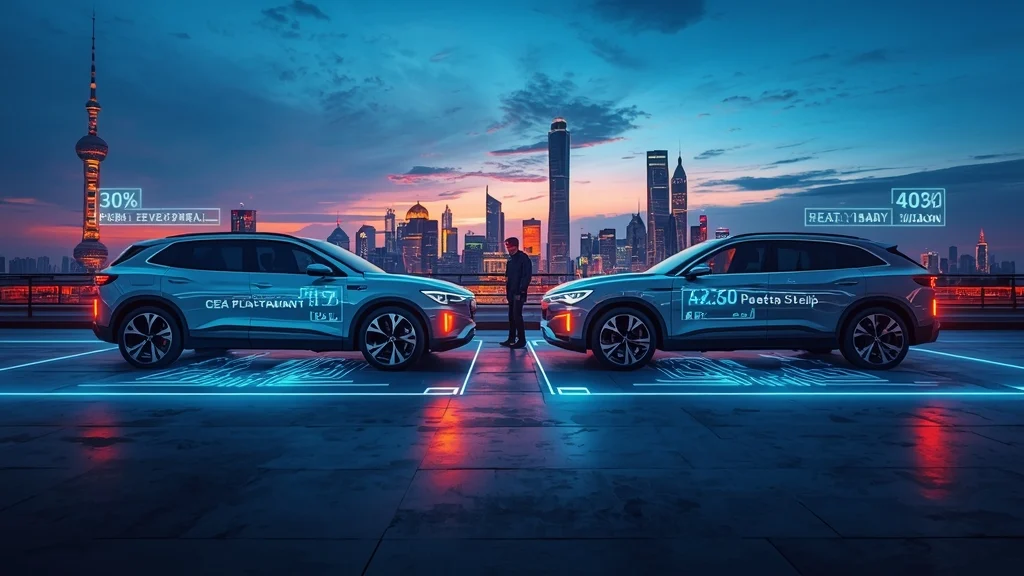
Volkswagen is tapping Xpeng’s Chinese Electronic Architecture to launch cheaper, faster EVs and win back its lead in China’s booming market. Read the full story.
In a bold move to regain its footing in the world’s largest automobile market, German automaker Volkswagen is leaning heavily on Chinese tech‑partner Xpeng. The two companies are co‑creating a new software‑centric vehicle platform, dubbed the Chinese Electronic Architecture (CEA), that promises faster development cycles and lower production costs.
Why the CEA Platform Matters
According to Volkswagen insiders, the CEA architecture can shave up to 30% off vehicle development time and reduce manufacturing expenses by roughly 40% compared with the traditional MEB platform built in Germany. The savings come from a more centralized electronic control system and a higher share of in‑house component production.
Production Roadmap to 2030
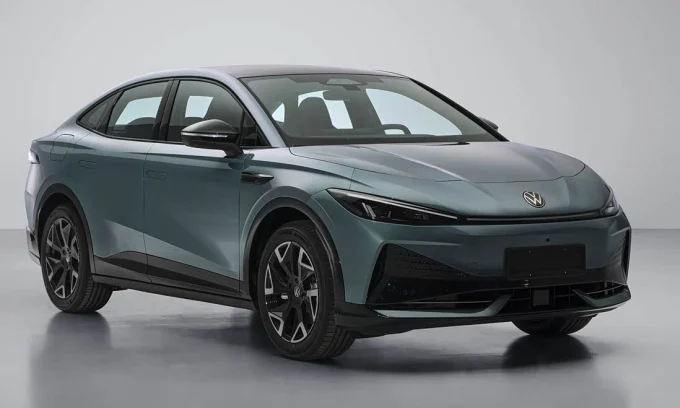
The German brand’s long‑term vision is to roll out the majority of its China‑specific models on the CEA platform by 2030. The first bite of this strategy will be the electric SUV ID. Unyx 07, slated for serial production at the end of 2025. Volkswagen plans to add four additional CEA‑based models later that year, followed by roughly ten more by 2027 – a mixture of pure electric and internal‑combustion powertrains.
Facing Fierce Local Competition
Volkswagen’s renewed push comes as home‑grown rivals like BYD and Geely have accelerated their rollout of smart, connected vehicles. BYD already overtook Volkswagen in sales for 2024, and the German giant slipped to third place in the fourth quarter of 2025 with a 17.4% decline in volume.
Engineering Power in Hefei
At Volkswagen’s Hefei research centre in Anhui province, a dedicated CEA lab houses around 850 engineers, the majority of whom are Chinese nationals. The team enjoys unprecedented decision‑making autonomy, a sign of the cultural shift Volkswagen is implementing to stay agile in the Chinese market.
From Compact Main Platform to Global MEB
The partnership with Xpeng officially began in July 2023 when Volkswagen invested US$700 million for a 4.99% stake in the Chinese EV maker. Initially focused on the Compact Main Platform (CMP) for local models, the collaboration quickly expanded to include Volkswagen’s global Modular Electric Drive Matrix (MEB) technology, paving the way for the joint CEA development.
Strategic Alliances Beyond Xpeng
Volkswagen is not putting all its eggs in one basket. It continues long‑standing joint ventures with SAIC, FAW and JAC, while forging new ties with technology firms such as Xpeng, Horizon Robotics and the AI‑chip specialist Horizon. At Xpeng’s Technology Festival in November 2025, CEO He Xiaopeng announced that the company’s self‑developed “Turing” AI chip would power Volkswagen’s next‑generation driver‑assist systems.
Future‑Ready Chips and Autonomous Driving
In December 2025, at the Horizon Ecosystem Conference, Han Hongming, CEO of the Volkswagen‑Horizon joint venture Carizon, revealed a next‑gen BPU (Brain Processing Unit) chip built on Horizon’s latest architecture. The chip will be fully compatible with the CEA platform and is designed to enable advanced L2+ driver assistance as well as L3/L4 autonomous capabilities.
What Lies Ahead
With a clear roadmap, a robust technology partnership, and a deep local engineering workforce, Volkswagen aims to transform its China operations from a cost centre into a growth engine. The success of the CEA platform could set a new benchmark for how legacy automakers collaborate with tech‑forward Chinese firms to stay competitive in the fast‑evolving electric‑vehicle landscape.
Stay tuned as the first CEA‑based models roll off the production line and watch how this partnership reshapes the global auto industry.