
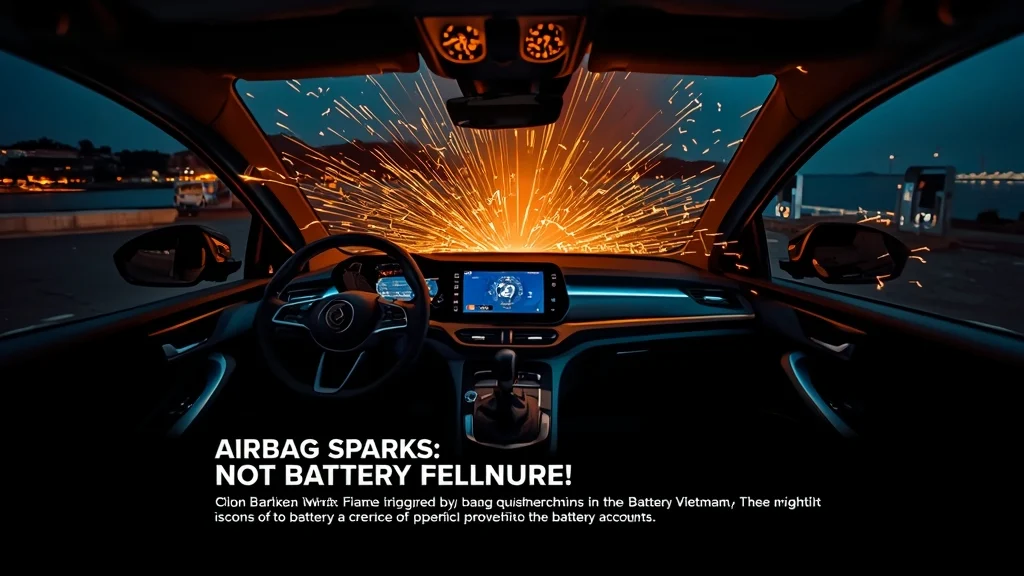
Discover why the Xiaomi SU7 blaze in Liêu Ninh wasn’t caused by the battery but by a lingering flame and airbag deployment. Read the full investigation now.
On February 1, a Xiaomi SU7 electric scooter caught fire in the coastal city of Liêu Ninh, Vietnam. The incident sparked a heated debate online, with many assuming the vehicle’s lithium‑ion battery was to blame. Xiaomi Auto’s official statement, however, paints a different picture.
What Xiaomi’s Investigation Revealed
According to Xiaomi Auto, the fire ignited from a residual flame that stayed inside the cabin after the vehicle was turned off. The flame came into contact with highly flammable interior materials, causing the blaze to spread. Crucially, the company emphasized that the battery was not the source of ignition.
The scooter involved was a rental unit. After completing a charge, the rider noticed white smoke emerging from the driver’s seat area. The rear lights remained on when the fire started, indicating that the battery was still functioning normally at the moment of ignition.
Timeline of the Event
- 01:00 – Rider drives the fully charged scooter out of the charging station.
- 01:03 – White smoke appears in the cabin; the rider exits the vehicle.
- 01:08 – Small flames become visible; the rider evacuates to a safe distance.
- 01:13 – Fire intensifies, lasting about 7‑8 minutes before being smothered by thick smoke.
- 01:20 – Firefighters arrive and extinguish the remaining flames quickly.
Why the Airbag Sparked ‘Fireworks‑Like’ Explosions
The most striking aspect of the incident was the series of sharp crackles and bright sparks that resembled fireworks. Xiaomi clarified that these were not battery explosions but the result of the vehicle’s airbag system deploying. Airbags contain a small amount of propellant—essentially a specialized pyrotechnic charge—that can create brief, bright sparks when ignited.
Not an Isolated Issue: Other EV Fires Linked to Interior Materials
This is not the first time an electric vehicle fire has been traced to non‑battery sources. Recent examples include:
- Avatr 06 sedan (October 5, 2025): Ignited while parked in a Chinese depot, possibly due to concentrated light on the passenger seat or an exploding perfume bottle.
- Geely EX2 hatchback (October 30, 2025): Flames started in the cabin and were accompanied by crackling sounds similar to the Xiaomi case; the battery was again ruled out.
Investigations often reveal that small, flammable objects—such as lighters, portable chargers, or even decorative accessories—can become ignition points when exposed to heat or electrical shorts.
Potential Technical Contributors
While the Xiaomi SU7 fire was ultimately linked to a lingering flame and airbag deployment, other technical factors can exacerbate EV fires:
- Faulty wiring or degraded insulation that creates a short circuit.
- Overheated electronic components, especially after aftermarket modifications.
- Improperly stored or damaged auxiliary batteries and power banks.
Key Takeaways for EV Users
1. Keep the cabin clear of flammable objects. Items like lighters, aerosols, or high‑capacity power banks can ignite unexpectedly.
2. Monitor for unusual smoke or odors. Early detection can prevent a small flame from turning into a full‑scale fire.
3. Know your vehicle’s safety systems. Airbag deployment can produce bright sparks; it’s a normal part of the design, not a sign of battery failure.
4. Follow manufacturer charging guidelines. Even though the battery wasn’t the culprit here, proper charging practices remain essential for overall safety.
Conclusion
The Xiaomi SU7 incident underscores that electric‑vehicle fires are not always battery‑related. In this case, an unnoticed flame combined with an airbag’s pyrotechnic charge created a dramatic, fireworks‑like display. As EV adoption accelerates worldwide, understanding the full spectrum of fire risks—and how to mitigate them—will be vital for manufacturers and drivers alike.