

BYD’s net profit falls 19% to $4.7B as competition intensifies. Discover the challenges and future outlook for the Chinese EV giant – read more now.
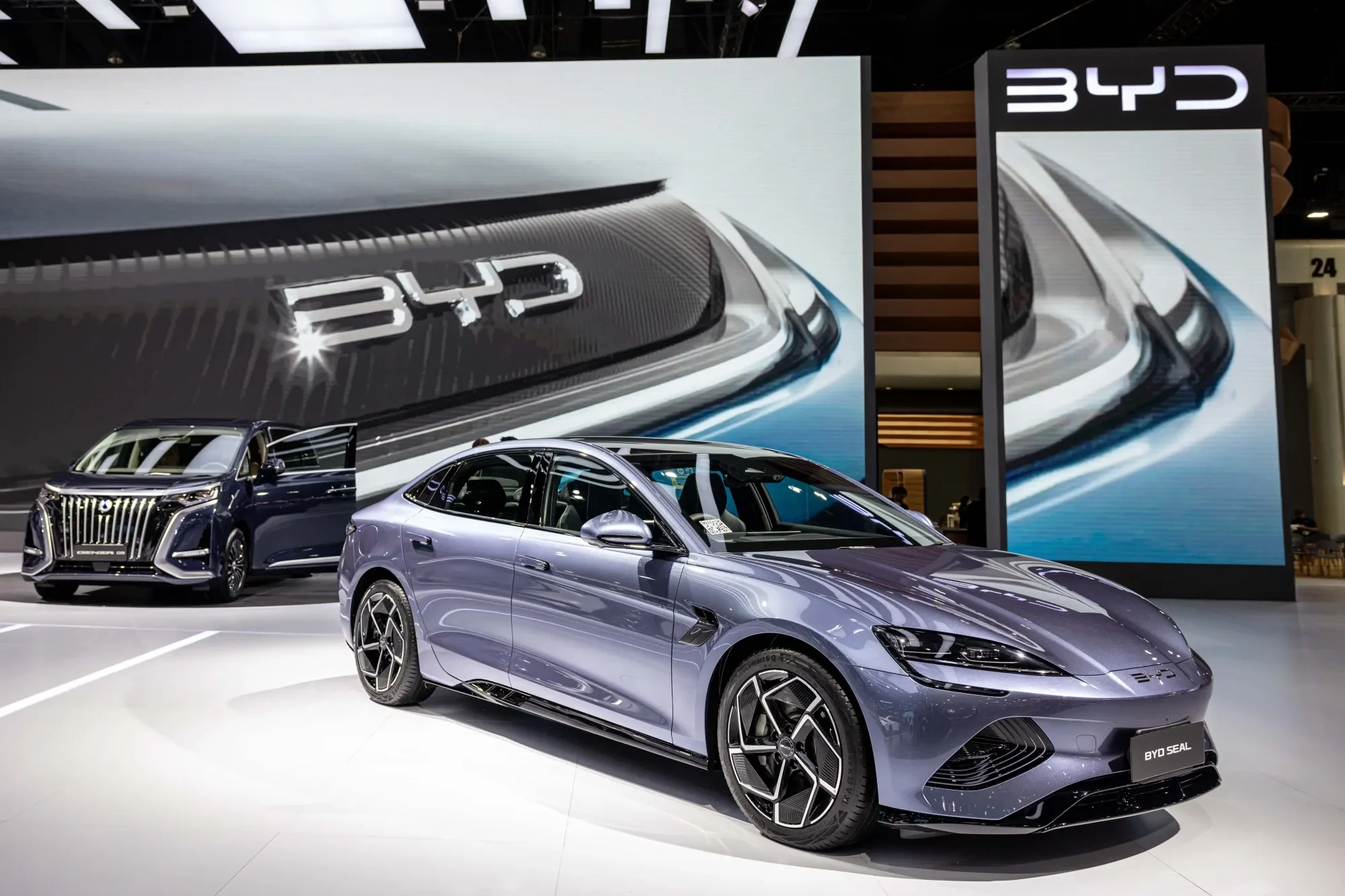
Chinese EV leader BYD announced a 19% drop in net profit for the most recent fiscal year, sinking to 32.6 billion yuan (about $4.72 billion). It marks the first annual profit decline after four years of growth and falls markedly short of the 12.1% average decline analysts had forecast.
Why the profit slump matters
The sharper‑than‑expected fall signals that the fierce price competition reshaping the global electric‑vehicle (EV) market is now hitting BYD’s bottom line. While the company still dominates the domestic market, its margins are tightening as rivals such as Leapmotor and Geely close the technology gap and push price wars.
Key performance snapshots
- Revenue growth: Up only 3.5% year‑on‑year – the slowest pace in six years.
- Workforce: BYD cut staff by 10.2%, ending 2025 with 869,622 employees.
- Quarter‑four results: Net profit dropped 38.2% to 9.3 billion yuan, the third consecutive declining quarter.
- Gross margin: Fell to 20.5% for automotive and related products, down 1.8 percentage points.
Domestic pressures and policy shifts
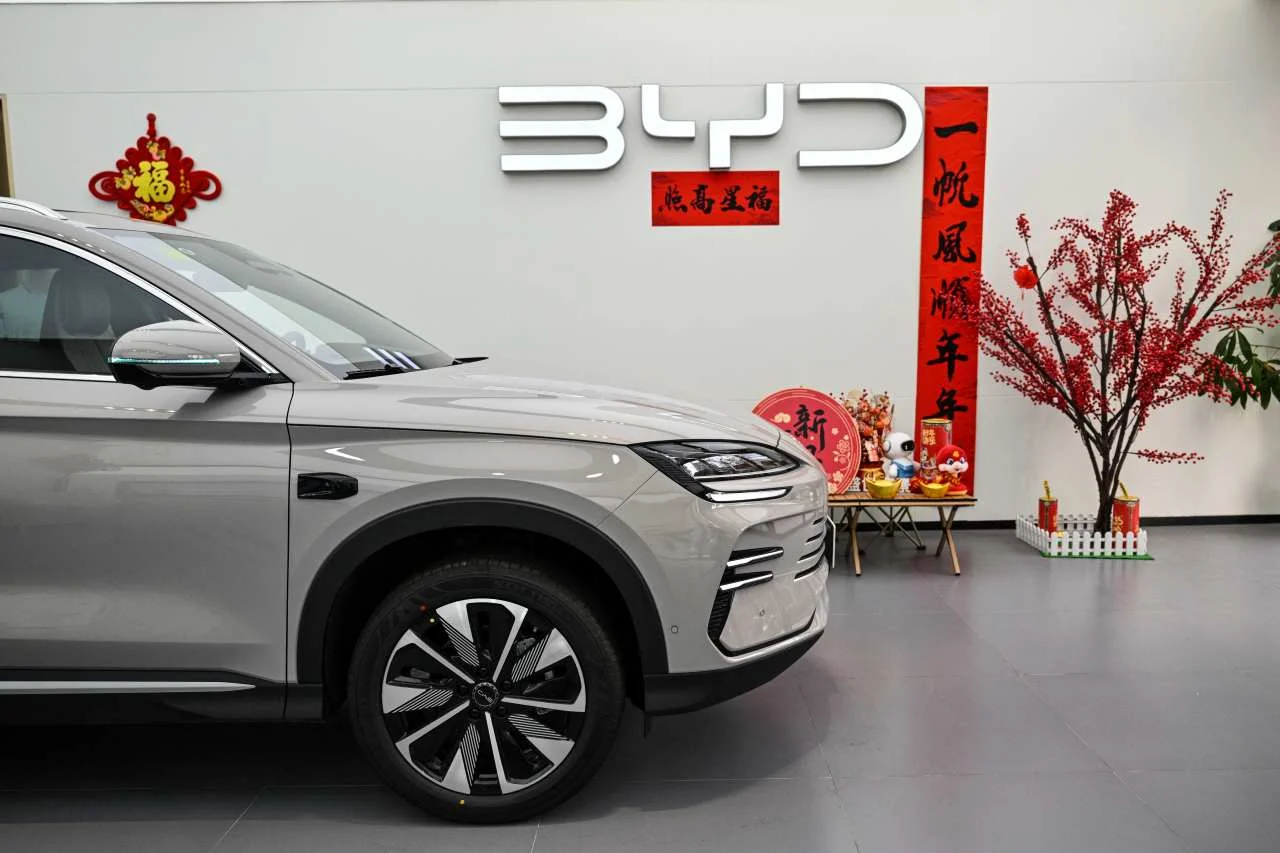
BYD’s sales are heavily weighted toward low‑priced models – more than 61% of November 2025 sales were for vehicles under 150,000 yuan (≈ $21,700). The recent removal of tax‑free incentives for new‑energy cars and new subsidies favoring higher‑priced models have constrained demand for BYD’s core budget‑friendly lineup.
International growth as a lifeline
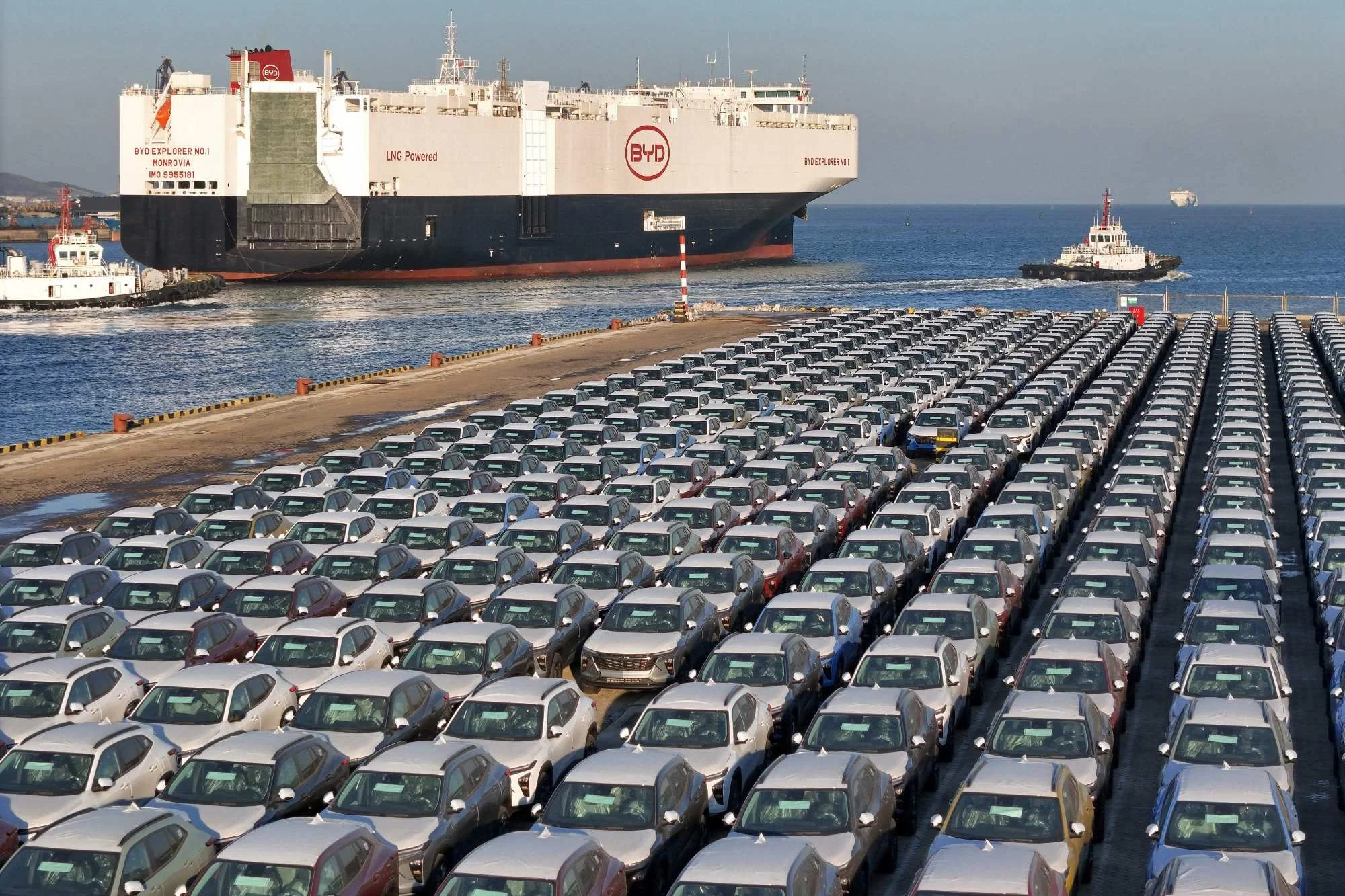
Despite domestic headwinds, BYD’s overseas business added 5% to overall revenue, driven by better margins in export markets. CEO Wang Chuanfu described the current phase as a “direct‑knockout round” and reaffirmed the company’s strategy to accelerate international expansion.
Analyst perspective
Eugene Hsiao of Macquarie warned that BYD cannot rely solely on price cuts. “Investing in technology upgrades and diversifying the product mix will be crucial for staying competitive,” he said, noting that premium‑segment launches have so far struggled to move the needle in a price‑sensitive market.
Liquidity challenges
New regulations requiring timely payments to suppliers have pressured BYD’s cash flow. Net working capital remains negative at –97 billion yuan, though it improved from a –122.7 billion yuan deficit mid‑year.
How rivals are faring
Domestic competitors are posting stronger figures. Geely reported a 36% rise in core profit for 2025, while Xpeng recorded its first quarterly profit, underscoring the widening gap between BYD and faster‑moving peers.
Outlook for 2026
Industry observers expect BYD to face continued pressure from intense competition and a potentially weakening Chinese consumer base. The company’s ability to boost high‑margin models, expand charging infrastructure, and capture overseas market share will be decisive in reversing the profit trend.
Investors and consumers alike will be watching closely as BYD navigates this pivotal chapter in the global electric‑vehicle race.