
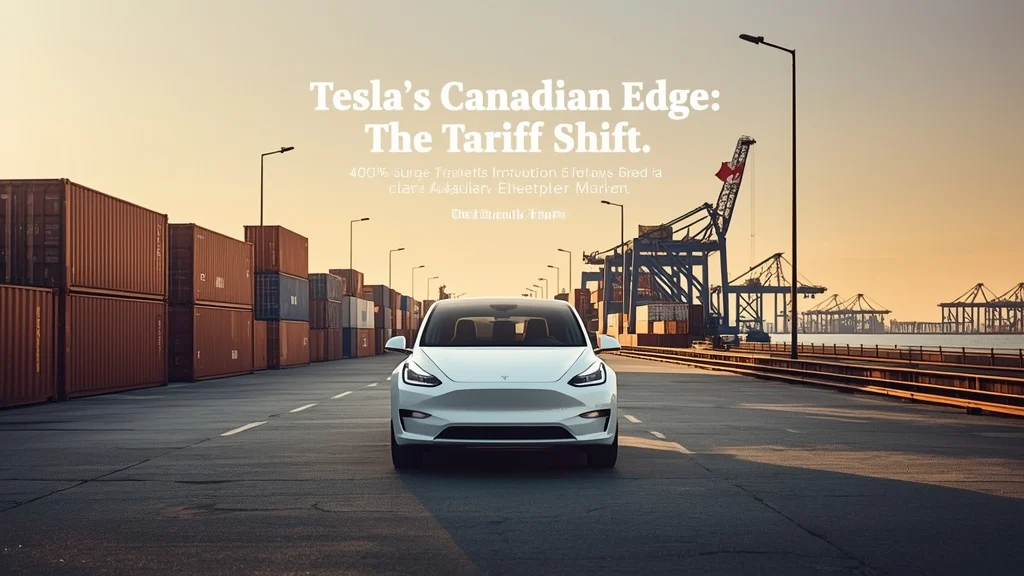
Canada is easing tariffs on Chinese EVs. See how Tesla’s Giga Shanghai and local network provide a massive competitive edge. Read more!
Canada is implementing a strategic shift in its electric vehicle (EV) market by easing import tariffs on vehicles produced in China. While the move is designed to diversify the market, industry analysts suggest that Tesla is positioned to be one of the primary beneficiaries of this policy change.
The Details of the New Trade Agreement
Under the new agreement, Canada will allow the import of up to 49,000 Chinese-made electric vehicles annually, benefiting from a preferential tariff rate of 6.1% under Most Favored Nation (MFN) rules. Prime Minister Mark Carney has indicated that this quota could expand to 70,000 vehicles over the next five years.
However, there is a specific catch: half of the import quota is reserved for budget-friendly models priced under 35,000 CAD (approximately $25,100 USD). While none of Tesla’s current lineup fits into this low-cost bracket, the American EV giant still holds a significant strategic advantage.
Why Tesla Holds the Upper Hand
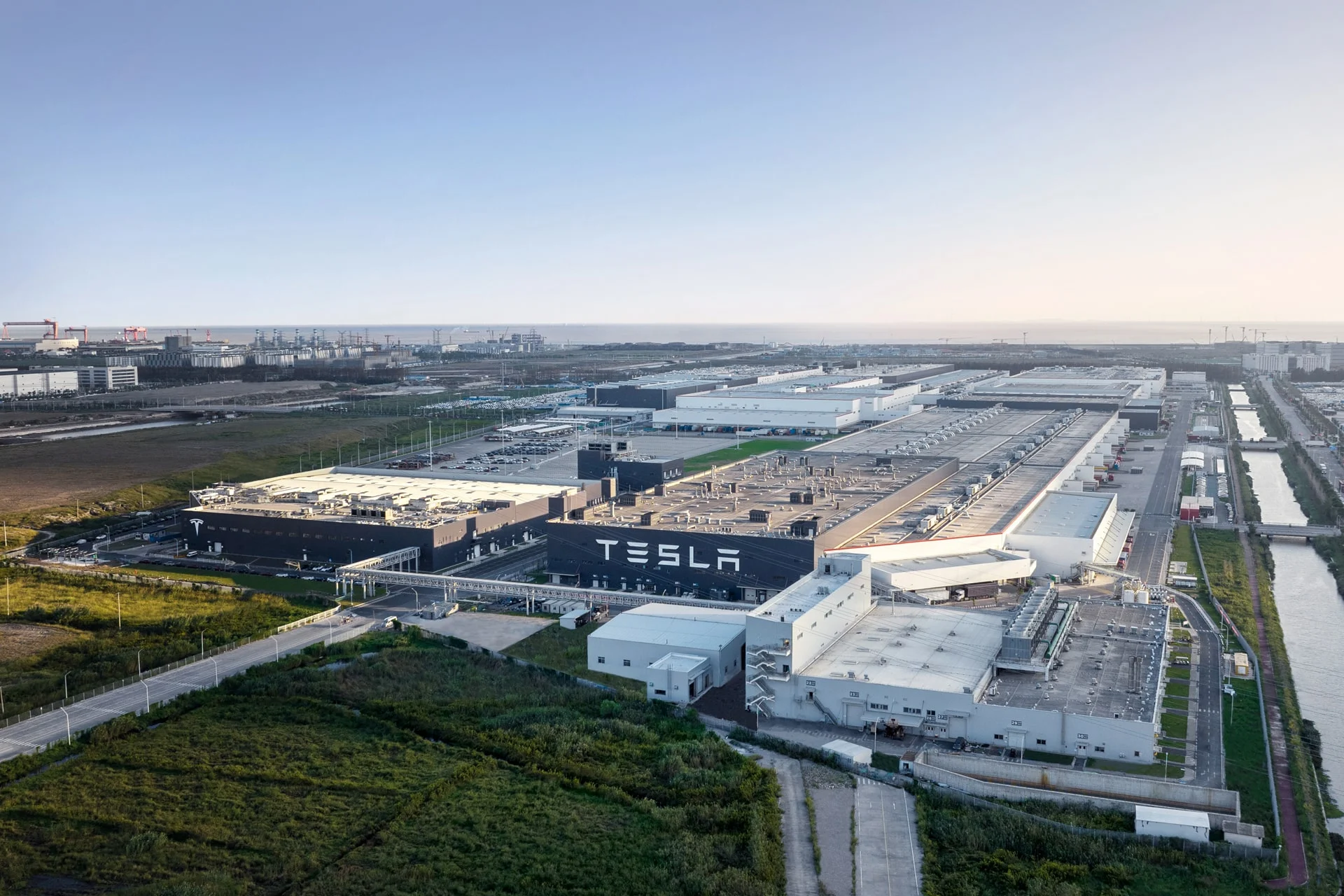
Tesla’s edge comes from its foresight and existing infrastructure. Since 2023, Tesla has optimized its Giga Shanghai plant to produce versions of the Model Y specifically tailored for the Canadian market. The impact was immediate; imports from China via the Port of Vancouver surged by 460%, reaching 44,356 vehicles.
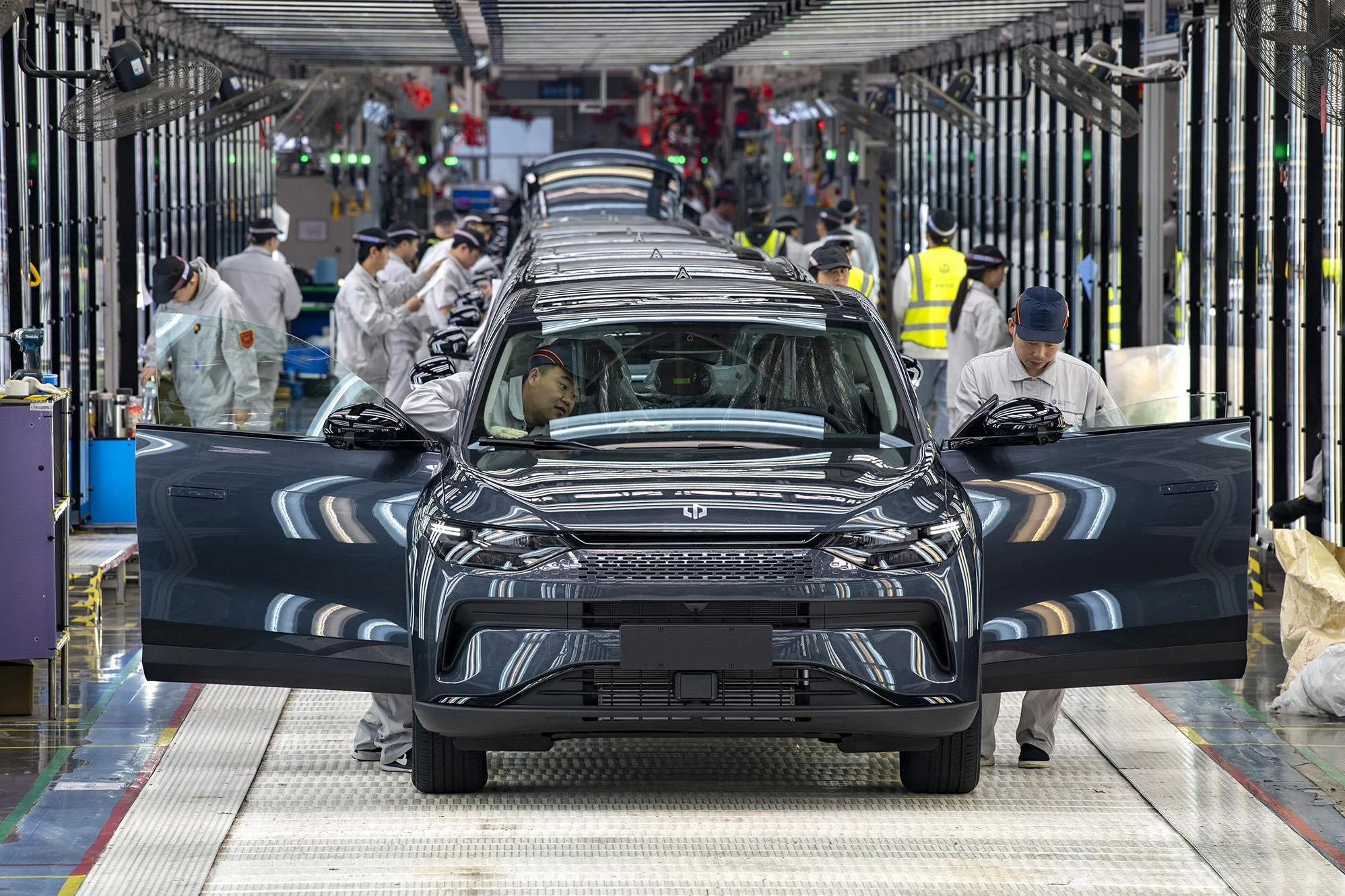
This growth was temporarily halted in 2024 when Ottawa imposed a 100% tariff on Chinese EVs to combat perceived overcapacity driven by Beijing. During that period, Tesla was forced to pivot its supply chain, sourcing vehicles from its plants in the U.S. and Berlin.
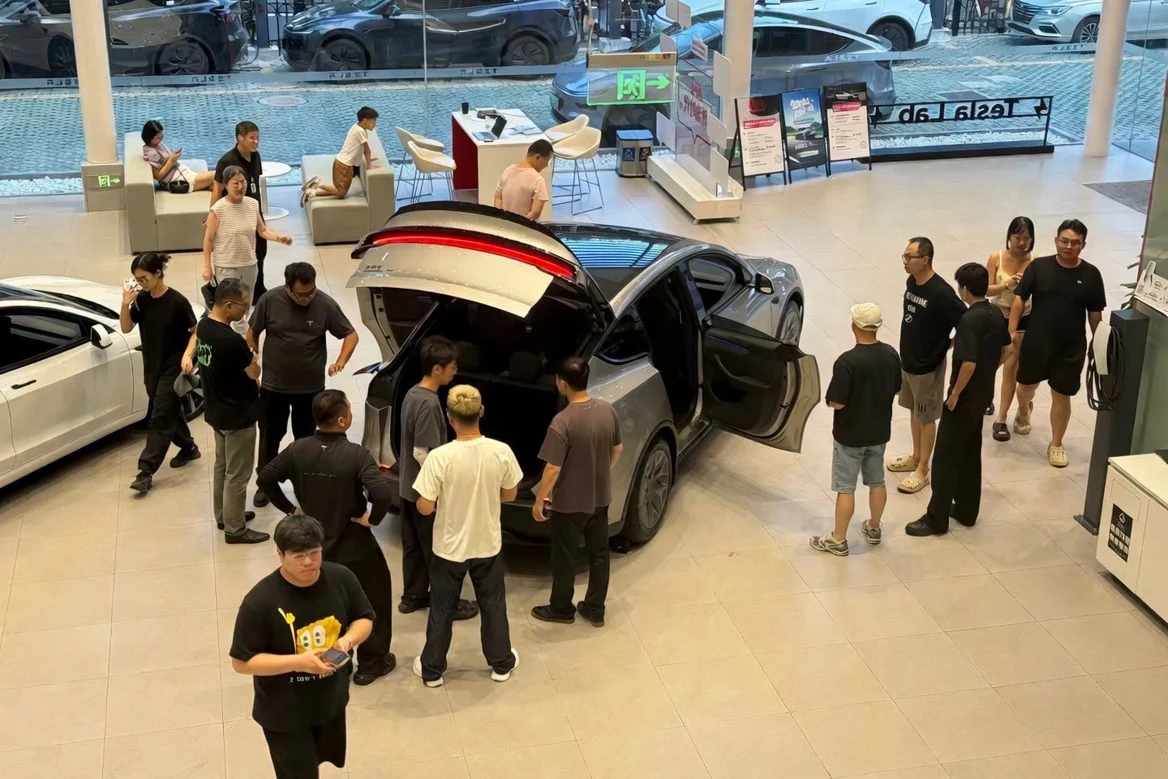
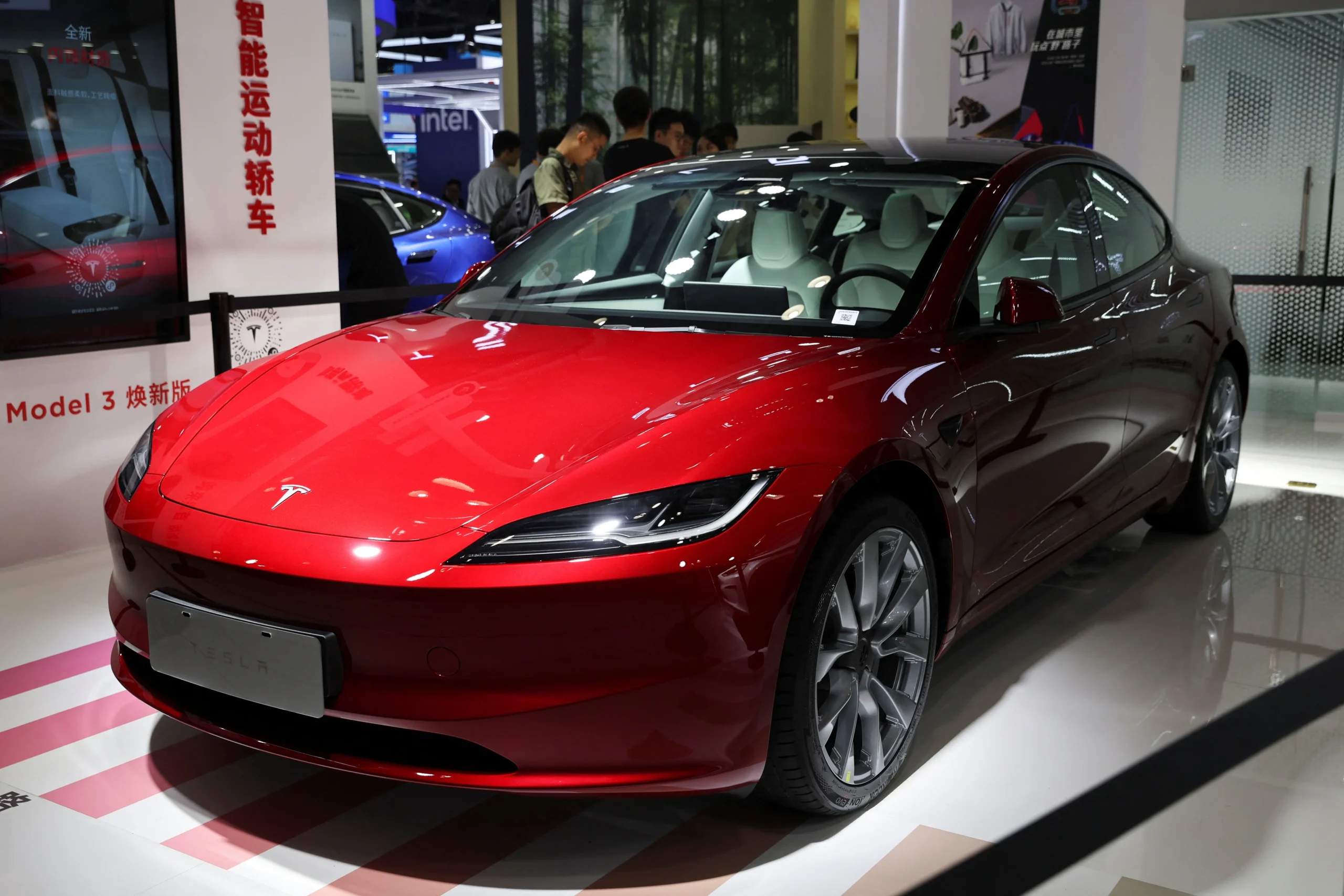
With the new agreement, Tesla can efficiently resume exports from Shanghai, particularly for the Model 3 and Model Y. Beyond production, Tesla possesses a formidable distribution network of 39 stores across Canada—a massive lead over Chinese competitors like BYD and NIO, who currently lack a formal retail presence in the country.
The Opportunity for Chinese Budget Brands
While Tesla dominates the premium and mid-range segments, the price cap on half the quota opens a door for Chinese manufacturers who excel in the affordable EV space. This policy is expected to benefit budget-conscious Canadian consumers and manufacturers specializing in entry-level EVs.
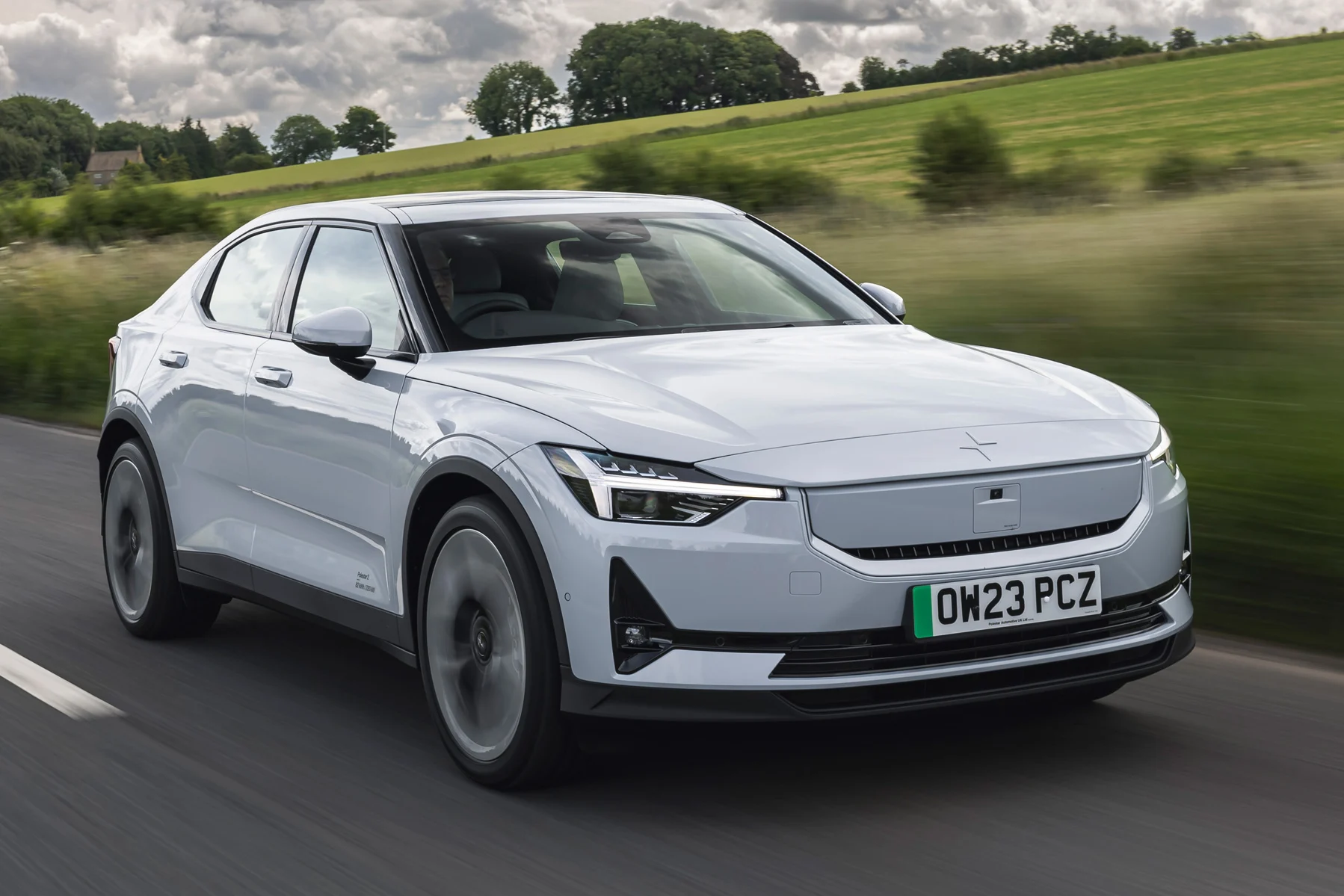
Additionally, brands previously exporting from China to Canada—such as Volvo and Polestar (both owned by Geely)—are likely to reconsider their market strategies to take advantage of the lower tariffs.
Future Outlook and Geopolitical Tension
Canada is signaling a desire for deeper cooperation with Chinese EV firms over the next three years. This may include joint ventures to establish local production facilities, leveraging Chinese technology and expertise. BYD has already set a precedent with its electric bus assembly plant in Ontario.
However, Canada’s move has drawn criticism from the United States. The U.S. government, under the previous Biden administration, raised tariffs on Chinese EVs to 100% to virtually shut them out of the American market. This divergence in policy comes amid rising trade tensions and security concerns regarding data privacy, with some U.S. lawmakers proposing even stricter bans on Chinese automotive technology.