
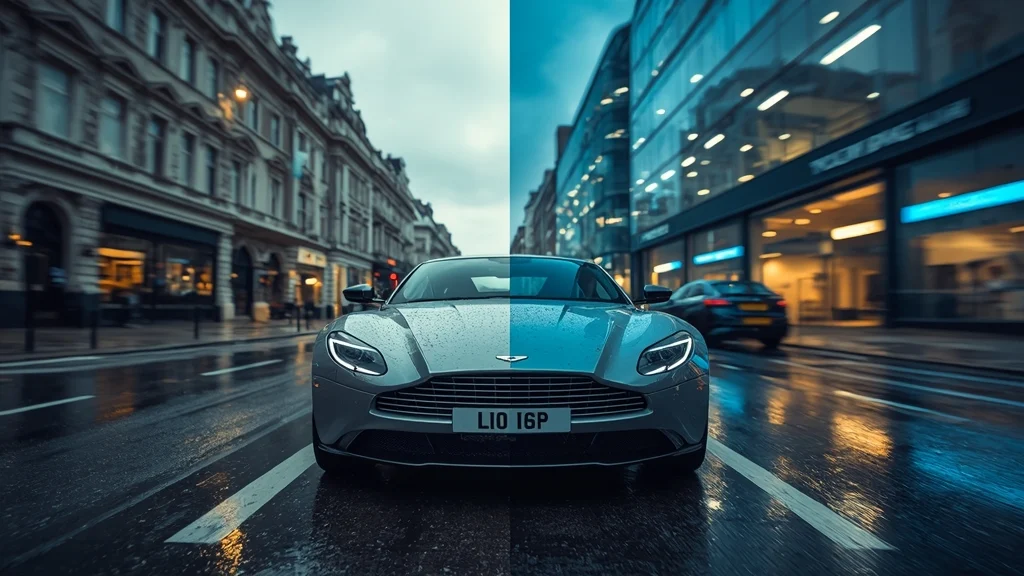
Aston Martin faces a financial crisis, sparking rumors of a Geely takeover. Could this signal the end of UK car manufacturing? Read the full analysis.
Aston Martin, the crown jewel of British luxury automotive engineering, finds itself at a precarious crossroads. Once seen as a symbol of timeless elegance and power, the company is now grappling with a financial storm that has many wondering if the brand will soon be under Chinese ownership.
A Steep Decline in Value
The trajectory of Aston Martin since its 2018 IPO has been nothing short of a rollercoaster. At the time of listing, the company was valued at approximately £4.3 billion ($5.8 billion). Fast forward to today, and that value has plummeted to around £430 million ($584 million)—a staggering 90% drop.
Despite significant investments from Canadian billionaire Lawrence Stroll in 2020, the company continues to bleed cash. Just two weeks ago, Aston Martin sought emergency funding for the eighth time since going public, securing £50 million in a rescue package led by Stroll.
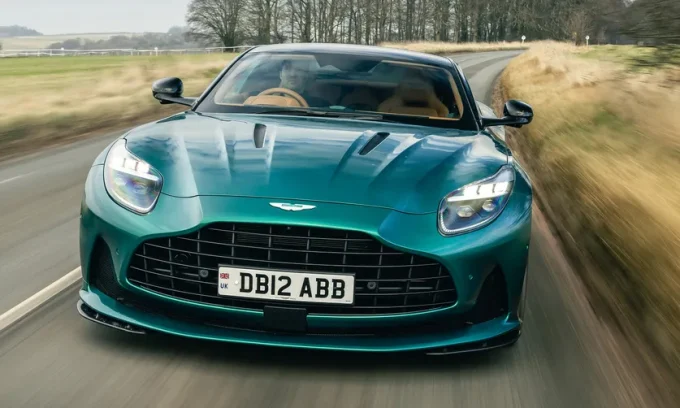
The Geely Factor: Savior or Predator?
While Stroll remains publicly committed to the brand, industry eyes are turning toward Geely, one of Aston Martin’s largest shareholders. Geely has a mixed track record with British heritage brands, which leaves analysts divided.
- The Success Story: Geely is widely praised for its stewardship of Sweden’s Volvo, transforming it into a modern, sustainable powerhouse.
- The Warning Sign: The acquisition of Lotus has been less convincing. While Geely invested billions, the brand’s center of gravity has shifted away from its historic base in Norfolk, with new EV models being developed and produced primarily in China.
If Lawrence Stroll decides to step back, Geely is the most likely candidate to step in. However, experts fear this could accelerate the “de-industrialization” of the UK automotive sector.
The Ghost of MG Rover
The anxiety surrounding a Chinese takeover is rooted in a painful historical precedent: the collapse of MG Rover in 2005. At the time, the UK government desperately hoped Chinese firm SAIC would save the Longbridge plant.
Instead, the brand was acquired by Nanjing Automotive for a mere £53 million. Shortly after, thousands of tons of machinery and technical expertise were shipped from the UK to China. Today, while MG is a thriving global brand, not a single MG vehicle is manufactured in its ancestral British home.
A Crisis of British Manufacturing
Aston Martin’s struggles are a symptom of a larger malaise within the UK’s automotive landscape. The industry is currently battling a “low-output crisis” fueled by a perfect storm of factors:
- Post-Brexit Friction: Trade barriers have complicated supply chains.
- Post-Pandemic Shortages: A critical lack of parts has hampered production.
- Energy Costs: Skyrocketing energy prices have squeezed margins for manufacturers and suppliers alike.
The decline is evident in the numbers. A decade ago, the UK produced 1.8 million vehicles annually. In the first half of 2025, production plummeted to just 417,000 units—the lowest level since 1953.
The “Existential Threat” from the East
The rise of Chinese automotive giants is no longer a distant possibility; it is a present reality. Ford CEO Jim Farley has described the rapid ascent of Chinese EVs as an “existential threat.” Brands like BYD, Jaecoo, and Omoda are rapidly gaining market share in the UK.
As Aston Martin continues to burn through cash, the debate intensifies. Some, like former Aston Martin leader Andy Palmer, argue that the UK should embrace Chinese firms as essential partners. Others warn that without a strategic pivot, the UK risks becoming nothing more than a showroom for foreign-made cars.
Whether Geely chooses to fully absorb Aston Martin remains to be seen, but the stakes go beyond one company. It is a battle for the very soul of British industrial identity.