
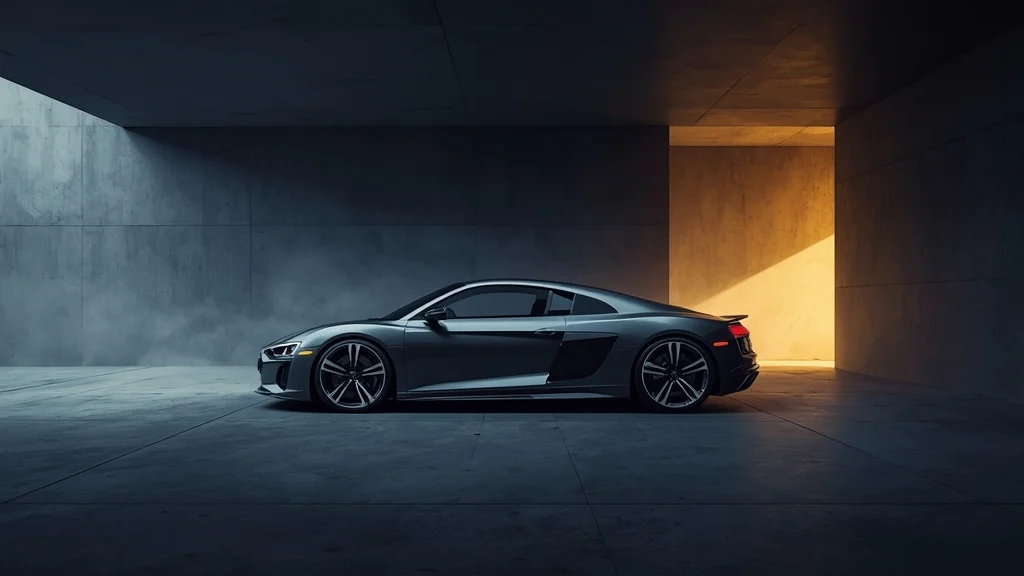
Audi Sport hints at a potential Audi R8 hybrid revival. Will the legend return to challenge the supercar market? Read the full analysis here.
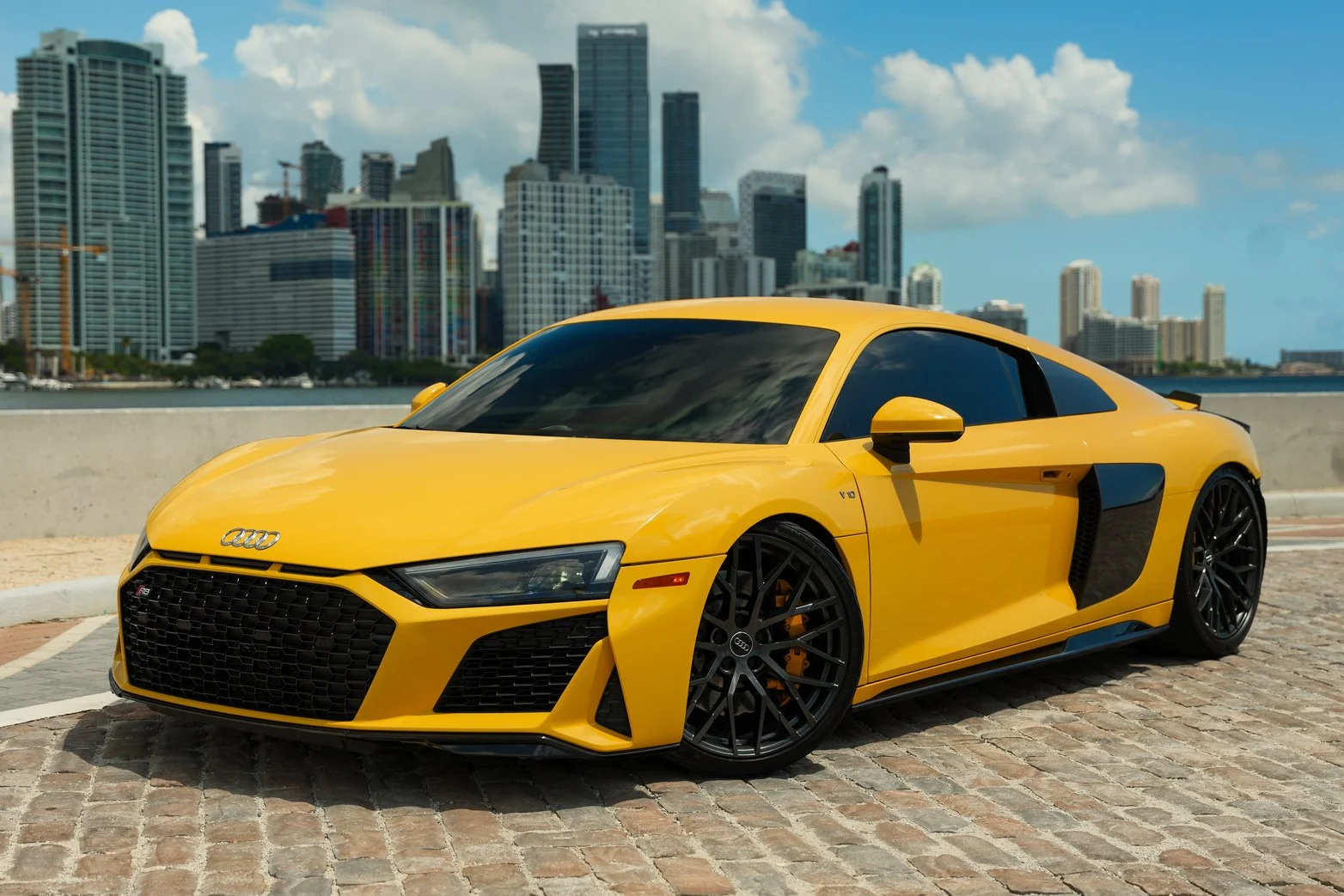
For automotive enthusiasts worldwide, the 2024 retirement of the Audi R8 felt like the end of an era. However, the story may not be over. Rolf Michl, CEO of Audi Sport, has recently sparked excitement by leaving the door open for a potential return of the R8—this time, as a sophisticated hybrid.
More Than Just a Brand Icon: The Business of Speed
While the emotional appeal of the R8 is undeniable, Michl is clear: passion alone won’t bring the supercar back. In an industry grappling with volatile market shifts and tightening emissions regulations, any next-generation R8 must solve a strict business equation. For Audi, a revival is only viable if it proves economically sustainable and profitable, rather than serving merely as a halo car for the brand.
A Legacy Built on Performance
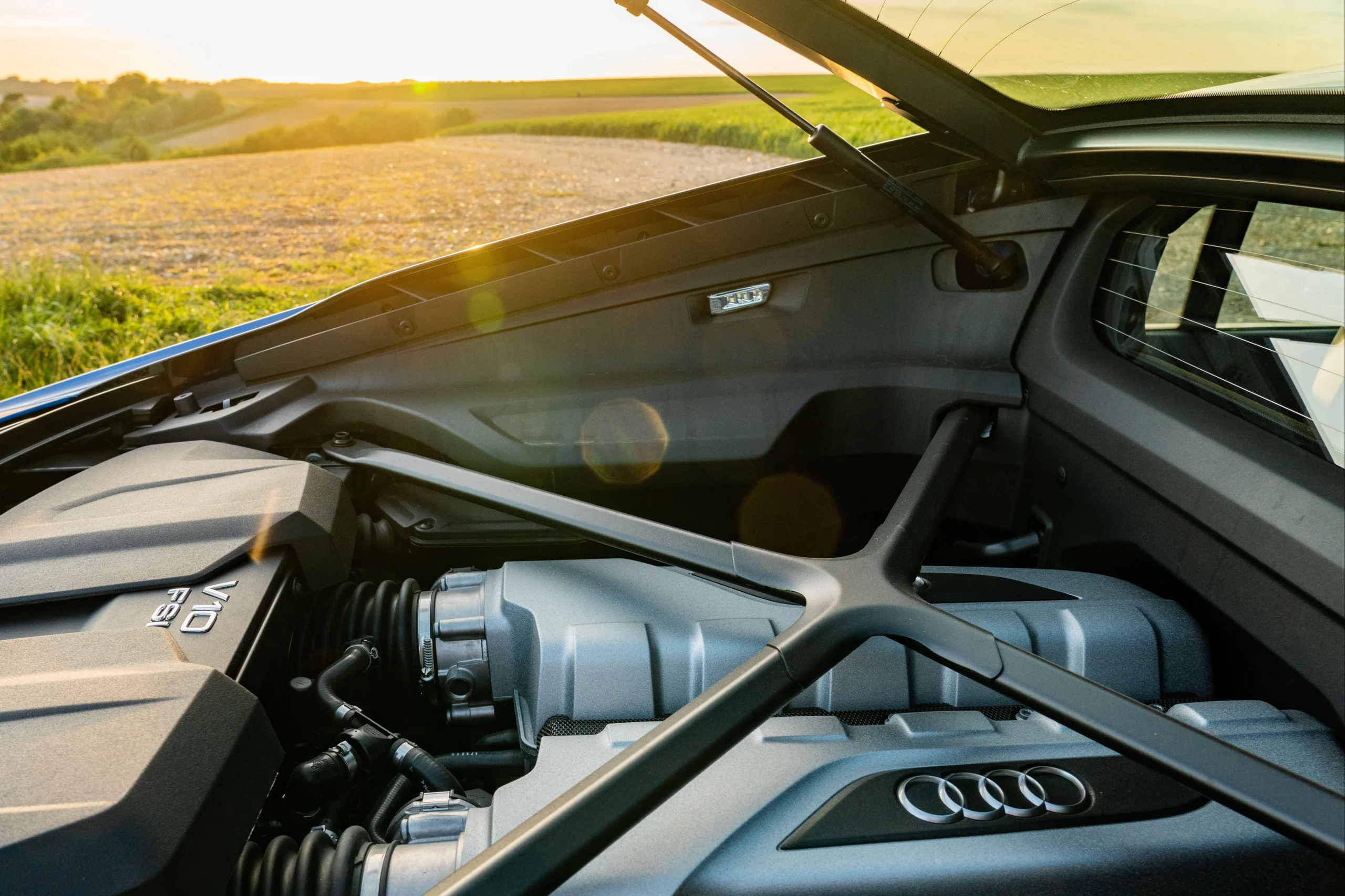
Since its debut in 2006, the Audi R8 evolved from a daring experiment with a 4.2L V8 to a powerhouse featuring a 5.2L V10. Over 18 years and two generations, the R8 did more than just win races; it fundamentally shifted Audi’s image, moving the brand from high-performance wagons into the elite realm of true supercars.
The Lamborghini Connection: The Key to Survival
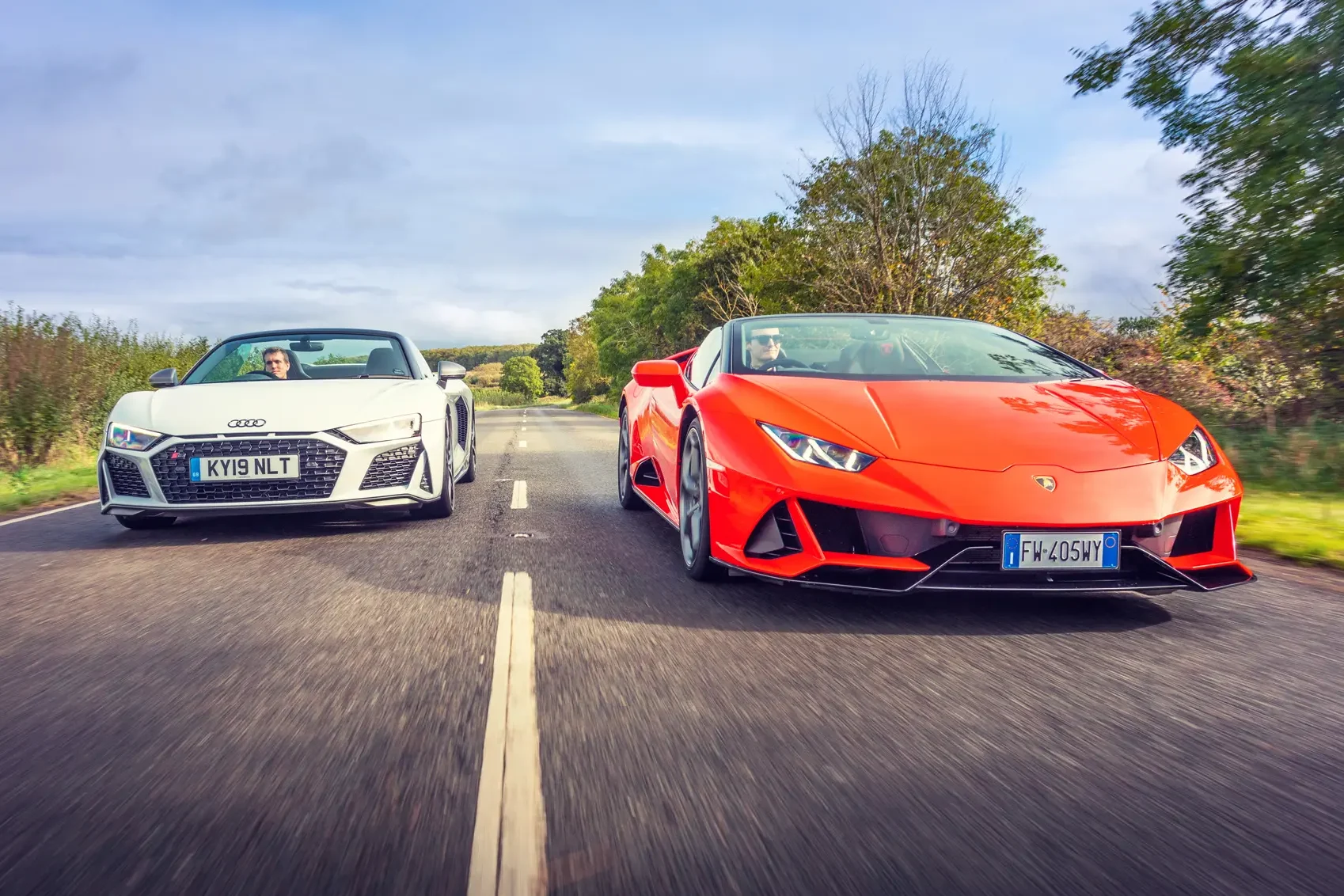
The secret to a successful R8 revival likely lies in the shared DNA within the Volkswagen Group. The second-generation R8 famously shared a technical platform with the Lamborghini Huracán, a strategy that significantly reduced development costs.
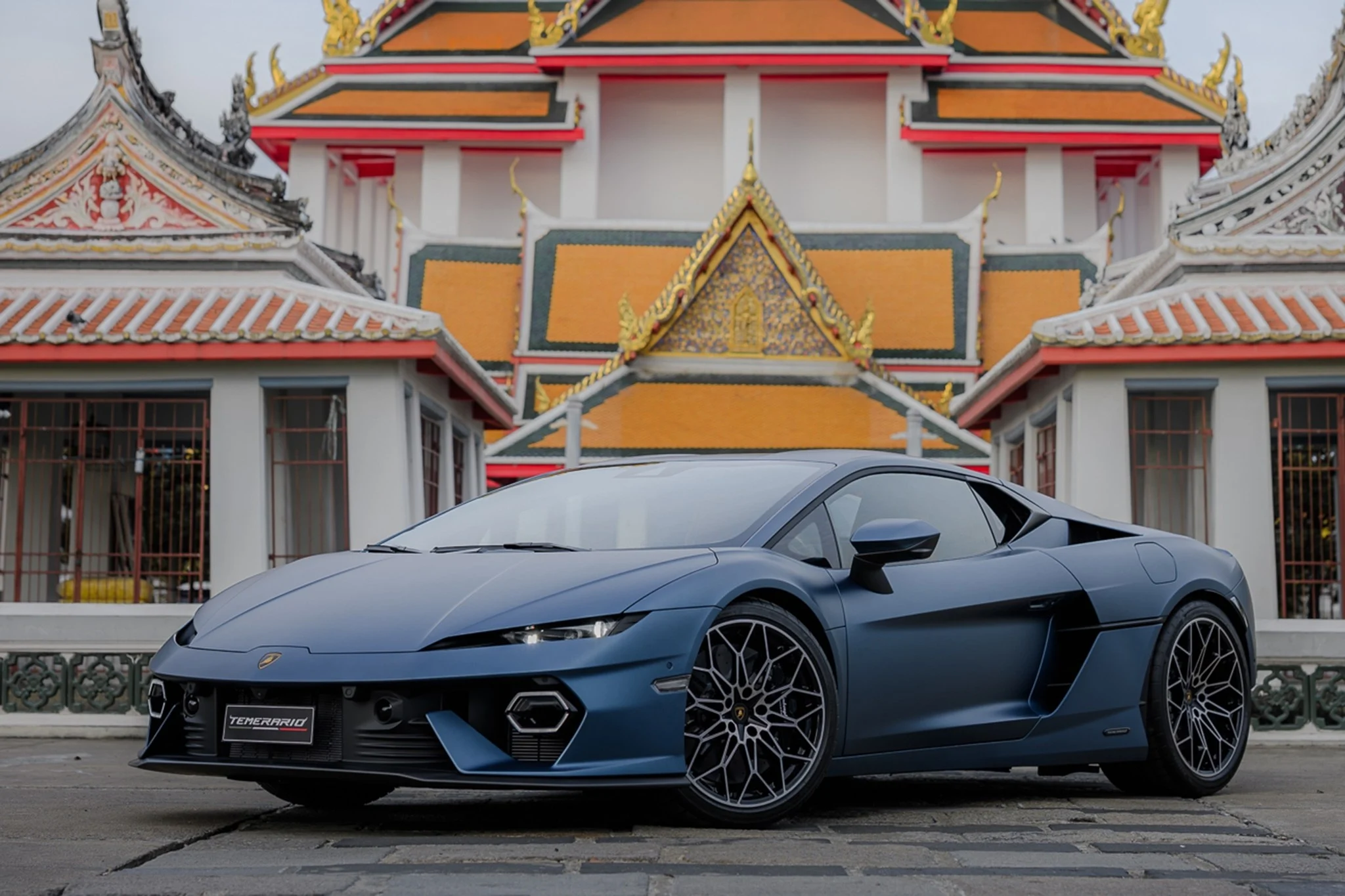
With Lamborghini already pivoting toward a hybrid future—seen in the Revuelto, Temerario, and Urus SE—the blueprint for a new R8 already exists. Industry insiders suggest that the most viable path for a third-generation R8 would be leveraging the architecture of the Lamborghini Temerario. This setup, combining a 4.0L twin-turbo V8 with three electric motors to produce a staggering 920 horsepower, would provide the performance Audi fans crave while meeting modern standards.
Why Hybrid Instead of Full Electric?
While the industry is pushing toward electrification, Michl notes a critical trend: supercar buyers are more receptive to hybrid technology than pure battery power. The primary reason? Emotion.
Hybrid powertrains allow Audi to retain the visceral roar of the internal combustion engine—a non-negotiable for many collectors—while benefiting from the instant torque and efficiency of electric motors. Given the prohibitive costs of developing a low-volume, pure-ICE engine that meets CO2 regulations, hybridization is the only logical path forward.
The Broader Audi Roadmap
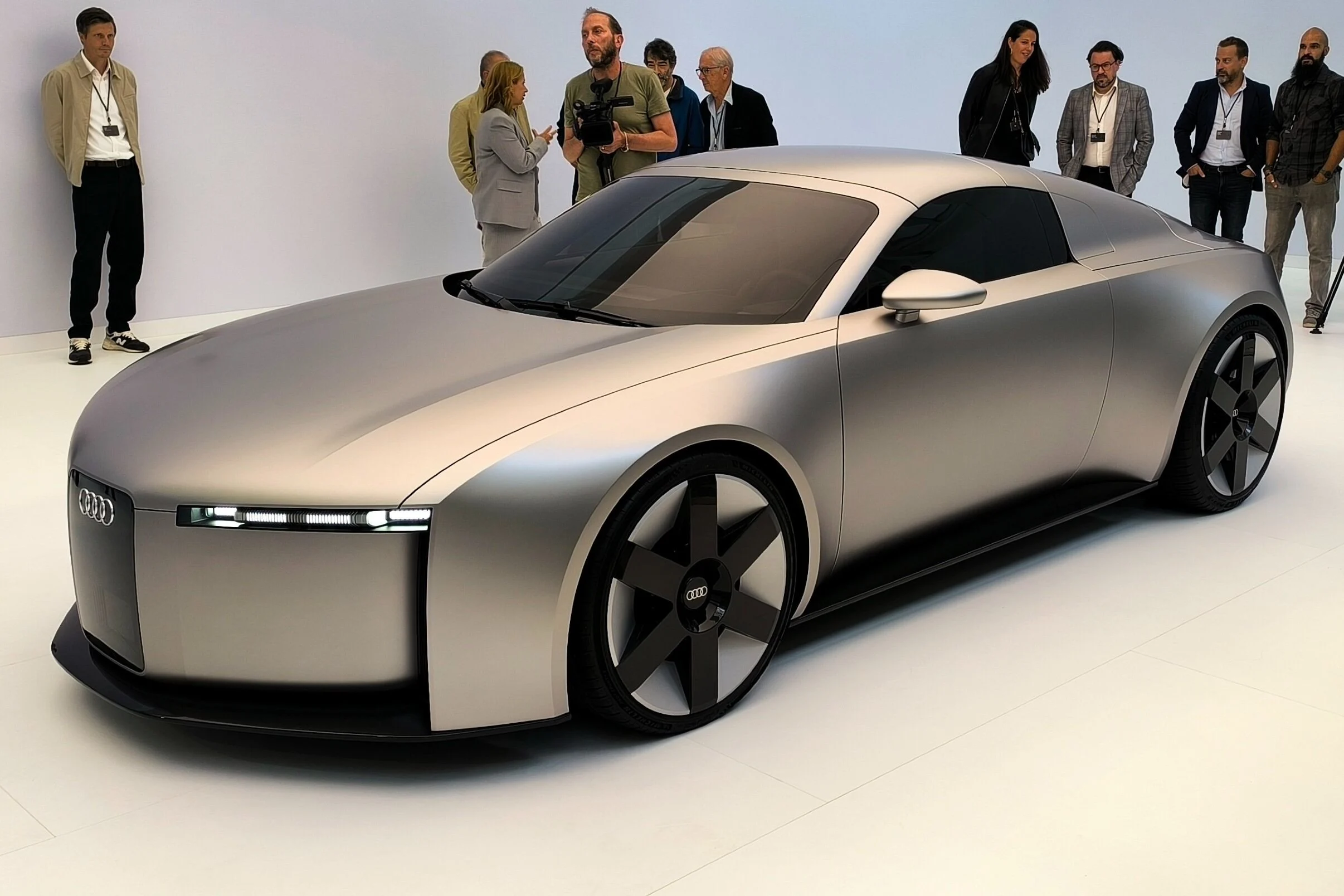
The potential return of the R8 comes at a time when Audi’s sports car lineup is in transition. With the Audi TT now defunct, the brand lacks a dedicated sports car under the RS banner. While Audi has confirmed a commercial electric vehicle based on the Concept C (positioned between the TT and R8), that project is managed by Audi AG, leaving the high-performance mantle of Audi Sport temporarily vacant.
Will we see it by 2027?
Rumors have suggested a possible launch as early as 2027, but Rolf Michl remains cautious, describing such dates as “speculation.” While no official production date has been set, the mere conversation about a hybrid R8 proves that Audi isn’t ready to let its supercar legacy fade into history.