

President Donald Trump explores suspending federal fuel taxes to provide relief at the pump. See how this could impact US gas prices today.
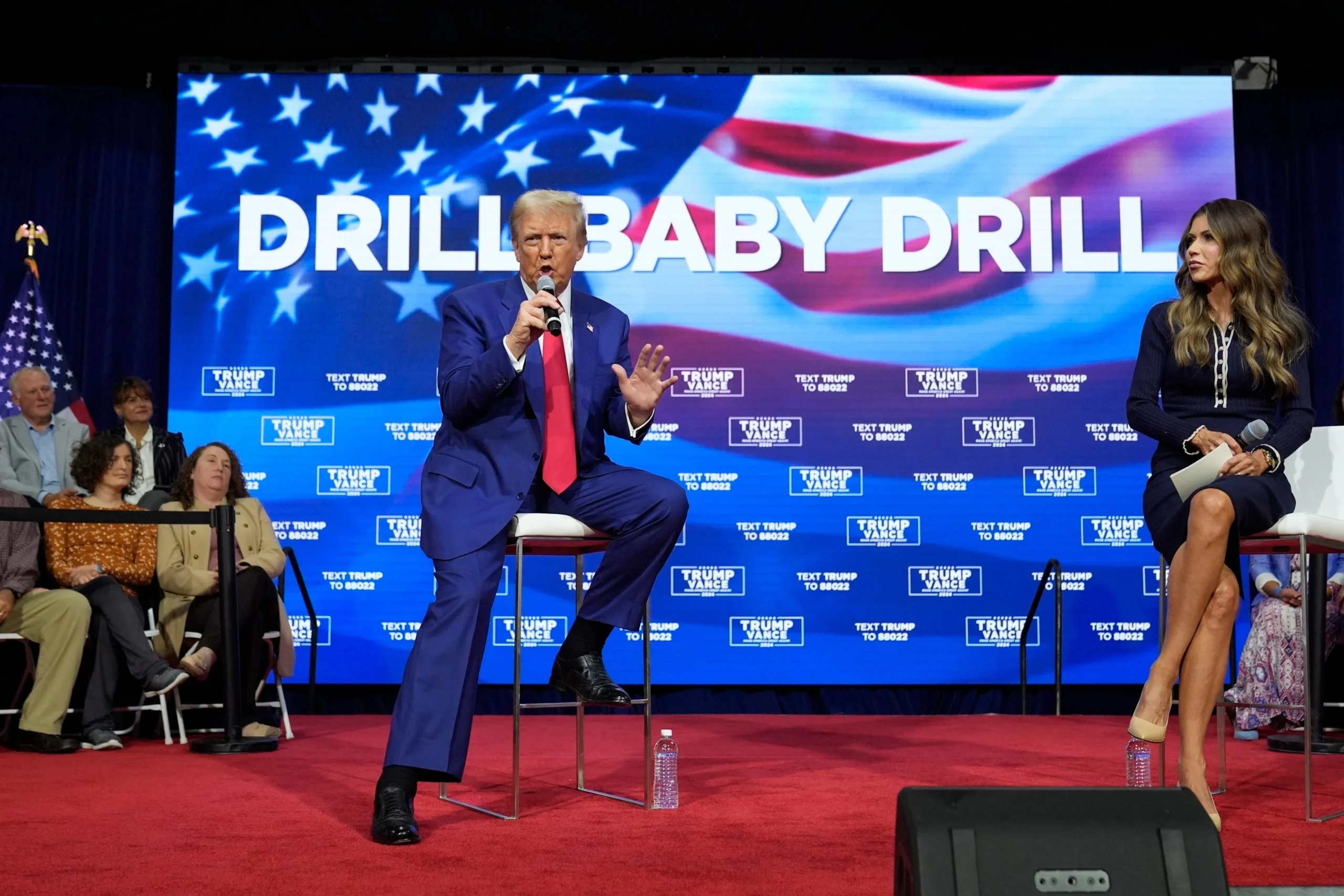
As fuel prices continue to climb, creating a financial burden for millions of American commuters, President Donald Trump has announced that he is considering a temporary suspension of federal fuel taxes. This move is aimed at providing immediate relief at the pump, particularly as geopolitical tensions in the Middle East continue to destabilize global energy markets.
A Temporary Solution for Rising Costs
In a recent interview with CBS News, President Trump clarified that any suspension of the fuel tax would be a short-term measure. According to the President, the taxes would be reinstated once fuel prices stabilize and drop to more manageable levels.
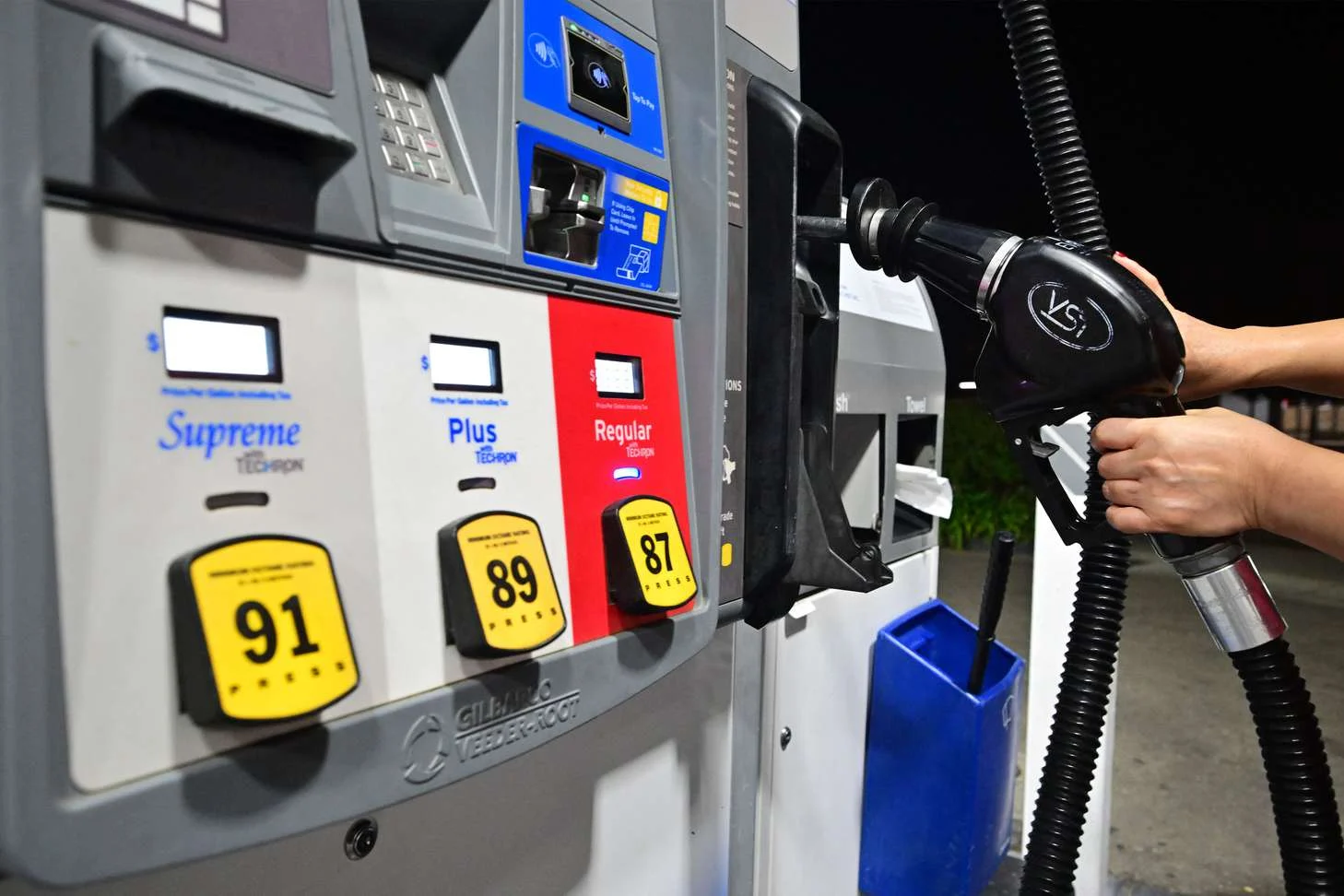
To understand the potential impact, it is important to look at the current federal tax rates. Currently, the federal government levies a tax of 18.3 cents per gallon on gasoline and 24.3 cents per gallon on diesel. While these figures may seem small per unit, they add up significantly for the average consumer and logistics companies.
Projected Price Drops: What Consumers Could Save
Data from AAA suggests that removing these federal taxes could lead to a noticeable dip in prices for drivers across the country. The projected averages are as follows:
- Gasoline: Prices could drop from an average of $4.52 per gallon to approximately $4.33.
- Diesel: Prices could decrease from $5.63 per gallon to around $5.38.
This proposal aligns with the goals of Energy Secretary Chris Wright, who stated that the administration is exploring every possible avenue to lower costs. “All measures that can help reduce prices at the pump and lower costs for the American people have the full support of this administration,” Wright emphasized.

The Legal Hurdle: Congressional Approval
Despite the President’s intentions, suspending the federal excise tax is not a decision he can make unilaterally. Such a move requires the approval and ratification of the U.S. Congress. This legislative path is not entirely new, as some Senators previously introduced a bill in March 2026 specifically designed to pause these taxes.
State-Level Initiatives
While the federal government deliberates, several states have already taken proactive steps to shield their citizens from high energy costs:
- Indiana: Governor Mike Braun recently extended a 36-cent gas tax suspension for an additional 30 days.
- Georgia: Governor Brian Kemp suspended the state’s 33-cent gas tax for a 60-day period starting March 10th.
The Economic Trade-off: Infrastructure Funding
While lower prices are a win for consumers, the suspension of fuel taxes presents a significant budgetary challenge. The Highway Trust Fund, which relies heavily on fuel and transportation taxes, is the primary funding source for the nation’s roads, bridges, and public transit projects.
According to the U.S. Department of Transportation, the fund collected approximately $4 billion in March 2026 alone. Critics of the tax suspension argue that sacrificing this revenue could lead to deteriorating infrastructure and delayed critical transportation upgrades, creating a long-term cost that may outweigh the short-term savings at the pump.