
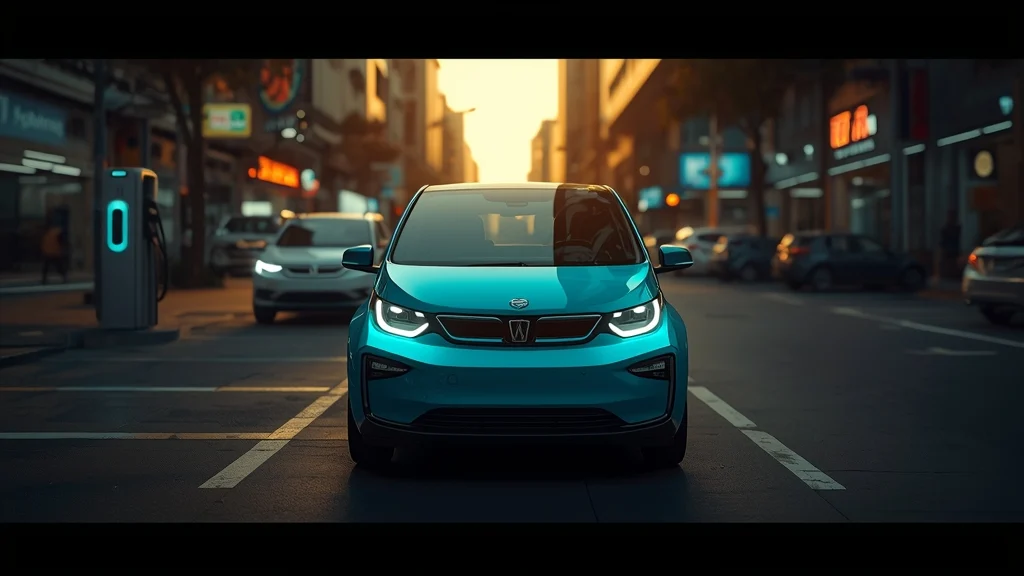
Affordable gas cars in Vietnam are losing their edge to a new wave of budget EVs. See how the A-segment is fighting to survive. Read more!
For years, the A-segment—the smallest and most affordable class of gasoline cars—was the gateway to vehicle ownership in Vietnam. Models like the Hyundai Grand i10, Toyota Wigo, and Kia Morning were the go-to choices for first-time buyers and ride-hailing drivers. However, the tide is turning, and the pressure from electrification is hitting these budget stalwarts hard.
A Market in Decline: The Struggle of the ‘Big Three’
Since the exit of the VinFast Fadil, the budget gas car landscape has shrunk significantly. Recent data reveals a worrying trend for the remaining players. Last year, the group sold a total of only 6,052 units, with the Hyundai Grand i10 leading the pack with 3,358 sales.
The situation is even more dire for other models:
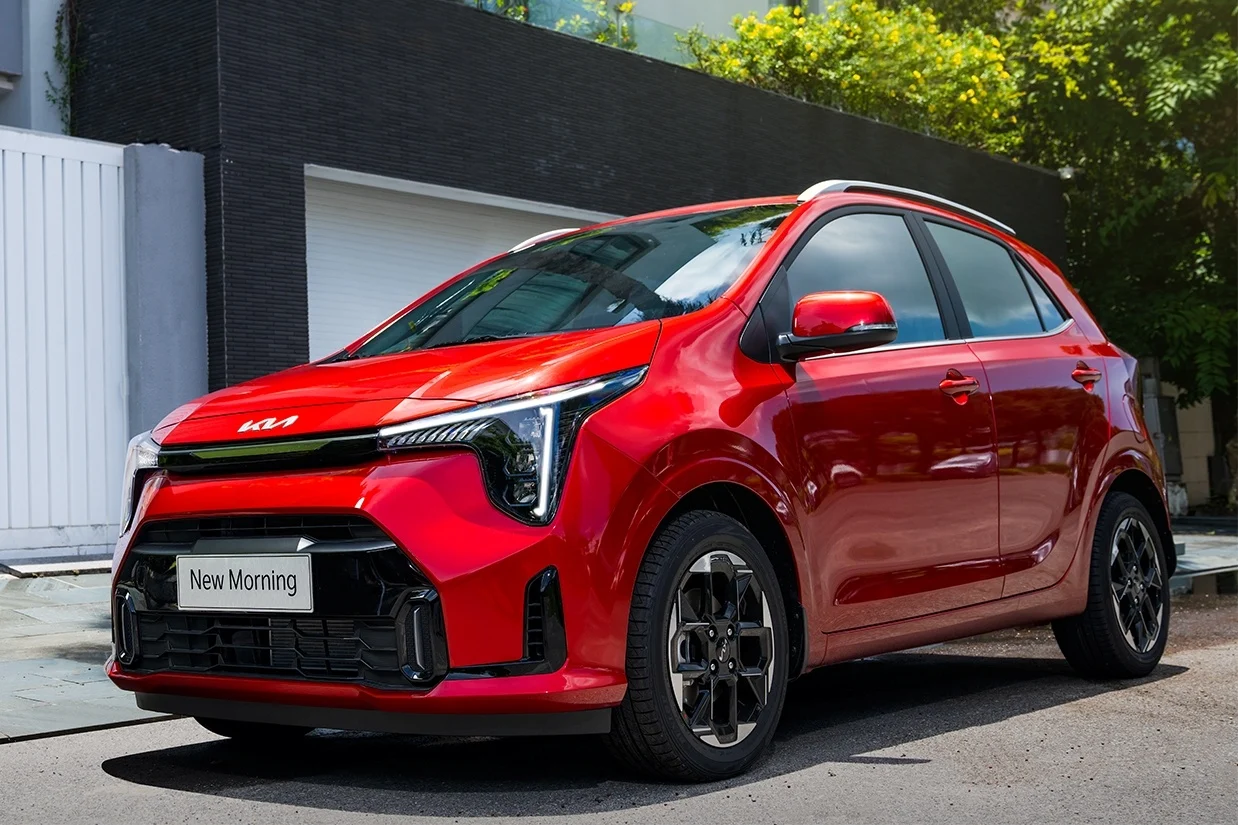
- Kia Morning: After a dismal year with only 299 units sold, the Morning has nearly vanished from detailed sales reports. Kia has now grouped it into a generic “Other” category along with the Soluto, K3, and K5, reporting a combined 536 units over three months.
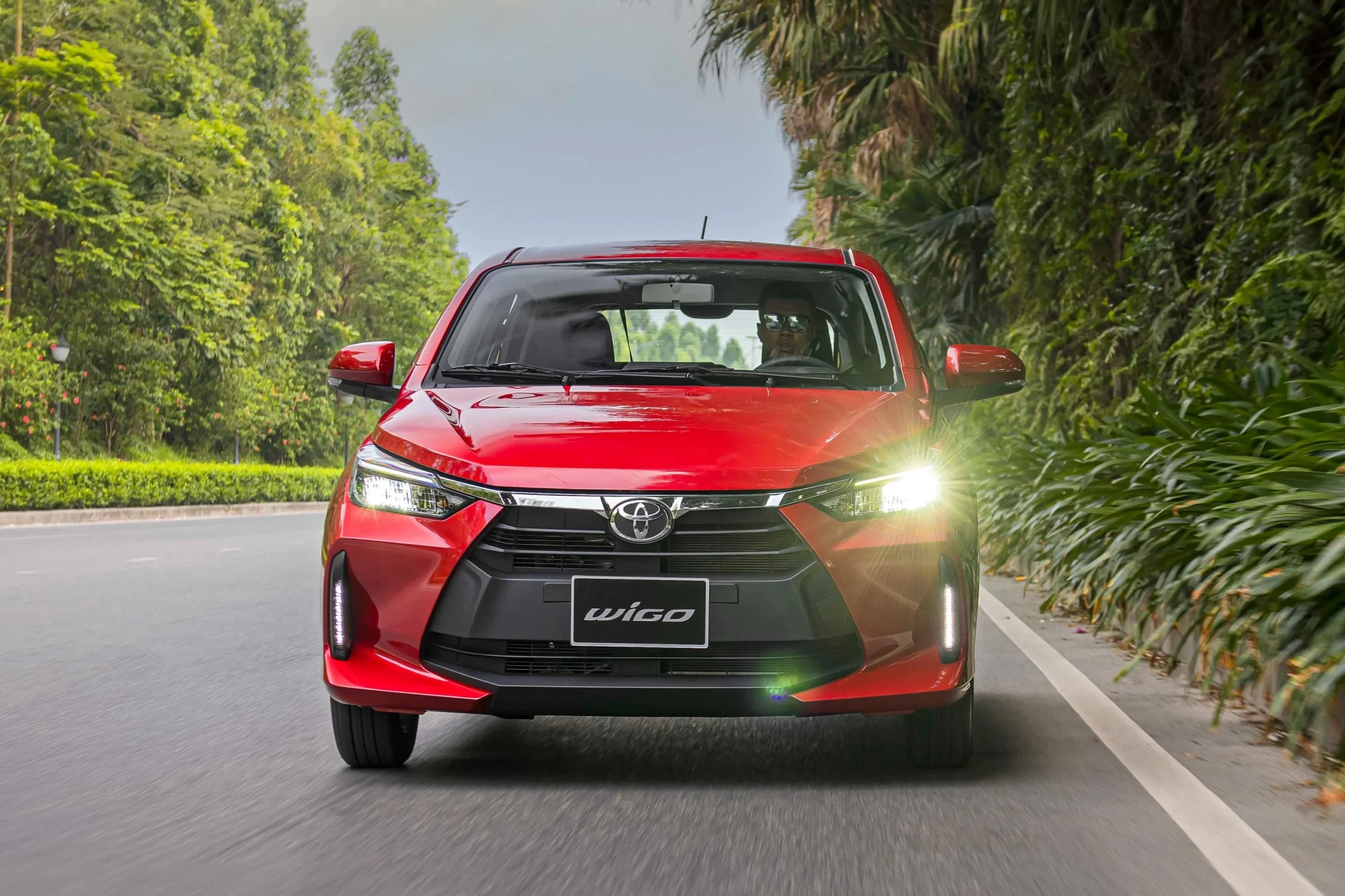
- Toyota Wigo: Despite selling 200 units in the first quarter of the year, the Wigo is facing a steep downward trend.
- Hyundai Grand i10: While it remains the top seller in its class with 792 units in Q1, its growth has plateaued, showing a slight dip compared to the same period last year.
The EV Disruption: Pricing Out the Petrol Engine
The primary catalyst for this decline is the aggressive entry of affordable electric vehicles (EVs) into the urban market. The “budget” advantage that once protected A-segment gas cars has been completely eroded by a new wave of electric city cars that offer more modern features at lower or comparable price points.
The New Competition:
- VinFast VF 3: Priced between 302 and 315 million VND, it has captured the imagination of urban commuters.
- Wuling Macaron: This compact EV enters the market with a competitive price range of 269 to 329 million VND.
- Bestune Xiaoma: A newcomer shaking up the bottom of the market with a stunning price tag of just 199 million VND.
Operational Hurdles and Supply Chain Woes
It isn’t just the EV surge causing the slump; internal and external logistics are also playing a role. Toyota Wigo, for instance, is currently battling severe supply shortages. Reports indicate that registration paperwork issues have delayed the delivery of vehicles to dealerships.

As a result, many Toyota dealerships have stopped accepting deposits, leaving customers in limbo until at least late June or early July. This supply gap is creating a vacuum that competitors—especially EV brands—are more than happy to fill.
Can Discounts Save the A-Segment?
To stem the bleeding, manufacturers have turned to heavy promotions. In May, Hyundai offered discounts of up to 51 million VND for the Grand i10, while Kia provided a modest 3 million VND incentive for the Morning.
However, these price cuts may be too little, too late. With the urban market shifting toward sustainability and the sheer appeal of lower operating costs associated with EVs, the traditional budget gas car is finding it harder than ever to justify its existence in the eyes of the Vietnamese consumer.
Conclusion
The struggle of the Grand i10, Wigo, and Morning is a microcosm of a larger global shift. As infrastructure improves and affordable EV options proliferate, the “cheap gas car” may soon become a relic of the past in Vietnam’s rapidly evolving automotive landscape.