
VinFast makes a surprise entry into India’s top 4 EV brands in Q1 2026. See how the Vietnamese automaker is disrupting the market. Read more!
The Indian electric vehicle (EV) landscape is witnessing a dramatic shift. According to the latest data from team-BHP, the first quarter of 2026 has seen a surprising new contender climb the ranks: Vietnam’s own VinFast.
A Rapid Ascent for VinFast
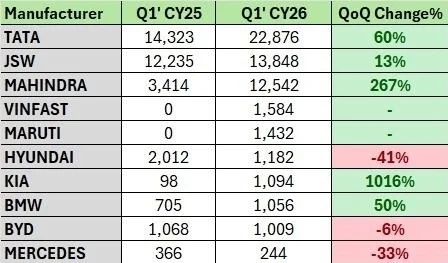
Despite being a relatively new entrant in the Indian market, VinFast has managed to secure a spot among the top four best-selling EV brands in the country for Q1 2026. The automaker delivered a total of 1,584 units during the quarter, making it the highest-performing foreign brand in the region, trailing only the JSW MG joint venture.
VinFast’s growth trajectory is particularly impressive when viewed month-over-month. After selling 419 units in February, the brand saw a massive surge to 719 units in March—a staggering 72% jump in deliveries. This momentum is being fueled by an expanding portfolio, with the VF 6, VF 7, and the recently introduced MPV 7 providing more options for Indian consumers.
The Domestic Titans Still Dominate
While VinFast is making waves, the Indian market remains heavily dominated by domestic giants who hold a deep understanding of local consumer preferences.
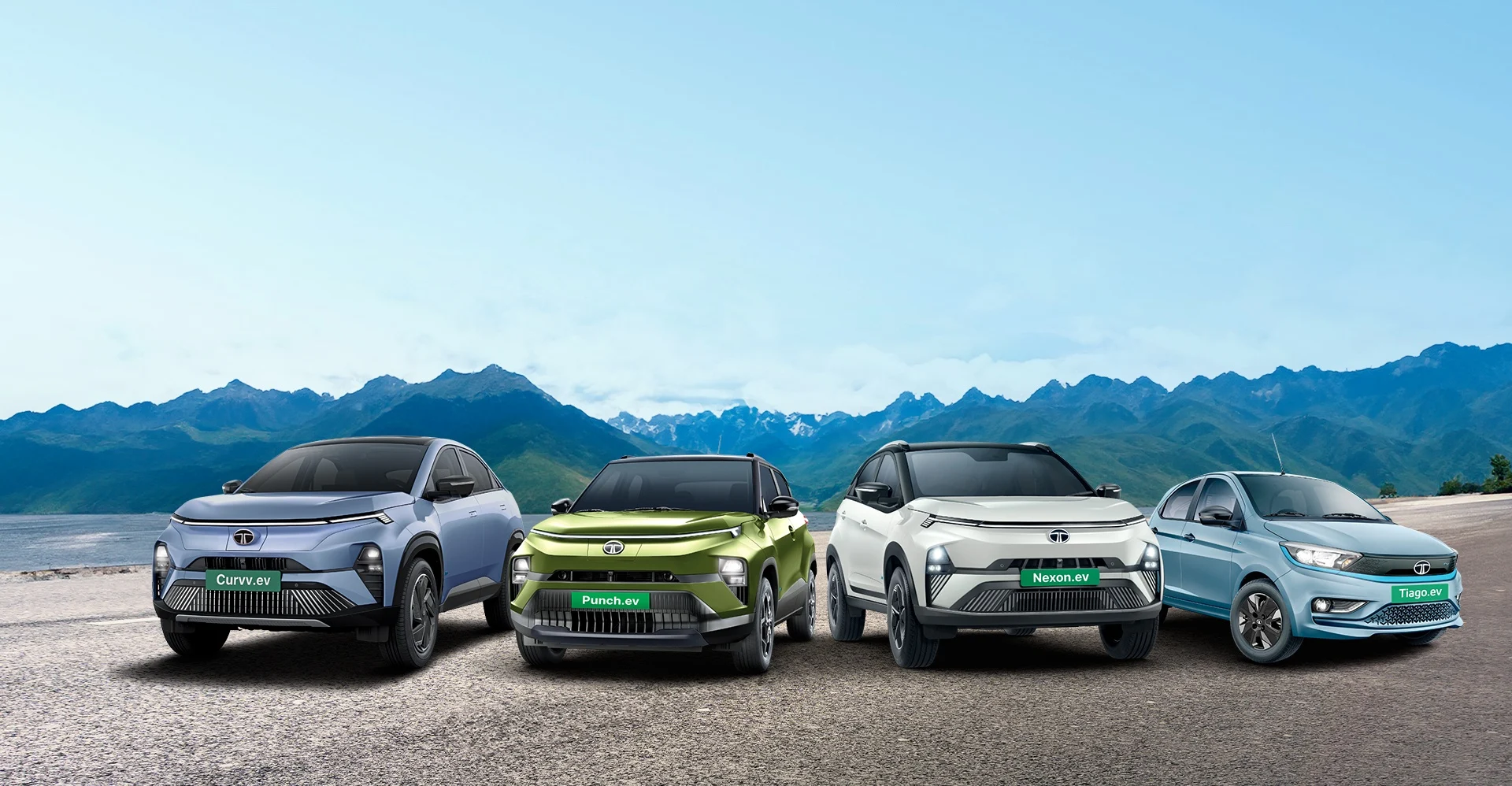
- Tata Motors: Continues to lead the pack by a wide margin, recording 22,876 units sold in Q1.
- JSW MG: The joint venture secured the second spot with 13,848 units, representing a 13% increase compared to the same period in 2025.
- Mahindra: Known for its robust SUVs often built on successful Japanese platforms (such as the Mahindra Thar, which shares a striking resemblance to the Suzuki Jimny), Mahindra sold 12,542 units. This marks an explosive growth of 267% year-over-year.
Korean Giants Face a Wake-Up Call
In a surprising turn of events, established Korean powerhouses Hyundai and Kia have slipped to 6th and 7th place, respectively. Hyundai sold 1,182 units, while Kia followed closely with 1,094 units.
The decline for Hyundai is particularly alarming, with sales plummeting by 41% compared to Q1 2025. Industry analysts and users on Indian automotive forums suggest that this downturn is a result of supply chain issues and fierce competition from emerging brands. The consensus is clear: Hyundai must urgently introduce a fresh, dedicated lineup of pure electric vehicles to reclaim its footing before losing its remaining grip on the market.
The “Narrow Window” for Chinese Automakers
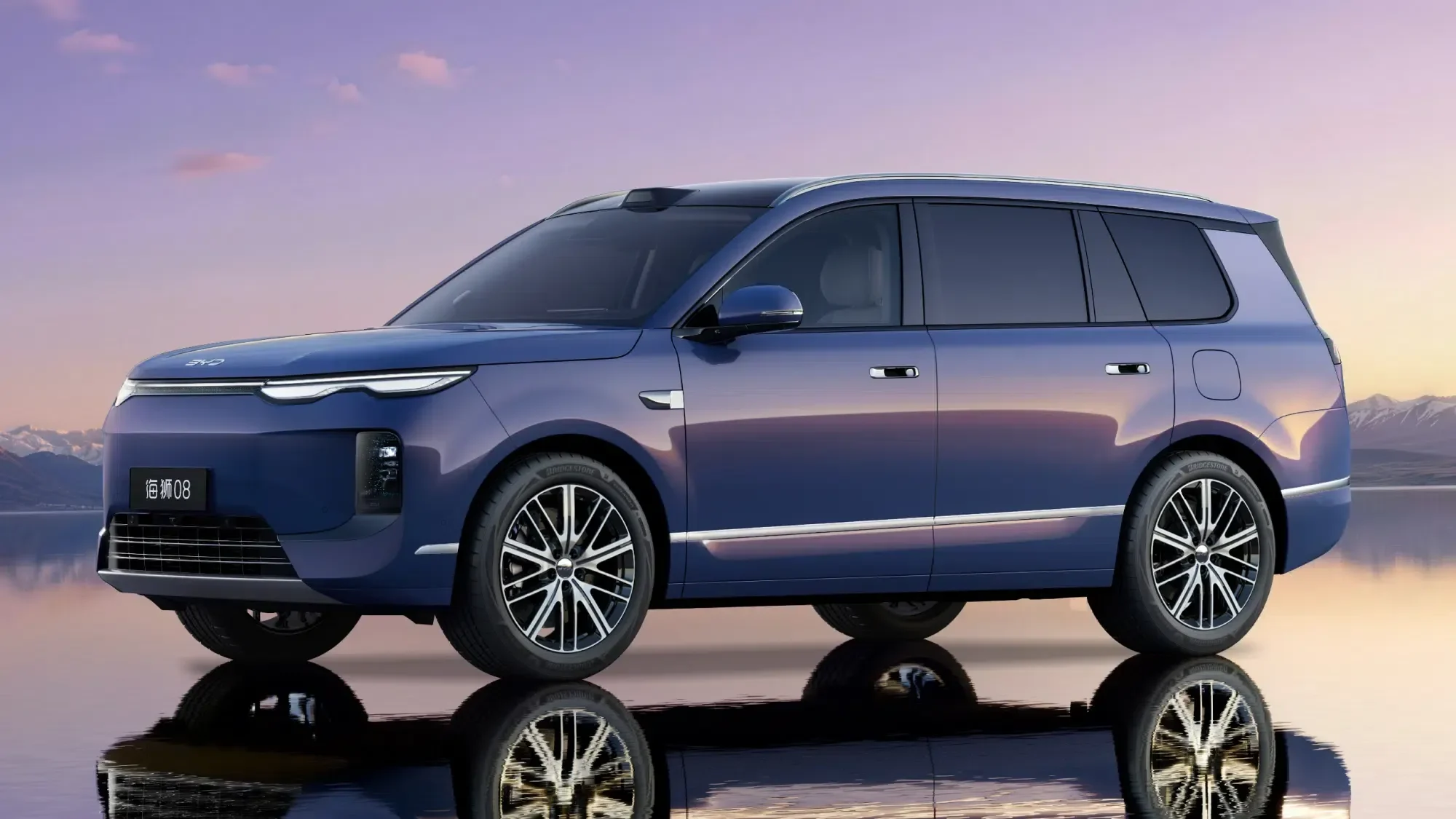
The Indian EV market presents a stark contrast to other Southeast Asian or European markets, especially regarding Chinese brands. Aside from BYD, Chinese automakers are struggling to find a foothold in the world’s third-largest auto market.
The struggle is more political than product-based. While the Indian government has shown openness toward Tesla—even reducing import taxes to 15% to entice the US giant—it has remained hesitant toward Chinese investments. This was evident in the rejection of BYD’s proposed billion-dollar investment for a local EV and battery plant.
For Chinese brands, India remains a “narrow window” of opportunity. Unless there is a significant shift in policy or a breakthrough in diplomatic relations, overcoming these barriers will be the biggest challenge for Chinese EVs looking to expand globally.