
BYD seeks to accelerate EU growth by acquiring underperforming factories. Discover how the EV giant plans to dominate the European market.
The global electric vehicle (EV) landscape is shifting rapidly as China’s industry leader, BYD, looks to solidify its footprint in Europe. Rather than spending years on ground-up construction, the automotive giant is pursuing a more aggressive strategy: taking over existing, underperforming manufacturing plants across the region.
A Strategic Shortcut to European Market Dominance
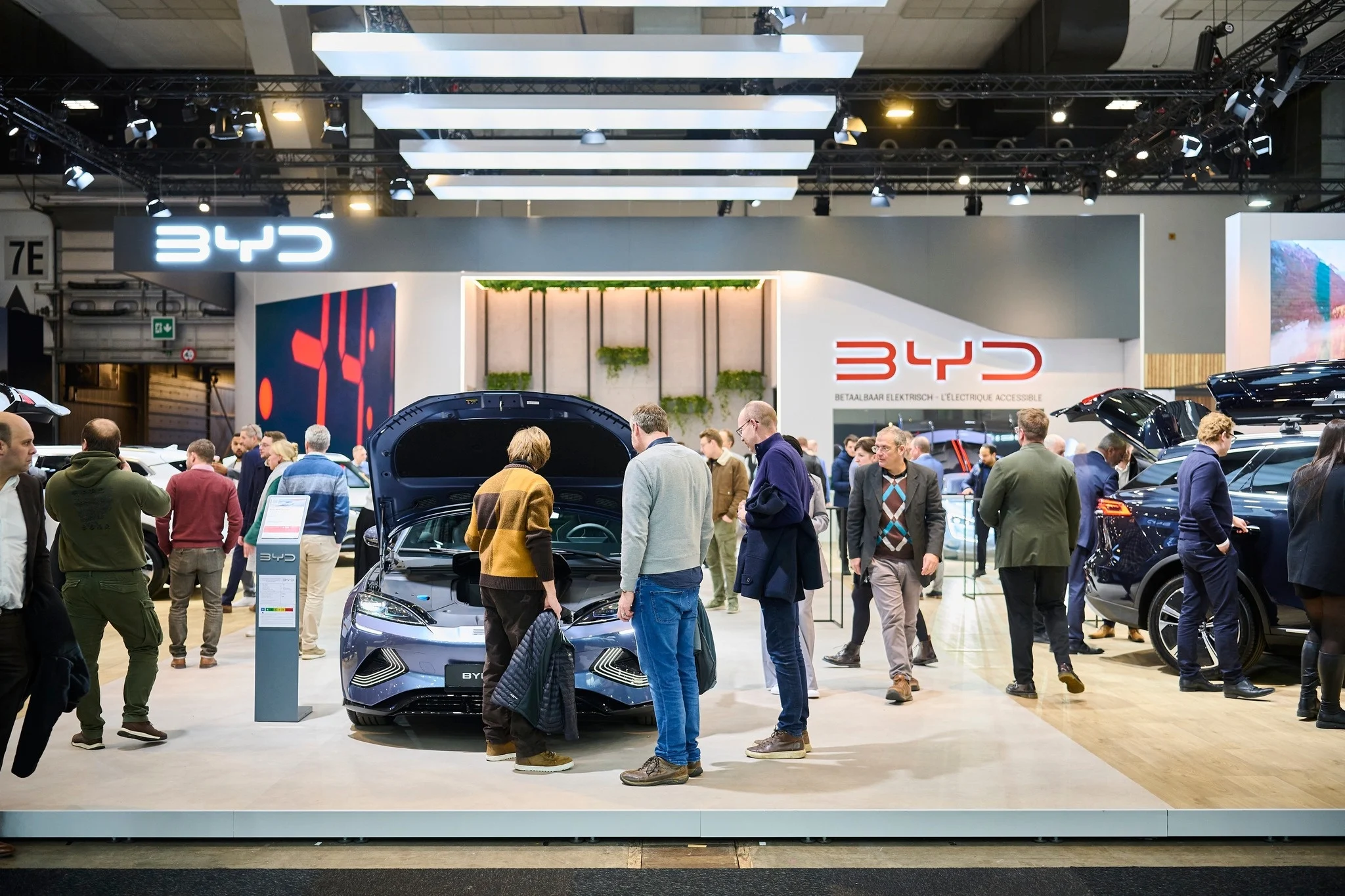
According to reports from Bloomberg, BYD is currently in negotiations with Stellantis and several other European automakers to acquire facilities that are no longer operating at peak efficiency. This move is designed to bypass the bureaucratic and time-consuming hurdles of building new factories from scratch.
Stella Li, Executive Vice President of BYD, highlighted that leveraging existing infrastructure is the fastest way to scale the brand’s presence in Europe. By repurposing established sites, BYD can accelerate its delivery timelines and respond more quickly to the growing demand for affordable electric mobility in the region.
Independence Over Joint Ventures
While many foreign automakers enter new markets through partnerships, BYD is taking a different approach. During the Future of the Car conference hosted by the Financial Times in London, Stella Li emphasized that BYD prefers independent operation over joint ventures.
Why BYD is Avoiding Joint Ventures:
- Decision-Making Speed: Li noted that joint ventures often lead to friction, stating, “It is very difficult to cooperate and having to ask for a partner’s permission for every decision.”
- Operational Control: BYD wants full autonomy over its manufacturing processes to maintain its signature efficiency and speed.
- Selective Collaboration: While the company is open to partnering with other brands for battery supply or specialized components, it insists on maintaining sole control over the final vehicle production.
The Broader Industry Context
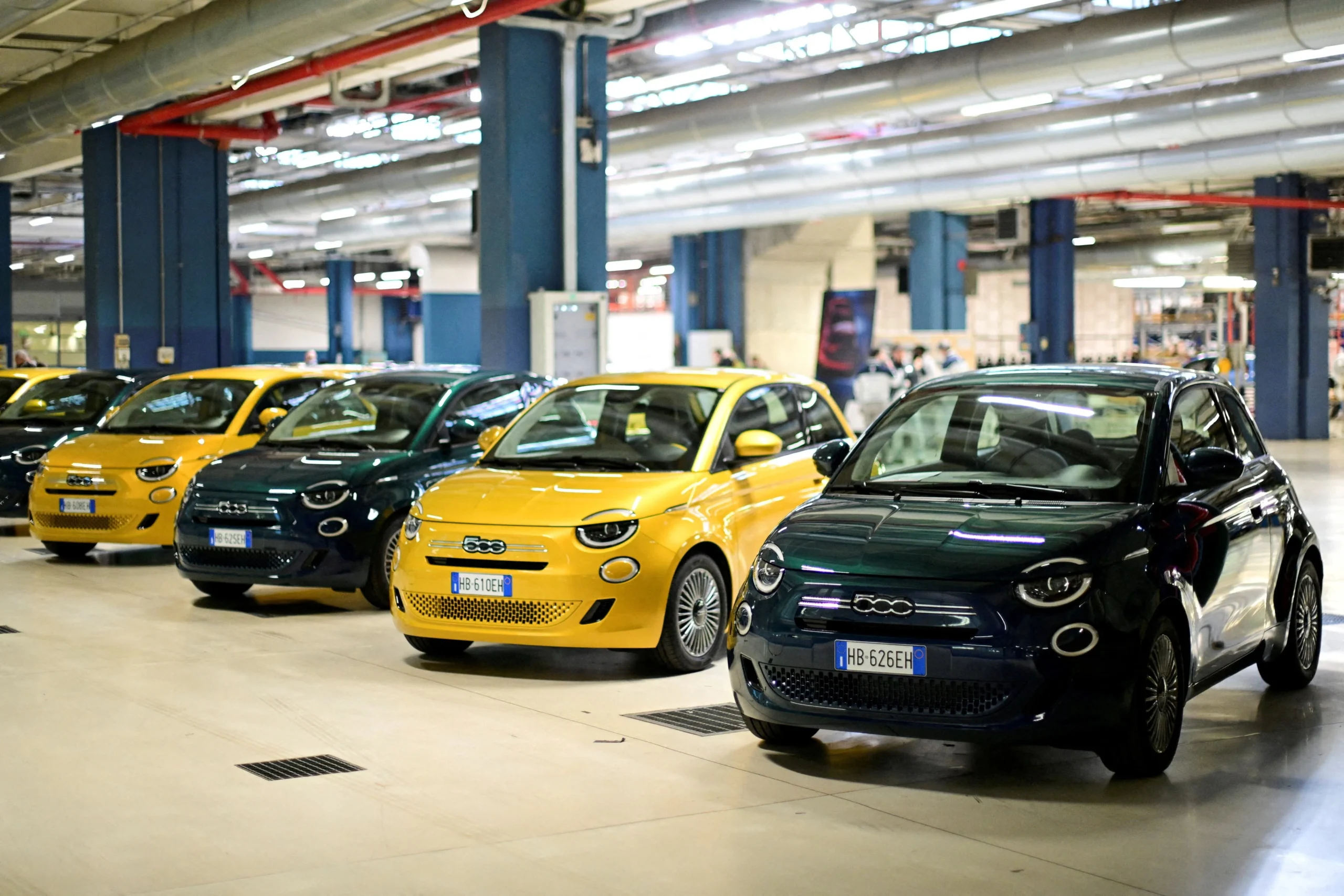
This strategic push comes at a pivotal moment for the automotive industry. Interestingly, BYD’s preference for independence contrasts with other trends; for instance, Stellantis recently announced a joint production plan with Leapmotor in Europe, signaling a divide in how Chinese EV makers are approaching the Western market.
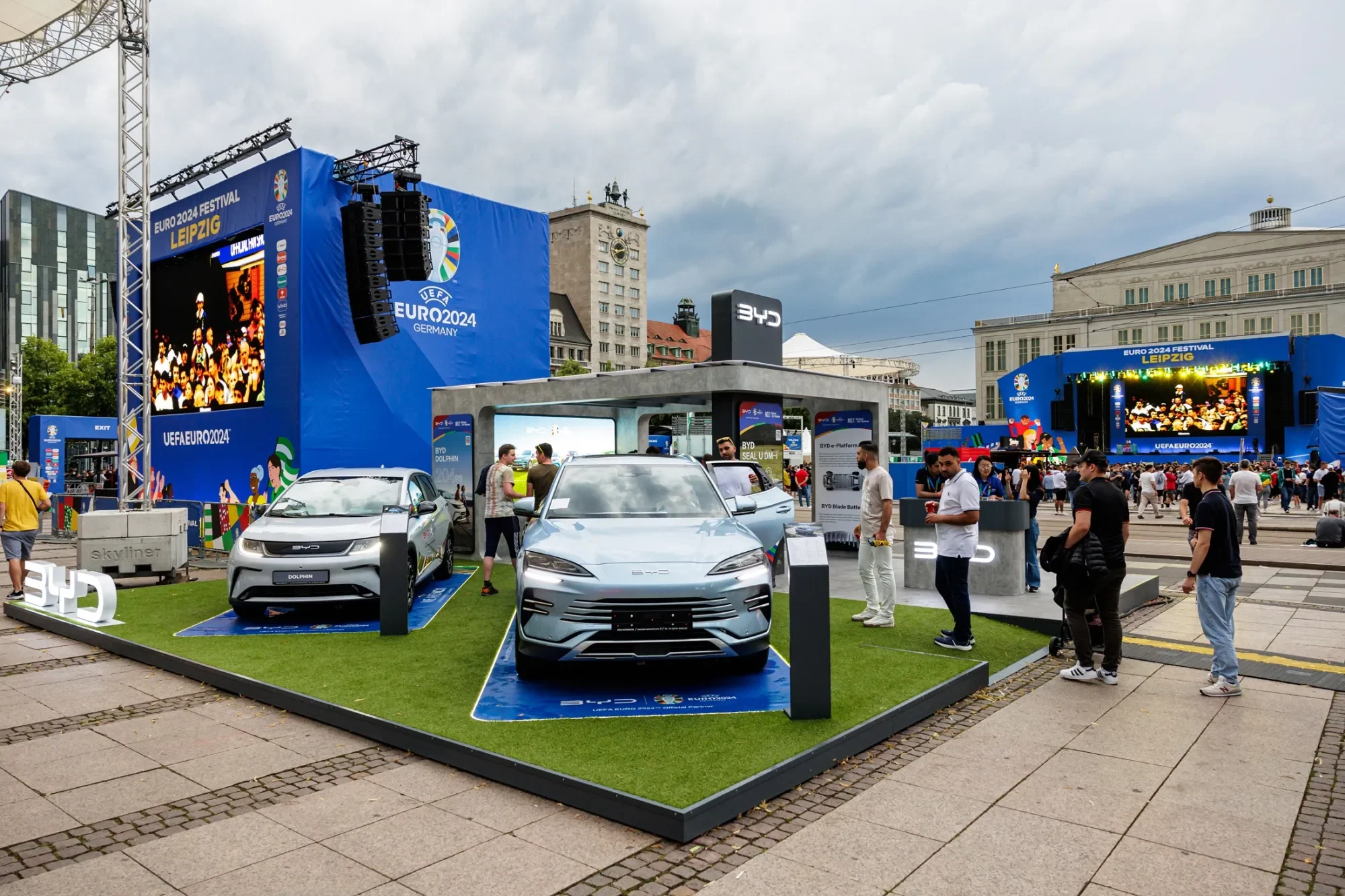
As the world’s largest EV manufacturer, BYD is perfectly positioned to capitalize on current global trends. Rising fuel prices, driven by geopolitical tensions in the Middle East, have reignited consumer interest in electric alternatives. Furthermore, with fierce price wars currently saturating the domestic Chinese market, expanding into Europe provides a critical vent for growth and increased profitability.
Market Reactions
When approached for comment, Stellantis declined to confirm the rumors, stating that they do not respond to speculation and that engaging in discussions with various industry partners is a standard part of their business operations. BYD has yet to issue an official statement regarding the specific details of the negotiations.
If successful, BYD’s acquisition strategy could fundamentally reshape the European automotive landscape, turning dormant factories into hubs for the next generation of electric mobility.