
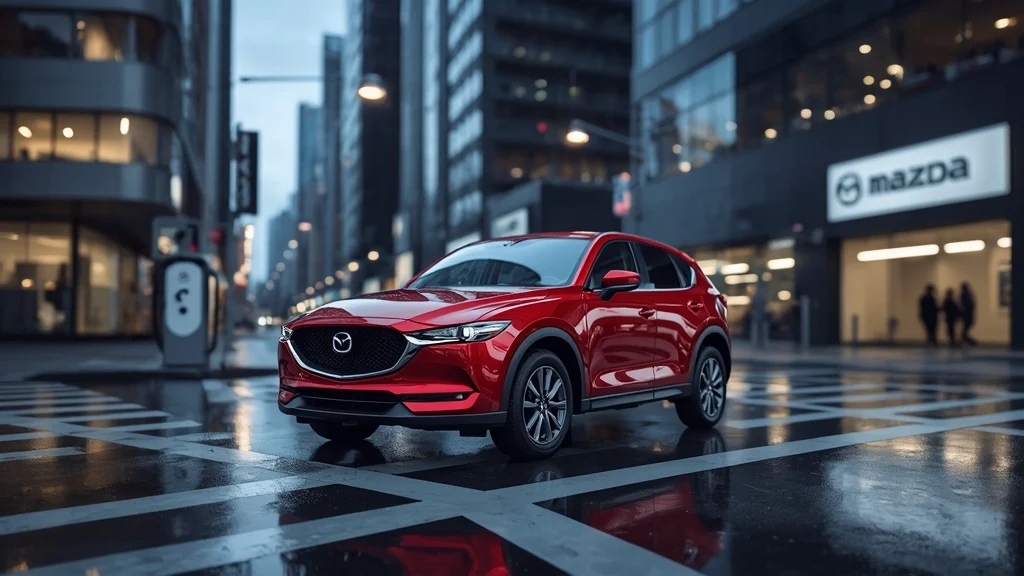
Mazda pivots its strategy, cutting EV spending to prioritize hybrids and partnerships. See how the brand is adapting to the US market. Read more!
In a significant strategic shift, Mazda has announced a substantial reduction in its electrification budget, reflecting a broader industry trend as electric vehicle (EV) demand cools, particularly in the United States. The Japanese automaker is moving away from a “do-it-all” approach toward a more flexible, partnership-driven strategy to optimize costs and protect profit margins.
Scaling Back the EV Ambition
Mazda has revealed a 20% cut in its electrification investment budget, bringing the total down to 1.2 trillion Yen (approximately $7.6 billion) through 2030. This decision comes as the company faces a stagnant EV market in the US, one of its most critical regions.
The company is also recalibrating its long-term goals. Mazda has lowered its target for EV share of total global sales by 2030 from an initial 25% down to 15%. Furthermore, the launch of the brand’s first fully in-house developed EV—originally slated for 2027—has been pushed back to 2029 or later.
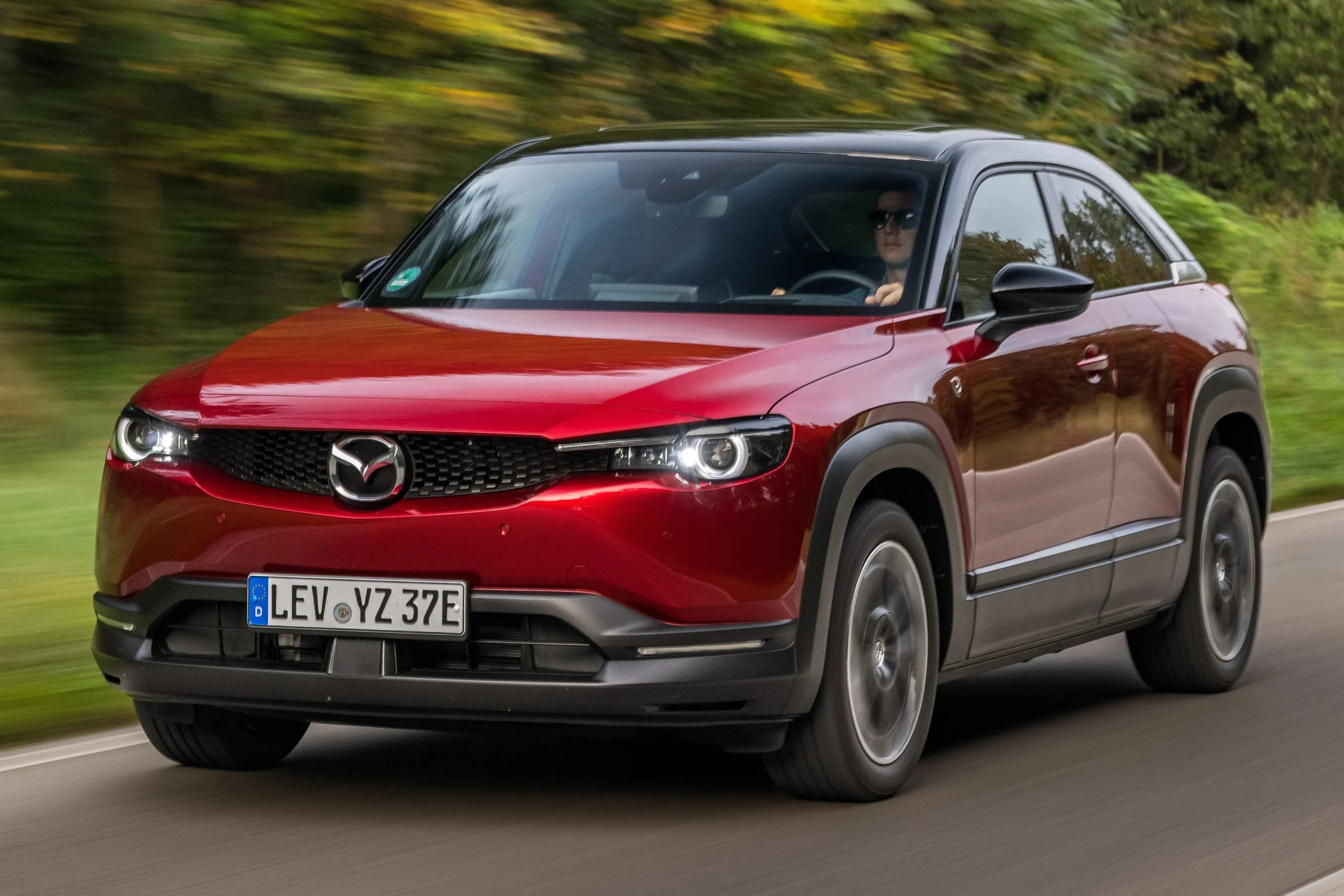
The urgency for this pivot is highlighted by recent sales data: in 2025, Mazda sold only 14,526 electric vehicles, accounting for a mere 1.2% of its total global sales. This underscores that EVs are not yet a primary growth driver for the brand.
The Impact of US Policy and Market Shifts
A primary driver behind the weakening EV demand in North America is the shifting political and regulatory landscape. The administration of President Donald Trump removed key tax incentives for EV buyers, while proposals to loosen average fuel economy standards in late 2025 have further diminished the immediate pressure to transition to fully electric fleets.
A Strategic Pivot to Hybrids and Partnerships
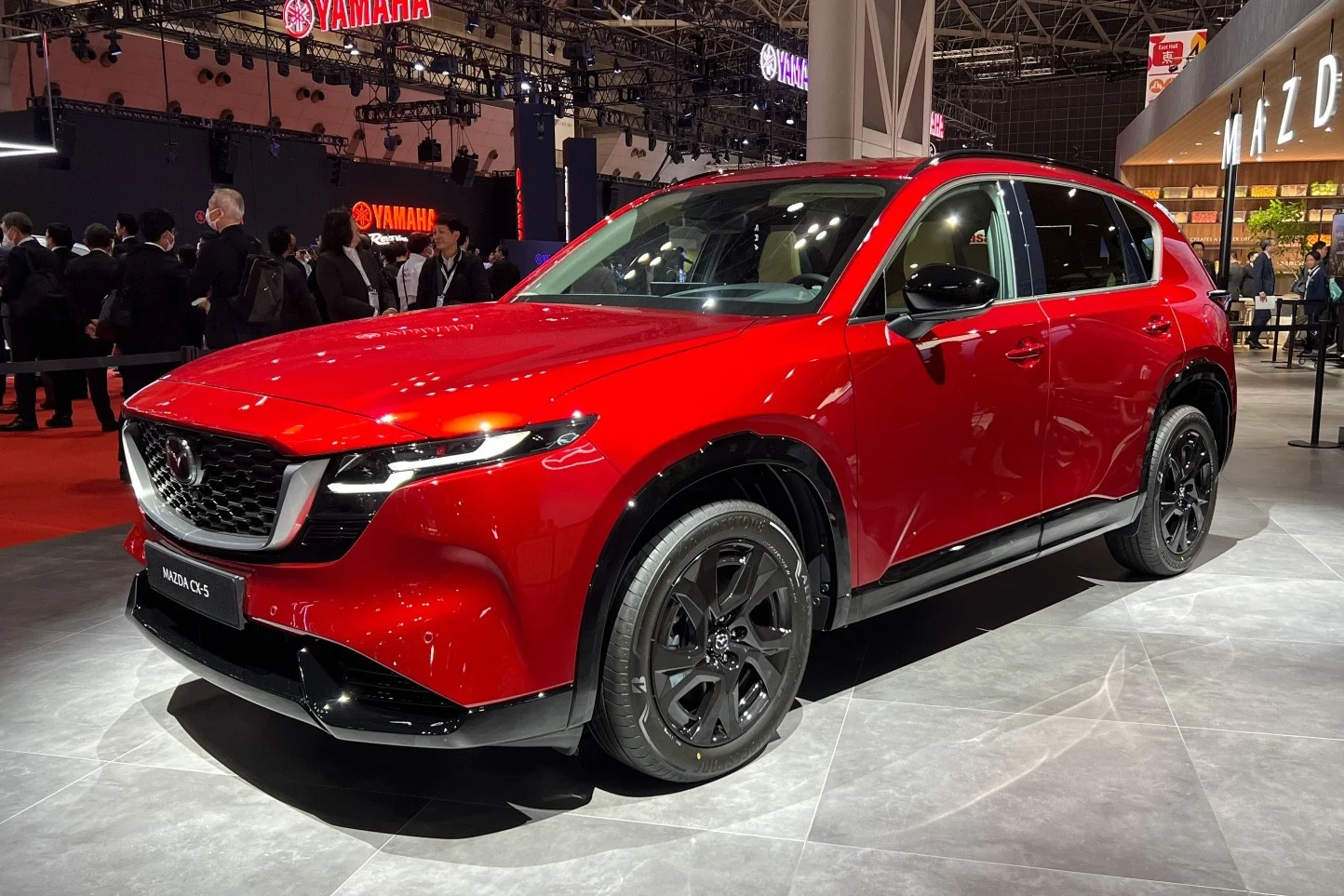
Rather than abandoning electrification entirely, Mazda is doubling down on hybrid technology, which it expects to perform strongly in North America and other global markets. The company plans to expand its hybrid portfolio from one model to four by 2027, including a highly anticipated hybrid version of the popular CX-5.
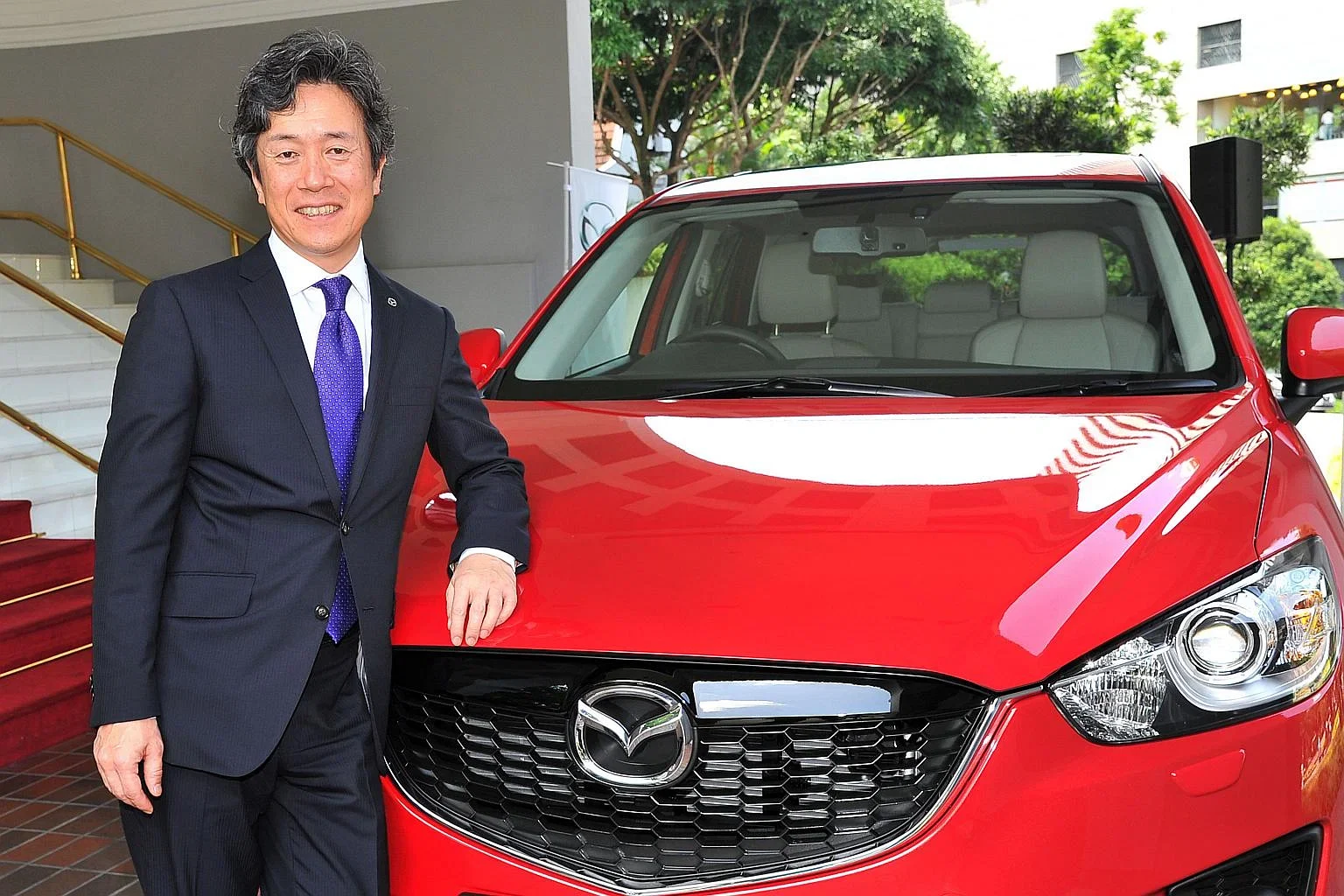
President Masahiro Moro emphasized that this is not a retreat, but an optimization: “We are taking a decisive step, moving from doing everything ourselves to optimizing operations through collaboration. This is not just a cut; it is a strategic optimization.”
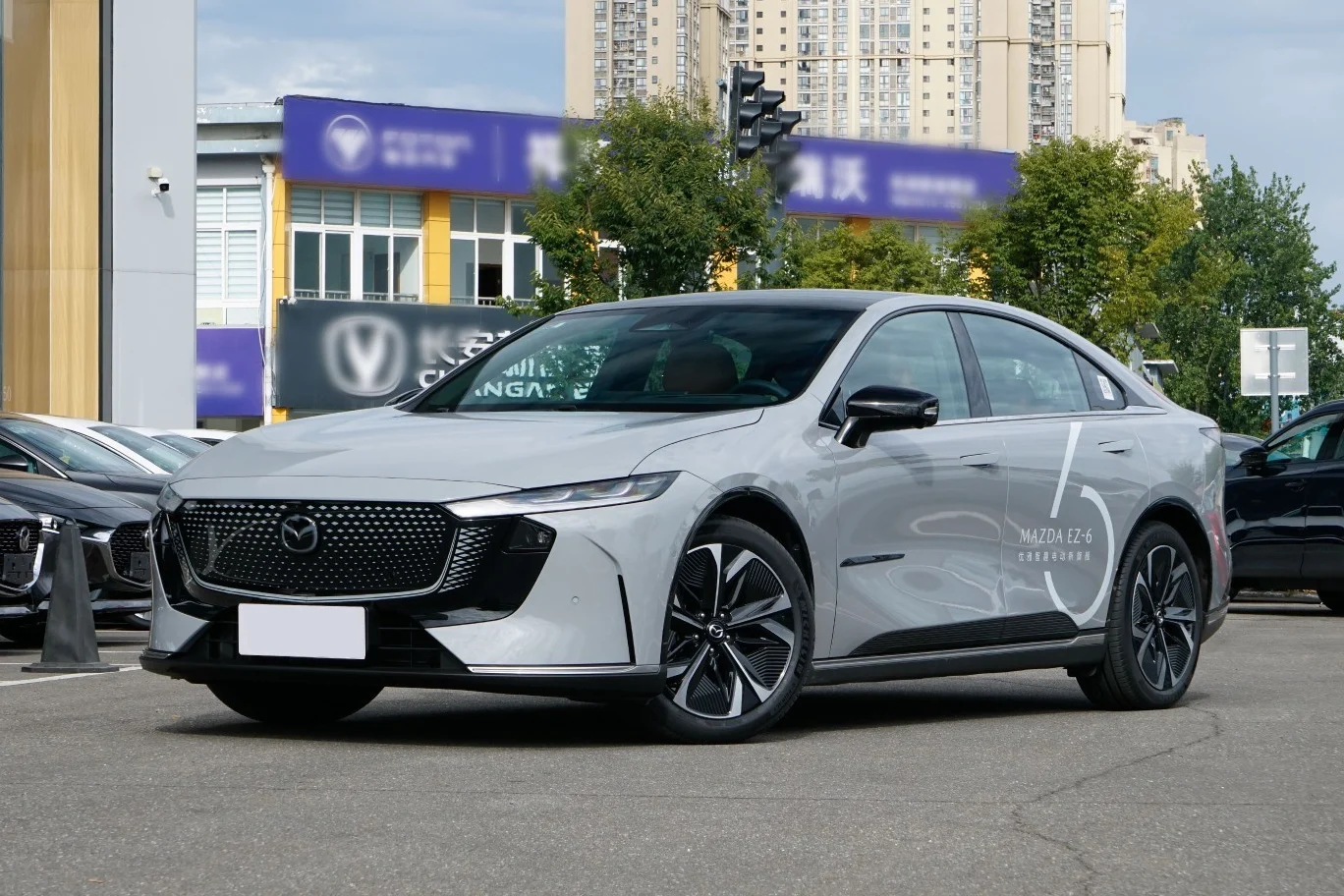
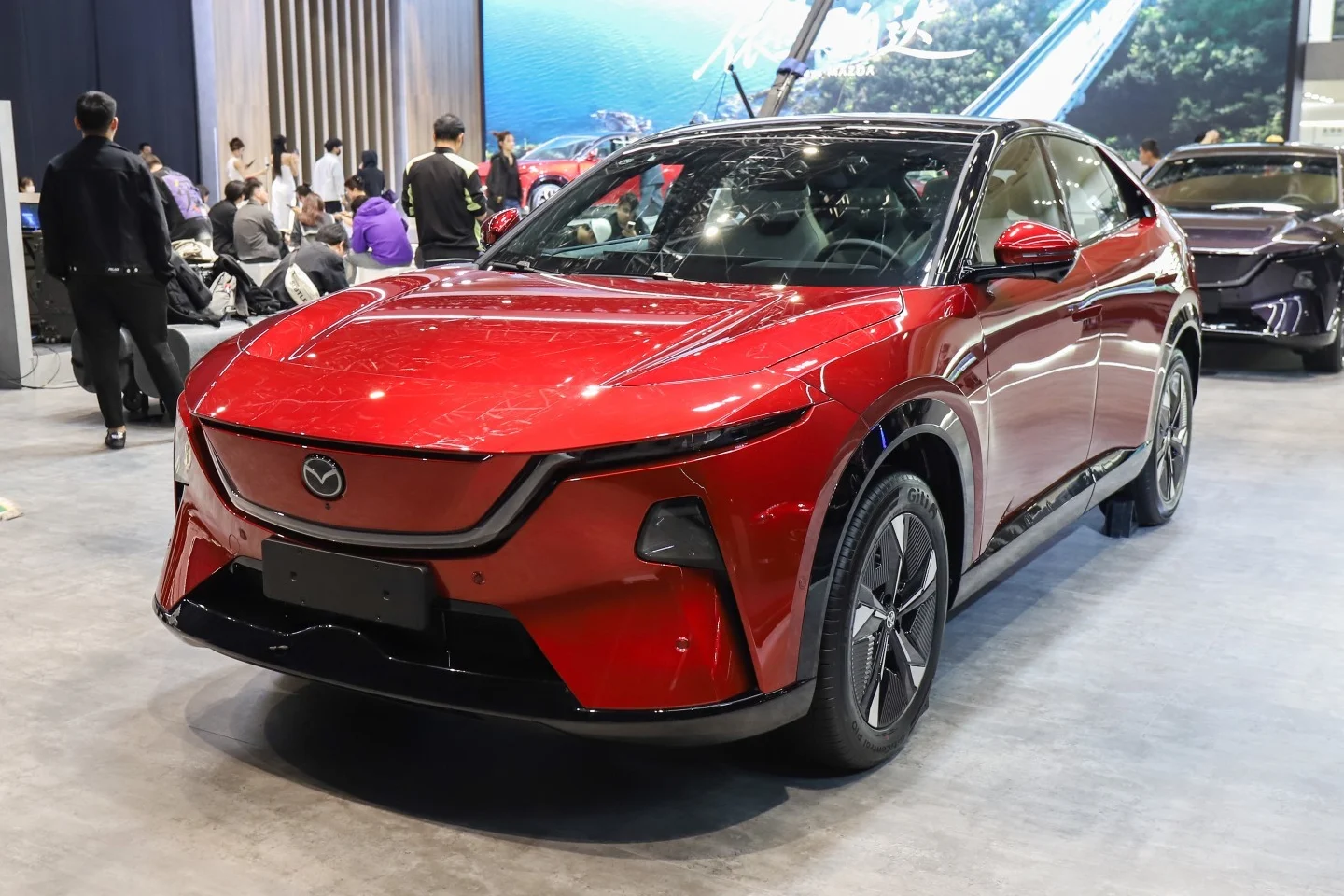
To maintain an EV presence without the heavy R&D burden, Mazda will leverage its partnership with Chinese automaker Changan. The company intends to export four co-developed EV models to Europe, Australia, and other regions, including the already-launched Mazda 6e.
Financial Outlook and Future Growth
Despite the shift in EV strategy, Mazda remains optimistic about its financial health. The company forecasts a surge in consolidated net profit to approximately 90 billion Yen (a 160% increase) by the end of the fiscal year in March 2027, supported largely by a weak Yen.
- Net Revenue: Expected to rise 12% to 5.5 trillion Yen.
- Operating Profit: Projected to nearly triple to 150 billion Yen.
- Global Sales: Forecasted to grow 8% to 1.32 million vehicles.
However, the company cautioned that geopolitical tensions and supply chain disruptions in the Middle East could increase material and logistics costs, potentially impacting profits by about 81.7 billion Yen.
Current Wins: The CX-5 Success
While the EV transition slows, Mazda’s traditional strengths continue to pay off. The upgraded Mazda CX-5, recently launched in the US, is currently exceeding sales expectations in Europe and is set to hit the Japanese market this month, proving that the brand’s core internal combustion and hybrid offerings remain highly competitive.