
BYD has sued seven bloggers for over $1 million, sparking a legal crusade among Chinese EV brands. Learn the details and what it means for auto reviewers. Read more now!
Chinese electric‑vehicle (EV) manufacturers have turned the courtroom into a new battleground for brand reputation. Leading the charge is BYD, which has filed lawsuits against seven automotive bloggers, seeking nearly 7 million Chinese yuan (about US$1.02 million) in damages.
Why BYD is suing
The lawsuits stem from a series of videos and articles that questioned the safety of BYD’s Blade battery, the durability of its plug‑in hybrid system, and the overall quality of its vehicles. Court rulings have classified many of these posts as “commercial defamation” and “unfair competition” because they contain unverified or fabricated claims.
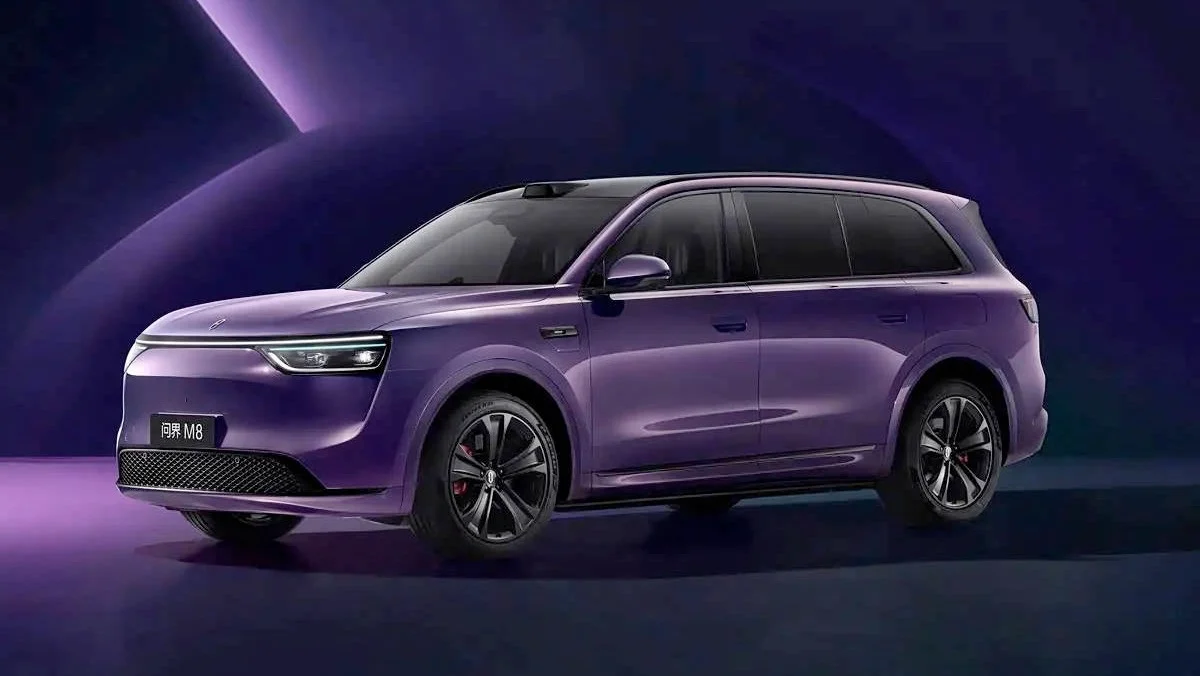
Key cases and penalties
- Long Ge Jiang Dian Che – A mechanic‑turned‑blogger who posted multiple critiques of BYD’s battery tech. After a higher‑court decision, he posted a public apology video and was ordered to pay 2 million yuan to BYD. He also faced separate fines to Aito and Xpeng.
- Wo Shi Da Bin Tong Xue – An Aito (part of the HIMA alliance) case that resulted in a 1.5 million‑yuan compensation for malicious posts.
- Xiao Niu Shuo Che – Nio’s lawsuit forced the blogger to upload apology videos daily for 90 days and pay over 600 000 yuan before the account was permanently banned on several platforms.
- Long Ge (Xpeng case) – Guangzhou Internet Court ordered the removal of misleading repair‑guide content and a 100 000‑yuan settlement.
Other Chinese EV makers join the fight
Following BYD’s high‑profile actions, rivals such as Xpeng, Nio, and the HIMA‑linked brand Aito have pursued similar legal routes, albeit with lower compensation figures. The trend reflects a broader push to curb what manufacturers see as “dirty‑media” campaigns that could erode market share in China’s fiercely competitive EV sector.
Industry backdrop
Online debates over battery technology, charging processes, and vehicle reliability have intensified across mainland China. As consumers become more tech‑savvy, manufacturers are increasingly relying on legal mechanisms to protect their reputations and maintain a level playing field.
Official stance
“We are open to objective, fact‑based criticism, but we will firmly use the law against fabricated defamation online,” said Li Yunfei, BYD’s Head of Communications and Brand. The statement underscores BYD’s commitment to defending its image while drawing a line at unsubstantiated attacks.
For reviewers, the message is clear: thorough fact‑checking and transparent sourcing are more crucial than ever when covering the fast‑evolving world of electric mobility.