
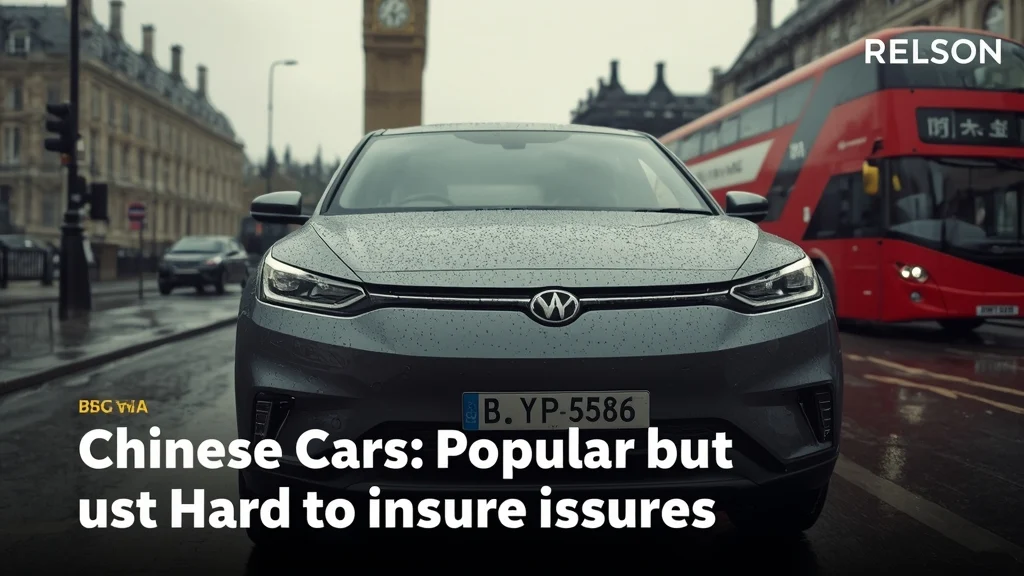
Chinese cars are booming in the UK, but drivers face steep insurance premiums and limited coverage. Learn why and how to get the right policy today.
British buyers are rushing to snap up the latest Chinese‑made cars, attracted by price tags that are often several thousand pounds cheaper than comparable models from long‑standing brands. Yet the excitement can quickly turn sour when owners discover that insuring these vehicles is far from straightforward.
Sales Surge, But Insurance Lags
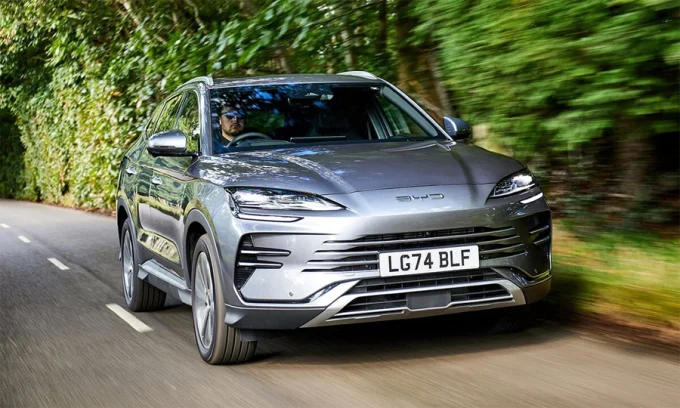
April saw BYD become the top seller of electric cars in the United Kingdom, outpacing every other manufacturer. In March, Chery’s Jaecoo J7—nicknamed the “Range Rover‑style Temu” for its resemblance to the iconic British SUV—sold more than 10,000 units. Both models, along with the Xpeng G6, Skywell BE11 and BYD Seal U, are part of a growing wave of Chinese‑origin vehicles that promise modern tech at a fraction of the cost.
Insurance Companies Pull Back
A recent CarWow study revealed that many insurers are hesitant to cover these new models. The reason? Limited repair data, an untested claims history, and an under‑developed spare‑parts supply chain. When CarWow asked five insurers for quotes on the Jaecoo J7, Xpeng G6, Skywell BE11 and BYD Seal U for a 27‑year‑old driver, the responses were stark:
- Axa refused to insure any of the Chinese SUVs.
- Hastings Direct would only cover the BYD.
- Direct Line declined two of the vehicles.
- Admiral turned down one model.
- Aviva was the sole insurer willing to quote all four cars.
Higher Premiums, Not Lower Costs
Even when coverage is secured, the price tag can be surprising. The average annual premium for a Jaecoo J7 is £1,103 (about $1,500), roughly double the £577 (≈ $770) paid for a comparable Skoda Karoq. The Xpeng G6 carries an average premium of £936 (£1,250), while a Hyundai Kona—one of its mainstream rivals—averages just £639 ($850).
CarWow’s Iain Reid estimates that the typical Chinese‑made car costs UK drivers about £901 per year in insurance, roughly £255 more than a similar gasoline‑engine vehicle (£646). The gap isn’t just about price; it also reflects the scarcity of underwriting data for these newcomers.
Manufacturers Push for Better Terms
Oliver Lowe, head of product at Omoda and Jaecoo (both owned by Chery), says the brand is actively negotiating with insurers to bring premiums down. “We’re sharing repair statistics, building relationships with parts distributors, and offering driver‑training programmes to help underwriters assess risk more accurately,” he explained.
What Buyers Should Do
If you’re considering a Chinese‑made vehicle, keep these steps in mind:
- Shop around early. Obtain quotes from at least three insurers before you finalize the purchase.
- Check if the insurer offers a “new‑model” surcharge and whether it can be reduced after a year of claim‑free driving.
- Ask the dealer for any available data on repair costs and parts availability that you can share with the insurer.
- Consider a higher voluntary excess to lower the premium, but weigh it against your ability to cover out‑of‑pocket costs.
Chinese cars are reshaping the UK market with attractive pricing and modern technology. By understanding the insurance landscape and taking proactive steps, buyers can enjoy the benefits without paying an unexpected premium.