
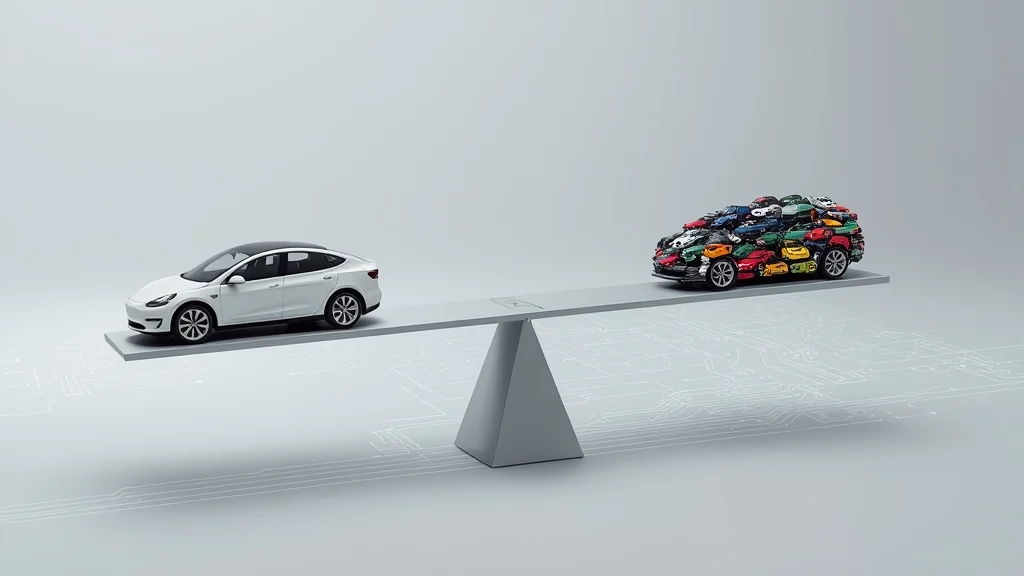
Canada considers revising Chinese EV import quotas to prevent Tesla from dominating the market. See how BYD and Chery might benefit. Read more!
The Canadian government is currently grappling with a complex trade dilemma: how to encourage the adoption of affordable electric vehicles (EVs) without allowing a few industry giants to monopolize the market. At the heart of the issue is a specific import quota for EVs manufactured in China.
The High Stakes of EV Tariffs
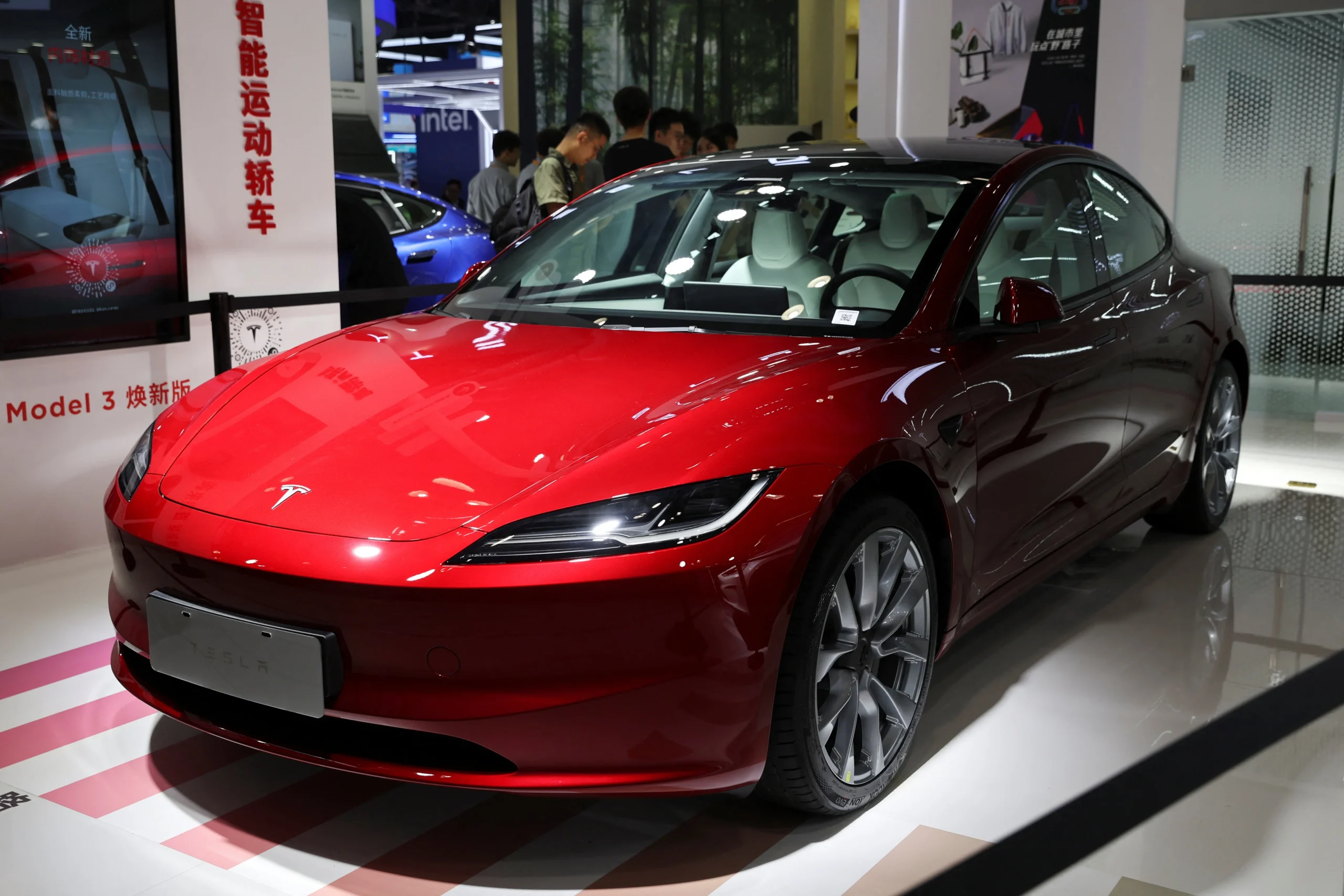
Under a new trade mechanism, Canada has established an annual quota allowing up to 49,000 Chinese-made electric vehicles to enter the country with a preferential tariff of just 6.1%. This is a stark contrast to the standard 100% tariff currently imposed on such imports.
The first phase of this allocation, consisting of 24,500 slots, opened in late March and is scheduled to run until August 31. The current system operates on a strict “first-come, first-served” basis, which has sparked significant concern among policymakers in Ottawa.
The ‘Tesla Effect’ and Market Dominance
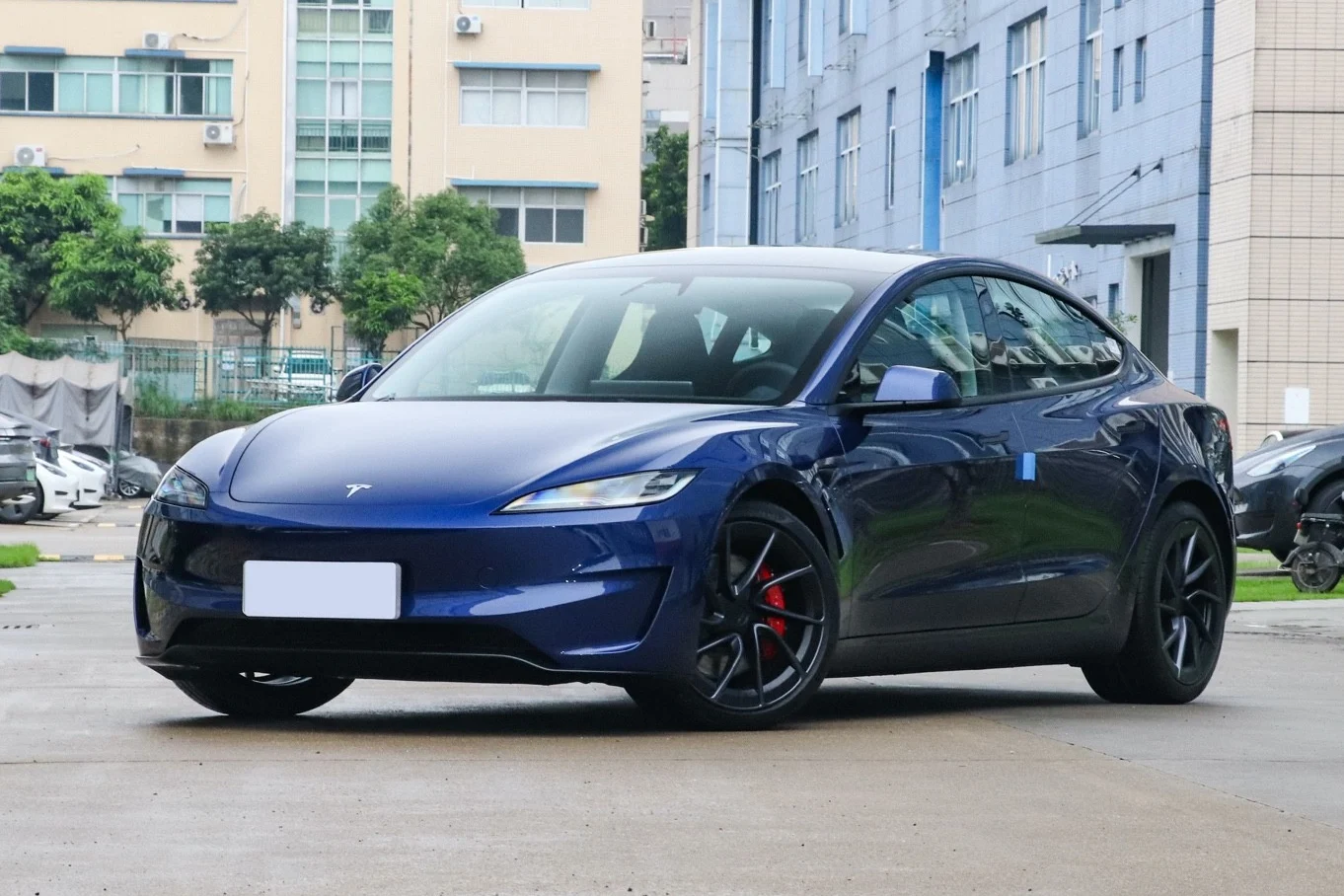
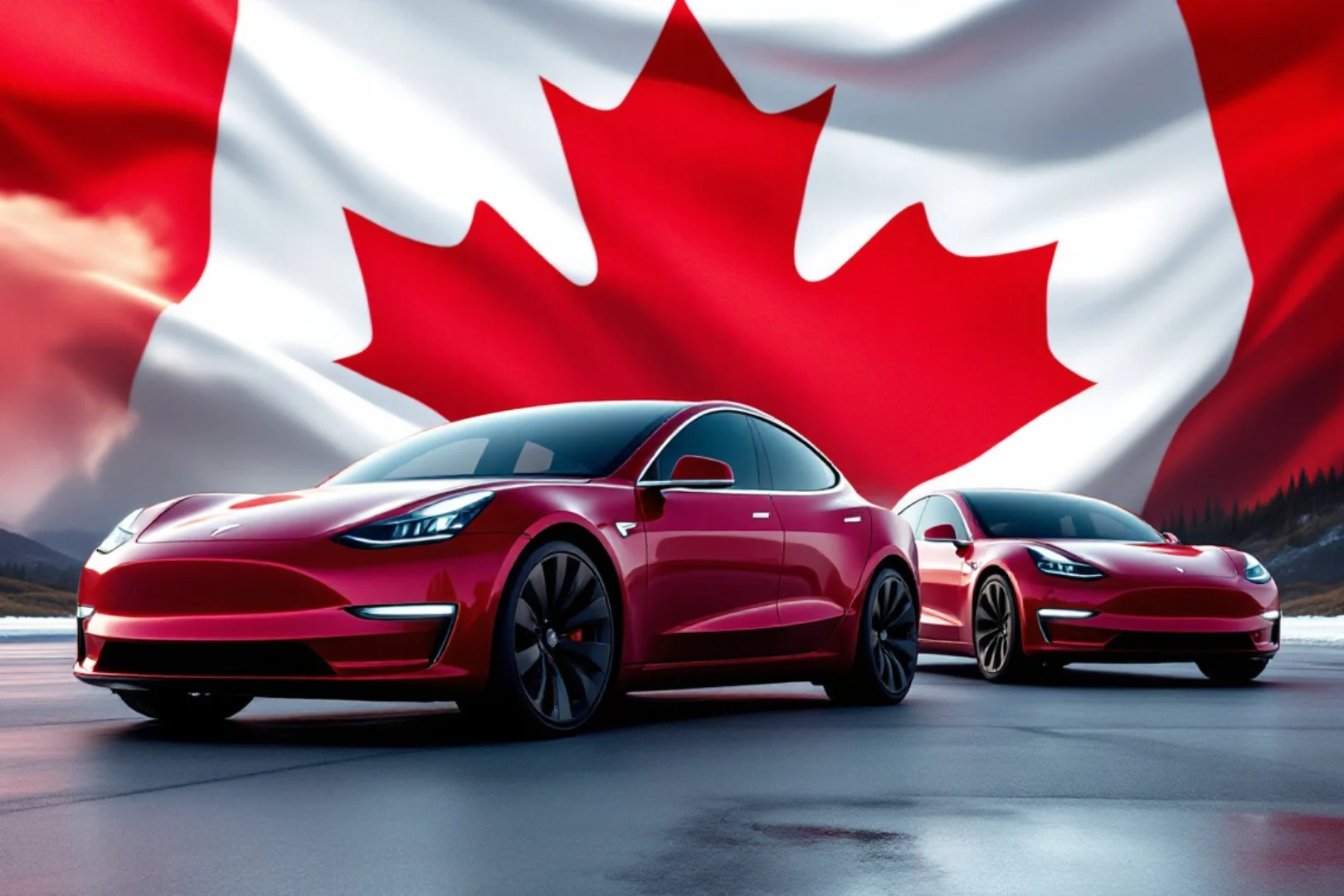
While no permits have been officially granted yet, the landscape is expected to shift rapidly. Tesla has confirmed it will distribute its “Made in China” Model 3 sedan in Canada at a significantly lower price point.
The price difference is staggering. The Chinese-made EV is expected to start at approximately 39,490 CAD (roughly $29,000 USD) before shipping. To put this in perspective, the previous floor price for the Model 3 Long Range AWD in Canada was 79,990 CAD (about $58,700 USD). This aggressive pricing strategy has led Canadian officials to fear that Tesla could quickly exhaust the majority of the preferential quota.
Other Major Players in the Race
Tesla isn’t the only company poised to take a large slice of the pie. Brands like Volvo and Polestar—both owned by the Chinese giant Geely and already established in the Canadian market—are also expected to claim a significant portion of the first allocation phase.
A Potential Shift in Strategy
Recognizing the risk of market imbalance, the Canadian government may pivot its approach when the remaining half of the 49,000-car quota opens after August 31. Instead of “first-come, first-served,” Ottawa is considering brand-specific allocations to ensure a more diverse range of vehicles reaches consumers.
Who Stands to Gain?
A shift toward allocated quotas would open the door for new entrants eager to penetrate the Canadian market, such as BYD and Chery. Reports indicate that BYD, Chery, and Geely’s Zeekr brand are already aggressively recruiting staff across Canada to establish their business operations and supply chains.
Furthermore, anonymous officials suggest that future quotas might be prioritized for companies that commit to local investments, including the construction of domestic assembly plants.
Balancing Affordability and Fairness
Canada finds itself in a difficult position. On one hand, the government wants to flood the market with affordable EVs to accelerate the transition to green energy. On the other hand, it must prevent a handful of brands from dominating the incentive program.
Critics argue that government intervention in import volumes could raise questions about fairness and market manipulation, potentially hindering the very competition Canada hopes to foster. As the August deadline approaches, the world will be watching to see if Canada chooses a path of open competition or strategic regulation.