

Explore the rise and fall of Indian-made cars in Vietnam and how tax policies shaped the automotive market. Read the full analysis here!
India has long established itself as a global automotive powerhouse, leveraging policies that encourage foreign manufacturers to set up local assembly lines. This strategy hasn’t just served the domestic Indian market; it has turned the country into a major export hub for several global markets, including Vietnam.
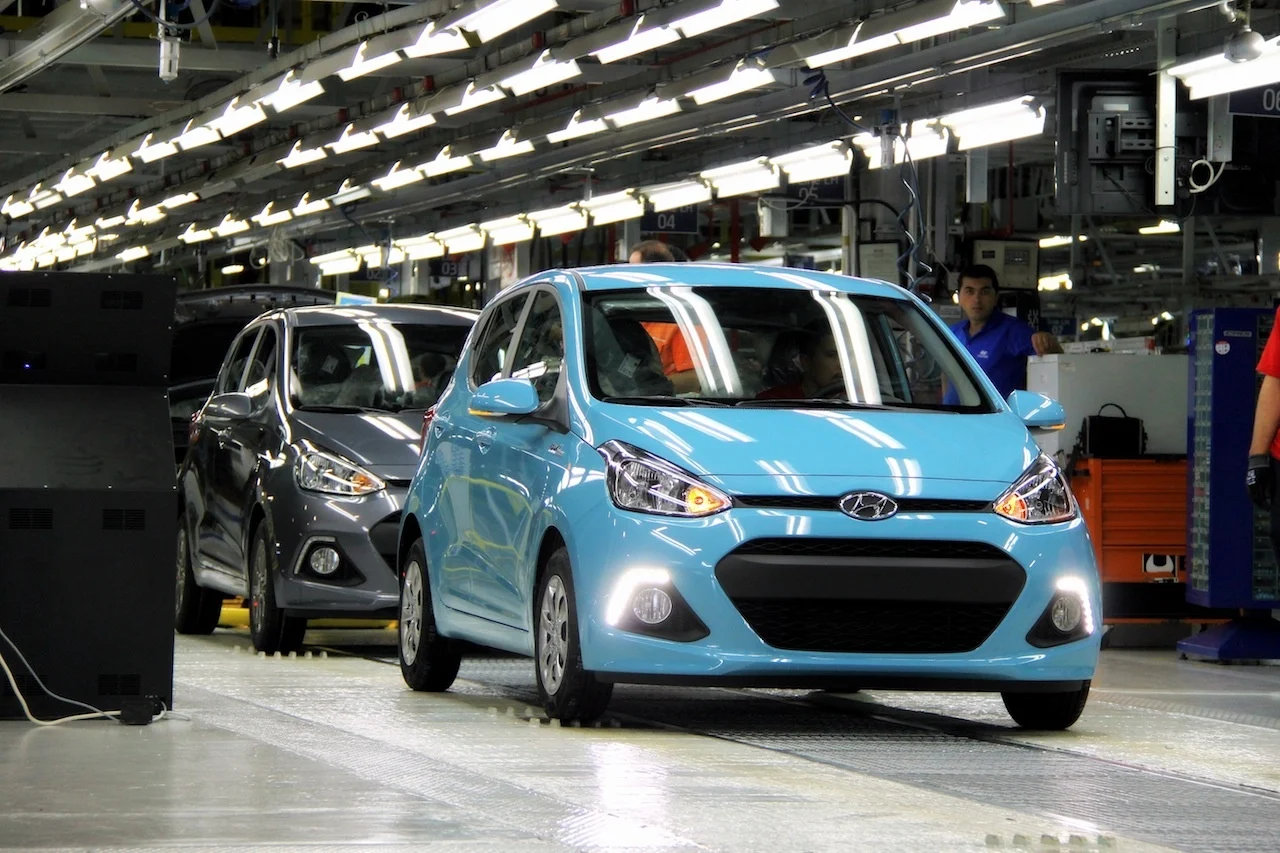
While some Indian-made models initially caused a stir in Vietnam, many others eventually hit a wall. The story of these vehicles is a fascinating case study in how pricing, competition, and—most importantly—taxation can make or break a product’s success in a foreign land.
Early Successes: The Hyundai Breakthrough
In the beginning, Indian imports saw significant traction, particularly with Hyundai. The Hyundai Grand i10, originally imported as a completely built-up (CBU) unit from India, became a staple on Vietnamese streets. Launched in 2014 with a competitive starting price of 359 million VND for transport businesses, it effectively challenged the Kia Morning (formerly Picanto).
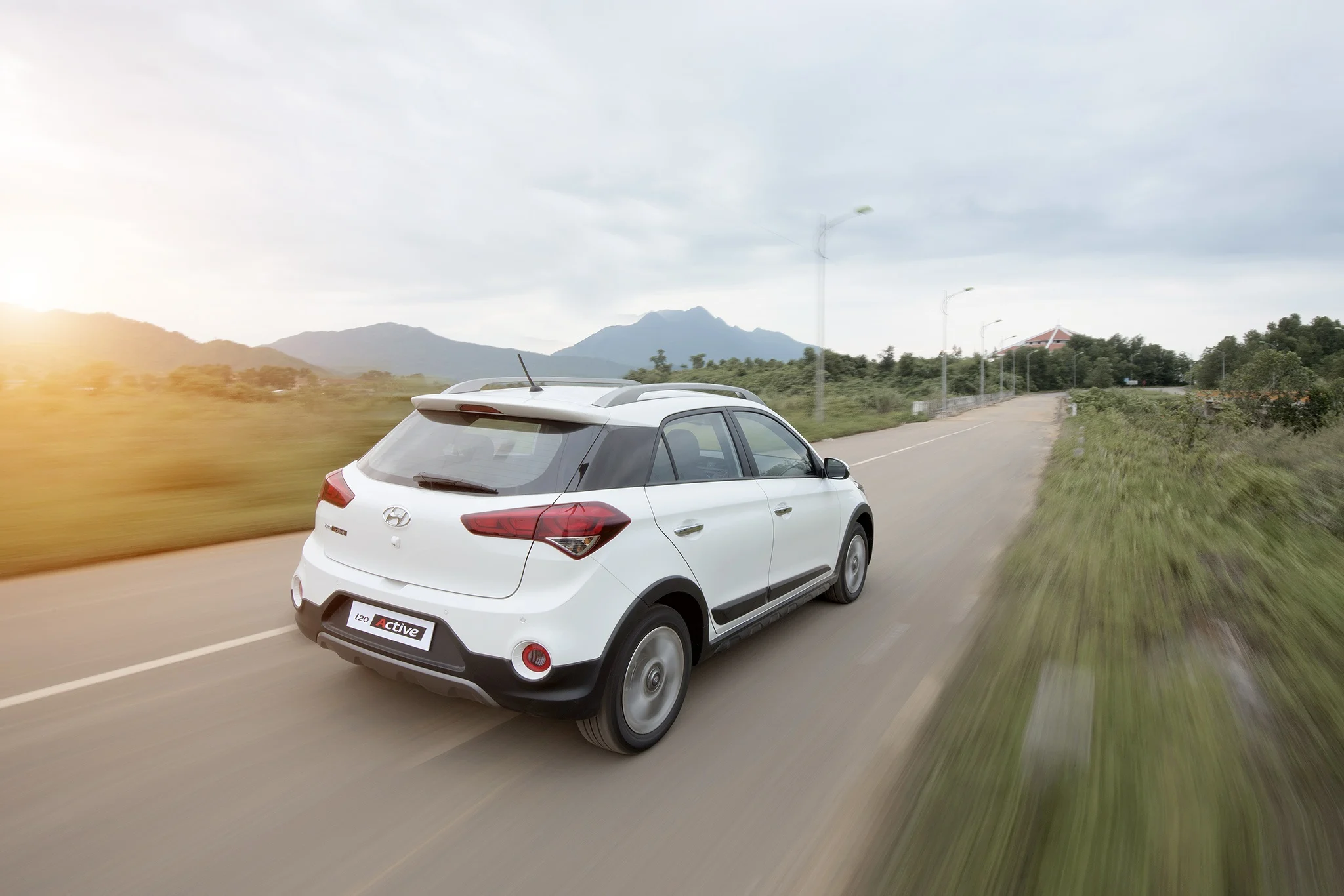
The numbers spoke for themselves: between 2014 and 2016, Hyundai Thanh Cong sold over 50,000 units of the Grand i10. This success prompted the company to pivot, transitioning the model to local assembly in 2017 to further optimize costs.
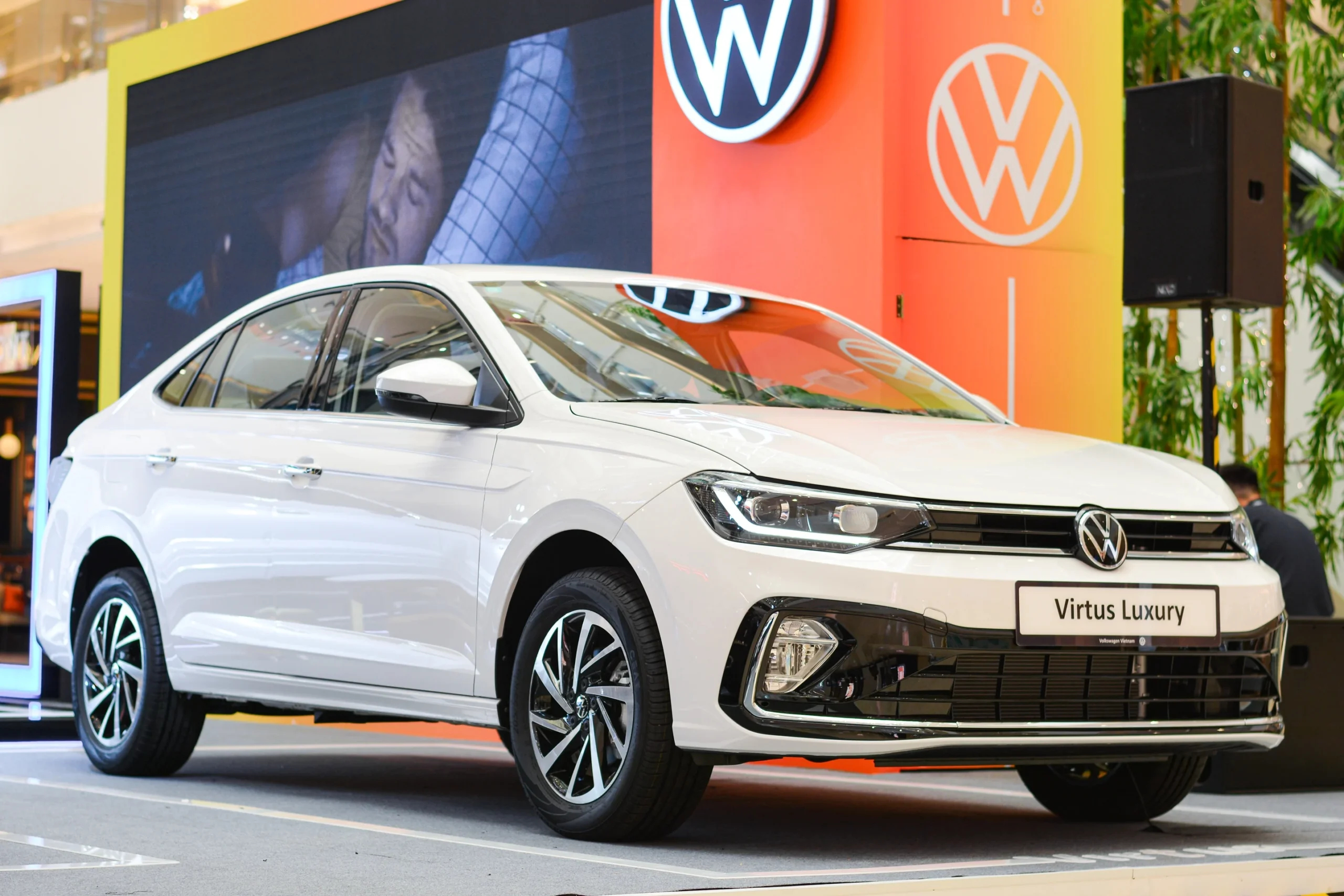
Hyundai followed this momentum with the i20 Active in 2015. Aimed at competing with the Ford EcoSport, the i20 Active initially saw a surge in demand, with over 3,330 units sold by October 2016. However, this success was not universal across the board.
The Pricing Pitfall: Where Imports Failed
The tide turned when pricing became decoupled from market reality. A prime example was the Hyundai Creta (Indian version), launched in late 2015. Despite offering both petrol and diesel options, its price point was far too high for its segment. Estimates suggest it barely sold 20 units per month before being discontinued in 2018. Interestingly, the Creta eventually returned to Vietnam, but as an import from Indonesia and later as a locally assembled model, proving that source of origin matters.
Volkswagen faced an even steeper climb. The Volkswagen Virtus (a B-segment sedan) and the T-Cross (a B-segment crossover) were both imported from India. However, their pricing was exorbitant compared to rivals:
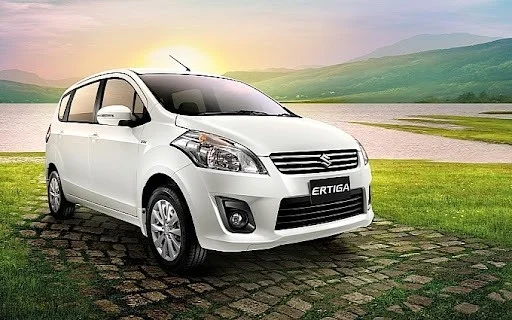
- The Virtus was priced nearly double that of the Toyota Vios, placing it in the same price bracket as D-segment luxury sedans like the Toyota Camry or Mazda6.
- The T-Cross struggled to compete with the Hyundai Kona or Kia Seltos due to its premium price tag.
As a result, both models have since disappeared from Volkswagen’s current lineup in Vietnam.
The Hidden Culprit: The Tax Gap
Why were Indian imports so much more expensive? The answer lies in trade agreements. In 2018, the ASEAN Trade in Goods Agreement (ATIGA) reduced import taxes on CBU vehicles from ASEAN member states to 0%.
Unfortunately, the ASEAN-India Free Trade Area (AIFTA) excluded CBU automobiles from these preferential tariffs. This left Indian imports facing staggering taxes ranging from 70% to 80%, depending on engine displacement. This tax disparity made it nearly impossible for Indian-made cars to compete with those assembled locally or imported from within ASEAN.
A Shift in Strategy: From India to Local Assembly
Recognizing this pattern, other brands have shifted their strategies. Suzuki provides a clear example: the first-generation Ertiga was imported from India and saw mediocre sales. In 2019, Suzuki switched to importing the Ertiga from Indonesia, allowing them to slash prices and significantly boost competitiveness.
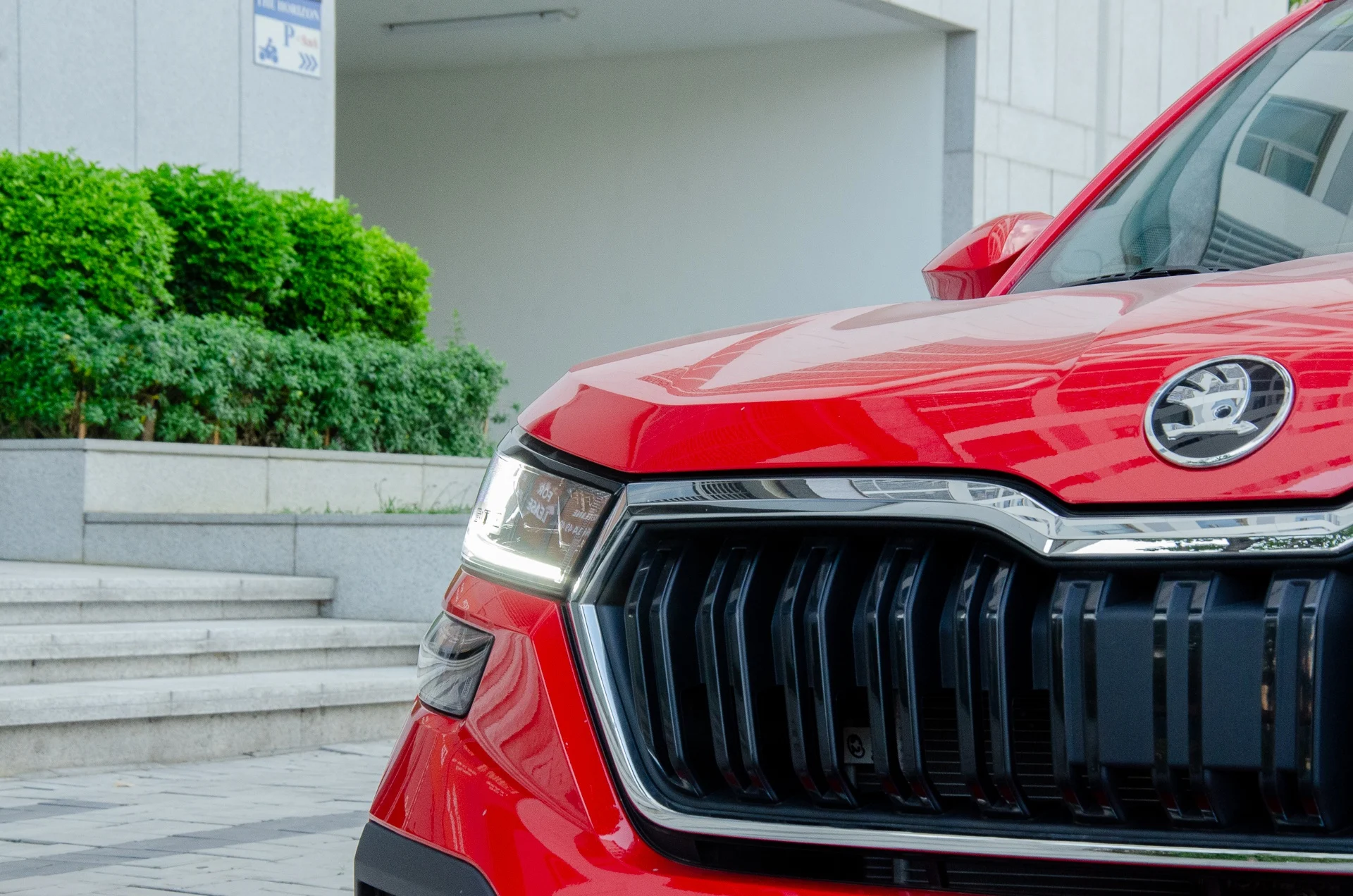
The latest trend is a complete move toward localization. At the 2024 Vietnam Motor Show (VMS), Skoda showcased the Kushaq SUV (developed in India). However, the Czech brand confirmed that the Kushaq and Slavia sedan will not be imported from India but will instead be produced at their new factory in Quang Ninh.
Conclusion
While India remains a world-class manufacturing hub, the Vietnamese market has proven that product quality isn’t enough—economic policy is king. Due to the heavy burden of import taxes, the trend for global brands in Vietnam is clear: to win the market, you must build the car locally or source it from within the ASEAN trade bloc.