
China’s domestic car sales plunge while EV exports skyrocket. Discover the strategic shift in the world’s largest auto market. Read more!
A Tale of Two Markets: Domestic Struggle vs. Global Growth
The Chinese automotive landscape is witnessing a dramatic divergence. In April 2026, the world’s largest auto market continued its downward spiral, marking the seventh consecutive month of declining domestic demand. However, this internal slump is being countered by an aggressive expansion into international territories, as Chinese automakers pivot their strategies to survive fierce local competition.
Domestic Demand Hits a Wall
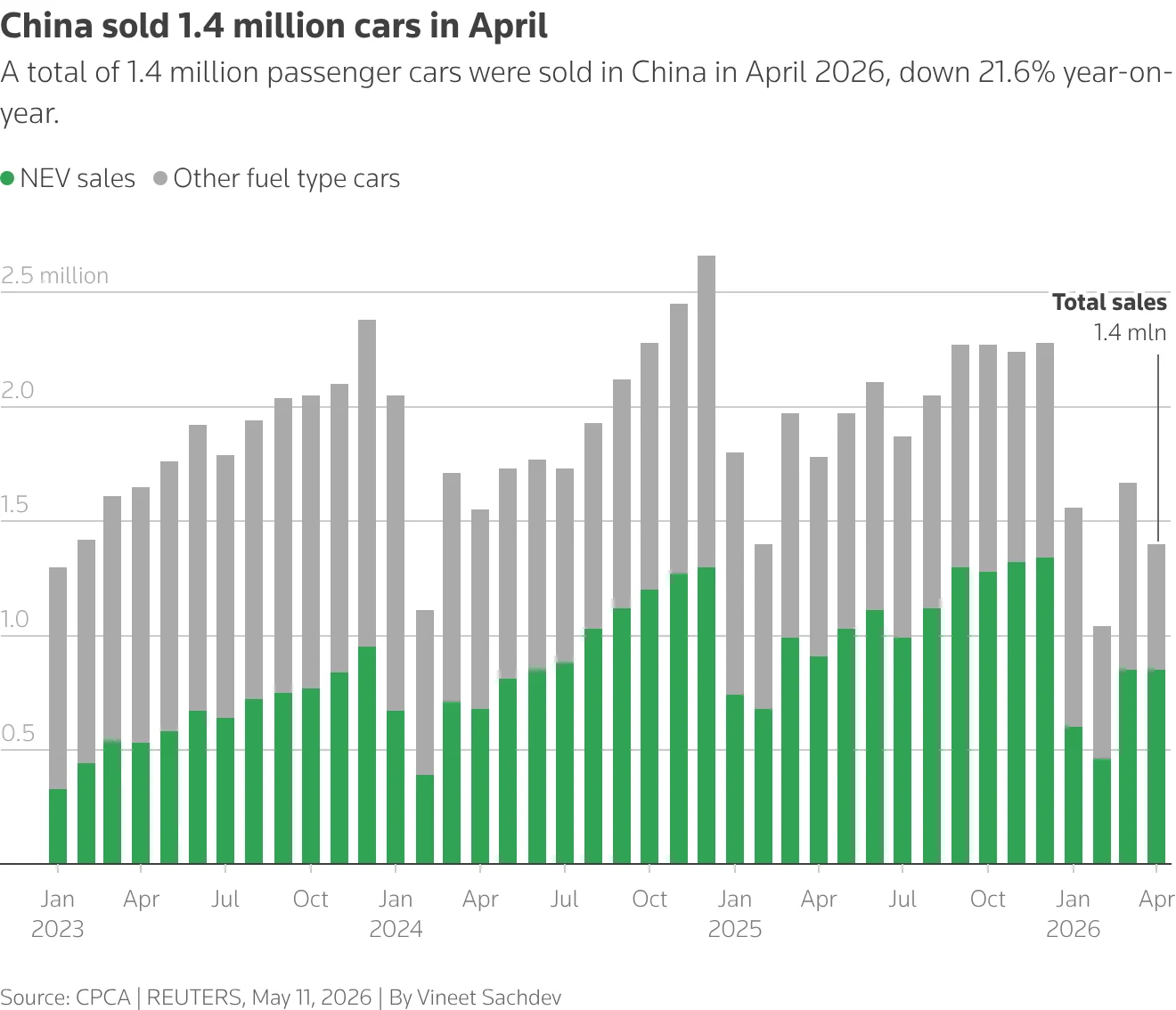
According to the latest data from the China Passenger Car Association (CPCA), domestic vehicle sales plummeted by 21.6% year-on-year, dropping to 1.4 million units in April 2026. This decline is not limited to a single segment but is felt across the board.
Cui Dongshu, Secretary General of the CPCA, points to two primary drivers for this downturn:
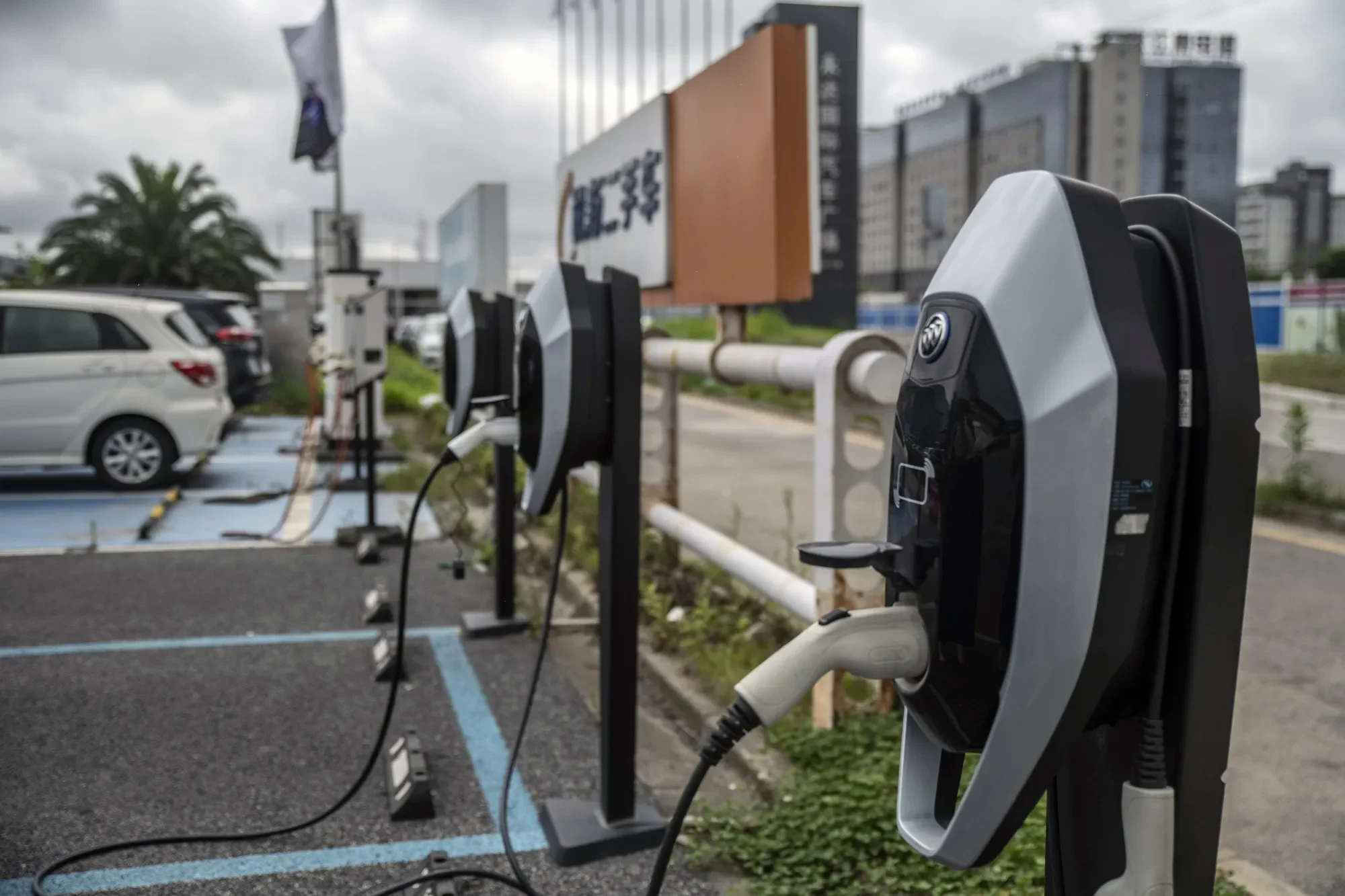
- Internal Combustion Engine (ICE) Vehicles: Sales have fallen below expectations, largely driven by soaring fuel prices that are deterring traditional car buyers.
- Plug-in Hybrids (PHEVs): The appetite for PHEVs has waned significantly as government subsidies have dried up, removing a key incentive for consumers.
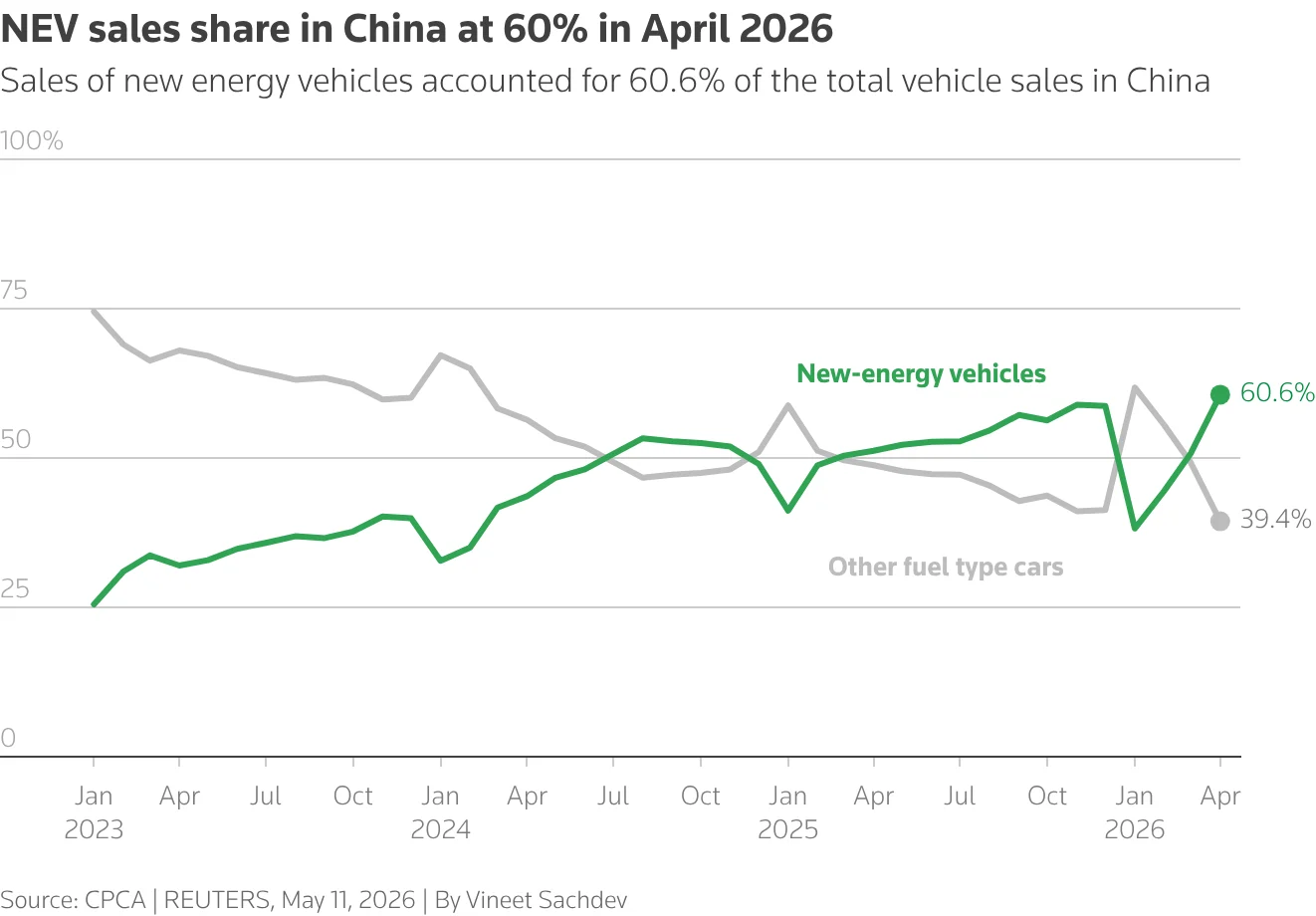
Combined sales of Battery Electric Vehicles (BEVs) and PHEVs, which now account for 60.6% of the total market, saw a 6.8% decrease, extending their slump into a fourth straight month.
The Export Explosion
While the home market cools, the global appetite for Chinese EVs is heating up. In a stunning contrast, exports of BEVs and PHEVs surged by 111.8% compared to the previous year, far outpacing the 80.2% growth in overall vehicle exports.
Industry analysts attribute this boom to rising global fuel costs, exacerbated by geopolitical tensions in the Middle East. This has pushed international consumers toward electric mobility, providing a lifeline for Chinese manufacturers.
Case Study: The BYD Dilemma and Market Forecasts
The divide between domestic weakness and export strength is most evident in the performance of BYD, the world’s largest EV maker. Despite maintaining stable export volumes, BYD’s global sales have decreased for eight consecutive months as of April 2026, reflecting the sheer gravity of the Chinese domestic downturn.
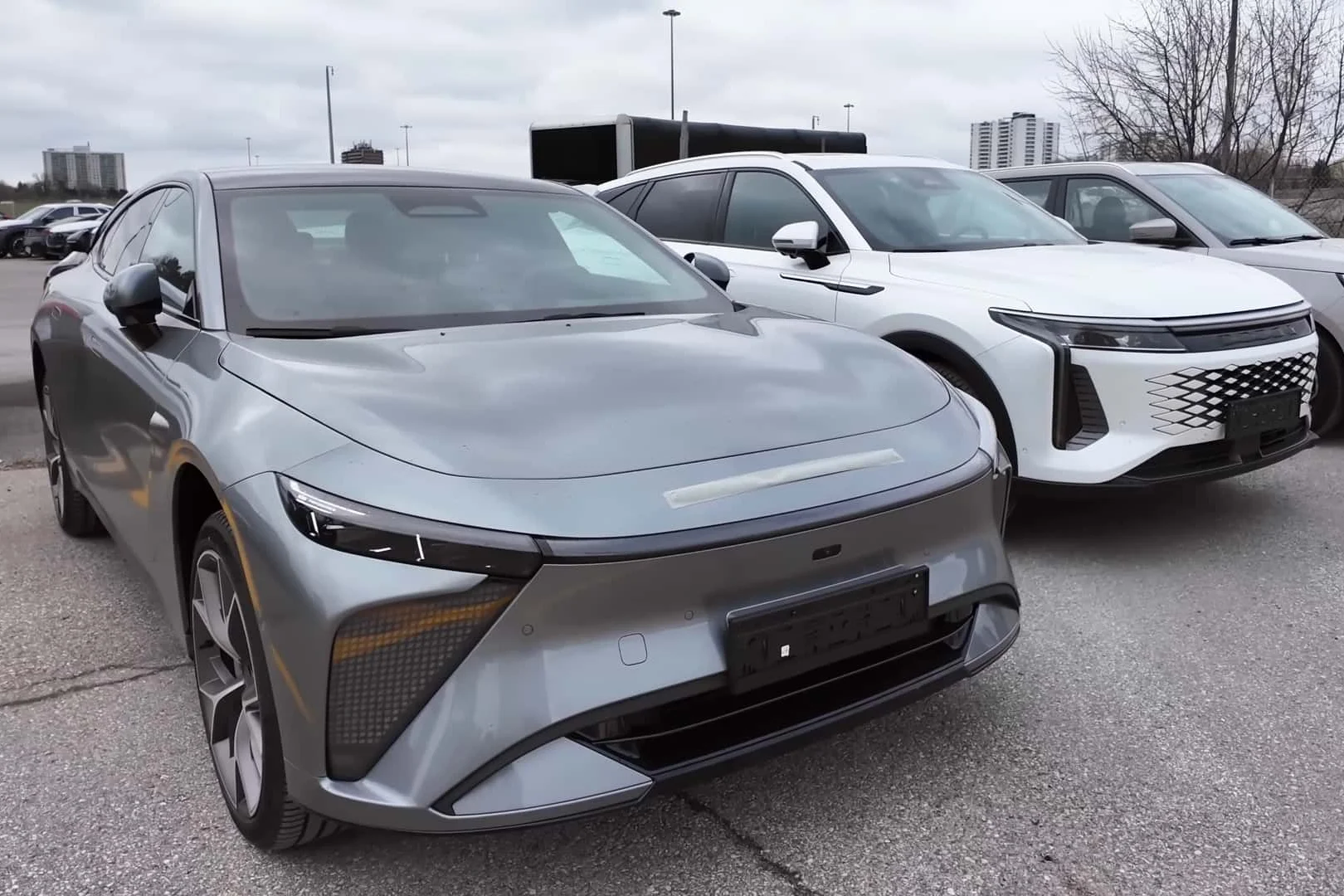
Investment giant Morgan Stanley has adjusted its outlook to reflect this reality. While they maintain that total combined sales (domestic and export) will dip by 2% this year, they have significantly upgraded their export growth forecast from 15% to 33%. Conversely, they now predict a deeper domestic decline of 11%, up from an initial estimate of 6%.
Strategic Shift: Moving Upmarket
Faced with a saturated and struggling budget market, Chinese automakers are abandoning the low-end segment (vehicles priced under 150,000 CNY or approximately $22,000 USD). The new strategy is clear: Premiumization.
The 2026 Beijing Auto Show highlighted this shift, with a flurry of high-end SUV launches featuring advanced tech and luxury finishes. This pivot is creating a competitive edge for premium brands like Nio and Geely’s Zeekr line.
The Path to Recovery: A Need for ‘Kei Cars’?
Despite the growth in luxury EVs, the void left by the collapsing budget segment is too large to ignore. The lack of demand for affordable entry-level vehicles remains the primary bottleneck for the industry’s recovery.
To solve this, Cui Dongshu suggests that the Chinese government should introduce a standardized category for micro-vehicles, similar to the “Kei car” model in Japan. By creating a low-cost, efficient segment tailored for the elderly and rural populations, China could potentially reignite growth in the mass-market segment and stabilize its automotive ecosystem.