
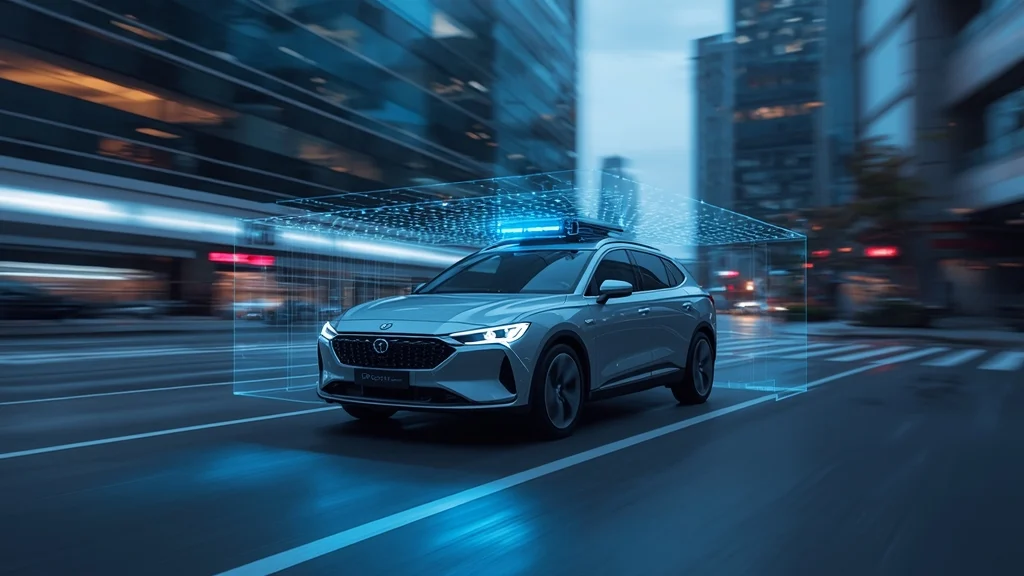
BYD offers LiDAR as an option on the affordable Seagull 2026, while German luxury brands cut it to save costs. Discover the shift in EV tech here!
In a surprising twist of automotive engineering and market strategy, the divide between budget EVs and luxury flagships is blurring. BYD has recently unveiled the 2026 Seagull (known internationally as the Dolphin Mini or Dolphin Surf), a compact electric hatchback that offers a piece of high-end tech that luxury giants are currently abandoning: LiDAR.
The Budget EV with a ‘God’s Eye’
The 2026 BYD Seagull enters the market with a highly competitive base price, ranging from 69,900 to 85,900 yuan (approximately $10,300 to $12,600). However, the real talking point is the optional God’s Eye B (DiPilot 300) intelligent driving assistance package.
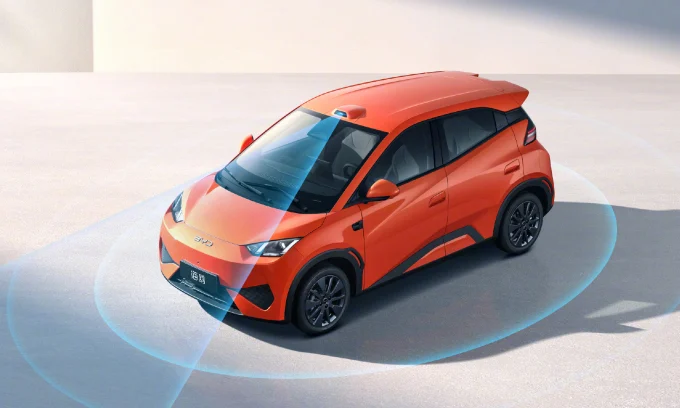
For an additional $3,100, buyers can equip their budget hatchback with LiDAR technology. While adding a $3,100 sensor to a $10,300 car may seem disproportionate, it signals BYD’s commitment to democratizing advanced driver assistance systems (ADAS).
A Stark Contrast: BYD vs. German Luxury
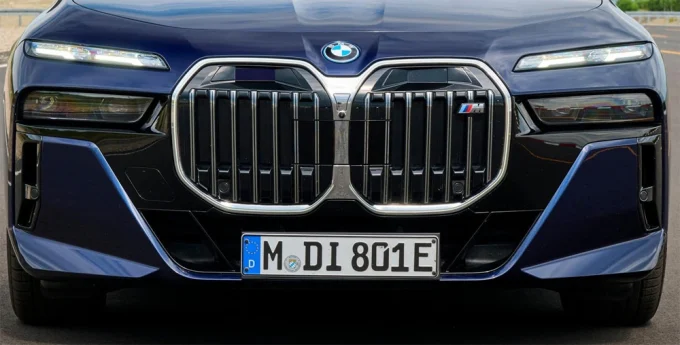
The strategic move by BYD stands in sharp contrast to the decisions made in Germany. BMW and Mercedes-Benz—brands that previously integrated LiDAR into their top-tier Level 3 autonomous driving packages for the Series 7 and S-Class—have recently removed the option from their latest versions to reduce production costs. The LiDAR systems in these luxury vehicles typically carried a price tag of around $7,000.
Design and Integration Differences
Beyond the cost, the two philosophies differ in aesthetics and placement:
- BYD Seagull: Features a prominent “divine eye” sensor mounted on the roof, reminiscent of the air intake found on the McLaren 675LT supercar.
- German Luxury: BMW and Mercedes traditionally integrated their sensors discreetly within the front grille to maintain a sleek, traditional luxury silhouette.
Performance and Interior Highlights
While the LiDAR-equipped Seagull remains a Level 2+ autonomous system (with BYD eyeing Level 3 for future models), the 2026 update brings several other refinements:
- Exterior Updates: New color options, 16-inch “Starlight” wheels, and redesigned LED taillights.
- Powertrain: The efficient 74-horsepower motor remains unchanged, prioritizing city agility over raw speed.
- Interior Comfort: A fresh “Oatmeal” themed cabin, featuring the DiLink 150 system and a high-resolution 12.8-inch central control screen with 3D vehicle visualization and custom navigation.
Navigating a Crowded Market
Despite its innovative tech offerings, the Seagull faces a brutal competitive landscape in China. After peaking in sales in early 2025, the model has felt the pressure from rivals like the Geely Xingyuan (EX2), which has become one of the best-selling new energy vehicles in the region.
With new challengers like the Arcfox T1 and the Leapmotor A10 entering the fray, BYD is using the 2026 Seagull’s tech-forward approach to maintain its dominance in the budget EV segment, proving that luxury tech is no longer reserved for the elite.