

China’s NEV sales dipped in April 2026 as buyers awaited new launches at Auto China. Discover the latest EV market trends and data now!
The Chinese New Energy Vehicle (NEV) market experienced a notable downturn in April 2026. As the industry gears up for a wave of new product launches, consumers have shifted their behavior, leading to a significant dip in retail activity.
Retail Sales Hit a Speed Bump
According to data from the China Passenger Car Association (CPCA), NEV retail sales in China saw a marked decline for most of April. From April 1 to April 26, retail sales reached 614,000 units, representing an 11% drop compared to the same period last year and a 6% decrease from the previous month.
The broader automotive market followed a similar downward trajectory. Total retail sales for all vehicle types during this period hit 1.004 million units, plummeting 24% year-on-year and 19% month-on-month. Year-to-date, total national retail sales stand at 5.226 million units, down 19% from 2025.
Market Penetration Remains Resilient
Despite the slump in volume, there is a silver lining: the NEV market penetration rate remained strong at 61.2% during this period. This suggests that while buyers are delaying their purchases, the fundamental preference for electric and hybrid energy over traditional internal combustion engines remains firmly intact.
However, the year-to-date total for NEV retail sales tells a more sobering story, with 2.523 million units sold so far in 2026—a 19% decline compared to the same window last year.
Supply Chain Pressures and Wholesale Declines
The slump isn’t limited to the showroom floor. On the supply side, NEV wholesale shipments from April 1 to 26 totaled 712,000 units, down 11% year-on-year and 13% month-on-month.
Total wholesale volume for all vehicles fell even further, reaching 1.268 million units—a 15% year-on-year drop and a staggering 24% decline from the previous month. Year-to-date wholesale figures sit at 7.134 million units, down 8% overall.
Why are Manufacturers Cutting Production?
The CPCA attributes this wholesale weakness to two primary factors:
- Reactive Adjustments: Manufacturers are scaling back shipments in response to weakening retail demand.
- Inventory Control: Brands are proactively cutting production to prevent an overflow of unsold stock at dealerships.
The Perfect Storm: Holidays and High Tech
Several factors converged in April to create a challenging environment for car sales. First, the Qingming Festival holiday shortened the number of effective selling days at the start of the month.
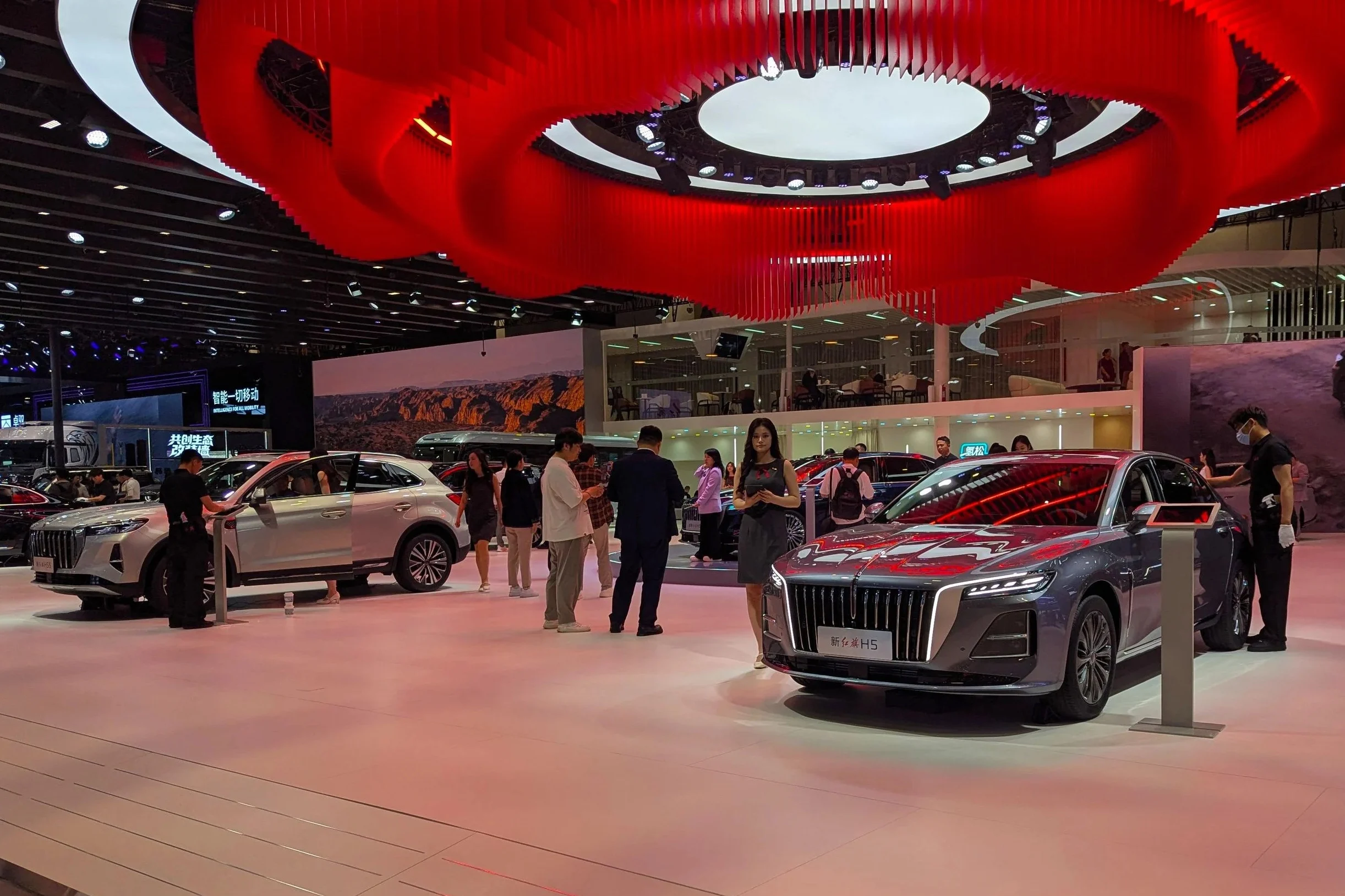
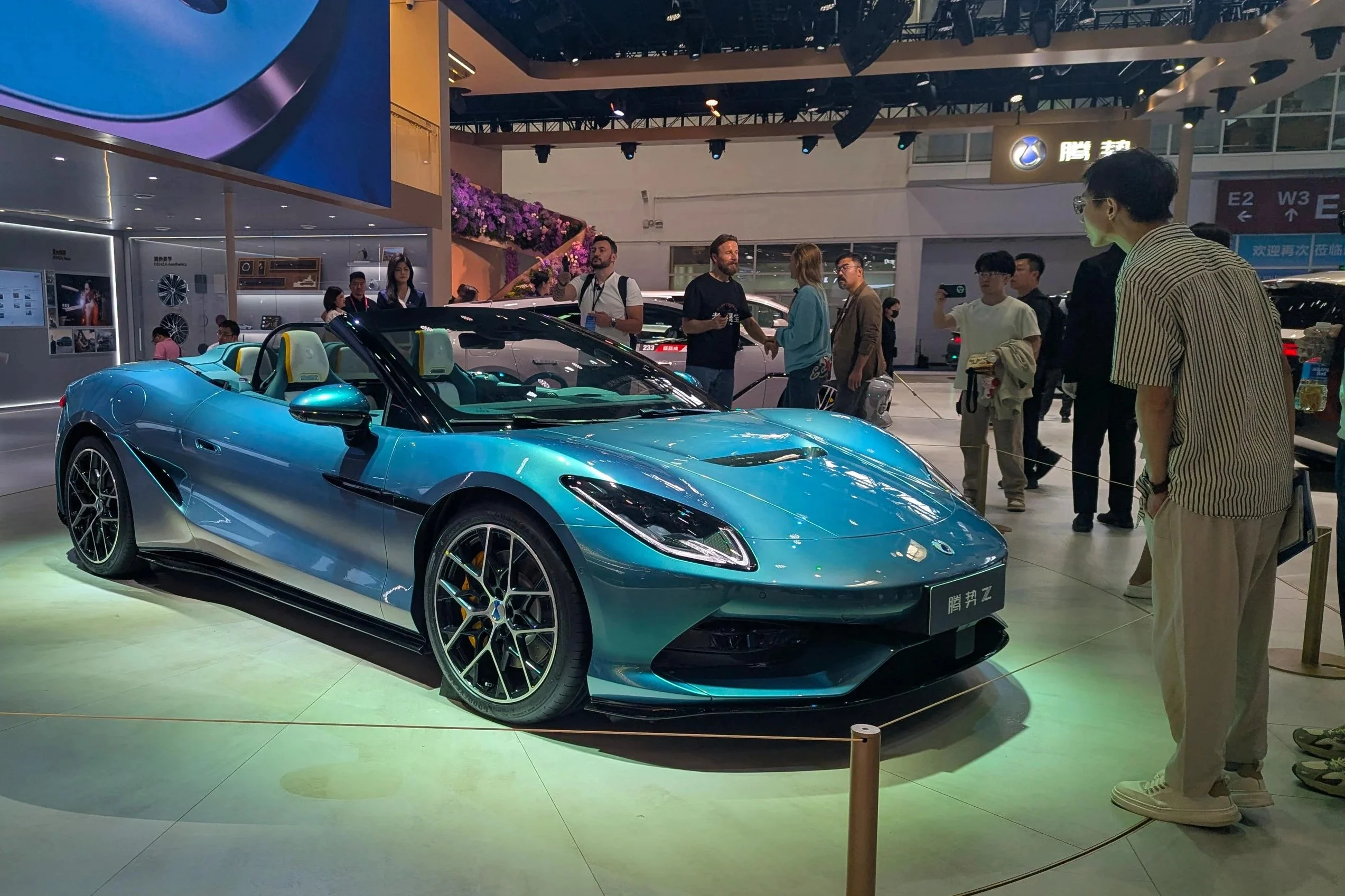
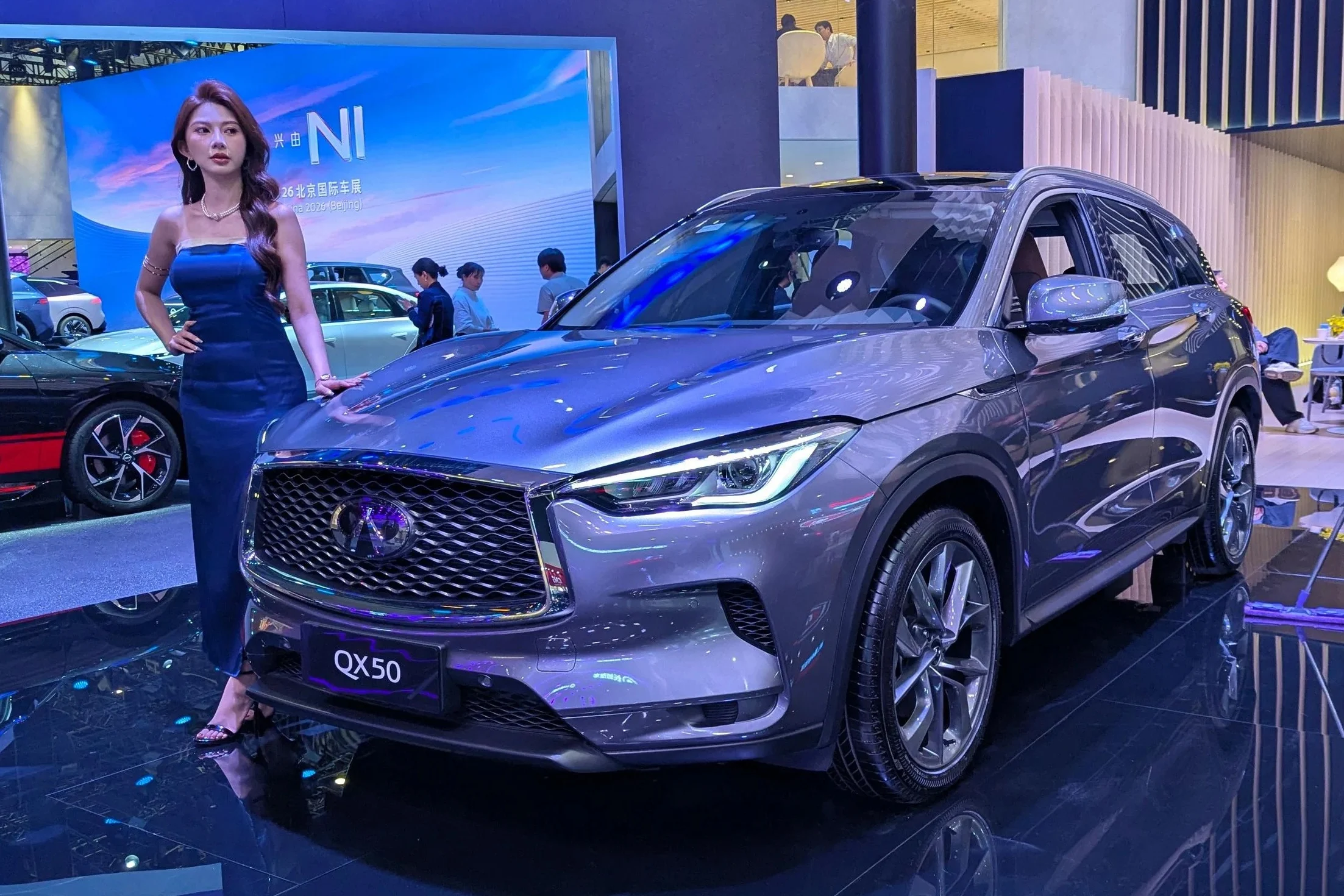
More importantly, a psychological shift is taking place among consumers. With the rapid pace of technological innovation in the EV space, buyers are increasingly hesitant to purchase current models. The anticipation of Auto China 2026 (The Beijing Auto Show), where numerous cutting-edge models are expected to debut, has triggered a “wait-and-see” approach.
A Crisis in Distribution
Beyond consumer psychology, the CPCA highlighted a systemic issue: the struggle of distribution channels. With two consecutive quarters of year-on-year sales declines, many dealerships are finding it nearly impossible to maintain profit margins. This financial strain on dealers is creating an operational ripple effect that threatens the stability of the entire automotive ecosystem in China.