
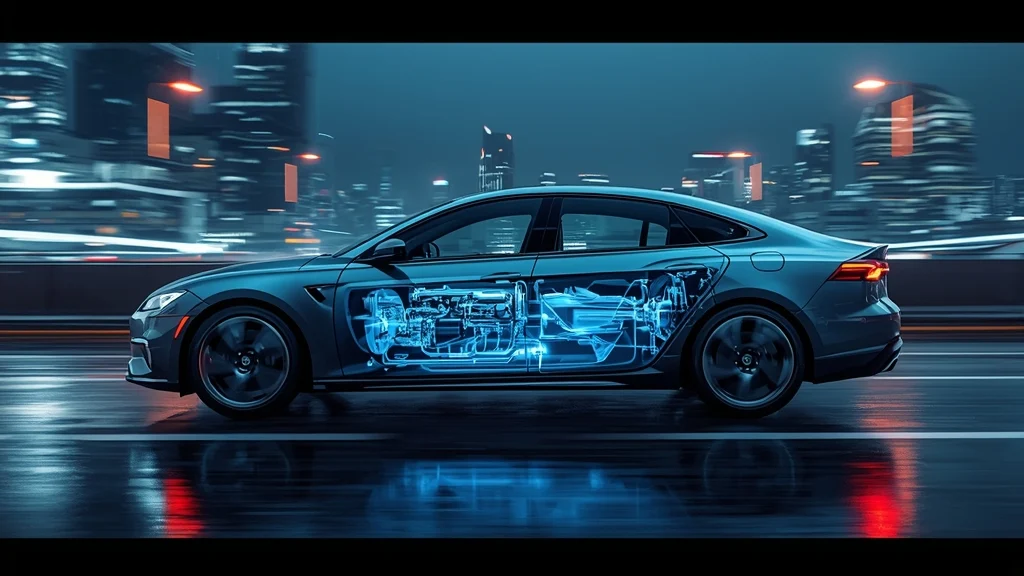
Chinese automakers are pivoting to hybrids to rival Toyota’s global lead. Explore how Geely, Chery, and Changan are redefining HEVs. Read more!
For years, Toyota has been the undisputed king of the hybrid world, setting the gold standard for efficiency and reliability. However, a new challenger is emerging. Chinese automakers are now aggressively pivoting toward Hybrid Electric Vehicles (HEVs), signaling a strategic shift that could reshape the global automotive landscape by 2026.
A Different Approach to Hybrid Technology
While both Toyota and Chinese brands aim for efficiency, their engineering philosophies are worlds apart. Toyota’s hybrid systems typically prioritize the internal combustion engine (ICE), using electric motors to support the engine and maintain a smooth, fuel-efficient ride. While reliable, this mechanical connection can limit the raw power output of the electric drivetrain.
In contrast, Chinese manufacturers like Changan, Chery, and Geely are adopting a “series-parallel” architecture paired with a Dedicated Hybrid Transmission (DHT). In these systems, the electric drive takes the lead, with the combustion engine acting primarily as a generator or operating only during peak efficiency windows.
Performance and Power
This technical pivot results in a noticeably different driving experience. Chinese hybrids often feature larger drive motors (ranging from 130-180 kW), providing significantly punchier acceleration than traditional hybrids. For example, Changan’s Blue Core system utilizes dual motors to offer diverse driving modes: full electric for low-speed city cruising and direct gasoline drive for high-speed highway efficiency.
The Economics of the “Battery Crunch”
The surge in HEV development isn’t just about performance—it’s about the bottom line. In the hyper-competitive Chinese market, cost management is everything. The difference in battery size is the key driver here:
- HEVs (Standard Hybrids): Use small batteries (1-2 kWh), drastically reducing material costs.
- PHEVs (Plug-in Hybrids): Require larger batteries (10-20 kWh).
- BEVs (Battery Electric Vehicles): Require massive packs (50 kWh and above).
By focusing on HEVs, manufacturers can mitigate the risks associated with fluctuating lithium prices and maintain profit margins while keeping vehicle prices affordable for the masses.
Key Players and Future Outlook
Several Chinese giants are already preparing their next moves to capture the hybrid market:
- Geely: Recently unveiled its i-HEV system, targeting an impressive fuel consumption rate of approximately 3 liters per 100 km.
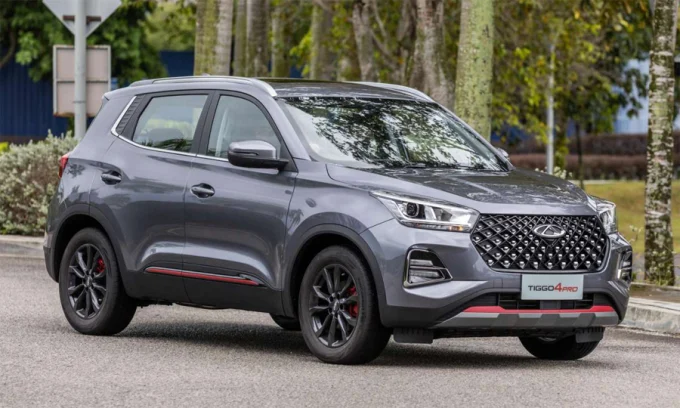
- Chery: Currently testing HEV models with slightly larger batteries (around 5 kWh), effectively blurring the line between a standard hybrid and a plug-in hybrid.
- Changan: Has already begun promotional test drives for its latest HEV lineup, suggesting a full commercial rollout is imminent.
Global Ambitions and Policy Shifts
The pivot to hybrids is a calculated move for international expansion. In many global markets, charging infrastructure remains sparse and electricity costs are high. For these regions, a non-plug-in hybrid is the most practical bridge to electrification—a fact proven by Toyota’s massive success in these territories.
Domestically, China still has a vast population of internal combustion engine (ICE) users. HEVs provide a seamless transition for these drivers who aren’t yet ready to switch to a fully electric lifestyle.
Policy changes are also playing a role. From 2026, tax incentives for PHEVs in China are expected to decrease, moving from full exemptions to partial reductions. As the policy gap between PHEVs and HEVs narrows, the relative appeal of standard hybrids increases.
Conclusion: A Parallel Path to Electrification
It is important to note that Chinese automakers are not simply copying Toyota’s homework. Instead, they are carving out a different technical roadmap—one that emphasizes electric-dominant drivetrains and extreme flexibility.
This shift isn’t a reversal of the electric vehicle trend; rather, it is a parallel strategy. Driven by cost pressures, export requirements, and evolving government policies, the “Hybrid Wave” from China is poised to turn the global automotive market into a fierce battlefield of efficiency and innovation.