
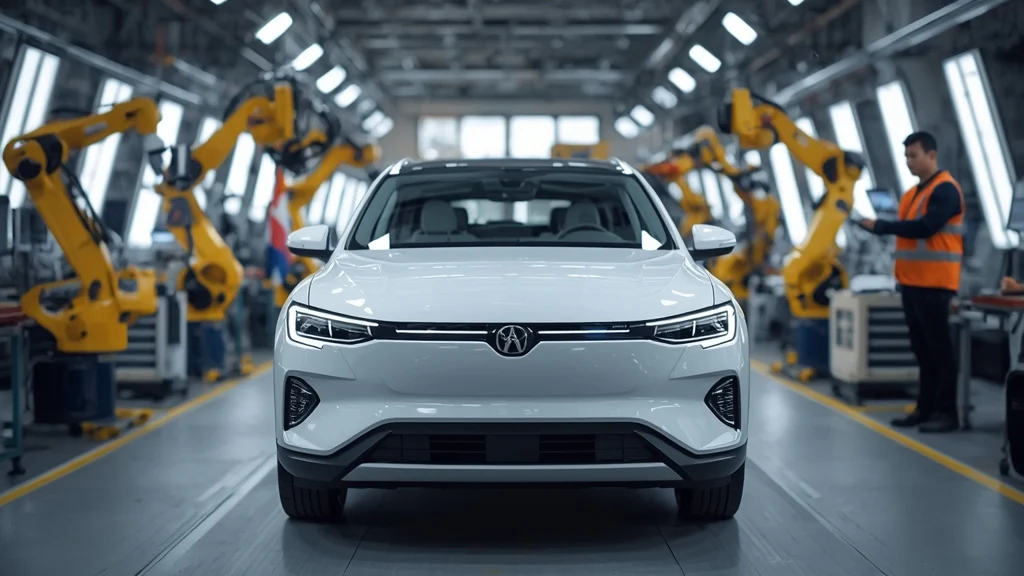
Stellantis will partner with Dongfeng to produce Voyah electric vehicles at its Rennes plant, sidestepping EU tariffs. Learn how this move reshapes the EV market.
Stellantis is preparing to announce a joint venture with Chinese automaker Dongfeng that will see at least one Voyah electric vehicle assembled at the company’s Rennes plant in France, according to Reuters.
Joint‑venture structure
The partnership will be 51% owned by Stellantis, giving the group a controlling stake in the new venture. Voyah is Dongfeng’s premium brand, positioned to compete with other luxury EVs in the European market.
Why produce in France?
Manufacturing the EV in France allows Dongfeng to bypass the European Union’s import duties on electric cars built in China. By localising production, the brand can price its models more competitively while meeting EU regulatory standards.
Broader strategic context
This move follows a recent agreement in which Dongfeng will assemble Jeep and Peugeot models for the Chinese market. Stellantis’ collaboration marks one of the first steps by a traditional Western automaker to encourage Chinese manufacturers to utilise spare capacity at under‑used European factories.
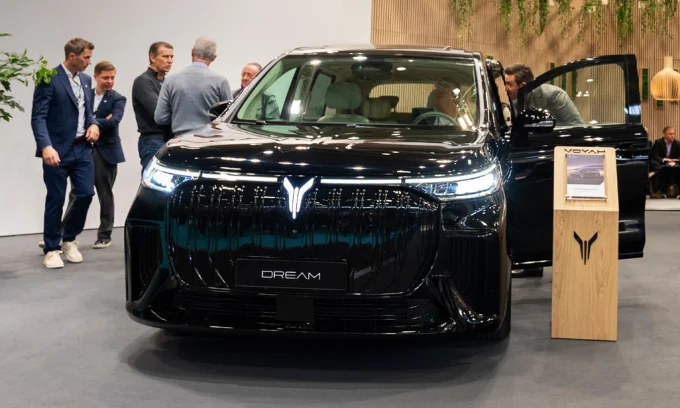
Dongfeng’s current European footprint
Today, Dongfeng’s presence in Europe is modest, limited to a handful of markets such as Italy and Poland. Data from Dataforce projects that by 2025 the combined sales of Dongfeng and Voyah vehicles across the continent will total roughly 3,200 units.
Chinese manufacturers eyeing European capacity
Other Chinese brands, including Chery, are actively seeking to lease excess production lines from European OEMs as a fast‑track route to local manufacturing. For example, Magna already builds Xpeng and GAC models at a plant in Austria.
Market pressure and global ambitions
Facing intense price competition in the world’s largest auto market, Chinese EV makers are expanding rapidly to boost revenue and profit margins. At the Beijing Auto Show in April, Dongfeng announced a target of 4 million vehicles sold worldwide by 2030, with more than 40% of that volume expected from overseas markets.
Stellantis’ parallel moves
Earlier this month, Stellantis signed a joint‑production deal with Leapmotor for a new facility in Spain, where Stellantis also holds a 51% stake. Competitor Volkswagen has hinted at similar collaborations with Chinese firms to share European manufacturing capacity.
The Rennes plant – a brief history
Built in 1960 to support the industrialisation of Brittany, the Rennes site once produced over 400,000 cars annually across three assembly lines in the early 2000s. After a restructuring in the 2010s, the plant now focuses on a single model – the Citroën C5 Aircross – built on one line.
Looking ahead
The Dongfeng‑Stellantis partnership could reshape the European EV landscape, offering Chinese premium electric cars a local foothold while helping Stellantis fill unused factory capacity. Stay tuned for further updates on this evolving collaboration.