
Can EV charging alliances save foreign car brands in Vietnam? Explore the battle for infrastructure and the path to a viable EV ecosystem. Read more!
The New Energy Vehicle (NEV) segment in Vietnam has experienced an explosive surge over the last two years. From a wave of new Chinese entrants to established giants from the US, South Korea, and Japan, the race to capture the Vietnamese electric vehicle (EV) market is heating up. However, beneath the flashy launches and high-tech specs lies a critical roadblock: charging infrastructure.
The Gap Between Technology and Convenience
When entering the market, most brands lead with a checklist of impressive features. Massive center screens, 540-degree cameras, advanced Driver Assistance Systems (ADAS), and high-capacity battery packs are the primary tools used to attract buyers. But for the average consumer, the decision to ditch an internal combustion engine (ICE) isn’t about horsepower or pixels—it’s about convenience.
To overcome ‘range anxiety,’ users need a psychological safety net: a reliable, widespread charging network. While charging takes longer than refueling a gas tank, the certainty that a charger exists outside one’s own home is the deciding factor in whether a consumer will actually purchase an EV.
The ‘Chicken and Egg’ Dilemma
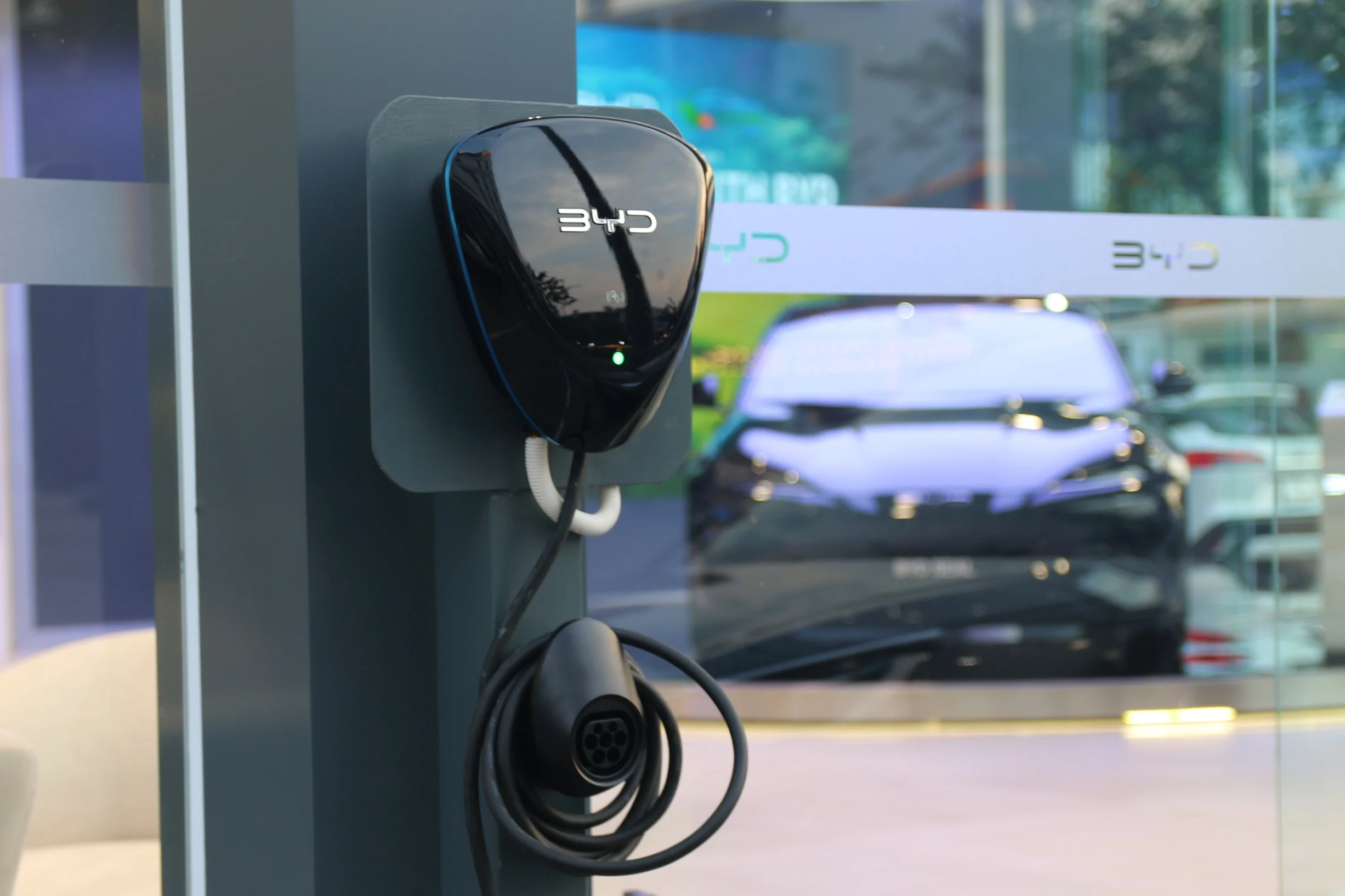
For many foreign brands, this infrastructure gap has been a significant hurdle. Some have been hesitant to commit. For instance, BYD Vietnam’s leadership previously indicated no immediate plans for independent infrastructure investment, while MG has largely pointed users toward third-party charging services rather than building its own network.
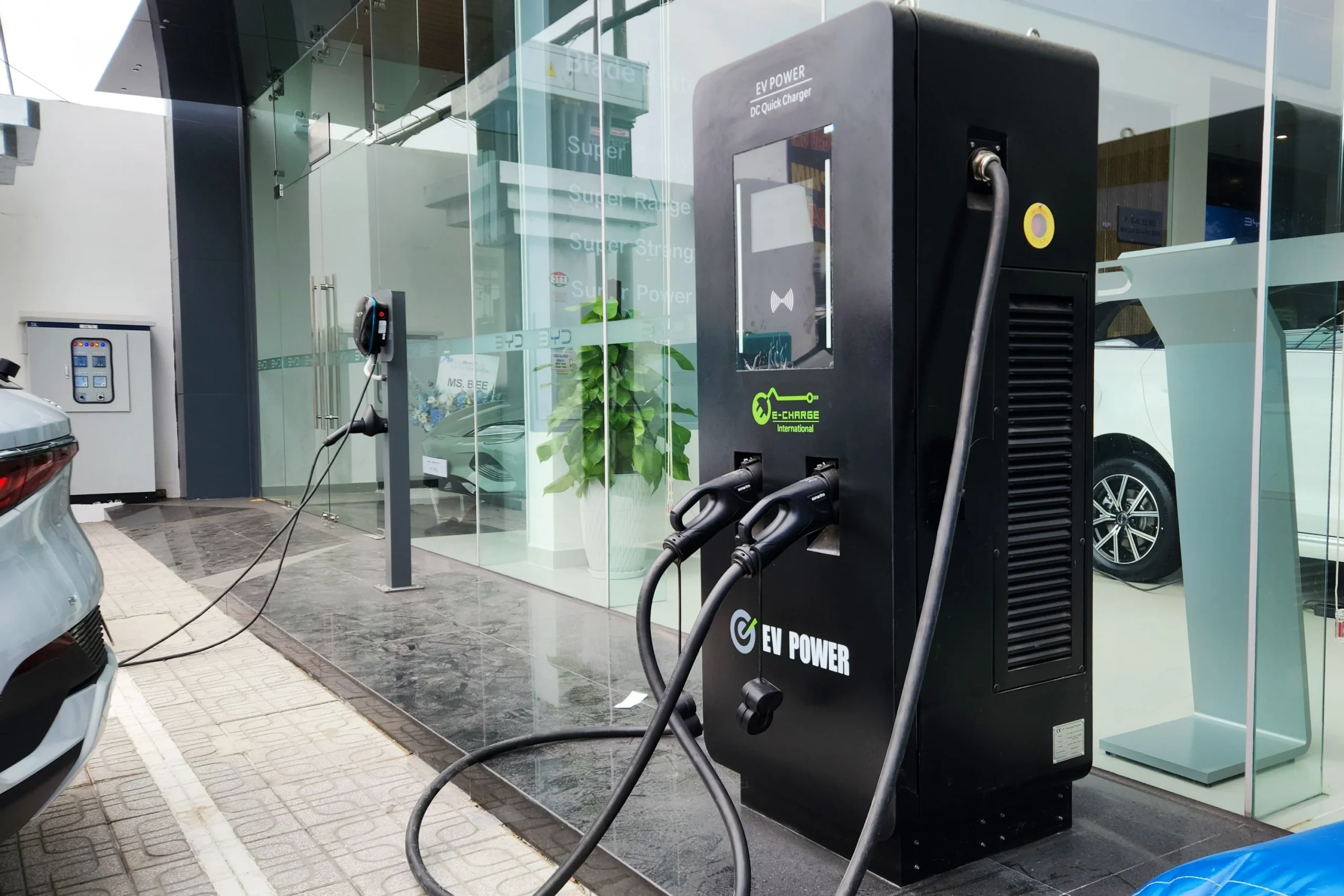
Other brands, like Geely, Omoda & Jaecoo, and TMT Motors, have announced plans. Some have even made ambitious promises about thousands of upcoming stations—claims that critics have labeled as “smoke and mirrors” to drive initial sales. In reality, most available chargers are limited to dealerships or a few scattered locations, which is insufficient for long-distance travel or mass adoption.
This creates a classic paradox: brands are reluctant to invest billions into infrastructure without guaranteed sales, yet consumers won’t buy the cars without the infrastructure. This struggle is magnified by the presence of a dominant domestic EV player that already controls an extensive, exclusive charging network across the country.
The Rise of the ‘Charging Alliance’
To break this deadlock, foreign brands are turning to a strategic alternative: the Charging Alliance. Instead of going it alone, brands are sharing resources to create a more viable ecosystem.
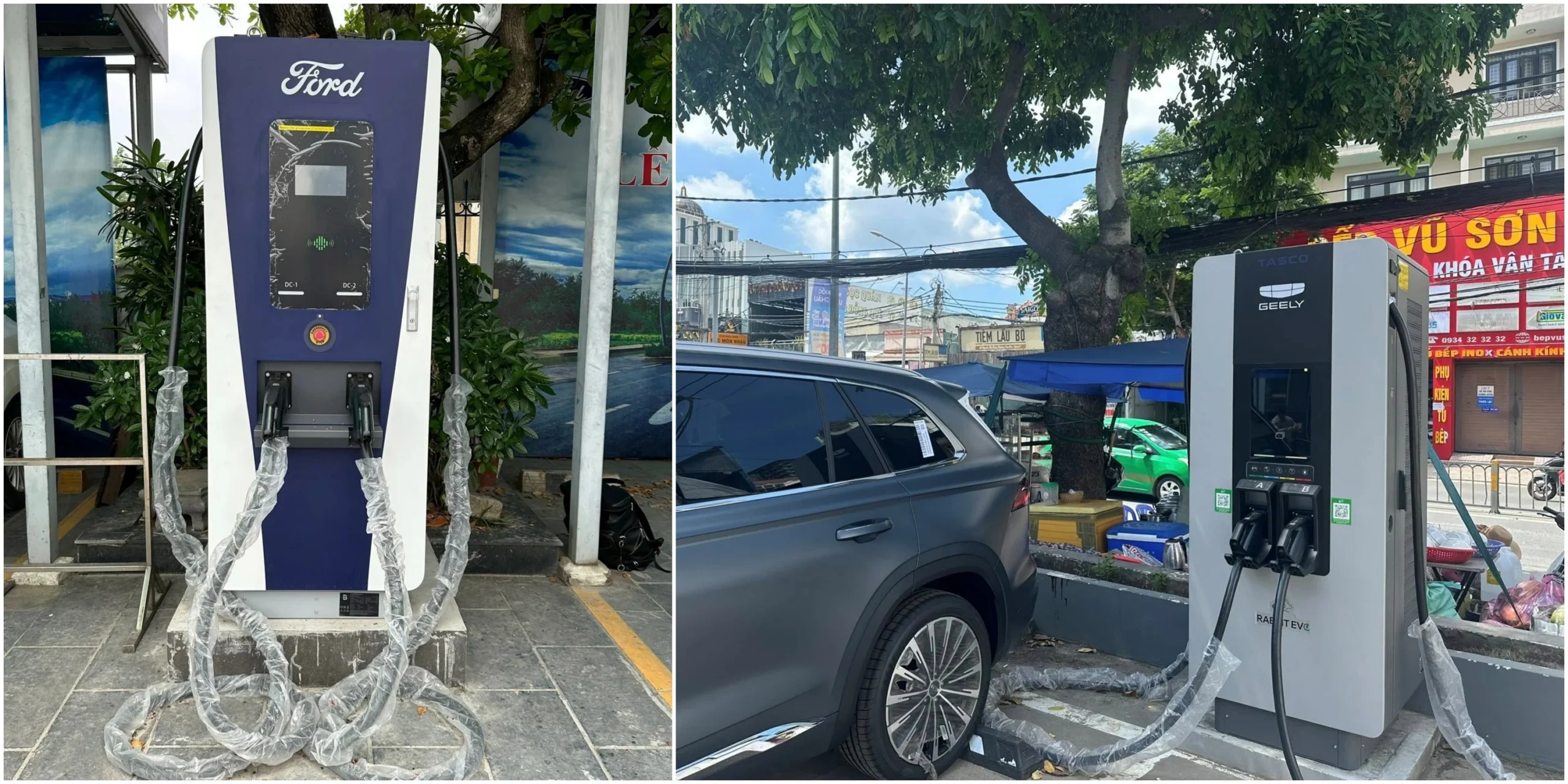
- Tasco Auto & Ford: In a recent high-profile move, Tasco Auto (distributor for Geely, Lynk & Co, and Zeekr) and Ford have partnered to share charging infrastructure, aiming for 89 stations this year.
- TMT Motors: The producer of Wuling EVs has reportedly collaborated with brands like Ford, BYD, Omoda & Jaecoo, Mercedes-Benz, and Audi to share charging points at dealerships.
On the surface, these alliances are a win-win. They build consumer confidence, increase the perceived convenience of foreign EVs, and lower the individual financial burden on each brand.
Is It Enough to Compete?
Despite these partnerships, the road ahead is steep. Even when combining their efforts, the total number of alliance-based chargers remains a fraction of what the market leader offers. Furthermore, there is a risk of imbalance of interest within these alliances.
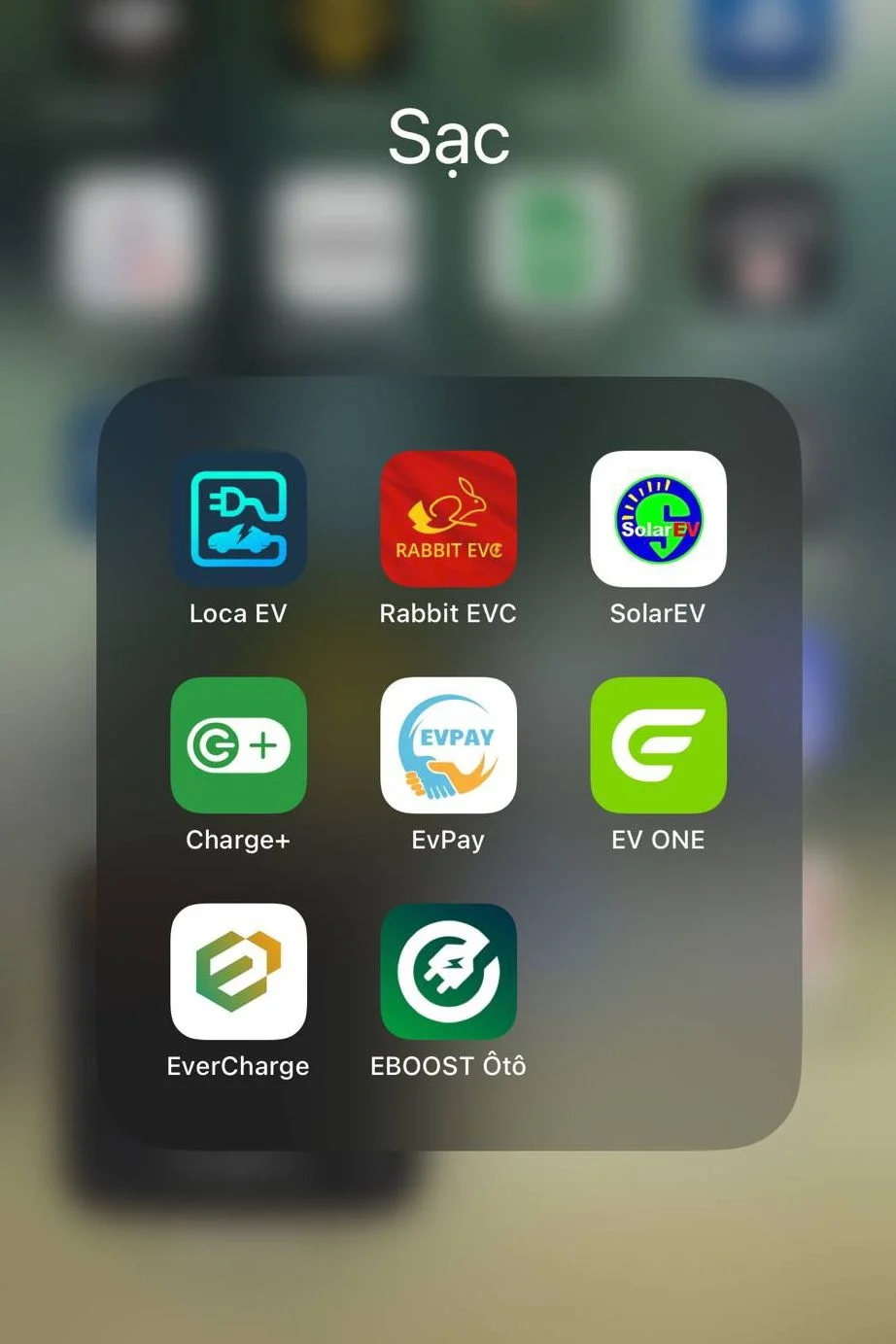
Budget-friendly EV brands with fewer dealerships may benefit disproportionately from the resources of premium brands. If luxury brands find that their sales aren’t growing despite providing the infrastructure for cheaper competitors, the motivation to maintain the alliance could evaporate.
The Missing Piece: Private Networks
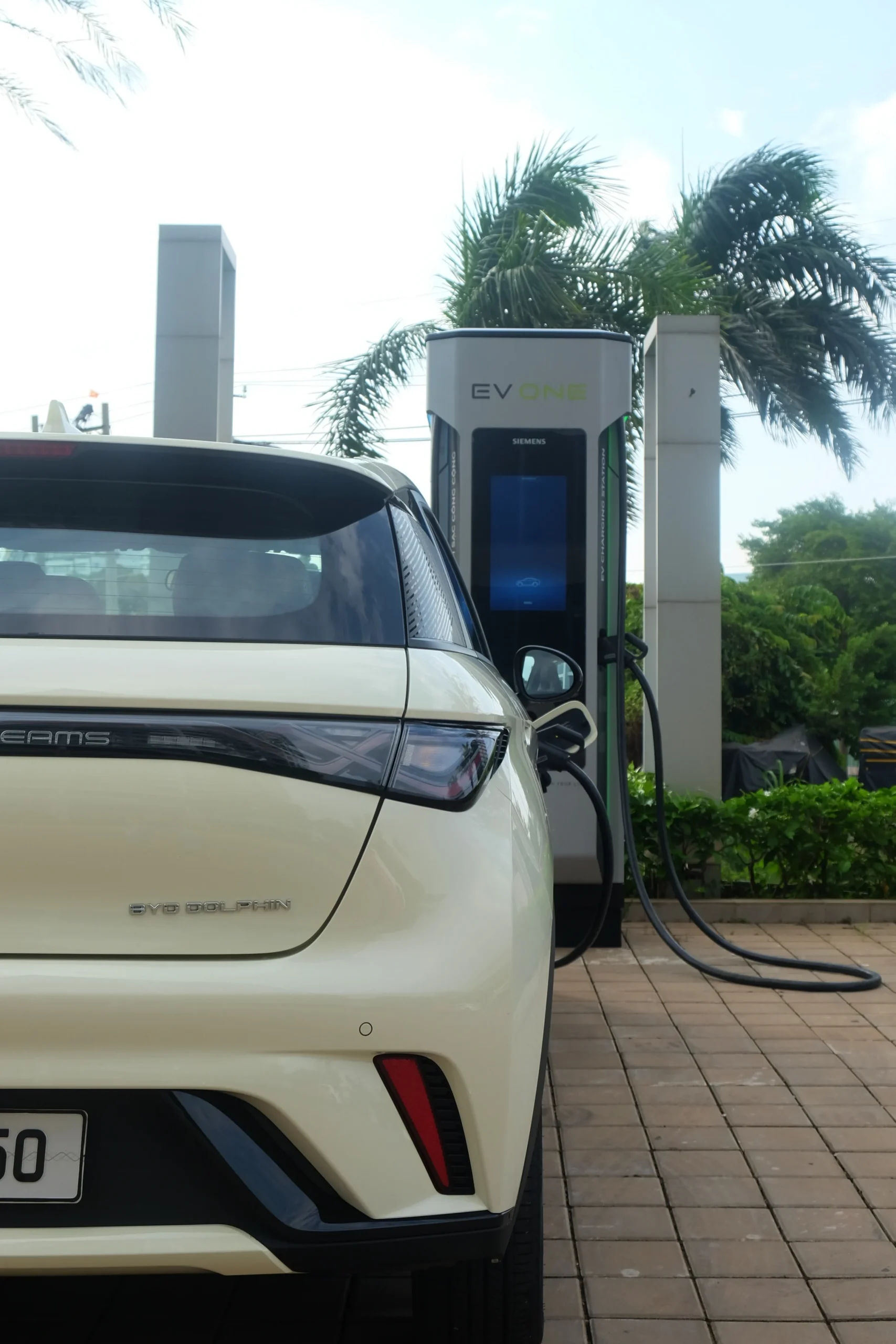
For these alliances to truly succeed, they must look beyond dealership parking lots. Vietnam has several private charging operators—such as EV Rabbit, EV One, Charge+, and EV Power—that are building their own ecosystems. Integrating these private players into a universal alliance would be a game-changer, providing the density and accessibility that users actually need.
Final Verdict: Strategy or PR?
A charging alliance is an inevitable strategy for survival in Vietnam, but it is fraught with challenges. To move beyond mere “marketing hype,” these partnerships require concrete investment commitments and a synchronized rollout of hardware.
For the consumer, a successful alliance means stable pricing and a wider network, moving the EV experience from “charging only at home” to “charging anywhere.” Until these brands move from paper agreements to a fully integrated, open-access ecosystem, the dream of widespread EV adoption for foreign brands will remain just that—a dream.