
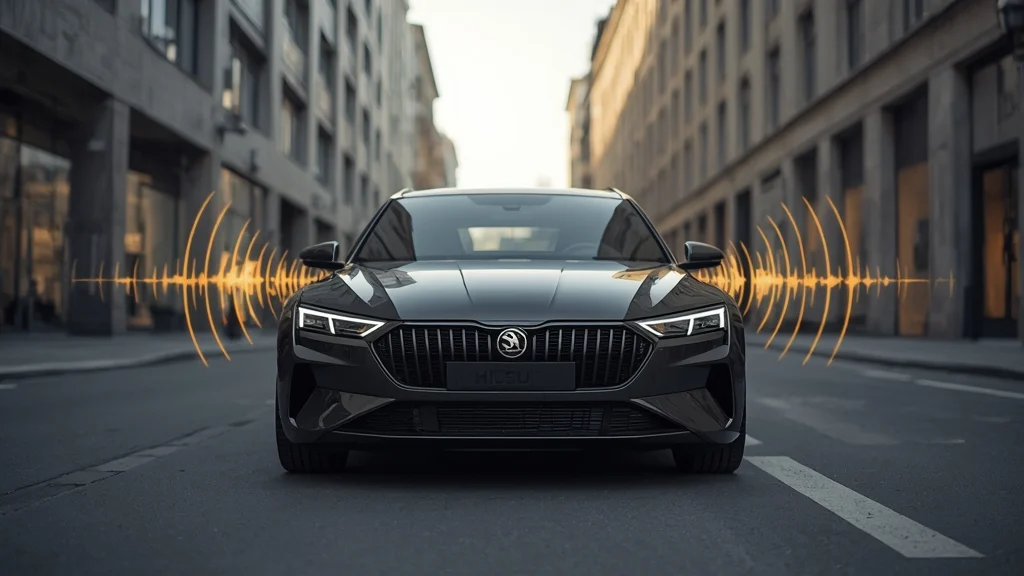
Skoda’s DuoBell prototype uses acoustic engineering to bypass ANC headphones and improve pedestrian safety. Discover how it works here!
Active Noise Cancellation (ANC) headphones have become an essential accessory for millions of commuters, joggers, and urban explorers. While they provide a sanctuary of silence in a noisy world, they have inadvertently created a dangerous gap in road safety. For cyclists, the traditional “ding” of a bike bell is often completely erased by these devices, leaving pedestrians unaware of approaching riders.
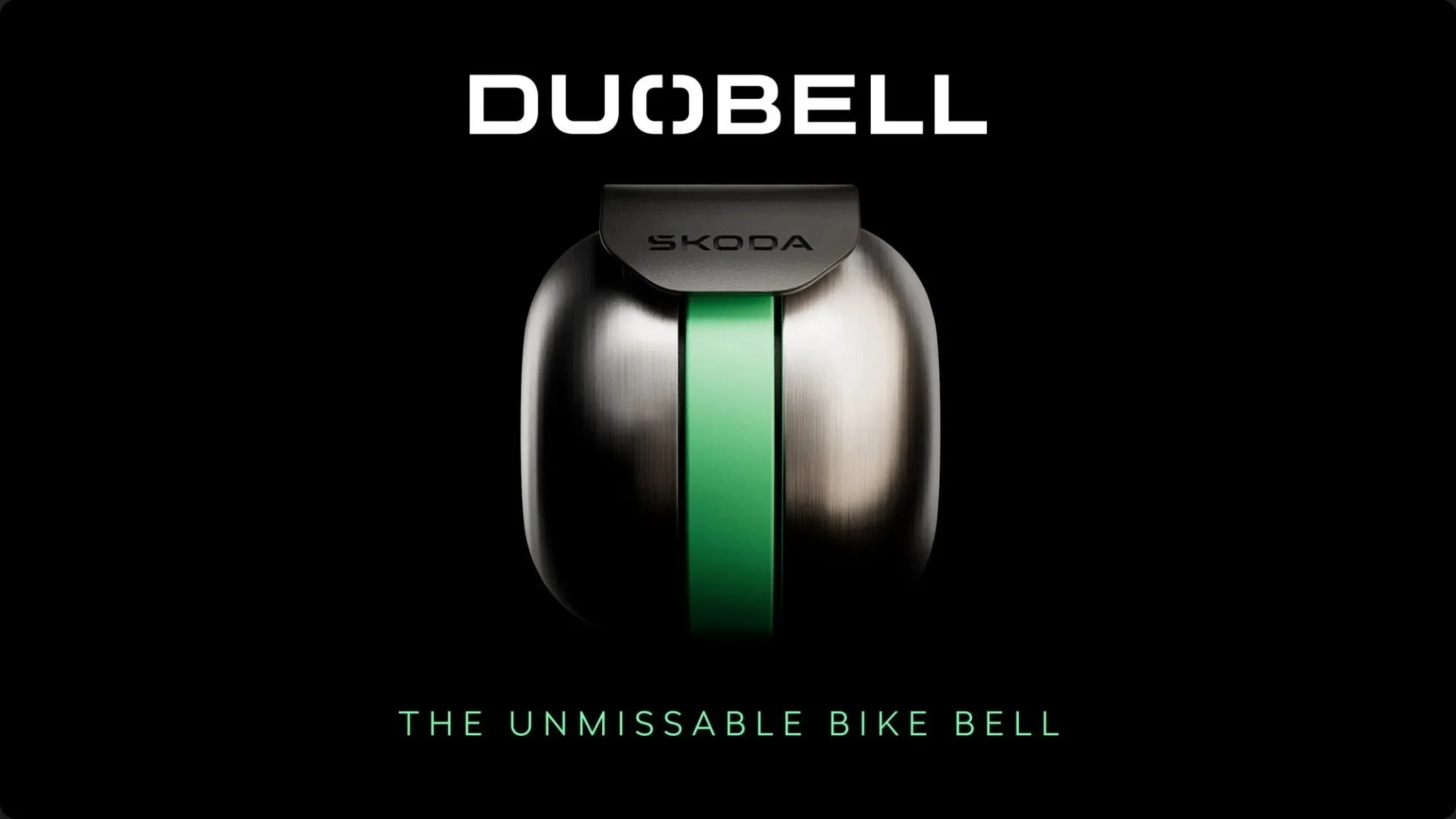
Recognizing this growing urban hazard, the Czech automotive giant Skoda has developed an innovative prototype called the DuoBell—a bicycle bell specifically engineered to penetrate the digital wall of noise-canceling technology.
The Hidden Danger of ANC in Urban Areas
The inspiration for DuoBell came from a sobering reality in modern cities. In collaboration with acoustics experts and researchers from the University of Salford, Skoda conducted an extensive study on how ANC headphones affect auditory awareness in pedestrian environments.
The findings were startling. In London, approximately 50% of pedestrians now use headphones with active noise cancellation. This lack of situational awareness has real-world consequences; according to Transport for London, collisions between cyclists and distracted pedestrians surged by 24% in 2024 alone.
Engineering the “Blind Spot”
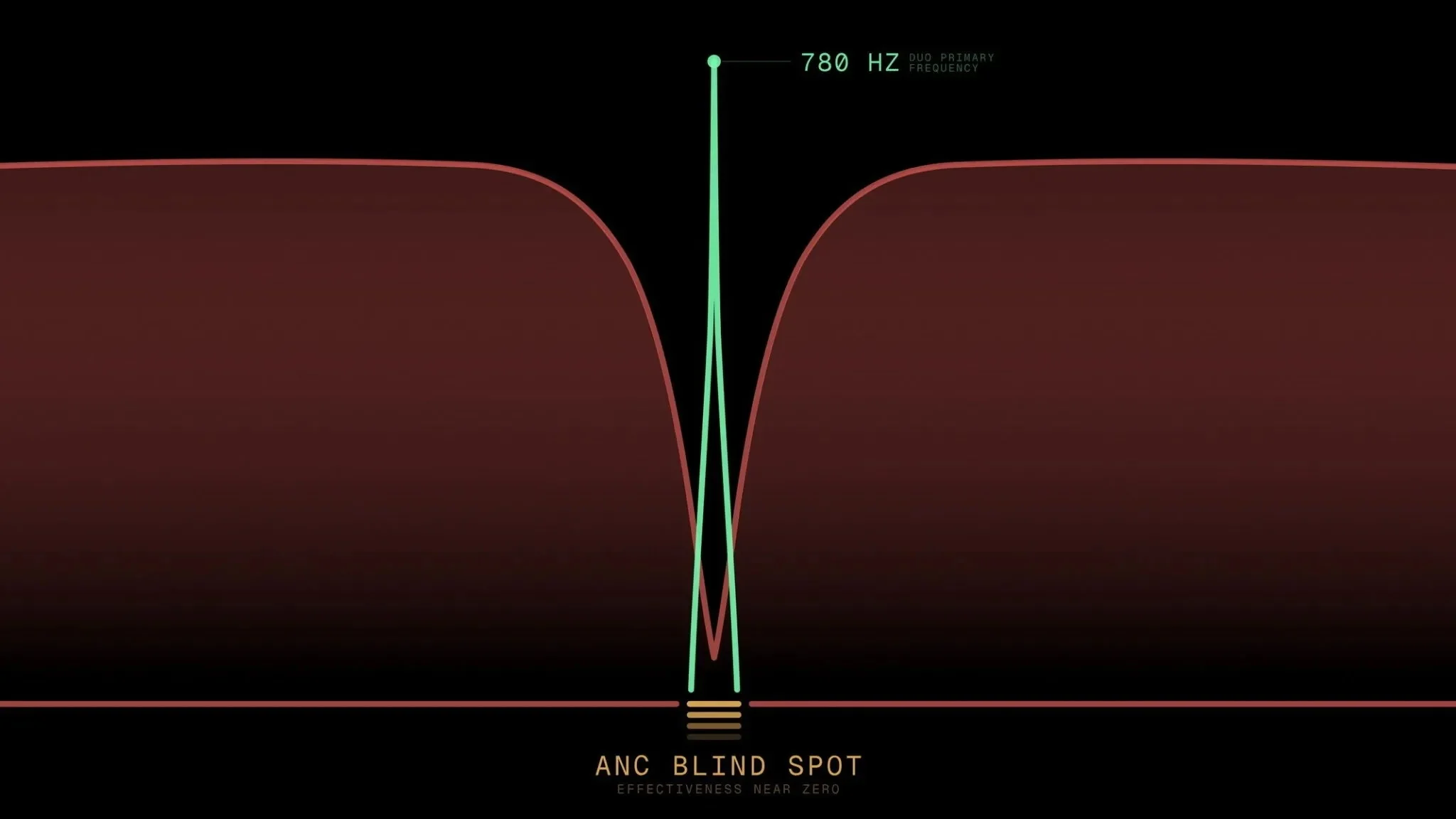
Rather than simply making the bell louder—which would be disruptive and potentially ineffective against high-end ANC—the research team took a more surgical approach. They looked for a “blind spot” in how ANC algorithms process sound.
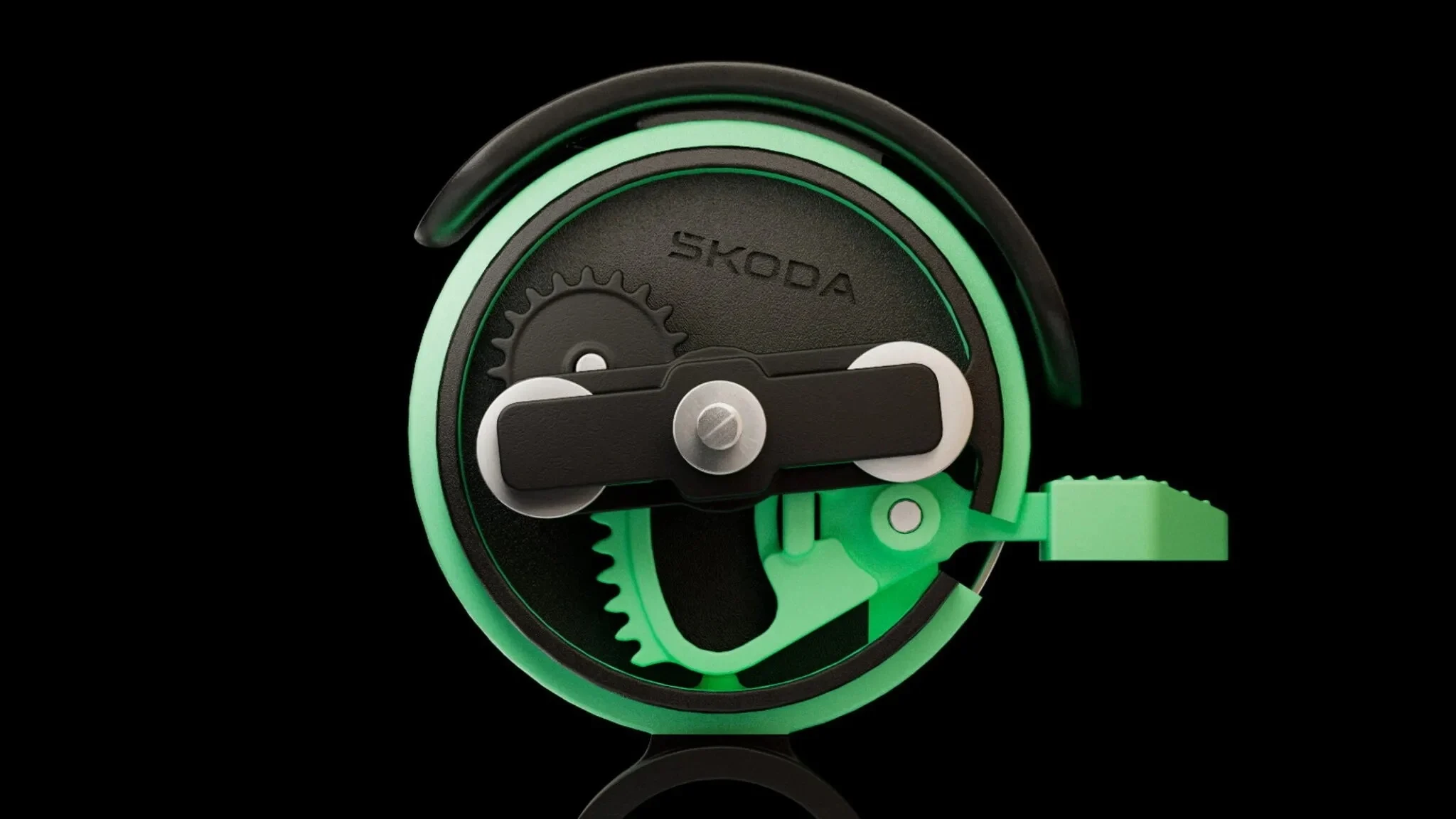
Most current ANC systems struggle to identify and neutralize frequencies within the 750-780 Hz range. The DuoBell was specifically tuned to emit sound within this narrow window. To further confuse the noise-canceling algorithms, Skoda added a second resonator and an irregular striking hammer.
Because the sound pattern is unpredictable and falls within a frequency the software cannot quickly recognize, the ANC system fails to cancel it out in time. Remarkably, this was achieved through purely mechanical acoustic design, avoiding the need for electronics or batteries.
Real-World Impact: More Time to React
The results of the testing phase were significant. Pedestrians wearing ANC headphones had an additional 22 meters of reaction distance when a cyclist used the DuoBell compared to a standard bike bell.
In a high-speed urban environment, those extra meters can be the difference between a near-miss and a serious accident. This efficacy was praised by Deliveroo couriers in London, who tested the prototype during their shifts and expressed a strong desire to adopt the technology permanently.
Where Form Meets Function
Beyond its technical prowess, the DuoBell is a piece of design art. It follows Skoda’s “Modern Solid” design language, utilizing materials, finishes, and colors that mirror the aesthetics of the brand’s current vehicle lineup. It is not just a safety tool, but a premium accessory that complements the modern city bike.
The Future of DuoBell
While the DuoBell is currently a prototype and Skoda has no immediate plans for a mass-market commercial release, the project serves a greater purpose. The Czech manufacturer is sharing the research data and acoustic findings with the wider industry.
By open-sourcing the logic behind the DuoBell, Skoda hopes to encourage other manufacturers to develop similar safety solutions, ensuring that as our headphones get smarter, our cities stay safer.