
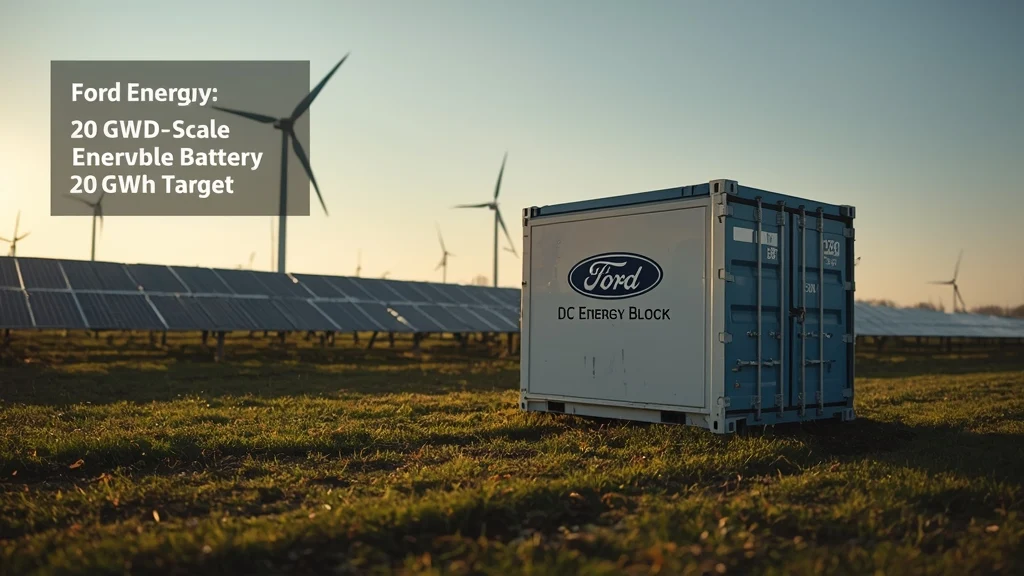
Ford launches Ford Energy, aiming to deliver 20 GWh of battery storage annually in the US. Discover its BESS products, market impact, and Tesla rivalry. Learn more now!
Ford has officially entered the fast‑growing battery energy storage system (BESS) market with the creation of Ford Energy, a wholly‑owned subsidiary dedicated to designing and assembling large‑scale battery packs for industrial and commercial use.
Why Ford Is Moving Into Energy Storage
The global demand for grid‑scale storage is surging as renewable power and data‑center capacity expand. According to the U.S. Energy Information Administration, more than 40 GW of storage was added in the past five years, making battery storage one of the fastest‑growing power sources in the United States.
Ford sees a strategic gap: the need for reliable, long‑life storage to balance intermittent solar and wind generation and to keep data‑center grids stable. By offering its own BESS solutions, the automaker aims to capture a slice of this multi‑billion‑dollar market while leveraging its existing EV expertise.
Ford Energy’s Ambitious Targets
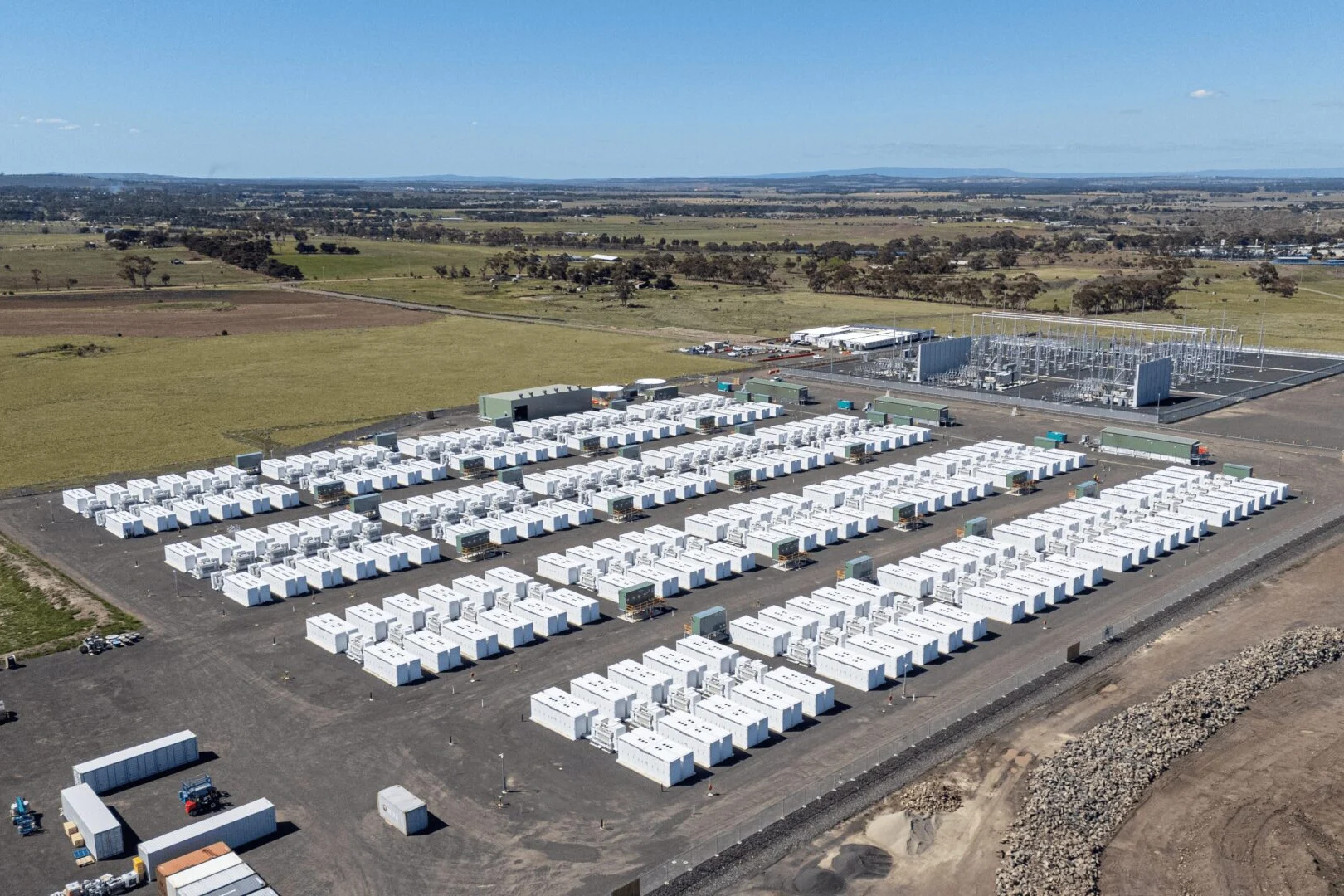
Ford Energy plans to achieve a minimum of 20 GWh of storage capacity per year in the United States, with the first deployment slated for the end of 2027. The company will focus on the industrial and commercial sectors, positioning its products as “assembled in the USA” rather than fully domestically manufactured, reflecting a global supply‑chain approach.
Product Line‑up: The Ford DC Energy Block
The flagship offering is the Ford DC Energy Block, a 20‑foot (6.1 m) containerized system built around 512 Ah lithium‑iron‑phosphate (LFP) prism‑cell modules. Two variants are planned:
- FE‑250 – 2‑hour discharge duration, ideal for short‑term peak shaving.
- FE‑450 – 4‑hour discharge duration, suited for longer‑duration load shifting.
Both models are engineered for a 20‑year operational life and feature liquid‑cooling to maintain optimal cell temperatures.
Where It’s Built
The final assembly will take place at Ford’s battery plant in Glendale, Kentucky. The facility, originally set up for EV battery production, has been retooled to accommodate the larger, container‑based BESS units.
Competitive Landscape: Tesla’s Energy Business
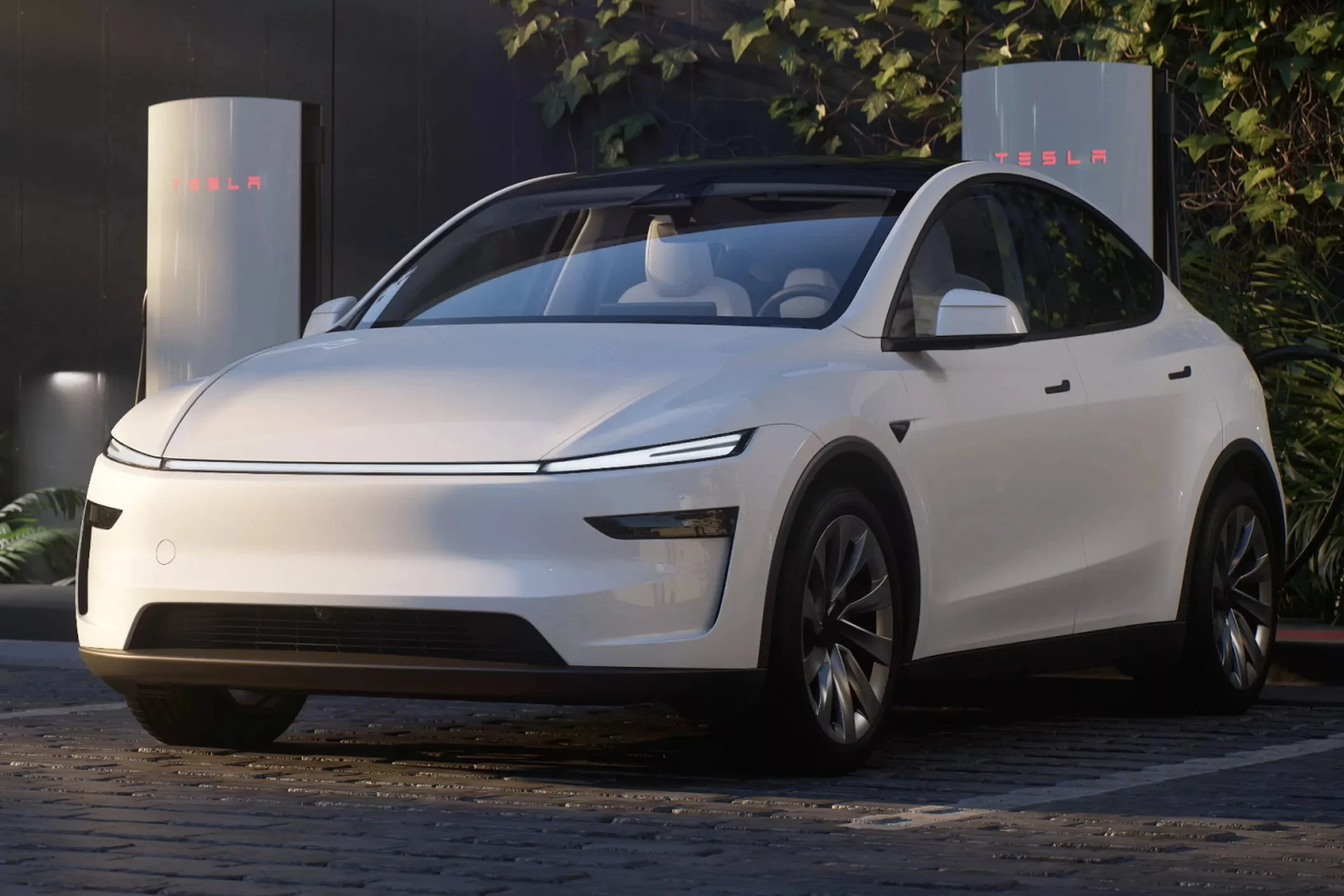
Ford’s move mirrors the success of Tesla’s Energy division, which recently reported record revenues from battery storage and solar offerings that outpace the sales of its Model Y and Model 3 in several markets. By entering the same arena, Ford hopes to challenge Tesla’s dominance and diversify its revenue streams beyond traditional vehicle sales.
Synergy With Ford’s EV Strategy
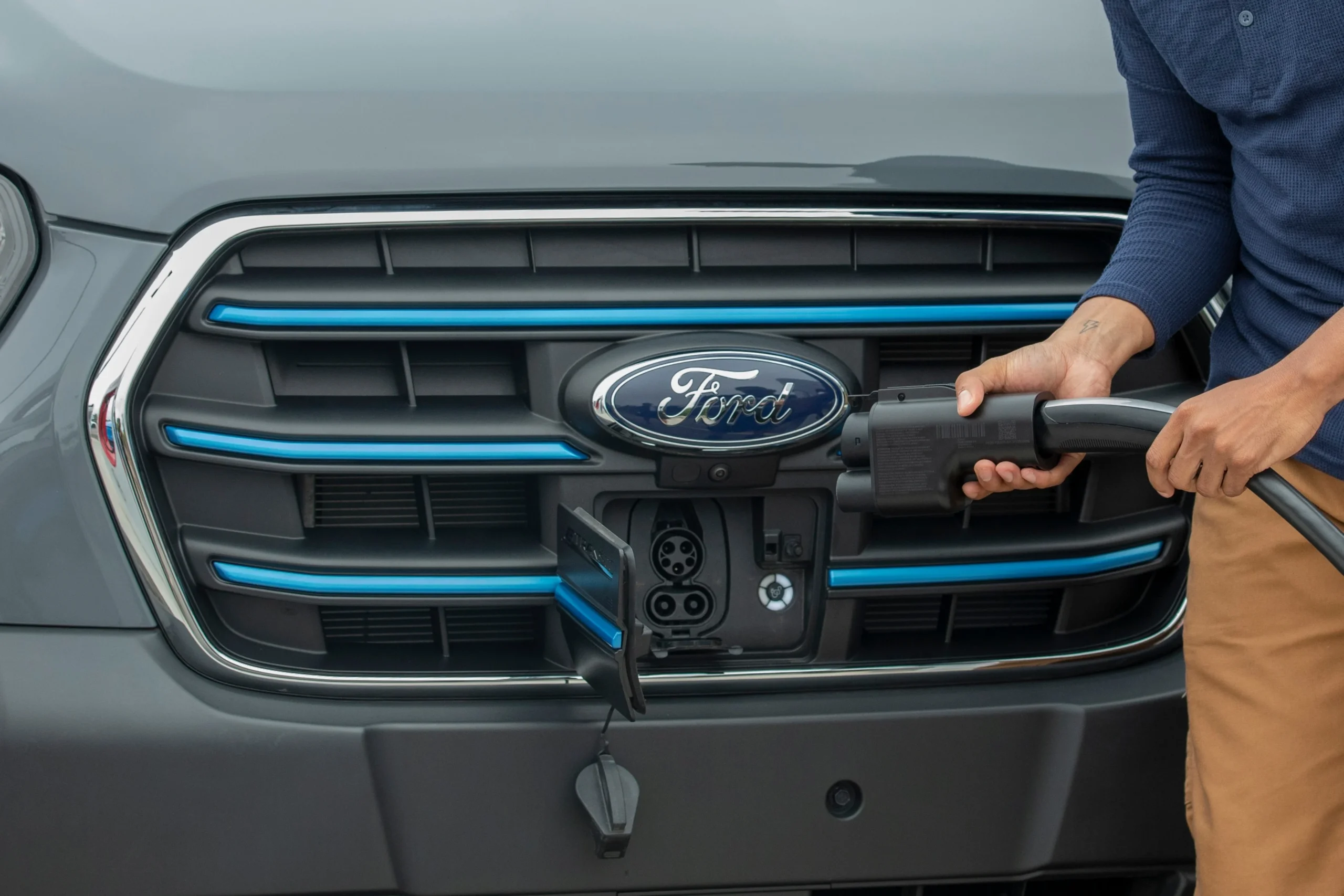
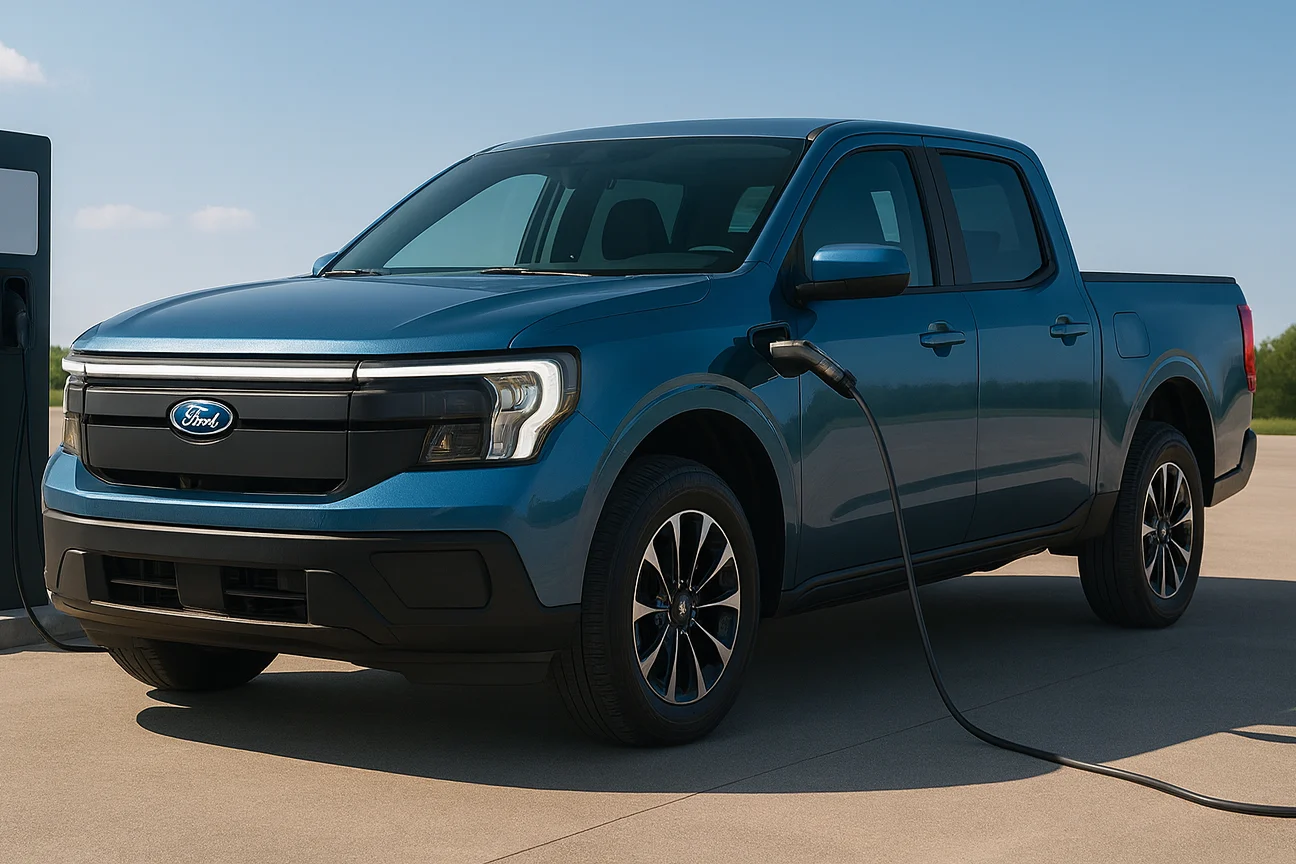
Ford also announced a new line of affordable electric vehicles, including a Ranger‑sized pickup expected in 2027 with a starting price around $30,000. These models will use a 400 V architecture and LFP batteries—the same chemistry underpinning Ford Energy’s storage solutions—creating economies of scale across both vehicle and stationary‑storage production.
Leadership Insights
CEO Jim Farley admitted that Ford has learned a great deal from studying Tesla’s engineering decisions. For example, a recent analysis revealed that the Mustang Mach‑E’s wiring harness weighs roughly 32 kg more and is 1.6 km longer than Tesla’s equivalent, reflecting divergent design philosophies: Tesla optimizes for size and cost, while Ford historically leaned on conventional supply‑chain practices.
Looking Ahead
The launch of Ford Energy signals a broader industry trend—automakers are evolving into comprehensive energy ecosystem players. As electric vehicles, grid‑scale storage, and smart‑grid technologies converge, manufacturers that can offer integrated solutions are poised to thrive.
Stay tuned for updates on Ford Energy’s first installations, pricing, and how its BESS offerings stack up against the competition.