
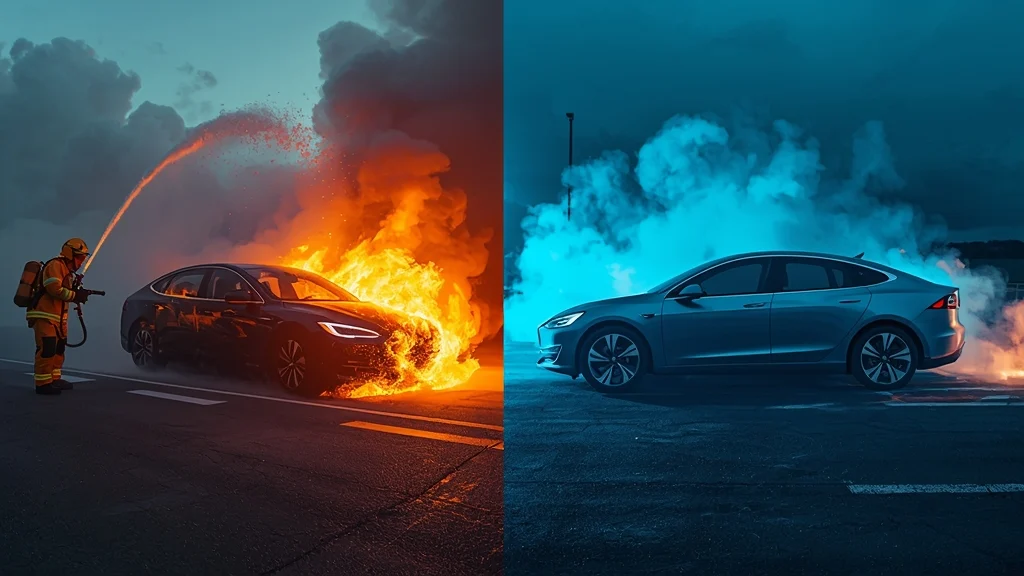
Discover the critical differences in extinguishing gas and electric vehicle fires to keep yourself safe. Learn the essential tips here!
As summer temperatures peak across the globe, the risk of vehicle overheating increases. While rare, vehicle fires can happen to any car, regardless of whether it runs on gasoline or electricity. However, because the propulsion systems and heat signatures are fundamentally different, the methods used to extinguish them are worlds apart.
The Nature of Gasoline Car Fires
Gasoline is a highly flammable liquid that ignites quickly. In the event of a collision or a leak, gasoline evaporates rapidly. When this vapor mixes with oxygen and meets a spark, it creates a fast-spreading fire that follows the flow of the liquid.
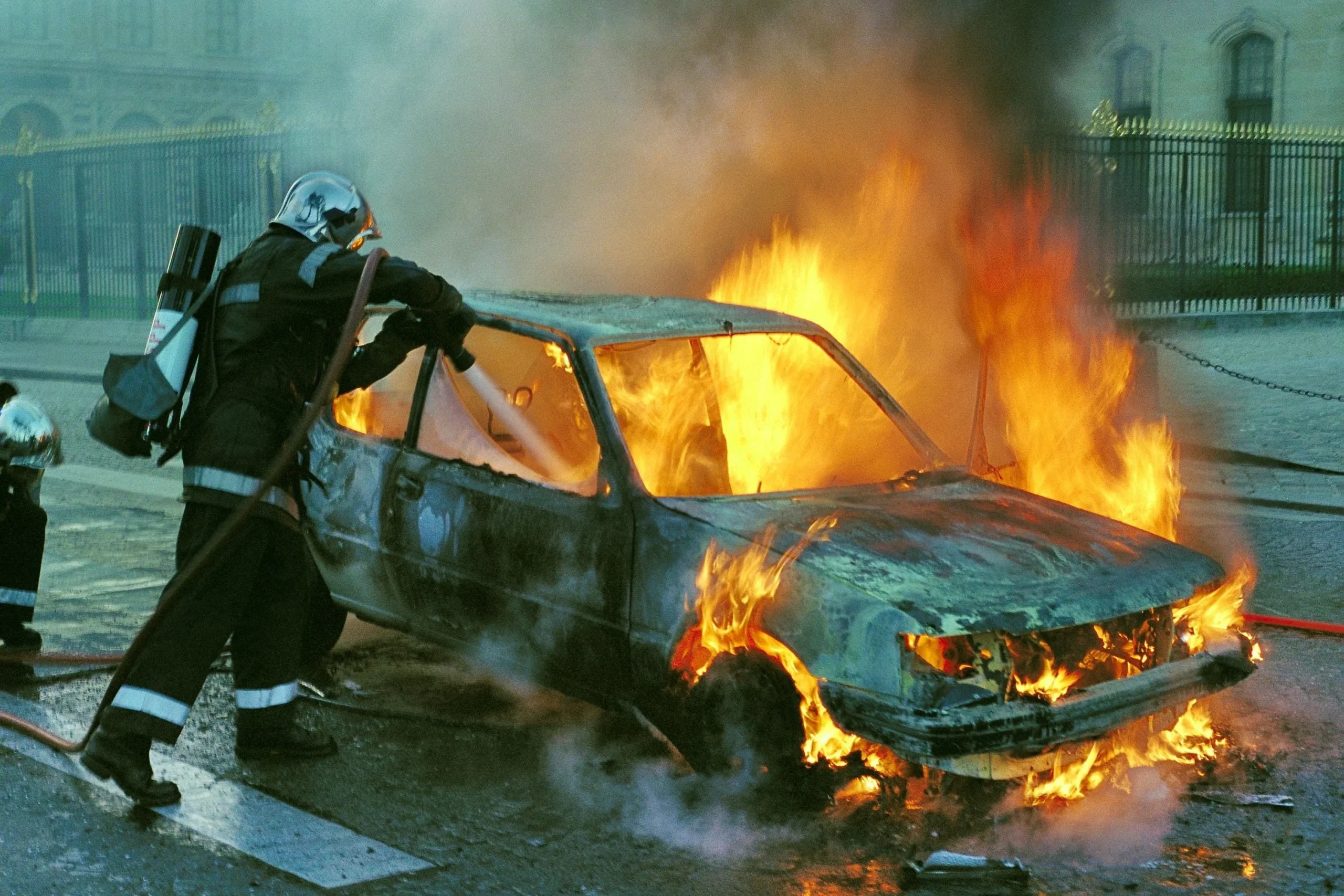
How to Extinguish a Gas Car Fire
The key to fighting a gasoline fire is cutting off the oxygen supply. Because gasoline requires external oxygen to stay lit, firefighters and car owners can use specific tools to smother the flames:
- Specialized Foam: This is the most effective tool. Foam spreads across the surface of the fuel, isolating it from the air and cutting off the oxygen supply, which quickly kills the fire.
- Dry Powder Extinguishers: For small, early-stage fires, handheld powder extinguishers can create a chemical “cloud” that interrupts the combustion reaction and slows the spread.
- The Role of Water: While water is commonly used, it is generally not effective at putting out a gasoline fire. In these cases, water serves primarily to cool the vehicle’s body and prevent the fuel tank from exploding due to heat.
The Complexity of Electric Vehicle (EV) Fires
If a gasoline fire is a battle against flammable liquid, an EV fire is a battle against a complex chemical reaction. Most EVs use Lithium-ion batteries, which behave very differently when they fail.
The Danger of “Thermal Runaway”
When an EV battery is severely damaged, it can trigger a phenomenon known as thermal runaway. Unlike gasoline, which needs oxygen from the air, a failing Lithium-ion battery can generate its own heat and release its own oxygen internally. This means the fire can burn intensely even without access to outside air.
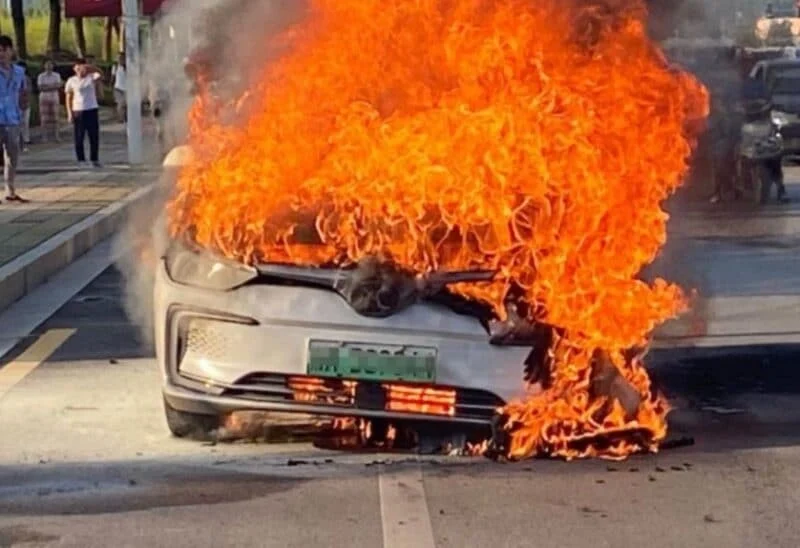
How to Extinguish an EV Fire
Because they are self-sustaining, traditional foam or powder extinguishers are largely ineffective against EV battery fires. The goal shifts from “smothering” to “extreme cooling.”
- Massive Amounts of Water: To stop the chain reaction between battery cells, an enormous volume of water—often between 10,000 to 40,000 liters—is required. Fire departments use high-pressure hoses to cool the battery pack located under the chassis for several hours.
- Water-Based Extinguishers: Specialized firefighting equipment based on water agents can also be effective.
- Fire Blankets and Immersion Tanks: Rescue teams often use heavy-duty fire blankets to isolate the heat and prevent the fire from spreading to nearby vehicles. In some advanced cases, the entire vehicle is submerged in an immersion tank to cool the battery core.
Warning: An EV fire is not necessarily “out” just because the flames disappear. Heat can remain trapped inside the battery cells, leading to a risk of reignition hours or even days later.
Essential Safety Summary
Understanding the science behind these fires allows drivers to react more effectively in an emergency. If your vehicle catches fire, remember these critical steps:
- Distance Yourself: Immediately move as far away from the vehicle as possible.
- Call Professionals: Contact emergency services and the fire department immediately.
- Use Appropriate Tools: Only attempt to use a fire extinguisher if it is safe to do so and appropriate for the fuel source.
Your safety is the priority. By knowing the differences between ICE and EV fires, you can better protect yourself and others in the event of a roadside emergency.