
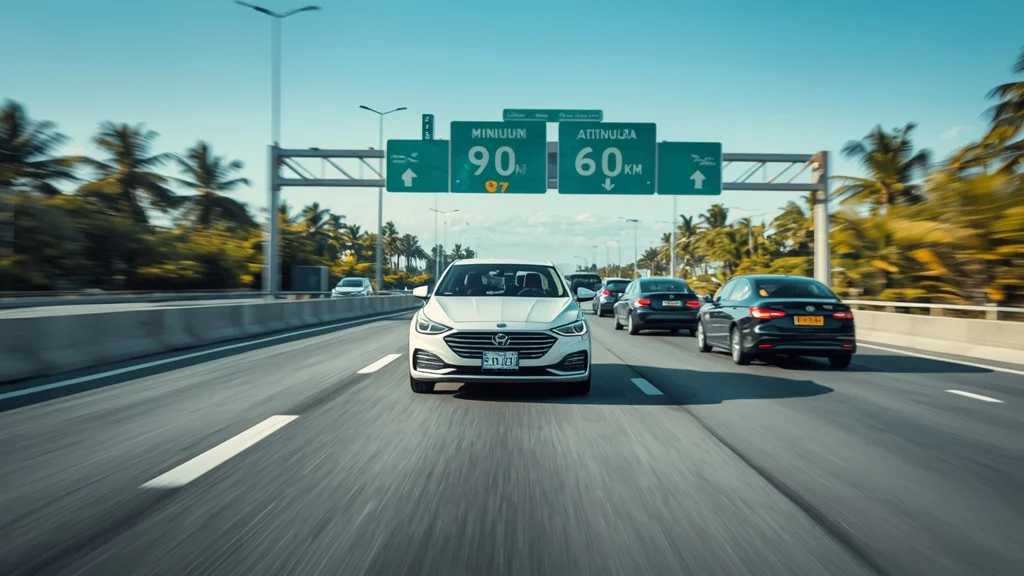
Find out if driving 60 km/h in the left lane on a highway breaks Vietnamese traffic law and learn safe lane‑discipline tips. Read the full guide now!
As Vietnam’s expressway network stretches from north to south, the conversation around driver etiquette has moved from the back‑seat to the front‑page of social media. A recurring complaint on online forums is the growing number of motorists who hug the left‑most lane—right next to the median barrier—while cruising at the minimum speed of 60 km/h. Is this practice a harmless habit, or does it breach traffic regulations?
What the Law Says
According to Vietnamese Circular No. 38, the maximum speed allowed on expressways cannot exceed 120 km/h. The same regulation also permits a minimum speed of 60 km/h on sections where a minimum speed sign is posted. In this narrow context, maintaining exactly 60 km/h is not a legal violation.
However, the law also mandates that drivers use the lane that best matches their speed. The leftmost lane is designated as the fast lane for overtaking and for vehicles traveling at or near the maximum speed. Driving significantly slower in that lane can be interpreted as impeding traffic flow, which is punishable under Article 5 of the Road Traffic Law.
Why the Left Lane Matters
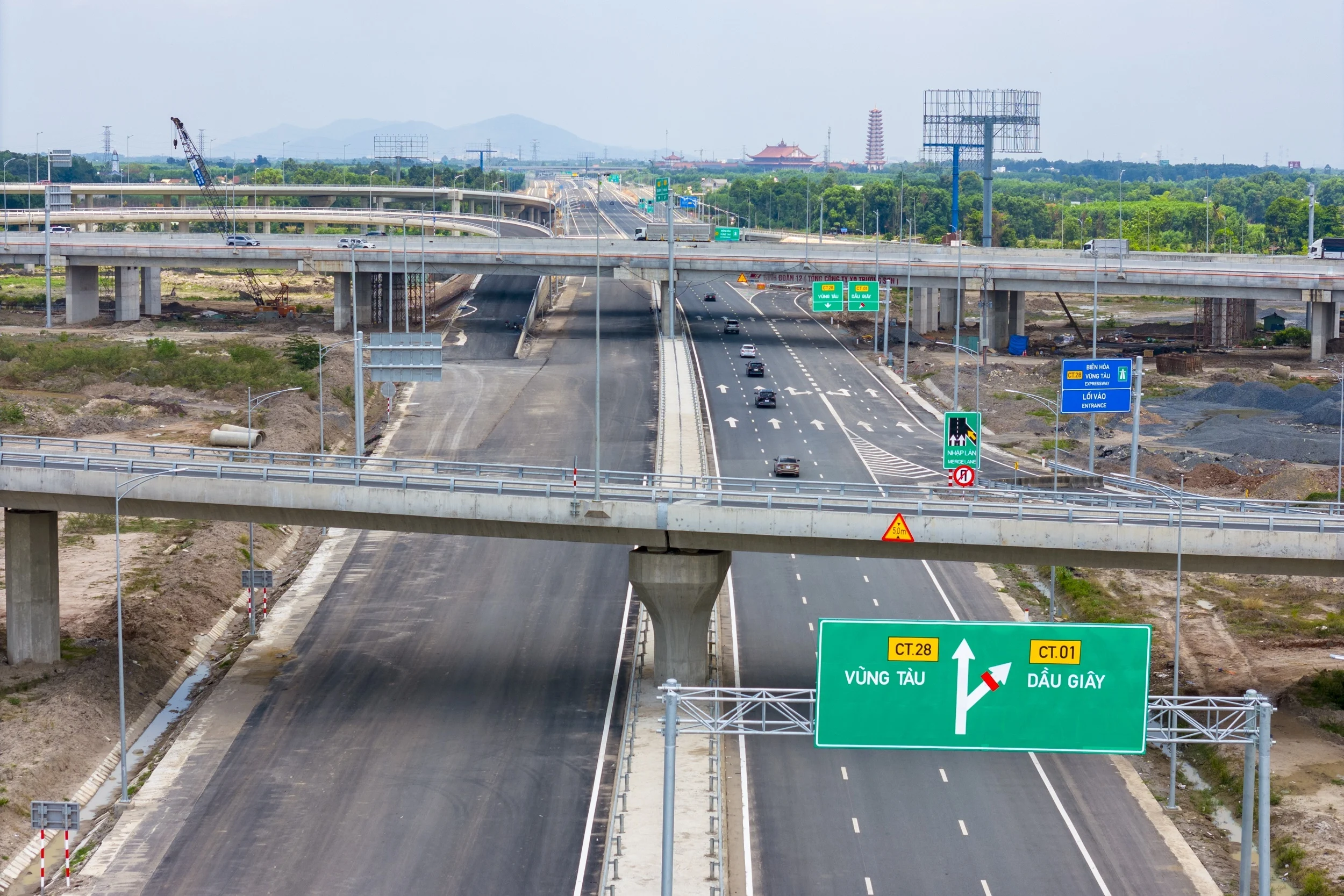
Expressways are designed for high‑speed travel, typically ranging from 60 km/h to 120 km/h. The left lane is intended for vehicles that are either overtaking or already traveling at the upper end of that range. When a car moves at the minimum speed in the leftmost lane, it creates a moving bottleneck:
- Faster traffic behind must brake abruptly or change lanes suddenly, increasing the risk of rear‑end collisions.
- Lane changes become more frequent, leading to turbulence in traffic flow and higher fuel consumption.
- Drivers may become frustrated, which can escalate into unsafe road‑rage incidents.
Enforcement in Practice
Since the rollout of highway surveillance cameras in 2023, authorities have started issuing fines for two main infractions:
- Traveling below the posted minimum speed without a valid reason (e.g., vehicle malfunction).
- Obstructing traffic by occupying the fast lane at a speed that is significantly lower than the prevailing flow.
Typical penalties include a monetary fine ranging from VND 500,000 to 1,000,000 and, in severe cases, temporary suspension of the driver’s license.
Best Practices for Safe Lane Discipline
To keep traffic smooth and avoid penalties, consider the following guidelines:
- Stay in the right‑hand lanes if you plan to travel at or near the minimum speed.
- Accelerate to match the flow when you need to use the left lane for overtaking.
- Use signals early when changing lanes, giving drivers behind ample time to react.
- Maintain your vehicle so you can safely sustain speeds within the 60‑120 km/h band.
- Be aware of signage; if a minimum‑speed sign is missing, the default safe speed is the flow of traffic, not a fixed 60 km/h.
Conclusion
Driving exactly 60 km/h on a highway is not illegal per se, but staying in the leftmost lane at that speed can be considered a traffic obstruction under Vietnamese law. By respecting lane hierarchy and matching your speed to the prevailing flow, you contribute to a safer, more efficient expressway system—and keep your wallet free of fines.
Stay informed, drive responsibly, and enjoy Vietnam’s expanding highway network.