
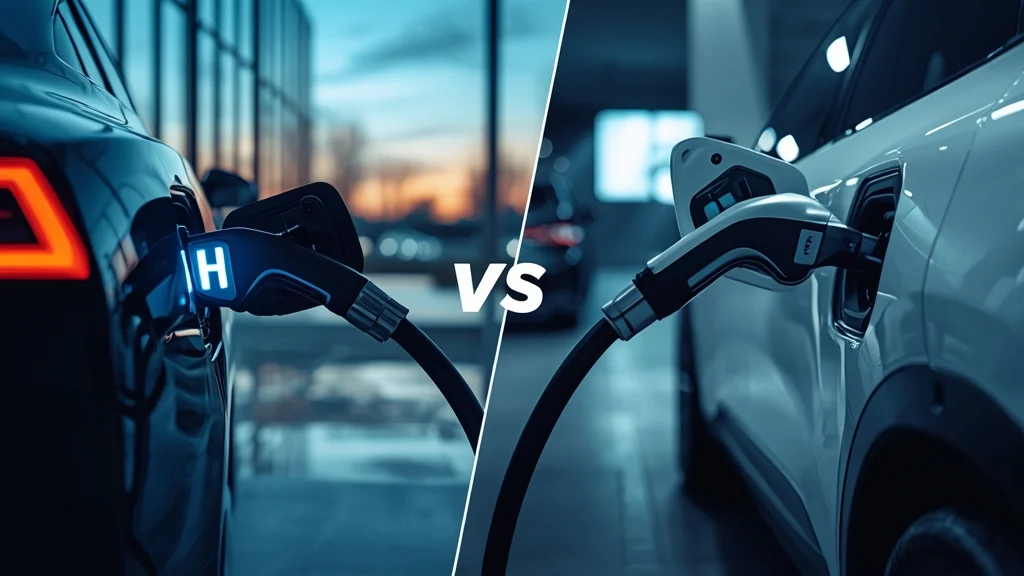
Global automakers are pivoting from pure EVs to hydrogen and e-fuels to solve infrastructure gaps. Explore the new energy shift in cars now!
For the better part of a decade, the global automotive industry seemed to have placed all its bets on one horse: Battery Electric Vehicles (BEVs). However, the narrative is shifting. As consumer demand plateaus, supply chain volatility persists, and charging infrastructure fails to keep pace, the world’s leading car manufacturers are rethinking their strategies.
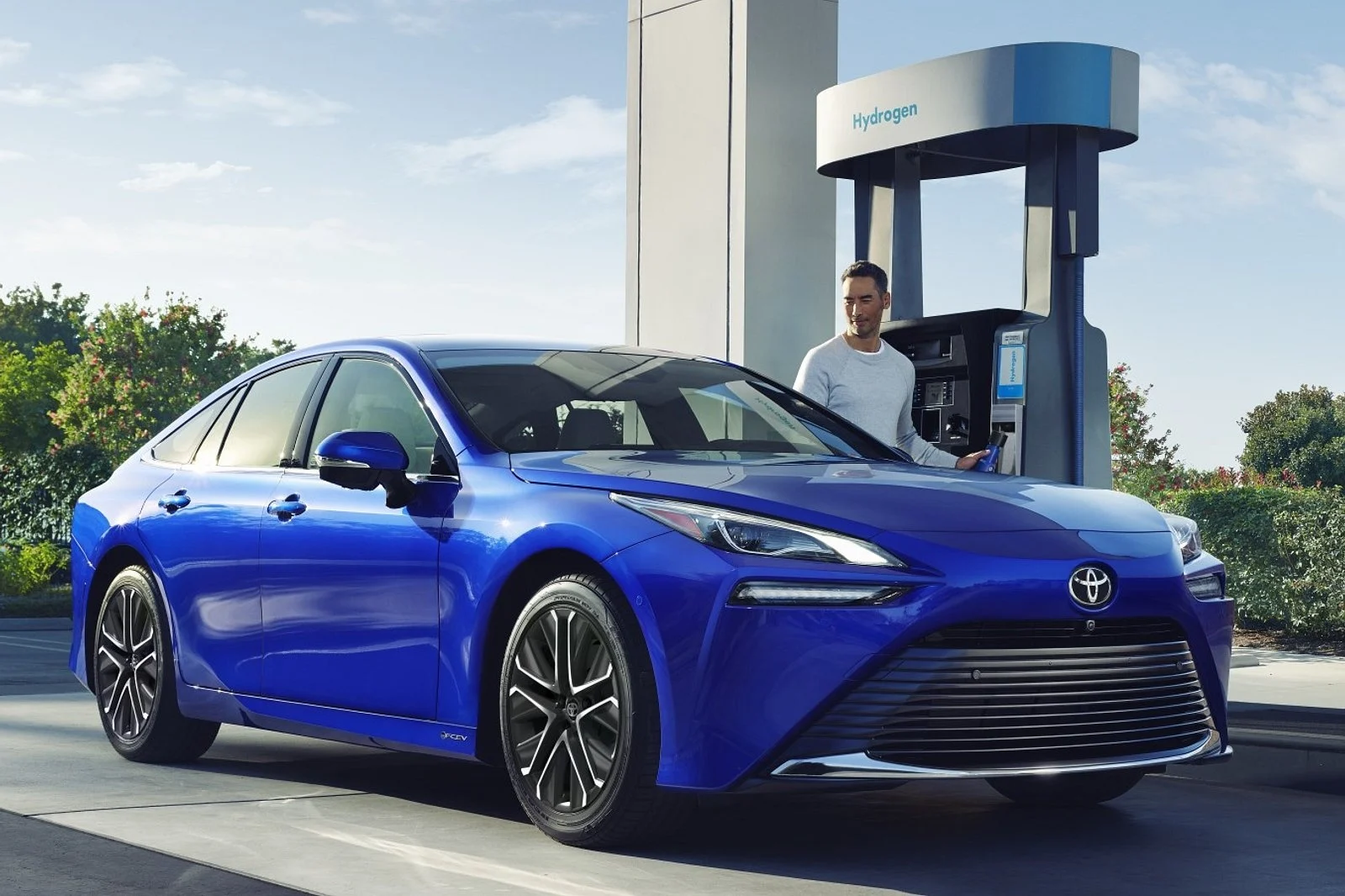
Rather than doubling down on a purely electric future, industry giants are now diversifying their portfolios. The goal? To integrate hydrogen fuel cells and synthetic fuels as critical redundancies to ensure long-term viability.
The Strategic Pivot: Why Now?
The initial surge of EV adoption has met a challenging reality. High costs and a lack of accessible charging stations have created a bottleneck for mass adoption. Consequently, several manufacturers are scaling back their “all-electric” mandates to embrace a multi-pathway approach. This redistribution of capital is not a retreat from sustainability, but a pragmatic shift toward energy flexibility.
Asian Powerhouses Leading the Hydrogen Charge
Japanese and Korean automakers are at the forefront of this transition, focusing heavily on commercial applications where batteries often fall short due to weight and charging times.
- Toyota: In a strategic move, Toyota has partnered with Isuzu to develop commercial vehicles powered by Hydrogen Fuel Cells (HFC). By leveraging the established Mirai platform and experimenting with hydrogen-powered internal combustion engines (HICE), Toyota is signaling that low-margin BEVs are no longer the only path forward.
- Honda: After ending its collaboration with General Motors, Honda is aggressively pursuing an independent hydrogen program for both commercial and passenger vehicles.
- Hyundai: Hyundai is focusing on building localized hydrogen ecosystems. A prime example is their partnership with the Georgia Institute of Technology, where they have deployed Hyundai Nexo vehicles and hydrogen electrolysis systems to create a real-world testing ground for commercial transport.
European Innovation: From Mass-Market HFCs to E-Fuels
In Europe, where emissions regulations are among the strictest in the world, the strategy is twofold: developing hydrogen fuel cells and perfecting synthetic fuels.
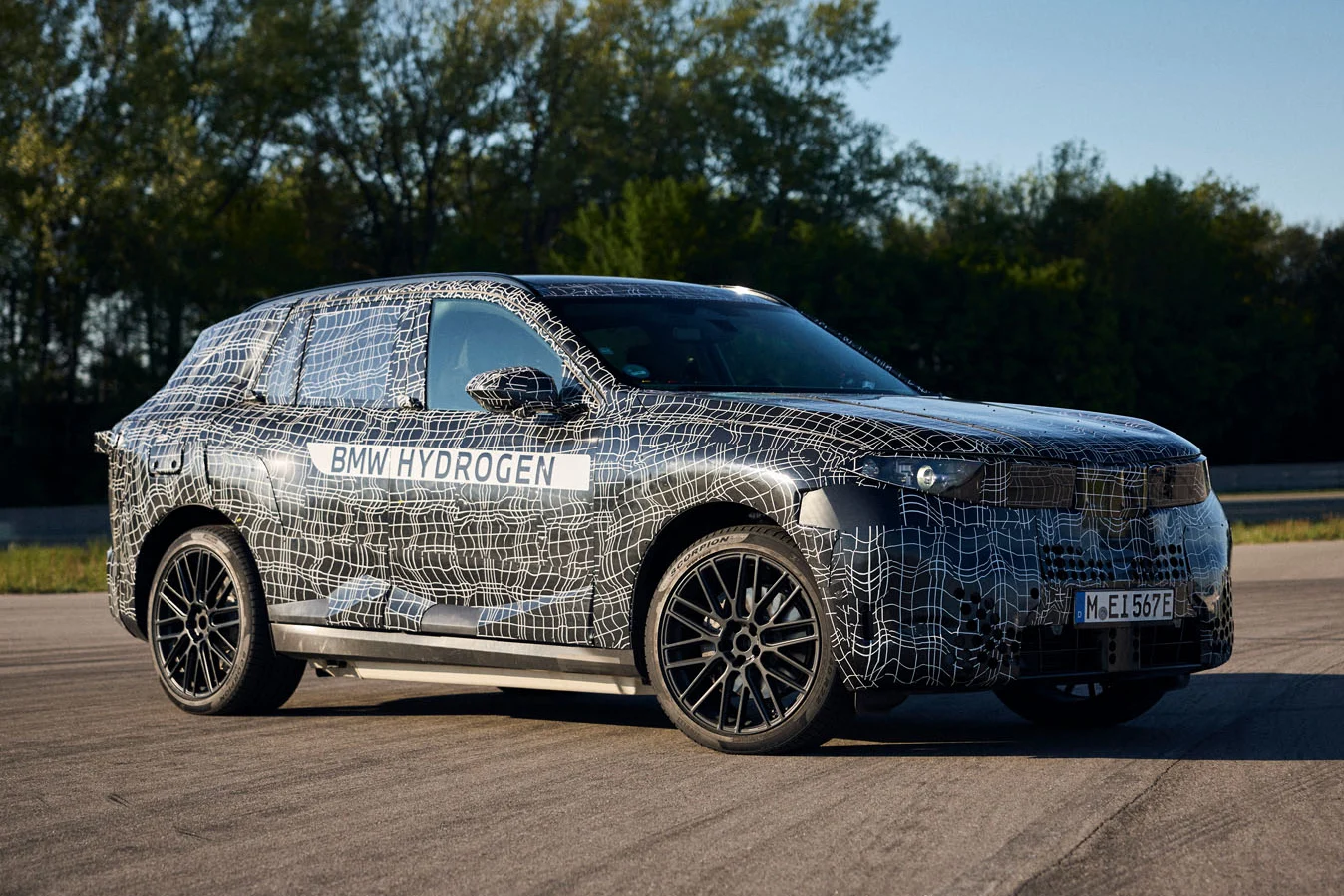
BMW and the Toyota Alliance
BMW is strengthening its strategic alliance with Toyota to develop a mass-market hydrogen fuel cell vehicle slated for 2028. By utilizing Toyota’s expertise, the German luxury brand aims to reduce its reliance on lithium-ion batteries and provide a high-performance, zero-emission alternative.
Porsche and the Rise of E-Fuels
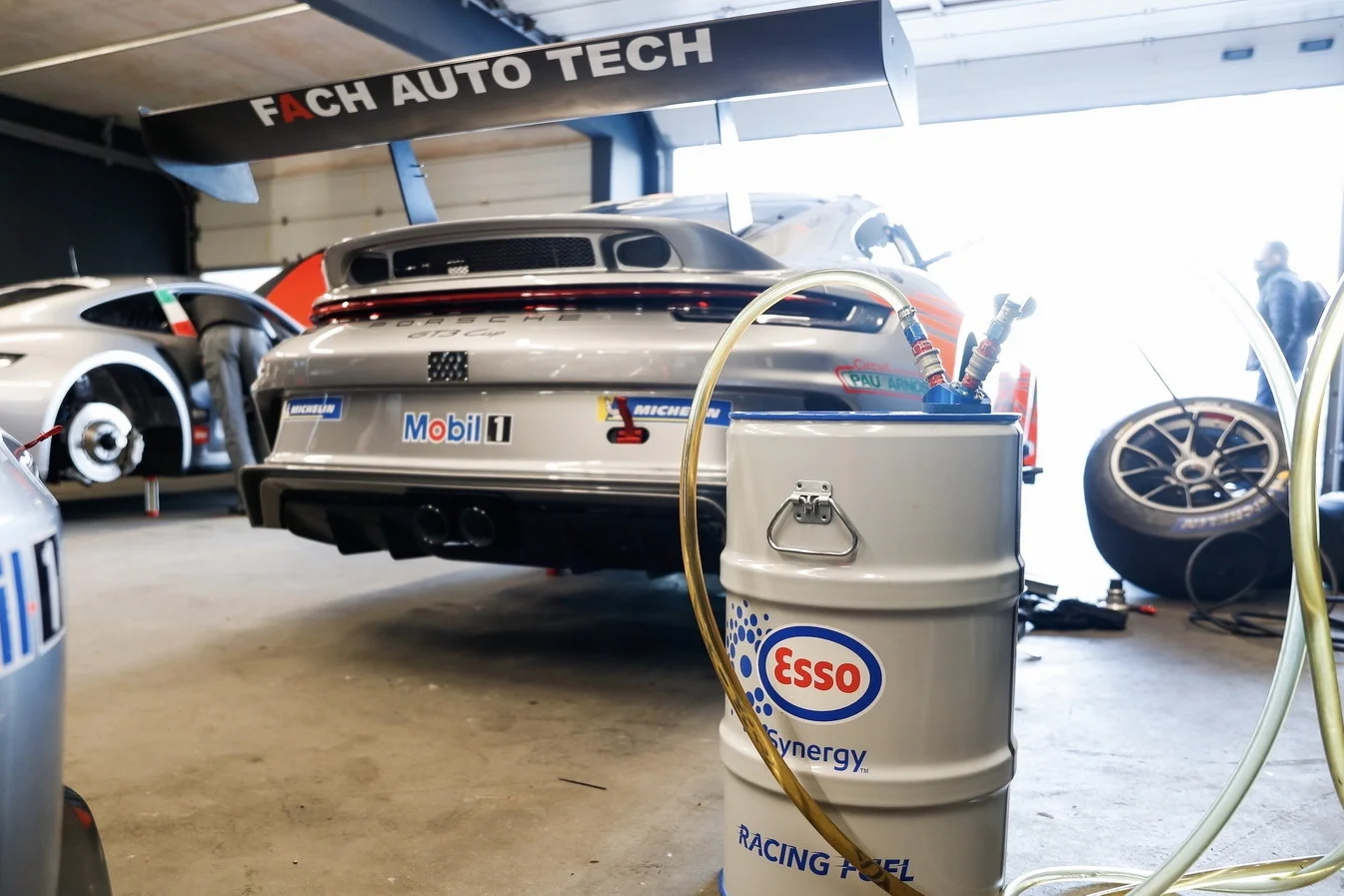
While some look to fuel cells, Porsche is fighting to keep the internal combustion engine (ICE) alive through e-fuels. In partnership with HIF Global, Porsche has industrialized the production of electronic fuels—synthesized from renewable hydrogen and captured CO₂—at the Haru Oni plant in Chile.
By 2026, these nearly carbon-neutral fuels have already seen action in the Porsche Mobil 1 Supercup, proving that the roar of an engine can coexist with a low-carbon future without the need for heavy battery packs.
The Roadblocks: Infrastructure and Reality
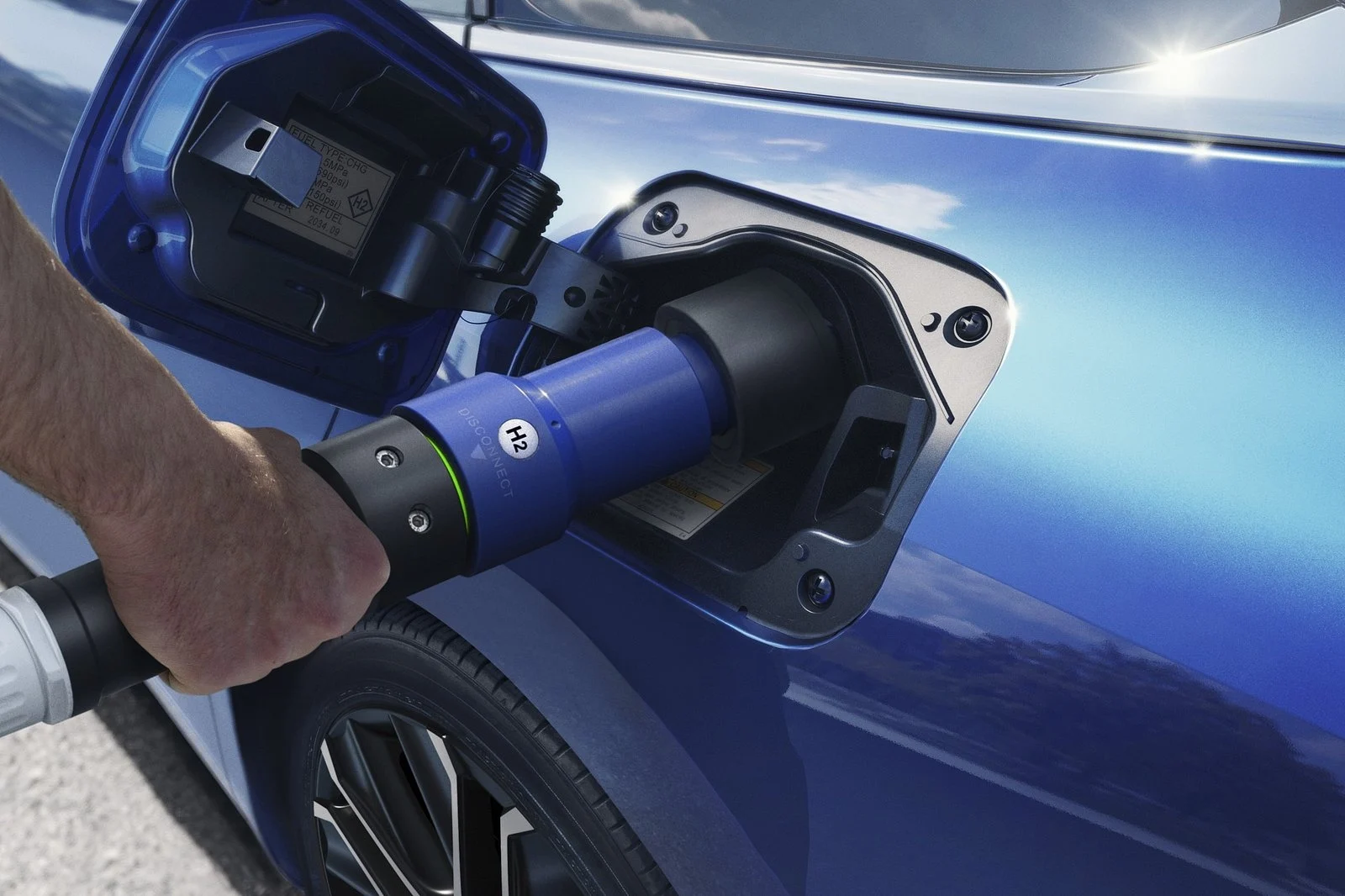
Despite the technological optimism, the road to a hydrogen economy is fraught with challenges. While HFCs are ideal for heavy-duty transport, the infrastructure for individual consumers remains severely underdeveloped.
A sobering example occurred recently in the U.S., where three major hydrogen refueling stations operated by True Zero in the California Bay Area were forced to close indefinitely. Issues with supply chains and compressor equipment highlighted the stark gap between corporate ambition and operational reality.
Conclusion: The Era of Flexibility
The automotive race is no longer about finding a single “winner” technology. Instead, the industry is entering a phase of strategic diversification. By balancing BEVs, hydrogen, and synthetic fuels, automakers are hedging their bets against market volatility and infrastructure failures.
In the race toward net-zero, the winners will likely be those who remain flexible, ensuring that no matter which energy source dominates the future, they have the technology to lead the way.