
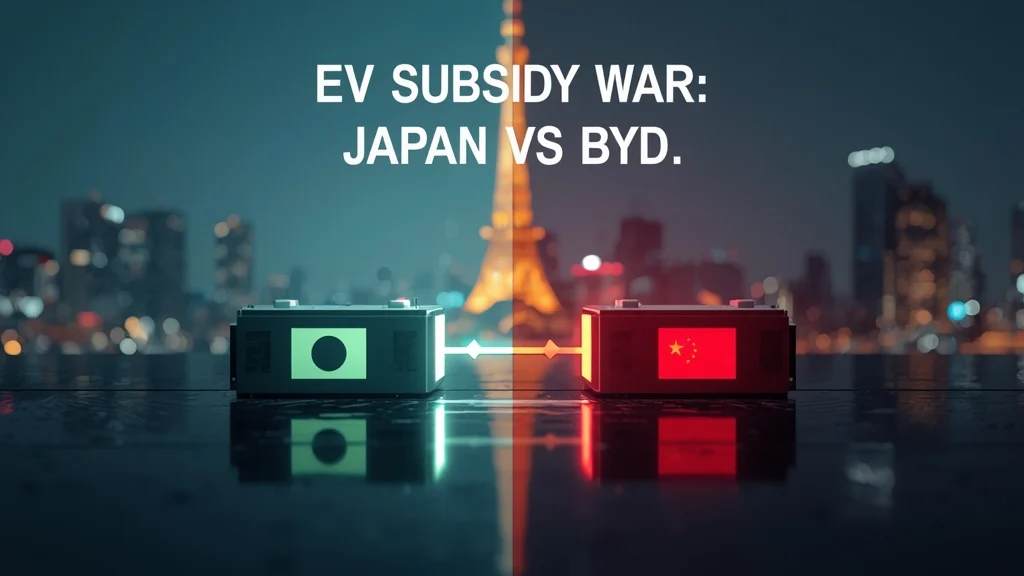
Japan is reducing EV subsidies for BYD to prioritize domestic battery production. Discover how this impacts the EV market. Read more!
In a strategic move to bolster its domestic supply chain, the Japanese government is significantly reducing electric vehicle (EV) subsidies for Chinese automaker BYD. The policy shift aims to prioritize manufacturers that utilize batteries produced within Japan, signaling a protective stance toward its home-grown automotive industry.
Significant Cuts for BYD and Foreign Imports
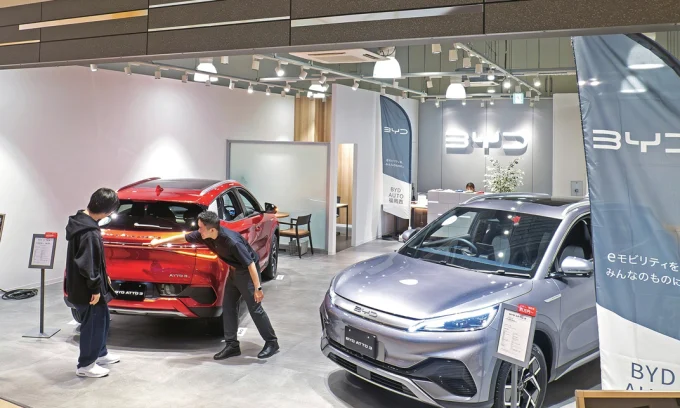
According to the latest revisions from the Ministry of Economy, Trade and Industry (METI), subsidies for BYD vehicles will be slashed by more than half, dropping to just 150,000 yen (approximately $936). This is a sharp decline from previous incentives that ranged between 350,000 and 400,000 yen ($2,200 to $2,520), placing BYD at the lowest tier of support among major automakers.
The new calculation methods will take effect in April, with the most severe cuts scheduled to be implemented starting January 2026. Other foreign brands, including Audi and Hyundai, are also expected to see substantial reductions because many of their imported models do not feature Japanese-made batteries.
Toyota Emerges as the Big Winner
While BYD faces headwinds, Japanese giants are reaping the rewards. The Toyota bZ4X, which utilizes batteries manufactured in Japan, will maintain the highest subsidy level at 1.3 million yen (approximately $8,200).
Other brands are seeing mixed results:
- Nissan: The Ariya will see its subsidy reduced from 1.29 million yen ($8,100) to 1 million yen ($6,300) by 2027.
- Tesla: In a surprising turn, Tesla’s subsidies, which reach up to 1.27 million yen, are expected to remain unchanged.
A Strategic Hurdle for BYD’s Japanese Expansion
Despite the policy shift, BYD remains determined to penetrate the Japanese market. The Chinese giant is planning to launch an electric “kei-car”—the tiny, practical vehicles beloved by Japanese consumers—in 2025. However, the loss of subsidies is a significant blow to BYD’s early-stage efforts to gain a foothold in a market where EVs currently account for less than 2% of new car sales.
The Bigger Picture: Trade Protectionism vs. Green Transition
This move is widely viewed as a measure to shield the Japanese auto industry from the rapid ascent of Chinese brands. BYD is on track to become the world’s sixth-largest automaker by 2025, posing a direct threat to established players in Tokyo.
More broadly, this trend highlights a growing global phenomenon: governments are no longer using EV incentives solely to promote green energy. Instead, they are leveraging these subsidies to dictate investment, control technology supply chains, and reshape competitive advantages in the global automotive race.