
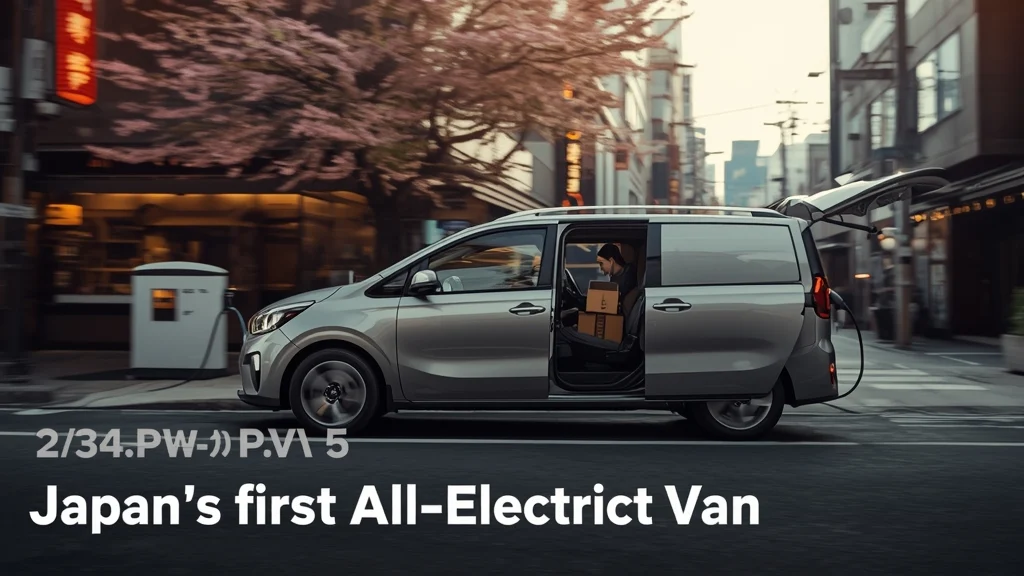
Kia’s new PV5 electric van hits Japan, aiming to challenge Toyota, Honda and Nissan. Learn the specs, market strategy and sales goals – read more now!
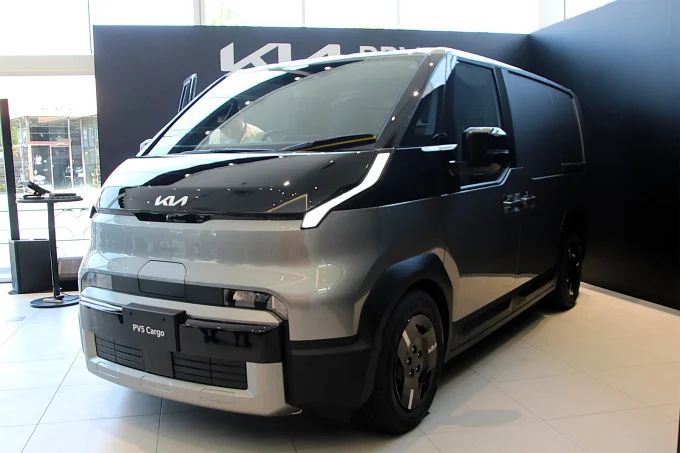
South Korean automaker Kia has taken a bold step into Japan’s notoriously insulated automotive market with the launch of the PV5 – its first all‑electric van specifically built for Japanese streets.
A Market Historically Closed to Outsiders
Japan’s new‑car sales have long been dominated by domestic giants. Toyota, Honda, Nissan, Suzuki and Daihatsu together command roughly 95% of the market, leaving little room for foreign marques to gain a foothold.
Japanese buyers tend to stay loyal to home‑grown brands, and the dealer networks that have been nurtured over decades are deeply embedded in local communities. This cultural and structural loyalty has made it difficult for outsiders to break through.
Why Kia Chose a Different Path
Rather than trying to out‑compete Toyota in the compact‑car segment, Kia spotted a niche that domestic manufacturers have largely ignored: fully electric commercial vans. While Japanese automakers are still cautious about abandoning hybrids, the demand for zero‑emission delivery vehicles is rising, especially in dense urban areas.
Strategic Partnership with Sojitz
Kia entered the market through a joint venture with Sojitz, one of Japan’s leading trading companies. The new subsidiary, Kia PBV Japan, already operates seven showrooms and 52 service centers. By the end of the year the company plans to expand to 11 company‑run showrooms and 100 service hubs, targeting sales of 1,000 PV5 vans in the fiscal year 2026.
PV5 Design Tailored for Japanese Streets
The PV5 measures 5,040 mm long, 1,895 mm wide and 1,950 mm high, with a 2,995 mm wheelbase. Its compact dimensions and tight turning radius make it ideal for navigating Japan’s crowded city lanes. The van supports CHAdeMO fast‑charging, aligning with the country’s extensive charging infrastructure.
Global Success Fuels Ambitious Goals
Worldwide, Kia sold more than 8,100 PV5 units in the first quarter of 2026, capturing 9% of Europe’s light‑commercial electric‑vehicle market. The brand aims to reach 250,000 electric trucks per year by 2030, and Japan – with its high logistics demand and limited electric‑van options – is a key part of that vision.
What This Means for the Industry
Kia’s entry signals a shift in the Japanese commercial‑vehicle landscape. By offering a purpose‑built electric van, the company not only challenges the status quo but also accelerates the adoption of clean‑energy logistics in a market that has been slow to embrace full electrification.
Watch this space as Kia’s PV5 begins to roll out across Japan’s streets, potentially reshaping the future of urban delivery.