
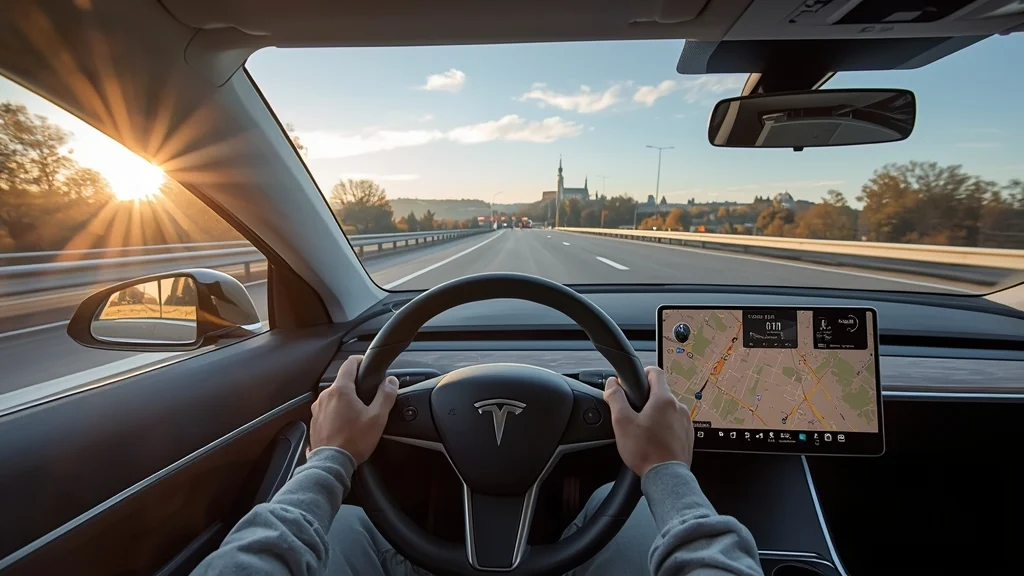
Lithuania becomes the second European nation to allow Tesla’s supervised Full Self-Driving (FSD) software, paving the way for broader EV autonomy. Learn more now.
Tesla has taken another step toward a continent‑wide rollout of its Full Self‑Driving (FSD) software with supervised autonomy. The company announced on X (formerly Twitter) that Lithuania has officially activated the system, making it the second European country – after the Netherlands – to grant permission for the technology.
Background: The Netherlands Sets the Precedent
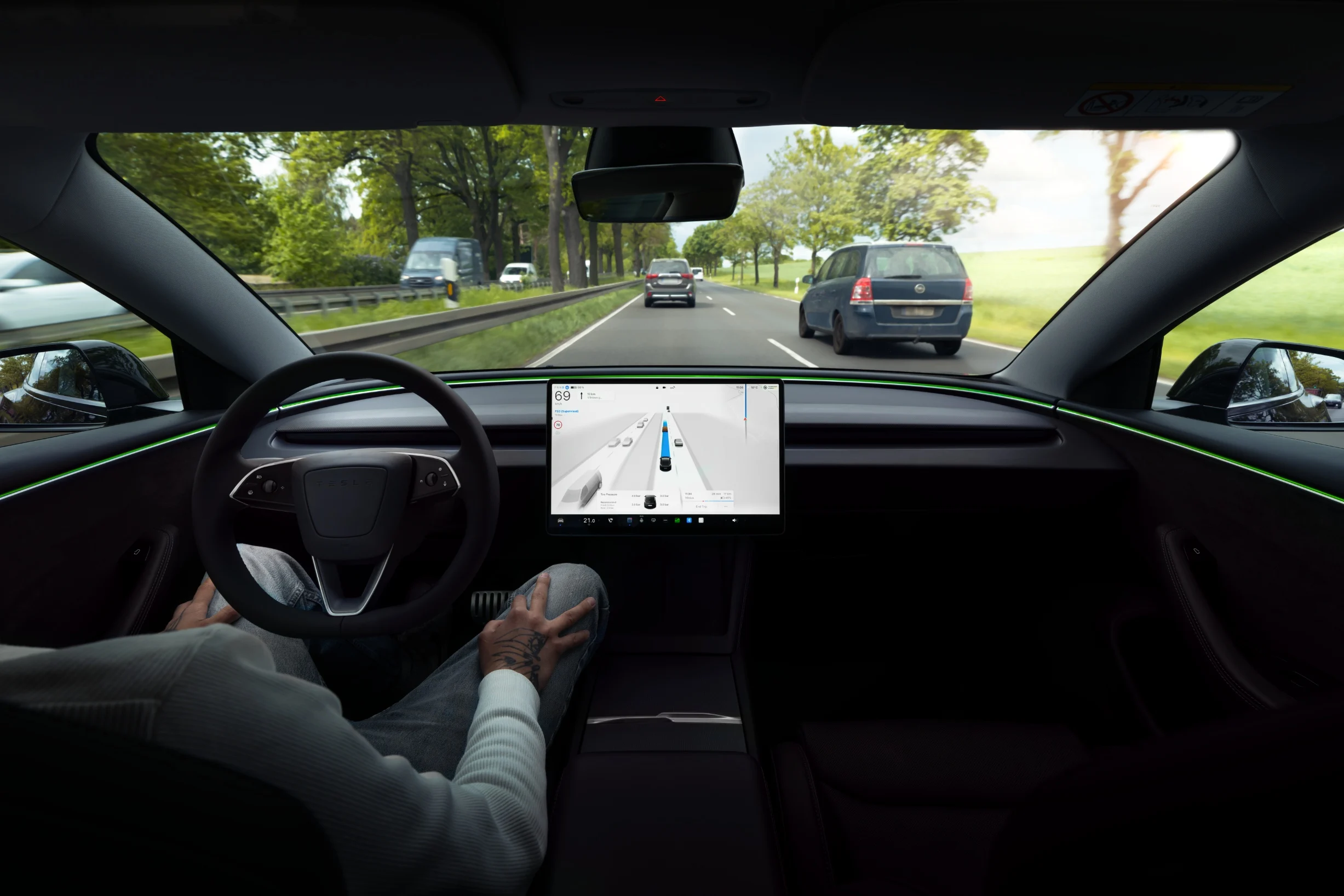
Earlier this year, the Dutch vehicle authority RDW completed more than 18 months of testing, both on dedicated test tracks and public roads. The rigorous evaluation resulted in a certification that not only cleared the way for FSD in the Netherlands but also created a template that other EU members can adopt while a unified EU framework is still under development.
Lithuania’s Approval Process
The Lithuanian Road Safety Administration confirmed that it has recognized the Dutch certification, allowing Tesla to deploy FSD across its domestic market. This recognition effectively bridges the gap between national approval and the broader EU harmonisation effort, giving Lithuanian drivers early access to Tesla’s advanced driver‑assistance suite.
Implications for the EU and Neighboring Countries
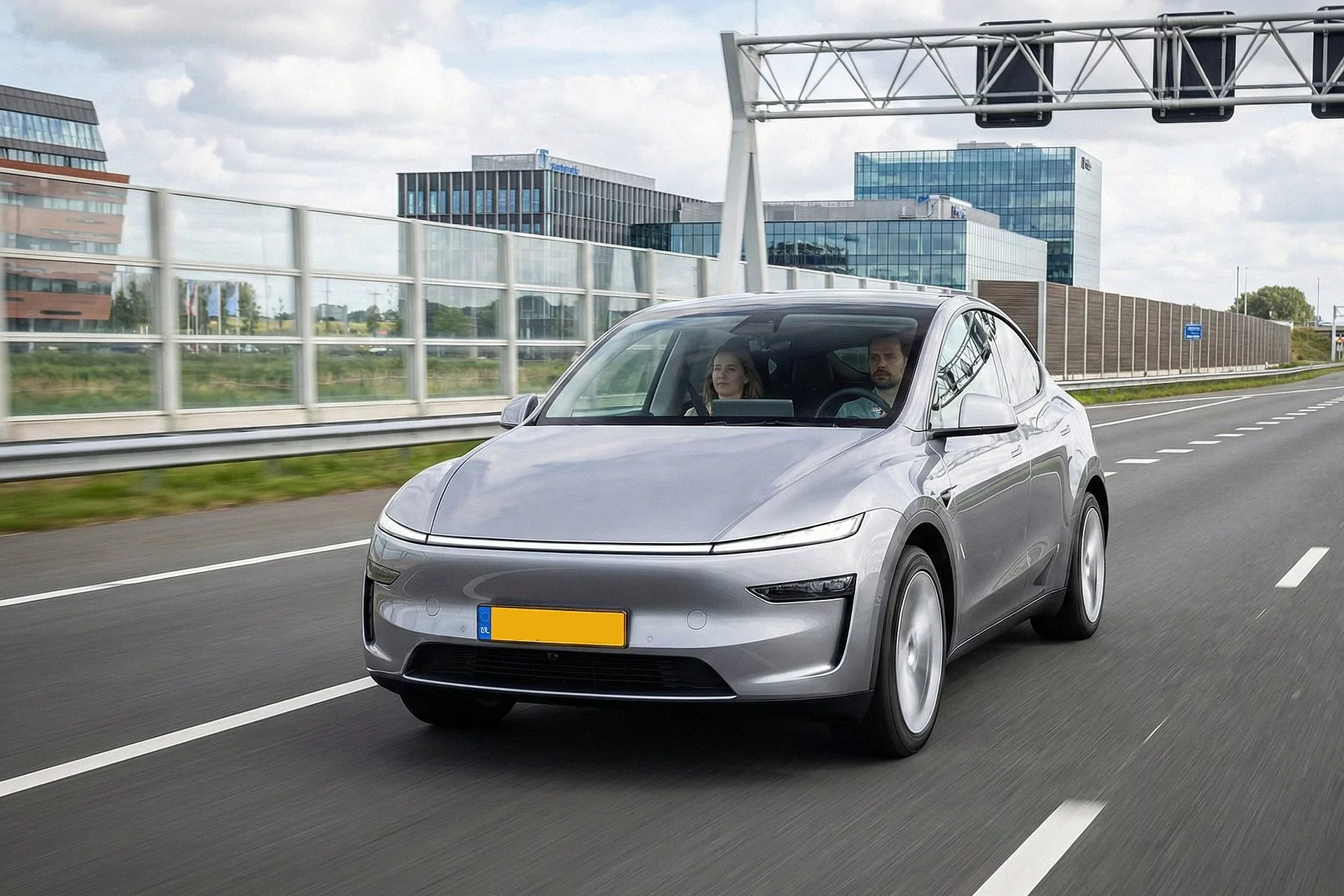
While the European Union works toward a continent‑wide regulatory mechanism for autonomous driving, member states retain the right to adopt certifications granted by other nations. Lithuania’s move demonstrates how this flexibility can accelerate technology adoption.
Belgium’s Flanders region is already initiating its own licensing process, and a Tesla equipped with FSD is currently being tested on public roads there. Meanwhile, Greece’s transport ministry is drafting legislation that would mirror the Dutch model, signaling a growing appetite for supervised autonomy across Southern Europe.
Tesla’s Strategy and Market Impact
The approval comes at a time when Tesla’s sales momentum is rebounding in Europe after a strong start to 2026. In the company’s earnings call on April 22, CEO Elon Musk highlighted the goal of delivering a fully autonomous fleet through over‑the‑air software updates to existing vehicles.
By securing regulatory footholds in multiple European markets, Tesla is positioning its FSD suite as a standard feature rather than an optional add‑on, potentially reshaping the competitive landscape for electric vehicle manufacturers.
Future Outlook
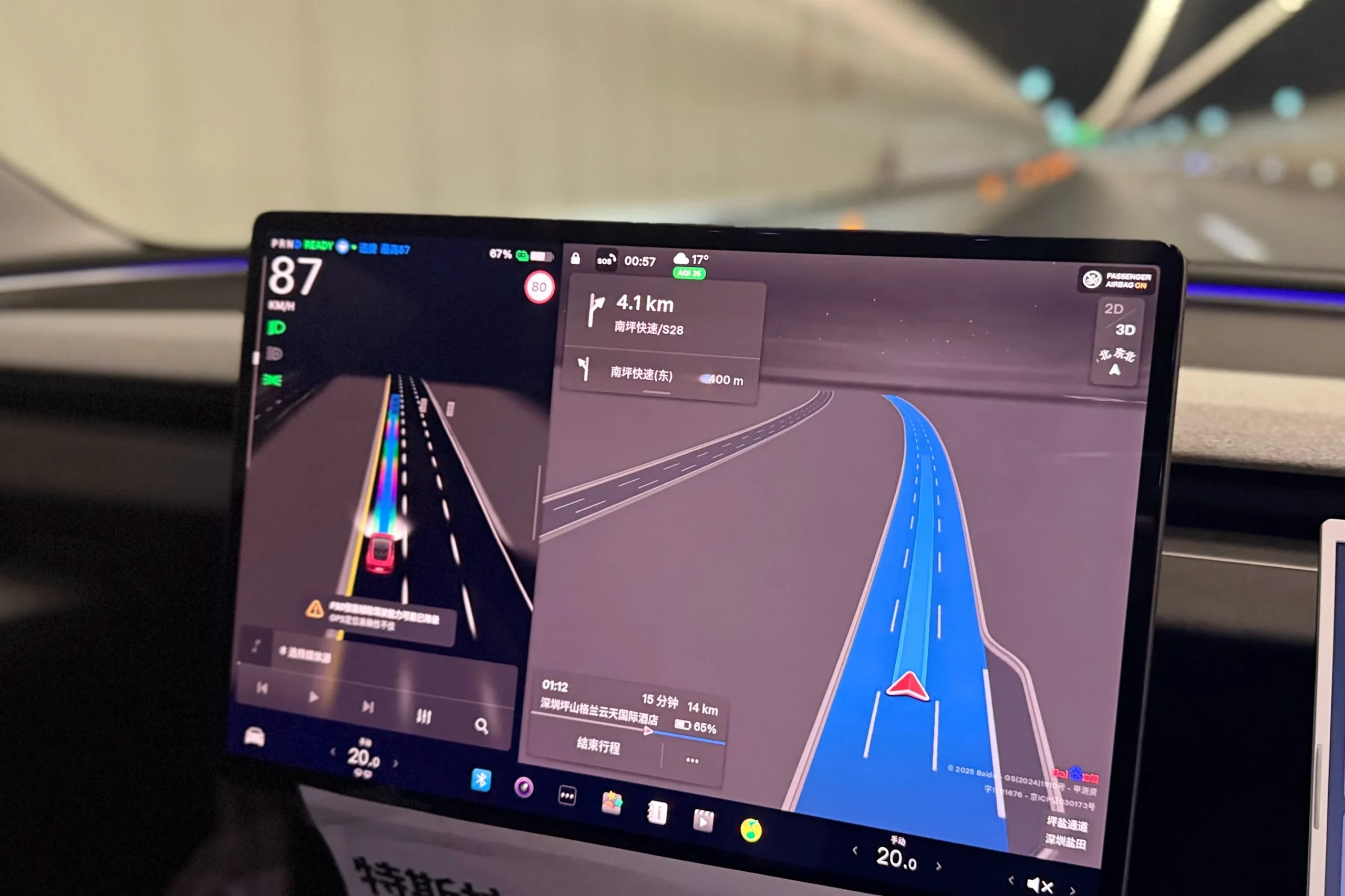
Tesla is also eyeing approval in China later this year, which could unlock the world’s largest EV market for its FSD technology. If successful, the combined approvals in the Netherlands, Lithuania, and potentially China would mark a significant milestone toward truly global autonomous driving.
For now, Lithuanian drivers can look forward to experiencing a higher level of driver assistance, while the rest of the automotive world watches closely to see how Europe’s regulatory patchwork will evolve into a unified framework for autonomous vehicles.