
Chinese automaker Chery is weighing a US launch despite 100% EV tariffs and political resistance. Discover the challenges and strategies shaping its next move.
Chinese automaker Chery has signaled a tentative plan to enter the United States – the world’s largest automotive market – once the timing feels right. The company’s international chief, Zhang Guibing, told reporters on May 21 that Chery’s ambition to sell cars in America remains strong, but the final decision will hinge on both the firm’s readiness and the evolving policy landscape in Washington and Beijing.

Why the US Market Matters
The sheer size of the U.S. market makes it an attractive target for any global carmaker. With millions of vehicles sold each year, a foothold there can boost brand visibility, drive economies of scale, and open doors to lucrative after‑sales services.
Tariffs and Political Barriers
Despite the appeal, Chinese automakers face steep obstacles. The United States currently imposes a 100% tariff on electric vehicles (EVs) manufactured in China, effectively doubling the price of any imported model. In addition, stricter regulations on Chinese‑origin connected‑car technology have raised compliance costs.
U.S. lawmakers and industry groups have repeatedly urged former President Donald Trump – who once hinted at possible concessions if Chinese firms built plants on American soil – to keep the market closed to Chinese-made cars. This political climate adds another layer of uncertainty for Chery.
Strategic Focus on Other Regions
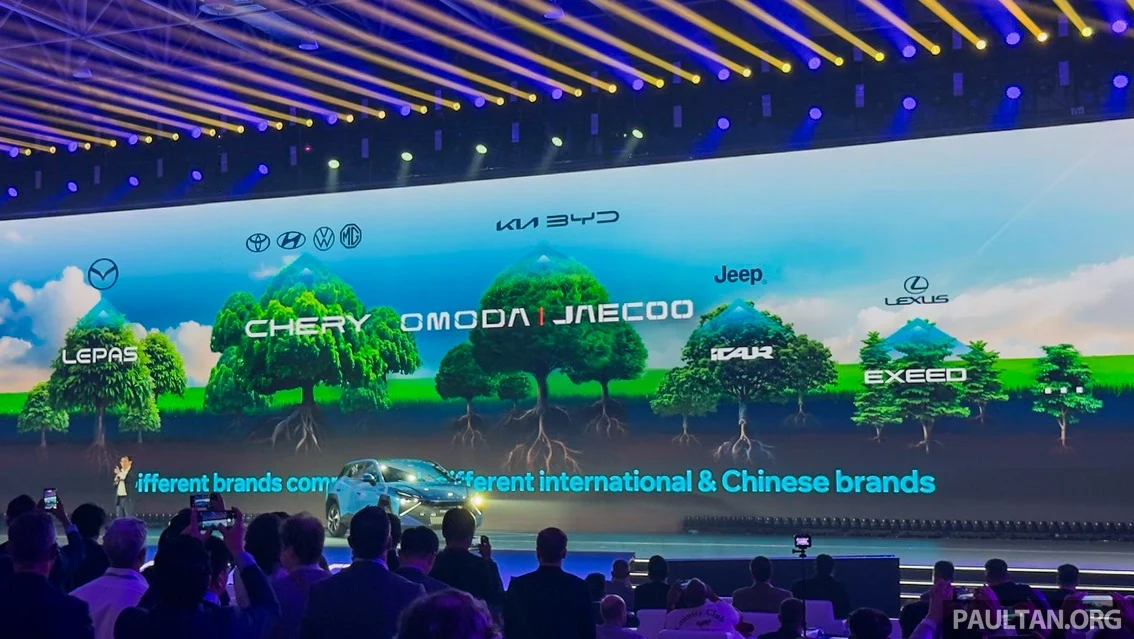
While the U.S. remains a long‑term goal, Chery is currently prioritising expansion in Europe, Latin America, the Middle East, and Southeast Asia. These regions show growing demand for affordable Chinese‑engineered vehicles, and they offer a less hostile regulatory environment.
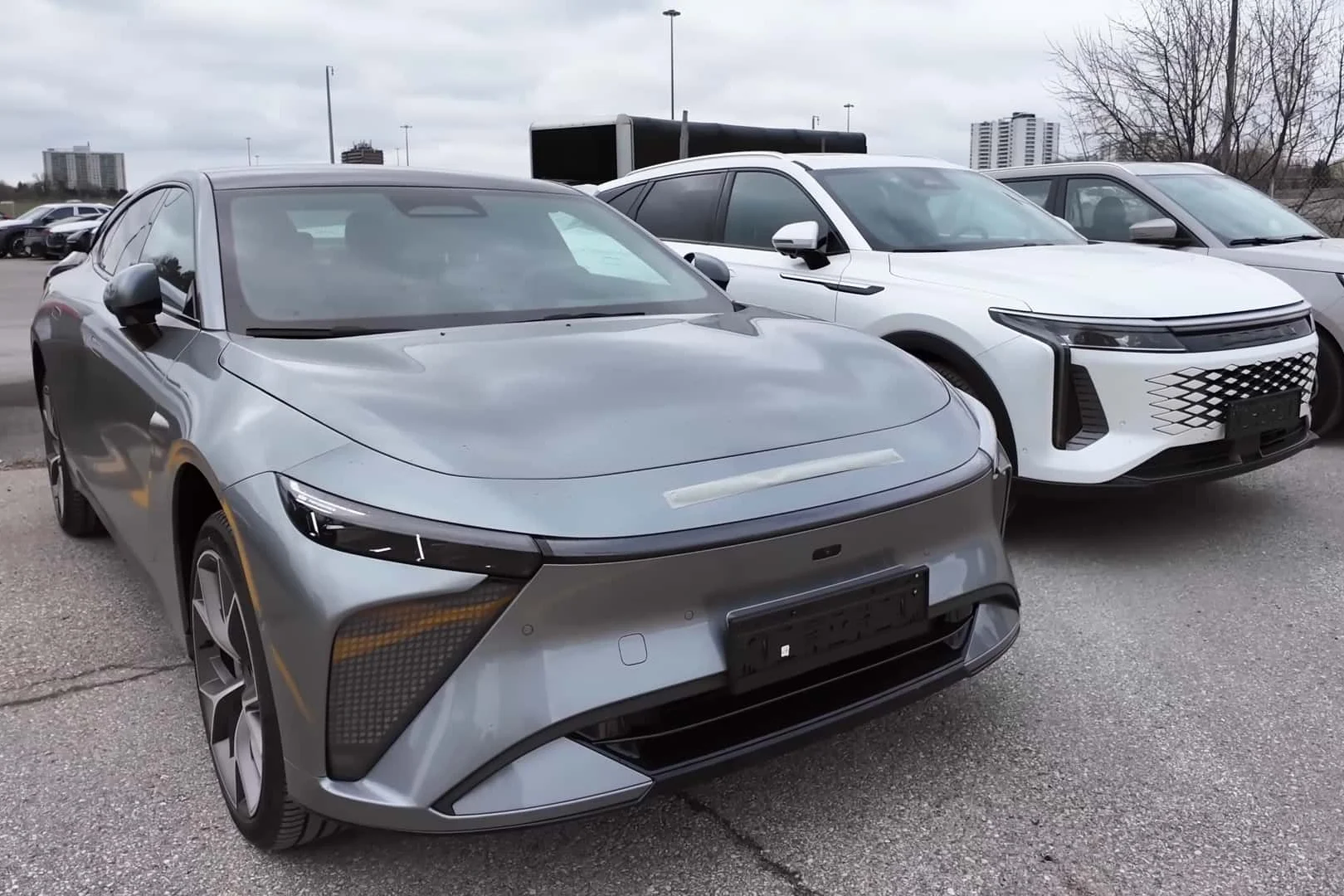
Many Chinese brands are also exploring partnerships with established manufacturers to utilise excess production capacity in Europe, and some have set up research and design centres outside China to distance their products from a purely Chinese identity.
Potential Pathways into the United States
Industry observers note several possible routes for Chery’s U.S. entry:
- Local Production: Building a plant or assembling vehicles in North America could sidestep the 100% tariff, mirroring strategies used by Geely’s Volvo in South Carolina.
- Joint Ventures: Partnering with an American or non‑Chinese OEM could provide access to existing supply chains and brand recognition.
- Brand‑Masking: Launching vehicles under a neutral or locally‑familiar brand name to mitigate consumer bias against Chinese labels.
At the Consumer Electronics Show (CES) 2026 in Las Vegas, Chery’s communications director Ash Sutcliff hinted that a formal announcement could arrive within the next 24 to 36 months, suggesting that the company is already mapping out one or more of these strategies.
How Competitors Are Positioning Themselves
Other Chinese manufacturers such as BYD, Geely, and Great Wall Motor are using Mexico and broader Latin America as stepping‑stones toward the U.S. market. BYD, for example, has entered the U.S. with electric buses but has not yet announced passenger‑car plans. Xiaomi, meanwhile, has explicitly ruled out any near‑term automotive ambitions in the United States.
Collectively, these firms are gaining market share in Asia, Europe, and Oceania, challenging legacy brands and demonstrating that Chinese‑made cars can compete on price, technology, and design.
Outlook
Chery’s desire to tap the U.S. market is clear, but the path is fraught with tariff walls, regulatory scrutiny, and political resistance. Whether the company will choose local production, strategic partnerships, or a re‑branding approach remains to be seen. What is evident, however, is that Chinese automakers are steadily building the global clout needed to turn ambition into reality.