
Mazda reshapes its global EV strategy by expanding its partnership with China, shifting production to Nanjing and delaying its Japan-built model until 2029. Discover the impact now!
Mazda is re‑tooling its worldwide electric‑vehicle (EV) roadmap, placing a stronger emphasis on models built in China as the pace of EV adoption slows in the United States and Europe.
Shift in Production Timeline
The Japanese automaker has postponed the launch of its first globally‑designed EV – a model that was slated for a 2024 debut from a new factory in Japan – pushing the start of production to 2029. The delay gives Mazda extra breathing room while it leans on its joint venture with Changan Automobile, known as Changan Mazda, to supply market‑ready EVs from the Nanjing plant.
Changing Policy Landscape in the US and EU
In the United States, the Trump administration has rolled back federal tax credits for EV buyers and relaxed fuel‑economy standards for internal‑combustion engines. Across the Atlantic, the European Union is reconsidering its ban on new gasoline and diesel sales, originally planned for 2035. Both regions have trimmed their EV growth forecasts, with GlobalData estimating EVs will account for only 35% of new car sales in the US by 2035 – a 14% drop from its 2024 outlook – and a similar 18% reduction across 31 major European economies.
China‑Built Models Take Center Stage
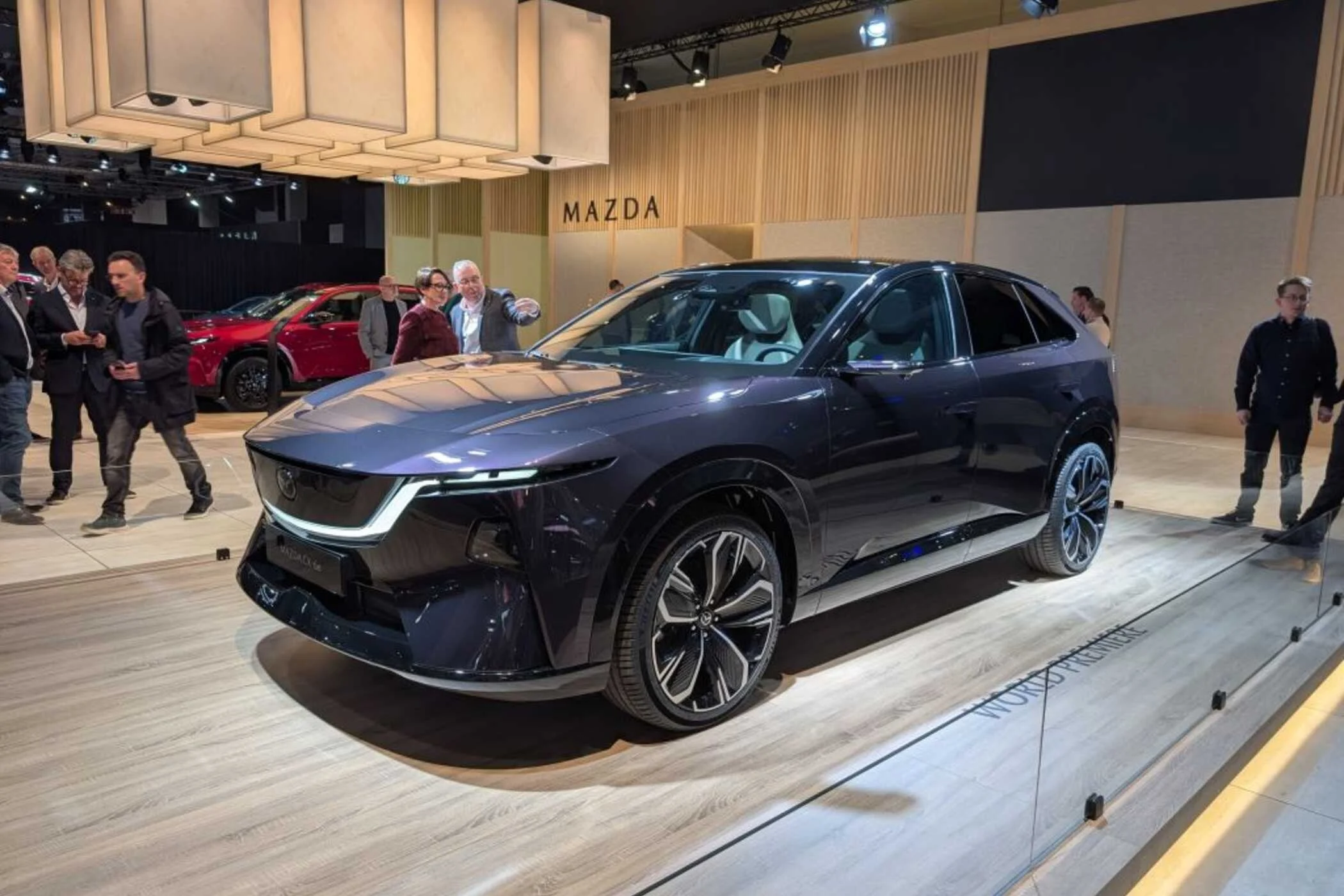
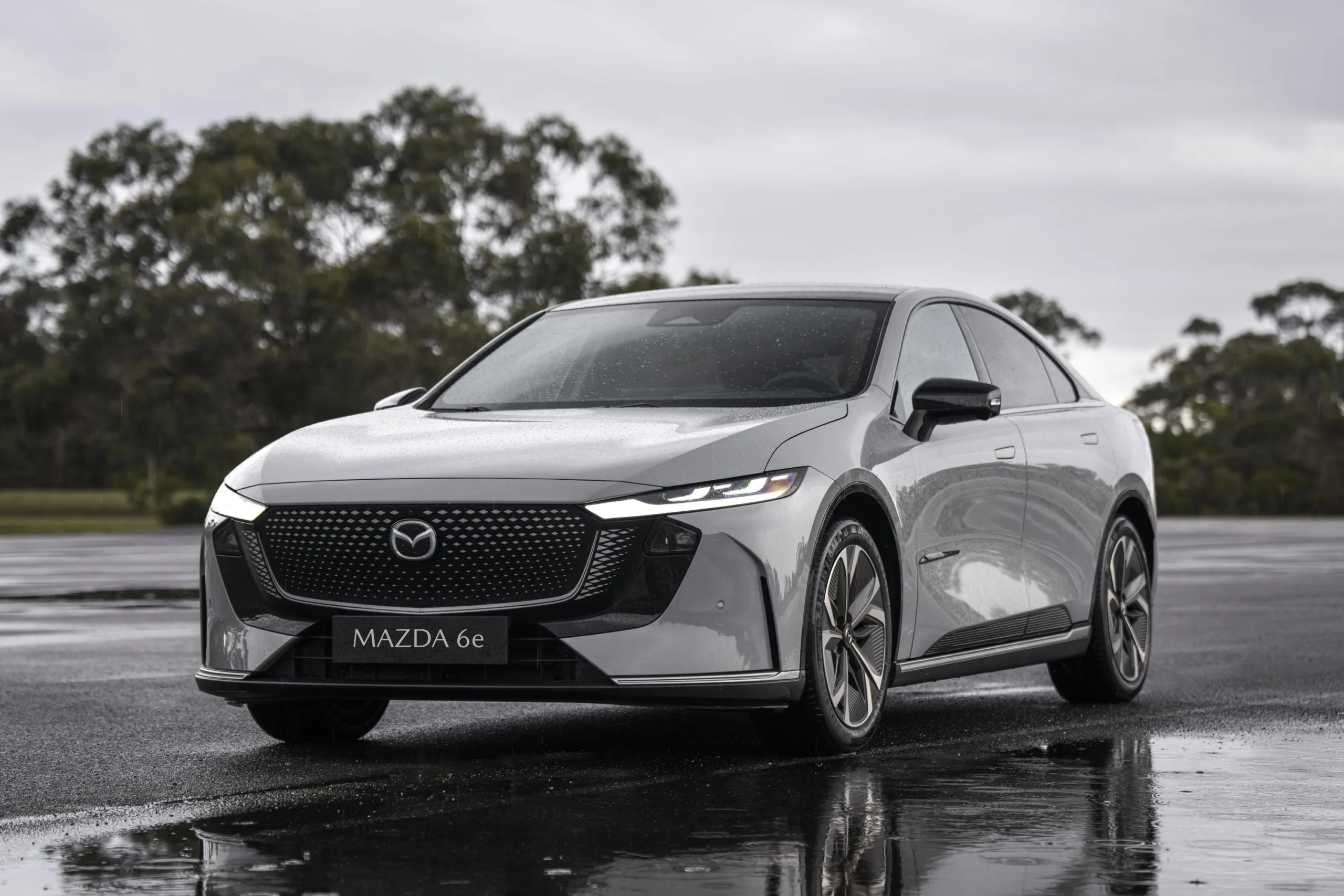
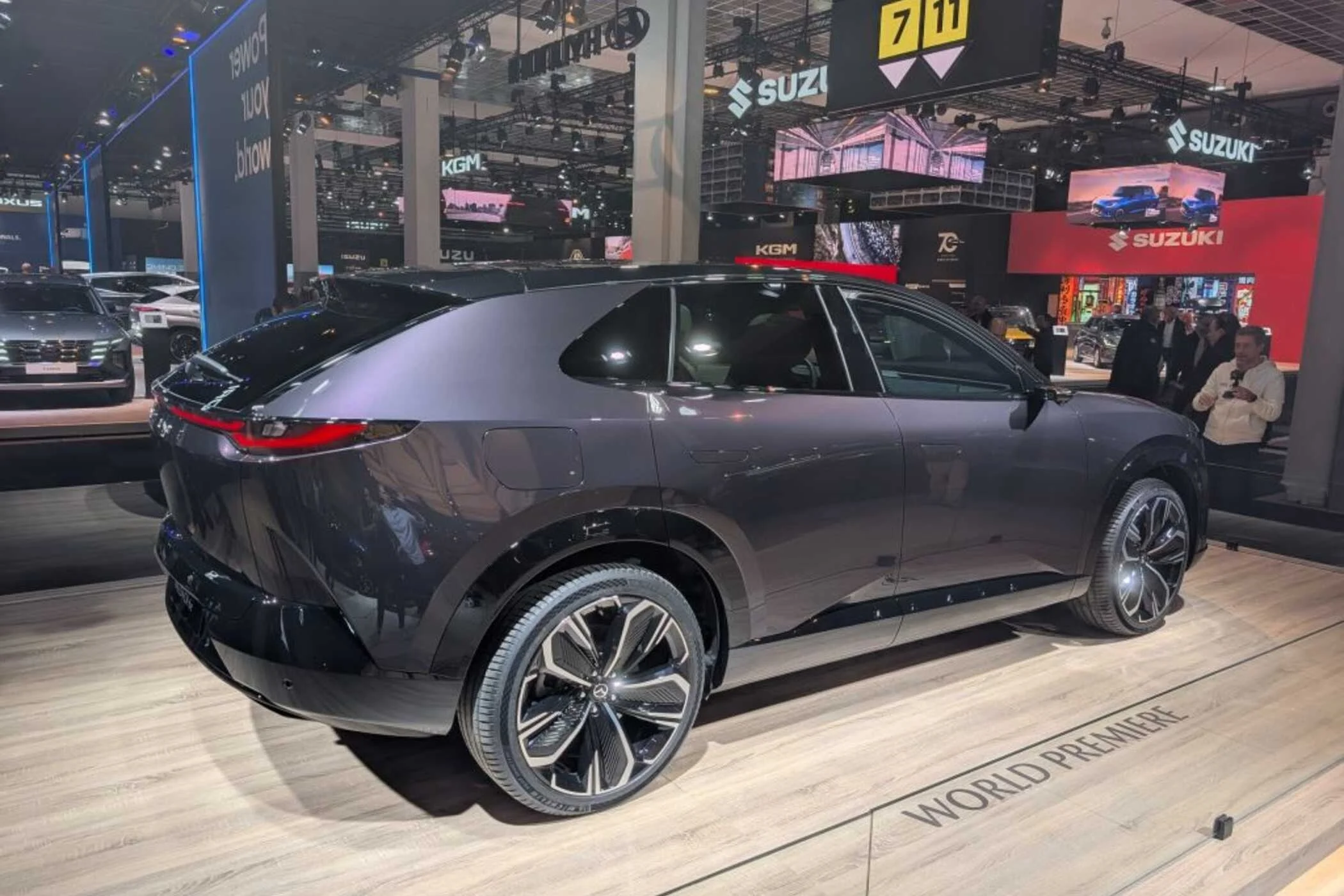
To meet regional demand, Mazda is expanding exports of EVs produced by Changan Mazda at the Nanjing factory. The mildly restyled Mazda 6e sedan entered European showrooms in September 2025, followed by an SUV version called CX‑6e launched in early 2026. The CX‑6e will also be offered in Australia and New Zealand, while the 6e is set for releases in Thailand and Australia.
European Market Gains Momentum
Despite policy shifts, Europe continues its gradual transition toward electrified mobility. According to the European Automobile Manufacturers Association (ACEA), EV registrations across the EU’s 31 largest economies rose 27% from January to November 2025 versus the same period a year earlier. Competitive pricing – with many models now priced around €30,000 (≈ $35,000) – has helped EVs capture 19% of total new‑car sales by November 2025, up from 15% in 2024.
For Mazda, Europe remains its second‑largest market after the United States. The addition of the 6e helped the brand reverse a months‑long sales decline in November 2025, marking the first uptick after eight consecutive months of contraction.
Cost Advantage Through LFP Batteries
A key factor behind the competitive pricing of Mazda’s China‑built EVs is the use of domestically produced lithium‑iron‑phosphate (LFP) batteries. LFP cells are cheaper than nickel‑rich alternatives, allowing Changan Mazda to keep vehicle prices attractive even after the EU introduced a modest tariff on Chinese‑origin EVs. The cost advantage helps Mazda maintain a solid foothold in price‑sensitive markets.
Looking Ahead
Mazda has indicated that the rollout schedule for its own‑designed EVs will remain flexible, adapting to market signals as they evolve. While the Japanese‑built flagship EV is now slated for a 2029 launch, the company’s immediate focus is on scaling production of the 6e and CX‑6e from China, leveraging the partnership to stay competitive in a rapidly shifting global automotive landscape.