
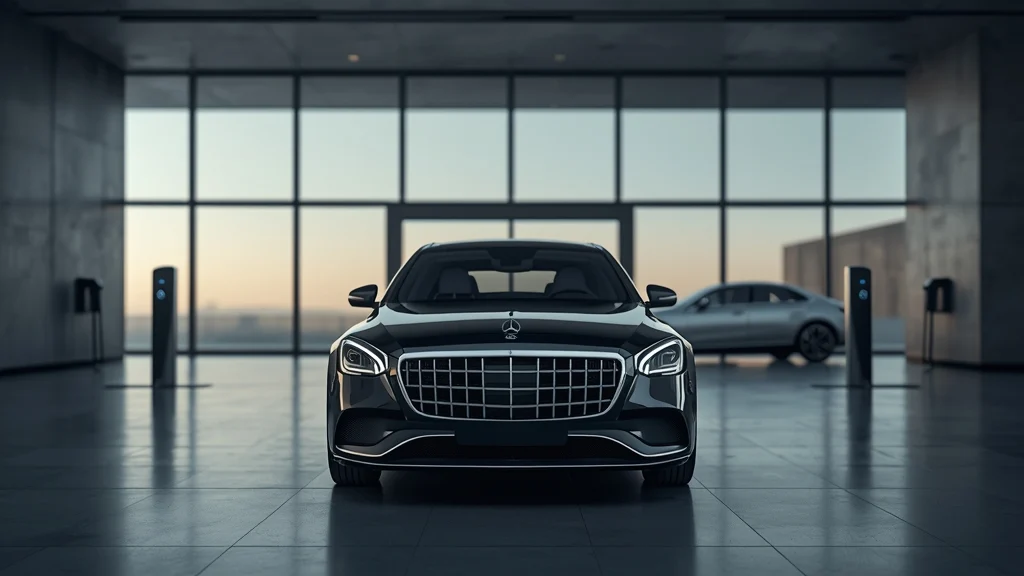
Mercedes-Benz sees a dip in EV demand but a surge in ultra-luxury sales. Explore the Q1 2026 trends and strategic shifts. Read more!
Mercedes-Benz has released its Q1 2026 sales report, revealing a stark contrast between the brand’s futuristic electric ambitions and its traditional luxury strengths. While the German automaker is pushing hard toward an electric future, the data suggests that the market’s appetite for the EQ line is not yet matching the company’s expectations.
A Mixed Bag in the United States
In the U.S. market, passenger car retail sales dipped by approximately 3%, falling to 70,000 units. However, industry analysts are pointing to a curious change in how Mercedes is reporting its figures. Instead of breaking down sales by specific models, the company has moved toward aggregated reporting.
This shift has raised eyebrows, with many suggesting it is a tactical move to mask underwhelming numbers for the EV segment. Notably, high-profile electric models such as the EQE and EQS, along with their SUV counterparts, were largely absent from the detailed U.S. reporting, signaling significant headwinds for electric luxury sedans in North America.
The China Challenge
The most concerning data comes from China, one of the world’s largest automotive markets. Mercedes-Benz saw a sharp decline in sales, plummeting 27% to approximately 111,600 units in the first quarter. This drop highlights the intense competition and shifting consumer preferences within the Chinese market, where domestic EV brands are gaining massive ground.
Ultra-Luxury: The Profit Engine
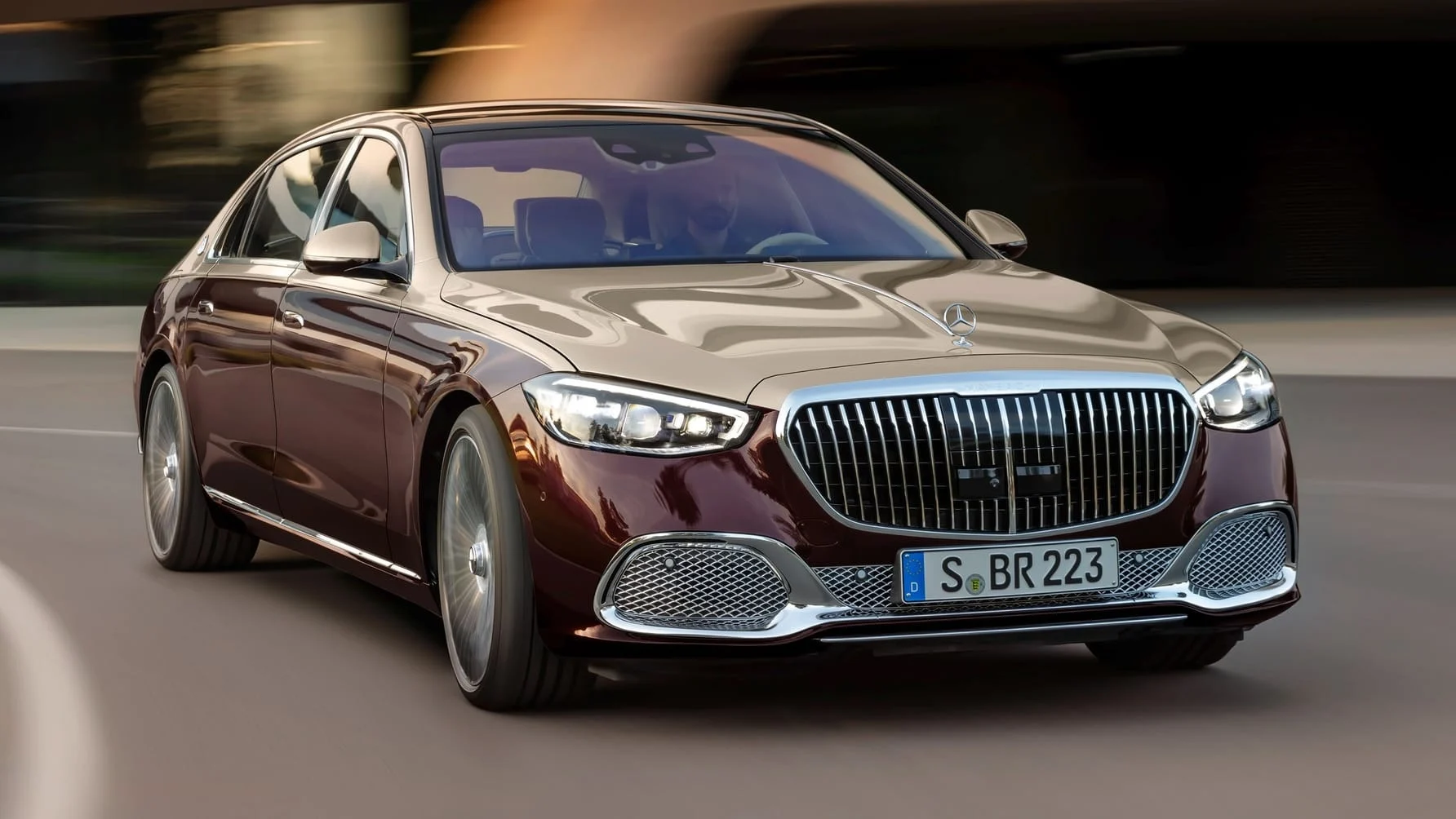
While the EV transition remains bumpy, the brand’s high-end and off-road segments are thriving. The “top-end luxury” strategy is clearly paying off, with prestige models seeing double-digit growth:
- Mercedes-Maybach: Up by 22%, proving that the demand for ultimate opulence remains stronger than ever.
- G-Class: The legendary off-roader grew by 16%, maintaining its status as a global icon.
- Core SUVs: The GLC and GLE saw impressive gains of 17% and 19%, respectively.
- Mercedes-SL: The sports car segment delivered a surprising surge, with sales jumping 47%.
Silver Linings in the Electric Sector
It is not all bad news for the EQ brand. On a global scale, EV sales actually grew by 9%, with 44,300 vehicles delivered. Mercedes also reported that the new all-electric GLC has seen higher pre-orders in its first three months than any other EV in the company’s history.
Furthermore, production schedules for the upcoming electric CLA, GLB, and GLC models are already fully booked through the second half of 2026, suggesting that while current models may be struggling, there is still significant anticipation for the next generation of Mercedes EVs.
Looking Ahead: Vans and Vision
The van segment saw a slight global decline of 3%, but the electric van niche is a bright spot, growing by 29% (reaching 6,100 units). Mercedes plans to further energize this segment with the launch of the new VLE and VLS lines, including a Maybach variant designed to offer a “private jet on wheels” experience.
Final Verdict
Despite the complexities of the latest reporting methods, the trend is clear: Mercedes-Benz is leaning heavily on its heritage of ultra-luxury and high-performance vehicles to maintain profitability. As the mass-market transition to EVs slows down globally, the “Three-Pointed Star” is relying on its most exclusive models to carry the brand through the transition.