
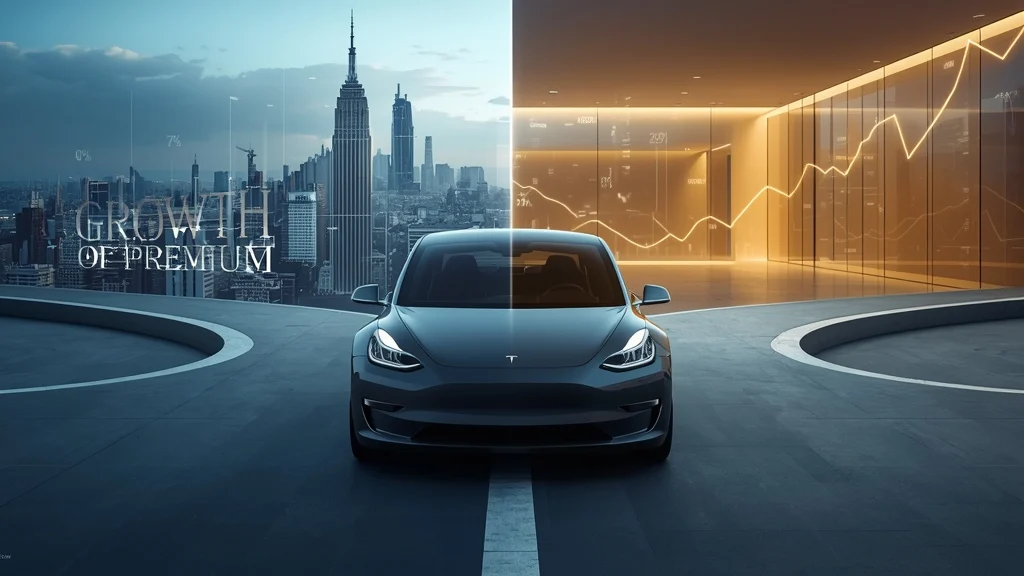
Will a cheap Tesla EV boost sales or crush profit margins? Explore the risks and rewards of Elon Musk’s latest strategy. Read more.
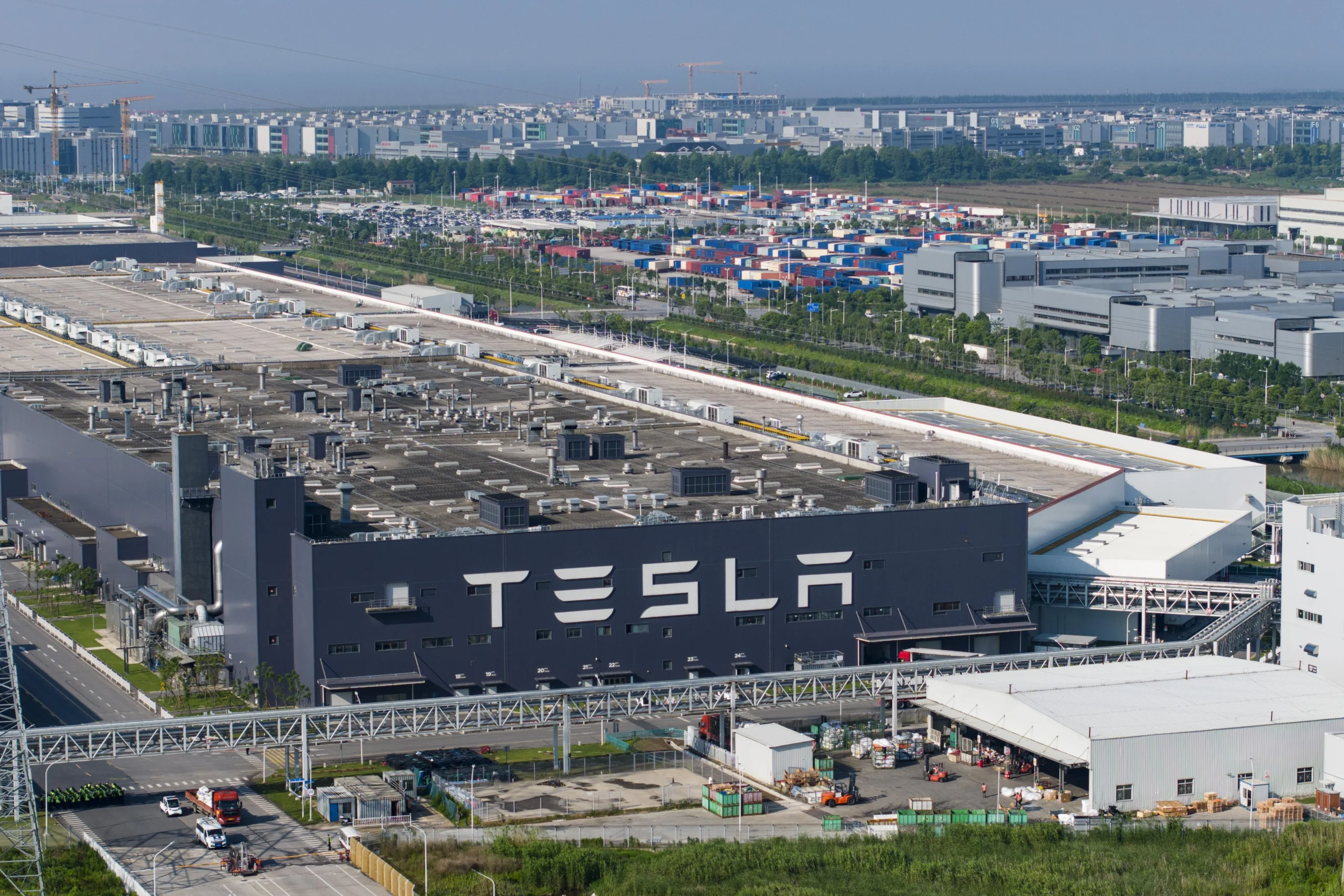
Tesla is currently standing at a strategic crossroads. The electric vehicle (EV) pioneer is weighing the development of a low-cost, compact model—a move that investors view as a double-edged sword. While a cheaper vehicle could stimulate demand and ramp up production volumes, it risks severely eroding the profit margins that have long been Tesla’s competitive advantage.
Tackling the Demand Crisis
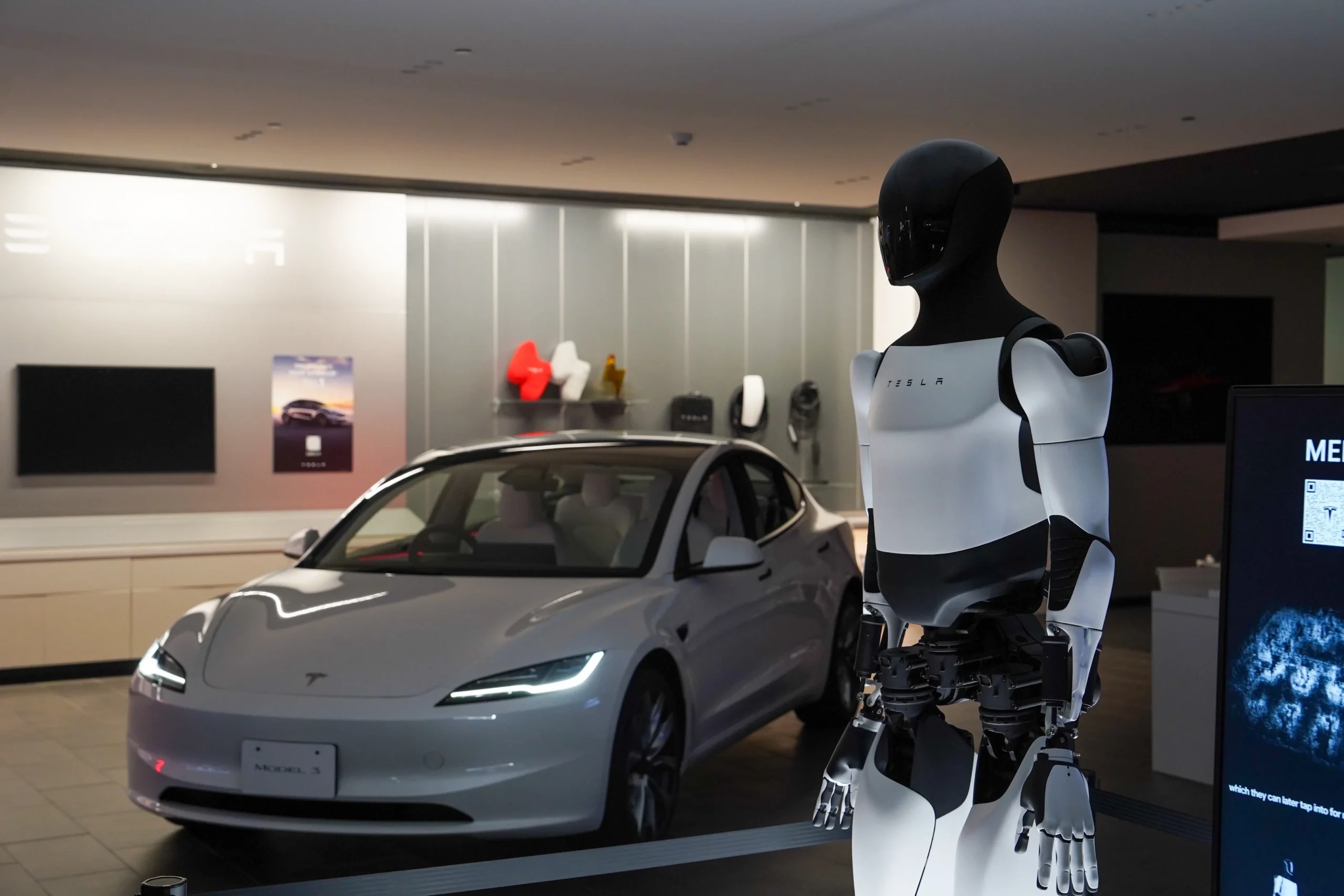
The push for a more accessible EV comes at a time when global demand for electric cars appears to be cooling. For the first time in years, Tesla is facing a significant inventory build-up. In the most recent quarter, the company produced over 50,000 more vehicles than it delivered, marking the widest gap in at least four years.
Compounding this issue is the loss of key incentives. In the United States, the removal of the $7,500 federal tax credit for certain models has made Tesla’s lineup less attractive to budget-conscious buyers, forcing the company to rethink its pricing strategy.
The Global Battle for Market Share
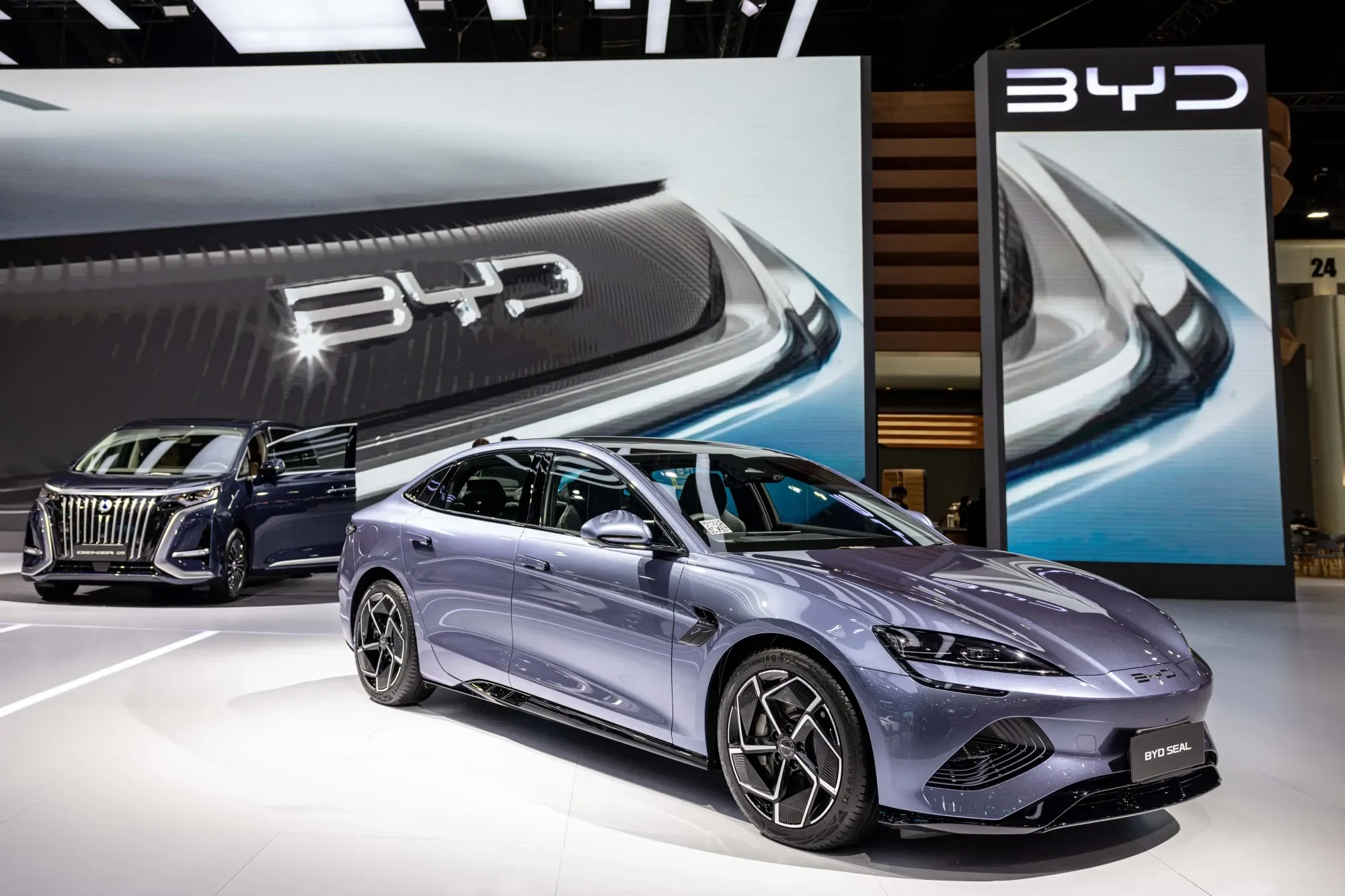
Tesla is no longer the only dominant player in the EV space. In China, domestic giants like BYD are aggressively launching low-cost models and expanding rapidly into European markets. This price war is putting immense pressure on Tesla to remain competitive in key regions.
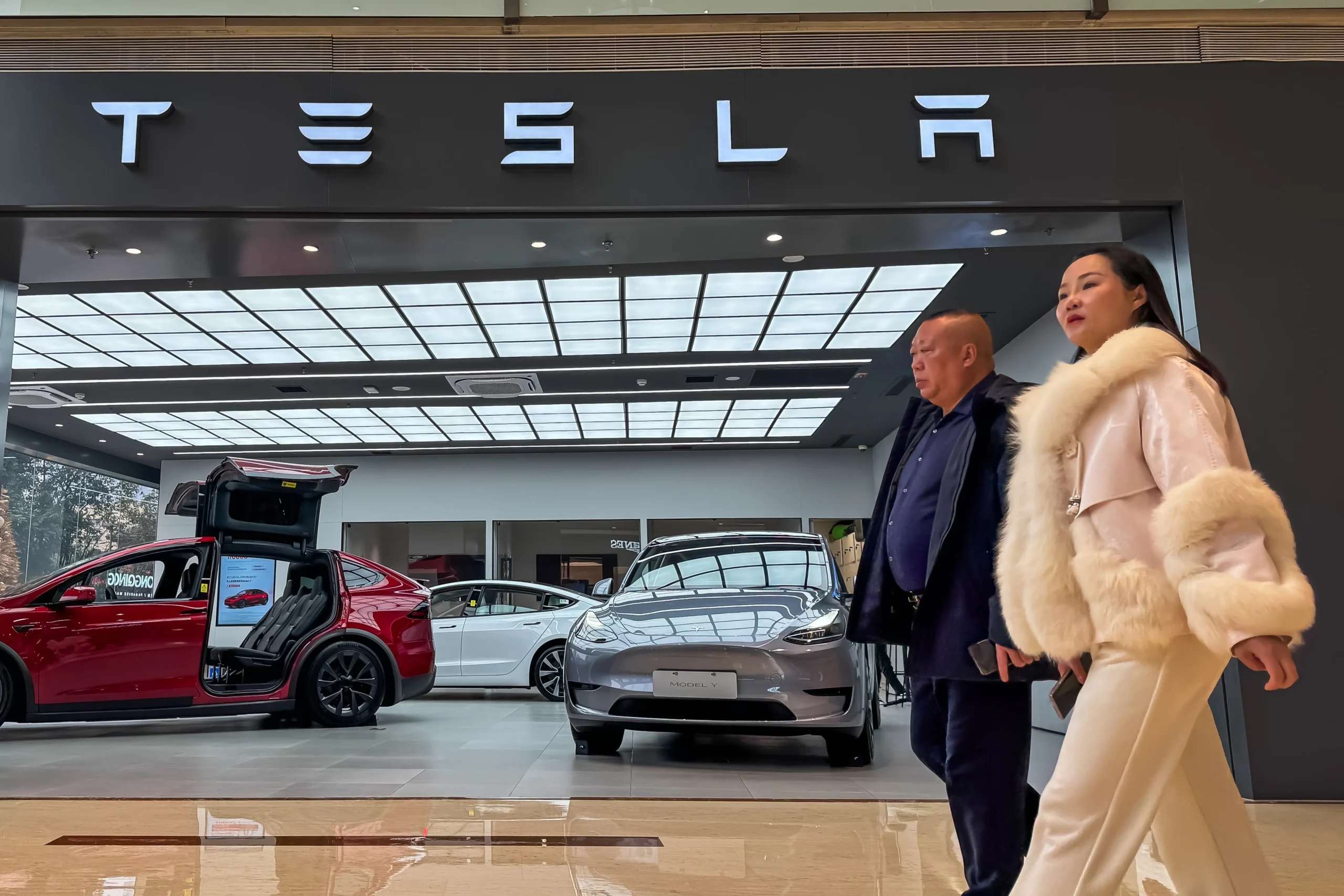
Shawn Campbell, a Tesla investor and advisor at Camelthorn Investments, suggests that a budget-friendly model is no longer optional but a necessity for Tesla to maintain its foothold in China and Europe, where price sensitivity is at an all-time high.
The Profit Margin Dilemma
The core of the debate lies in the balance between volume and value. Scott Acheychek, COO of REX Financial, points out that while a cheaper car would solve the current demand issue and improve factory efficiency, it introduces the risk of “margin dilution.” If Tesla cannot maintain double-digit average margins, its valuation could be impacted.
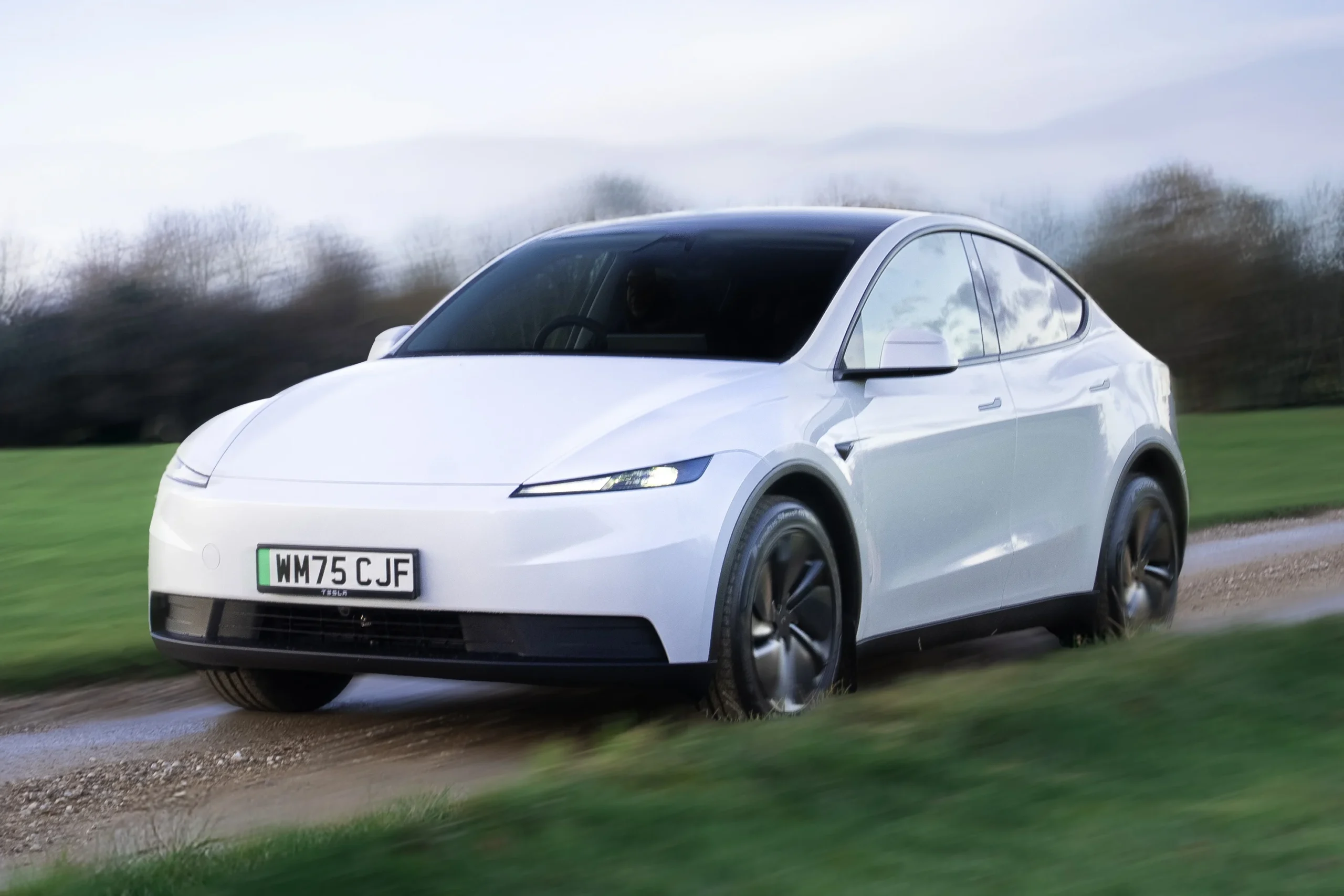
Tesla has already attempted to bridge this gap by introducing “Standard” versions of the Model 3 and Model Y, priced up to $5,000 lower than the Premium trims. However, this strategy has already led to a visible decline in the automotive segment’s profit margins due to successive price cuts.
Balancing Moonshots with the Core Business
Interestingly, Tesla previously pivoted away from the affordable car project in 2024 to focus on high-margin futuristic tech, including Full Self-Driving (FSD), Robotaxis, and the Optimus humanoid robot. However, the reality of the market has set in: declining car sales for two consecutive years have strained the cash flow required to fund these ambitious moonshots.
Mamta Valechha, an analyst at Quilter Cheviot, notes that while a new model could boost production, it will likely squeeze margins as Tesla prioritizes market share over immediate profitability.
Conclusion: An Impossible Choice?
As Tesla prepares to release its latest financial results, the market will be looking for clues on which path Elon Musk will take. The company faces a classic corporate dilemma: grow the user base by lowering the barrier to entry, or protect the premium brand and margins at the cost of growth. In a rapidly evolving global EV industry, the wrong choice could be costly.