
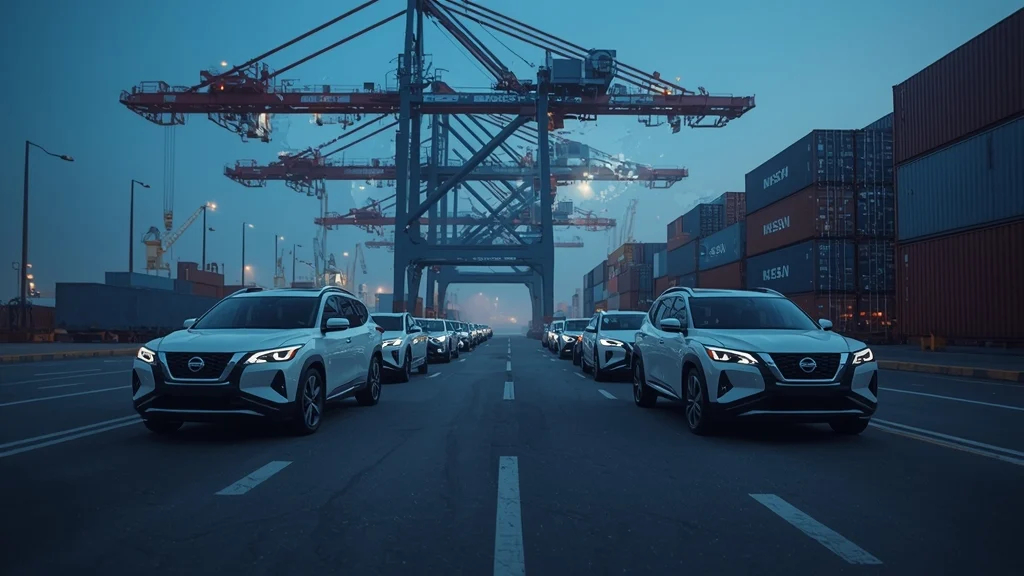
Nissan redirects 1,400 SUVs to the US market due to Middle East export disruptions. See how geopolitical risks are reshaping auto supply chains.
In a strategic move to combat mounting inventory pressure and geopolitical instability, Nissan is pivoting its distribution strategy. The automaker has announced the redirection of approximately 1,400 SUVs, originally destined for the Middle East, to the United States market.
Geopolitical Turmoil Disrupts Export Routes
According to reports from Nikkei, the shift comes as conflict in Iran and the subsequent “freezing” of the Strait of Hormuz—a critical maritime artery for global trade—have brought Nissan’s exports to the Middle East to a virtual standstill. With traditional shipping lanes blocked, the company was forced to seek alternative destinations to avoid a total production deadlock.
These diverted vehicles are expected to arrive at U.S. ports between April and May 2026. Nissan has indicated that it may extend this redirection plan into June or beyond, depending on whether regional stability returns to the Middle East.
From the Patrol to the Armada: A Strategic Pivot
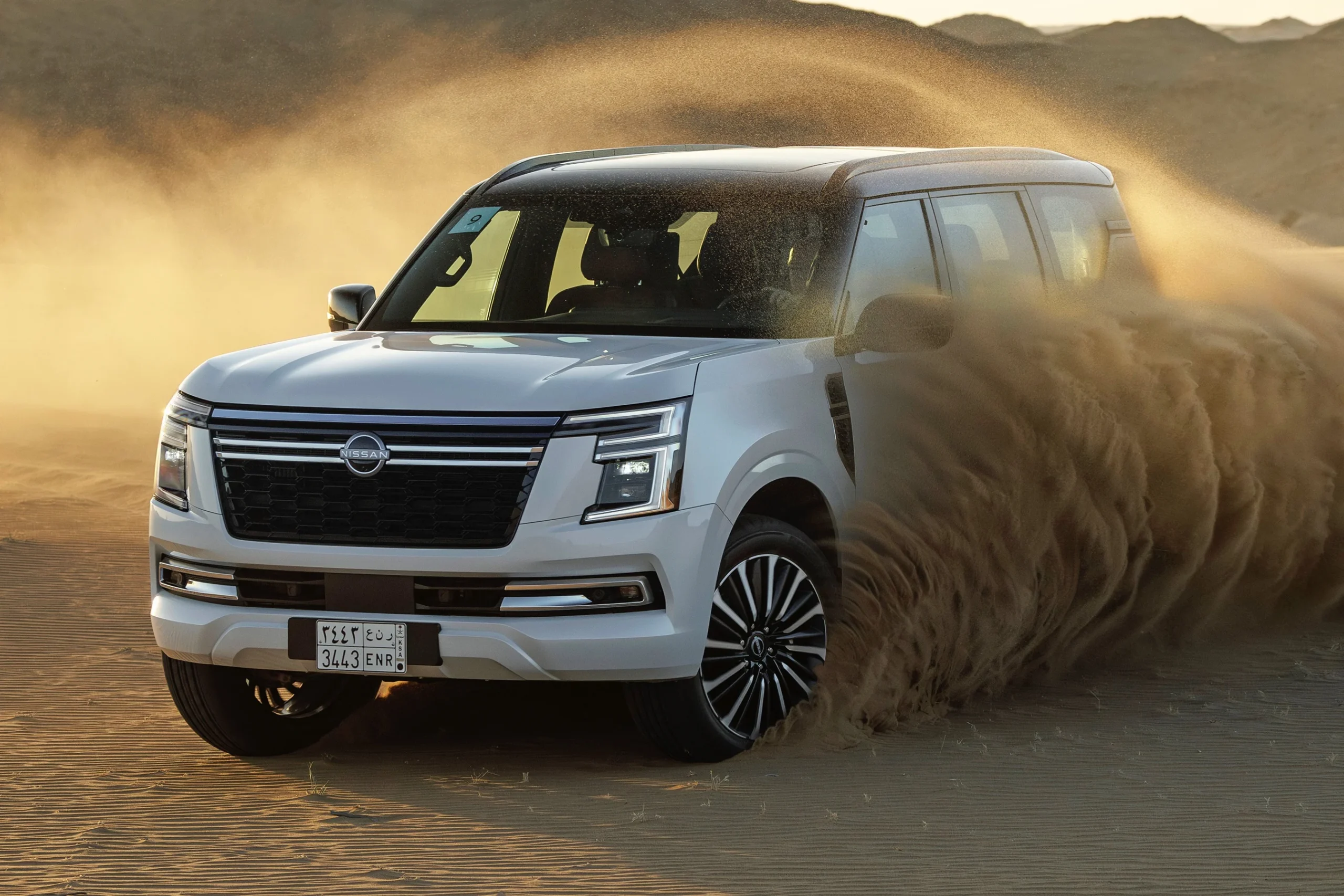
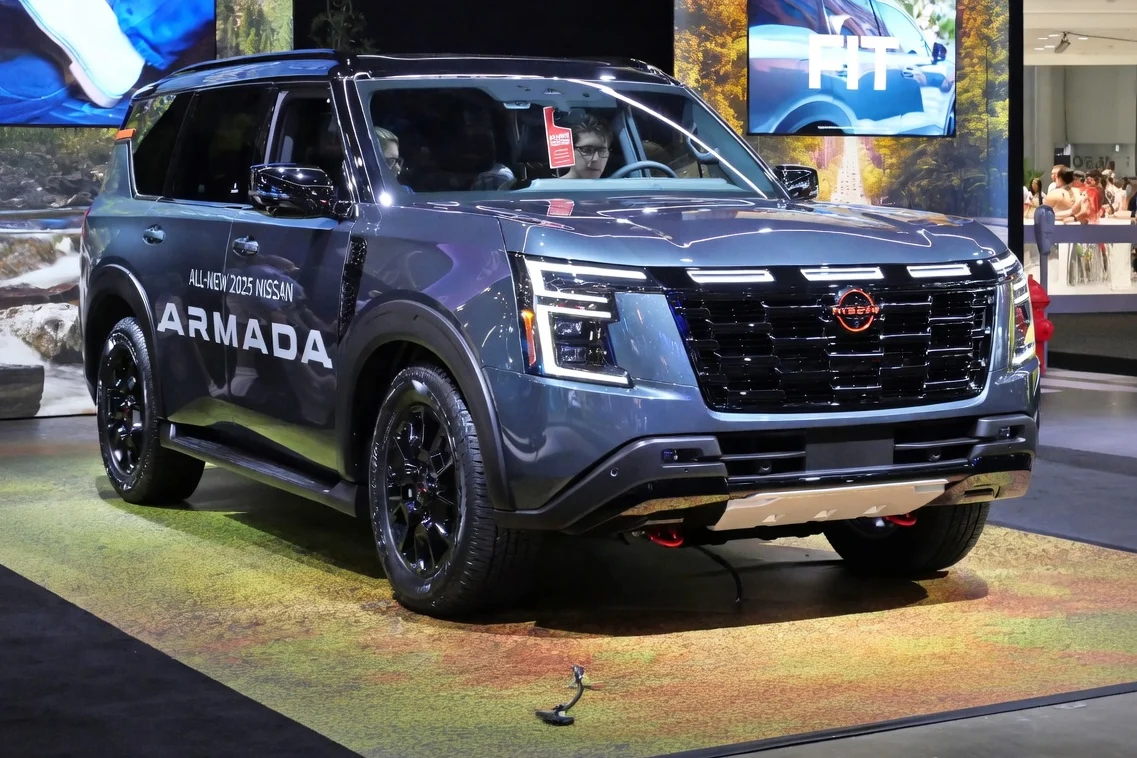
The vehicles in question are the Nissan Patrol, a powerhouse SUV with a massive following in Middle Eastern markets. In North America, this same high-margin model is marketed as the Nissan Armada.
This transition is particularly timely for Nissan. The Armada has recently garnered significant acclaim, being named the “Best SUV of 2026” by Cars.com. This surge in American consumer interest provides Nissan with a golden opportunity to offload excess inventory into a market where demand is high and profit margins remain strong.
Production Bottlenecks in Japan
The affected SUVs were produced by Nissan Shatai Kyushu in Fukuoka, Japan. Due to the high demand previously forecasted for the Middle East, the plant maintained a steady production pace. However, the inability to ship the finished vehicles led to severe warehouse congestion.
The inventory backlog became so critical that Nissan reportedly had to reduce the production volume of other vehicle models simply to clear physical space within its storage facilities.
A Wider Industry Trend
Nissan is not alone in facing these challenges. Several other Japanese automakers are scrambling to adjust their operations as Middle Eastern tensions escalate:
- Toyota: Has decided to cut production of approximately 40,000 Land Cruisers intended for the region during March and April 2026.
- Subaru: Has temporarily suspended all exports to the affected areas.
- Mazda: Has halted the production of specific models tailored for the Gulf nations.
The Big Picture: A Fragile Global Supply Chain
These developments underscore the extreme vulnerability of the global automotive supply chain to geopolitical shocks. As conflicts disrupt key trade routes, manufacturers are being forced to adopt a more agile, “real-time” distribution model to mitigate financial losses and maintain operational continuity.