
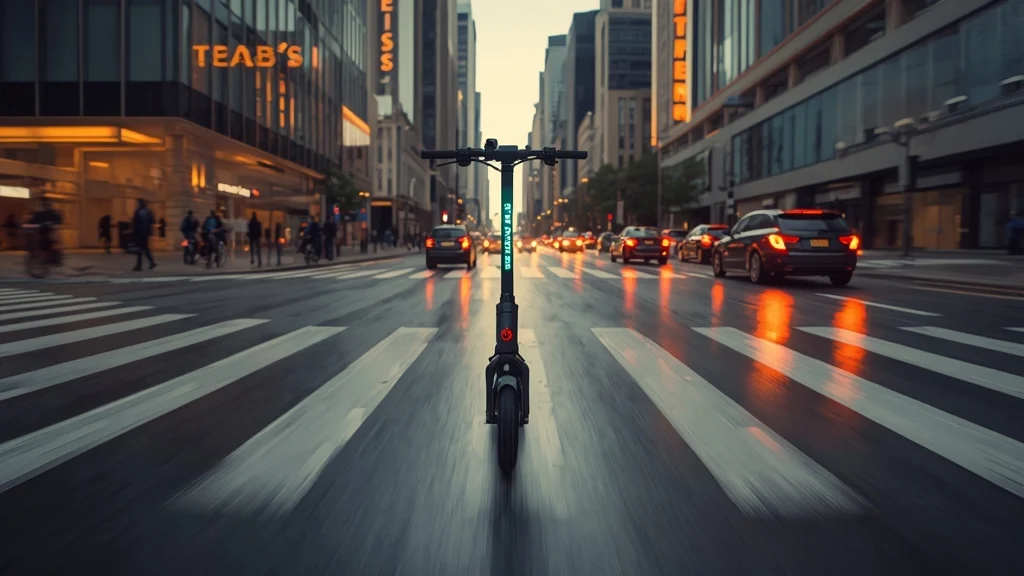
NIU partners with China’s Hesai to equip its 2026 electric scooters with advanced LiDAR, boosting safety in city traffic. Discover the future of two‑wheel mobility now.
Hesai and NIU Team Up for LiDAR‑Equipped Scooters
On March 18, Chinese LiDAR specialist Hesai announced a partnership with NIU Technologies to supply its cutting‑edge LiDAR sensors for the upcoming 2026 NIU electric scooter lineup. The collaboration was unveiled alongside NIU’s launch of NIU AIOS, an artificial‑intelligence operating system designed specifically for two‑wheel vehicles.
Why LiDAR Matters for Two‑Wheeled Mobility
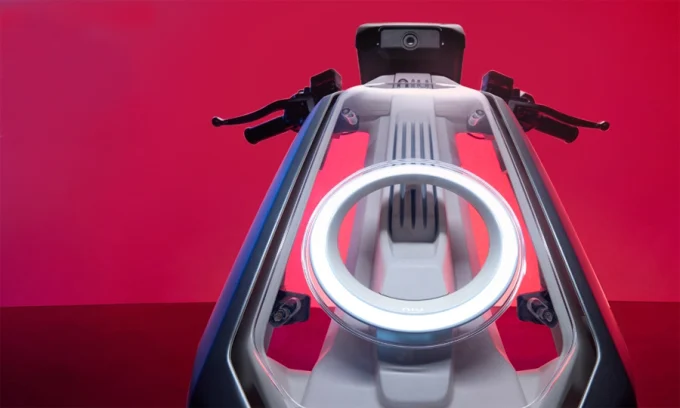
The Hesai FTX LiDAR provides a panoramic field of view of up to 180° × 140°, enabling real‑time detection of pedestrians, other road users, and complex surface conditions—regardless of weather. Compared with the previous generation, the sensor’s resolution has doubled while its weight has been trimmed by 66%.
- High‑resolution 3D mapping for urban streets
- Fast obstacle recognition, even for low‑lying hazards
- Seamless integration with NIU’s Sunrise series AI chips from D‑Robotics
Safety and Intelligence on Busy City Streets
NIU CEO Li Yan explained that growing urban congestion demands more than a single perception system. “A lone sensor can’t meet the heightened safety expectations of modern riders,” he said. By pairing Hesai’s LiDAR with advanced AI processing, NIU aims to deliver a multi‑modal perception suite that can anticipate and react to unpredictable traffic scenarios.
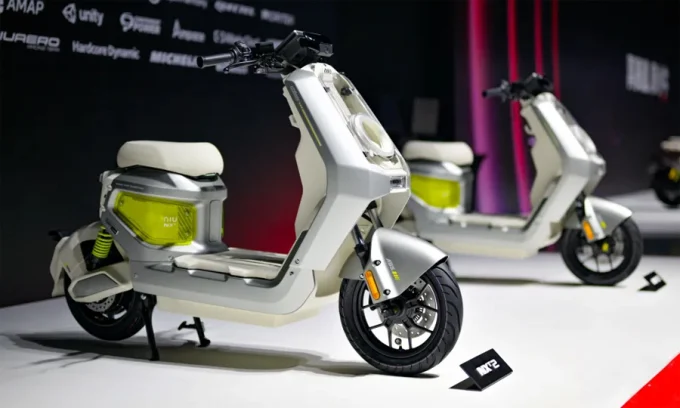
Hesai’s CEO Li Yifan added, “This partnership sets a new smart‑standard for the two‑wheel sector, paving the way toward safer and more intelligent scooter networks.”
Affordable LiDAR: From $43,600 to $200
One of the biggest hurdles for LiDAR adoption has been cost. Hesai reports that, through chip‑level integration and high‑volume manufacturing, the price of its FTX sensor has dropped to roughly $200 USD—a staggering 99.5% reduction compared to legacy models that once cost over ¥300,000 (≈ $43,600) a decade ago.
This price breakthrough opens the technology to mass‑market electric scooters and motorcycles, a segment that previously couldn’t justify such sophisticated sensing hardware.
LiDAR’s Expanding Footprint in China
By the end of 2025, Hesai estimates that LiDAR-equipped vehicles accounted for about 19 % of China’s autonomous‑car market. The NIU deal marks the first large‑scale integration of LiDAR into electric two‑wheel platforms, signaling a shift from premium EVs and self‑driving taxis toward everyday consumer products.
Other manufacturers are following suit: BYD filed a LiDAR option for its urban‑run “Seagull” model (priced around $10,000), while Leapmotor recently registered LiDAR for its compact A05 electric car.
About the Players
Hesai is one of China’s leading LiDAR providers, with its long‑range sensors already deployed in autonomous taxi pilots for Baidu, Pony.ai, WeRide, and Zoox. The company’s rapid cost reductions suggest a broader market rollout is imminent.
NIU Technologies is a global powerhouse in electric two‑wheel mobility, producing electric scooters, mopeds, and bicycles. Although the firm briefly attempted to launch an electric car in early 2020, its core focus remains on electrifying urban transportation.
Looking Ahead
The Hesai‑NIU partnership illustrates how high‑precision LiDAR is moving out of niche, high‑cost applications and into the hands of everyday riders. As LiDAR becomes more affordable, city commuters can expect smarter, safer rides that blend AI perception with the convenience of electric scooters.
Stay tuned for the 2026 NIU models—expected to hit streets worldwide with this groundbreaking vision technology.