
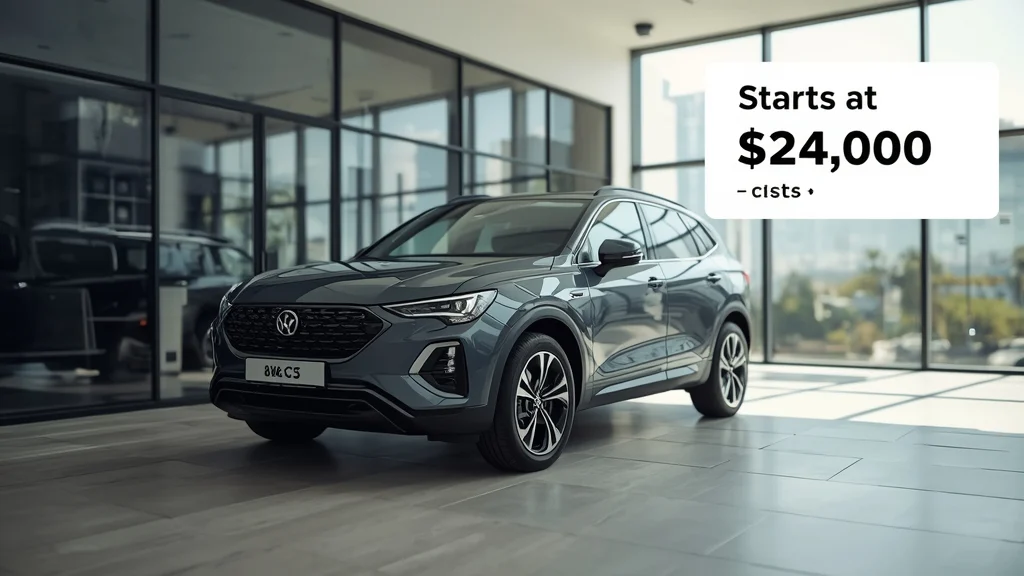
Discover if the Omoda C5 Super Hybrid lives up to its low‑price hype. Compare specs, price and rivals – read the full review now!
The Omoda C5 Super Hybrid (model code SHS‑H) hit Vietnamese showrooms this month with a promotional price tag starting at VND 599 million (≈ $24,000). The figure instantly sparked chatter on social media – many buyers were drawn by the promise of a compact SUV that costs up to 30 % less than comparable Japanese rivals.
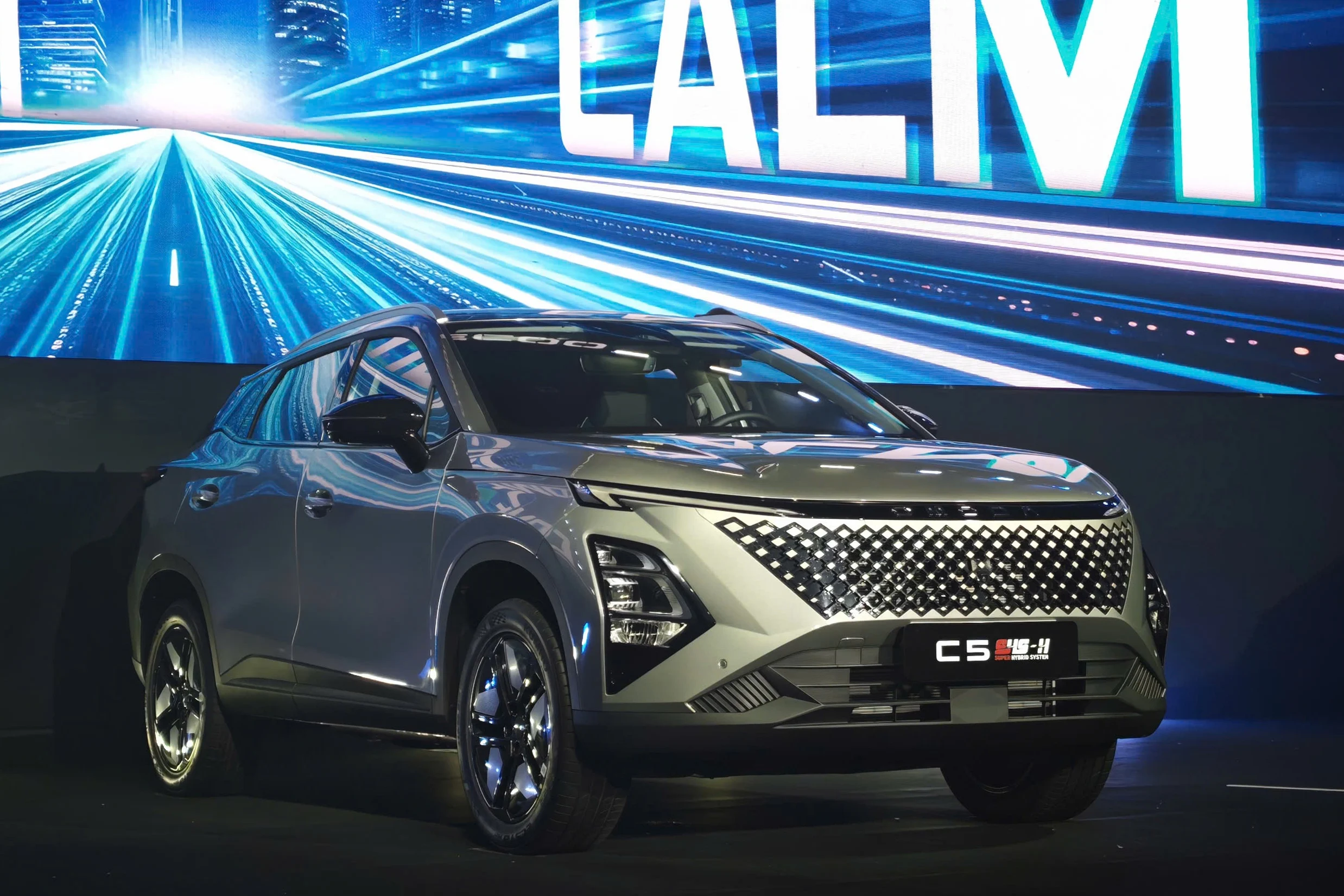
Where Does the C5 Fit?
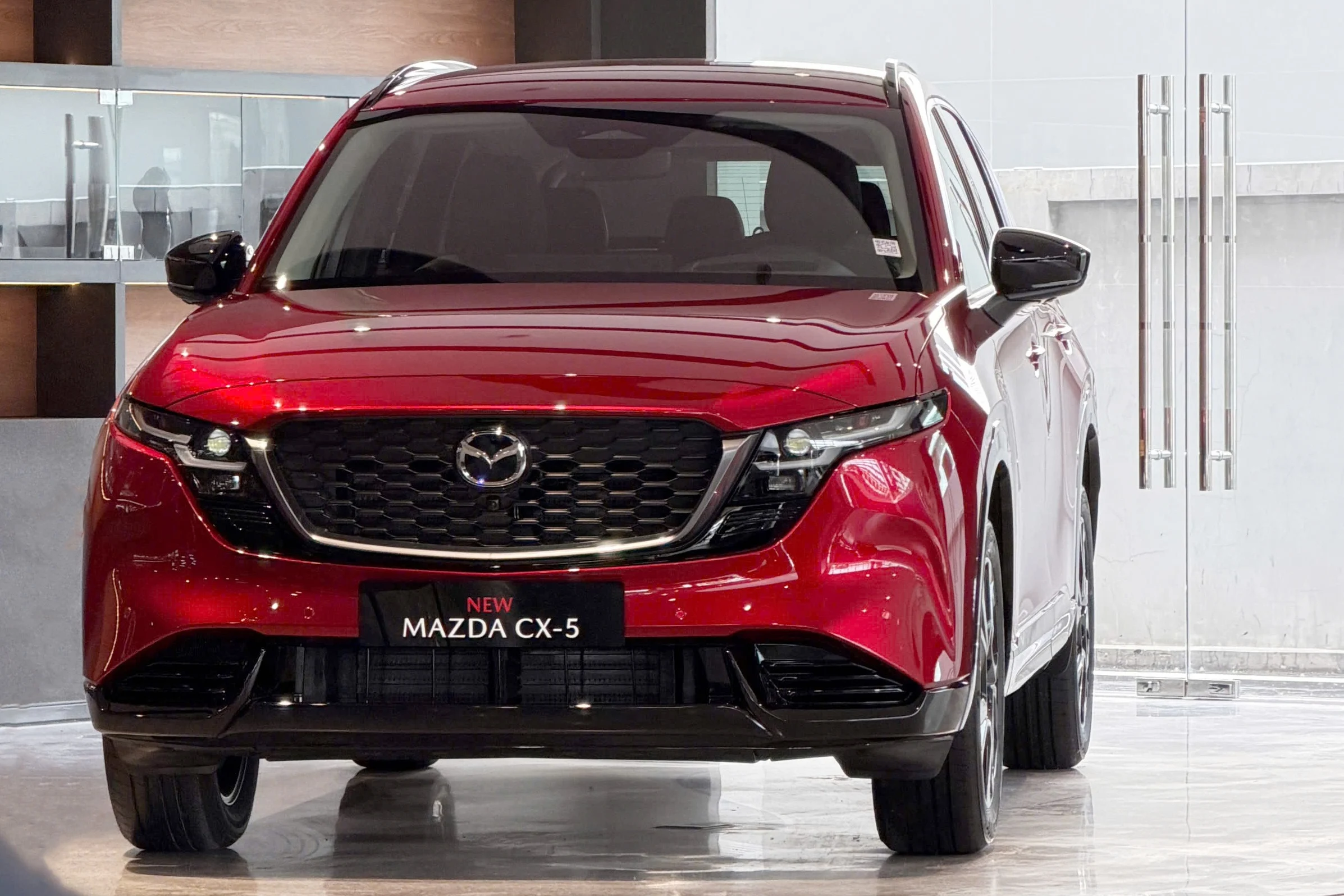
Omoda & Jaecoo position the C5 as a “C‑segment” urban SUV, but its dimensions (4,447 mm × 1,824 mm × 1,588 mm, wheelbase 2,630 mm) line it up more with B‑plus models such as the Mitsubishi Xforce, Honda HR‑V and Toyota Yaris Cross. By comparison, larger C‑segment rivals – Mazda CX‑5, Ford Territory and Hyundai Tucson – all have wheelbases over 2,700 mm, making the C5 noticeably shorter.
Design and Interior Tech
The cabin sports a 24.6‑inch infotainment screen that stretches across the dashboard, providing a “Chinese‑standard” level of connectivity. In the HEV version, the gauge cluster is relocated behind the steering wheel, freeing up central console space for storage compartments and functional buttons. The flagship trim adds a panoramic glass roof, giving the interior a more premium feel.
Powertrain and Fuel Efficiency
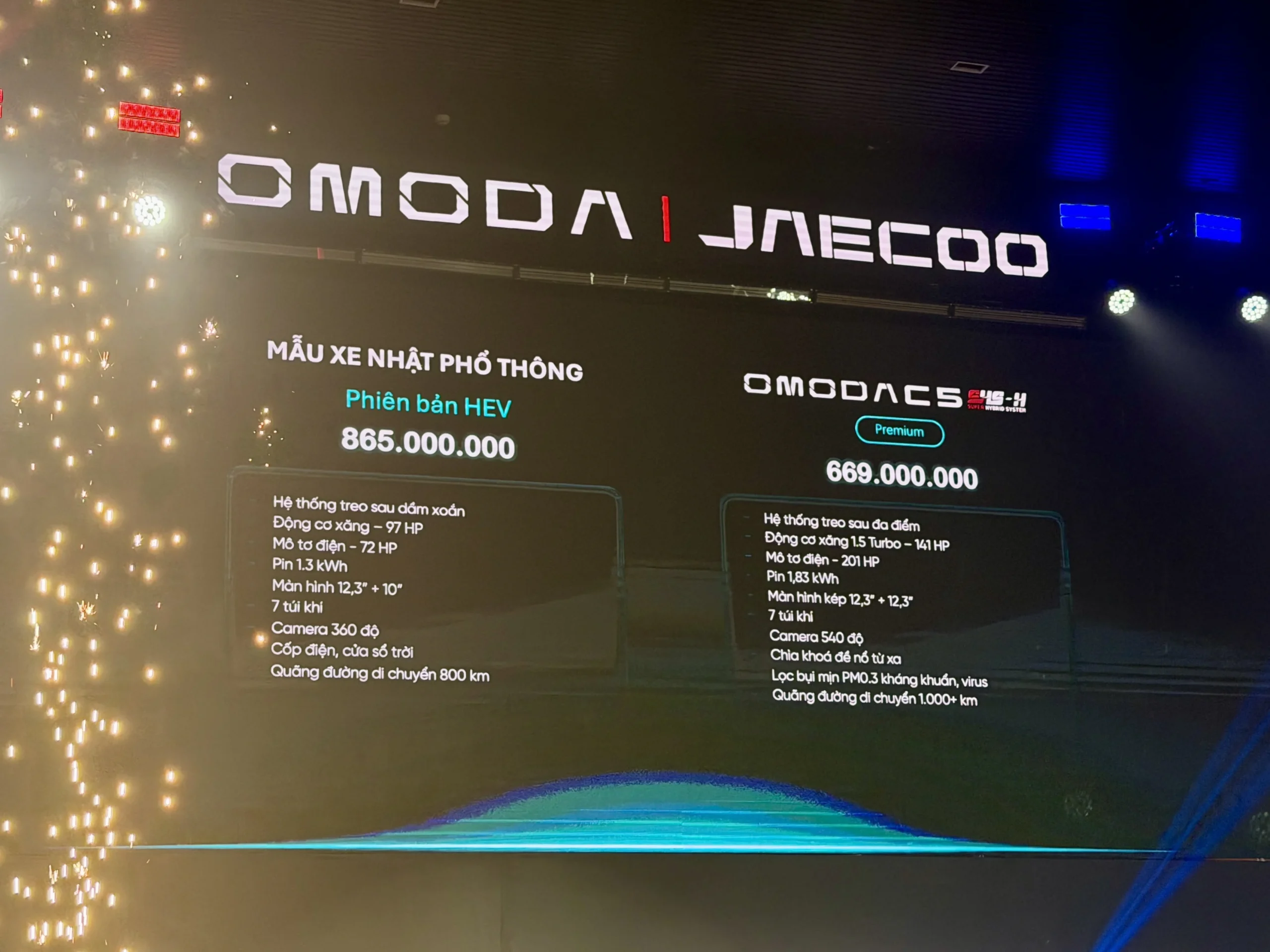
Under the hood sits a fifth‑generation 1.5 L turbo‑direct‑injection gasoline engine paired with an electric motor – the same hybrid system found in other Omoda models. Even in the base HEV configuration, the powertrain delivers a combined fuel consumption of 4.9 L/100 km, which is better than many pure‑gasoline competitors in the same price range.
Safety and Driver‑Assist Features
The C5 SHS‑H is one of the few budget hybrids equipped with a multi‑link rear suspension and a comprehensive ADAS suite. Sixteen safety functions are standard, including a 540p HD rear‑view camera, forward‑collision warning, automatic emergency braking, lane‑keeping assist, adaptive cruise control and blind‑spot monitoring.
Pricing vs. Competitors
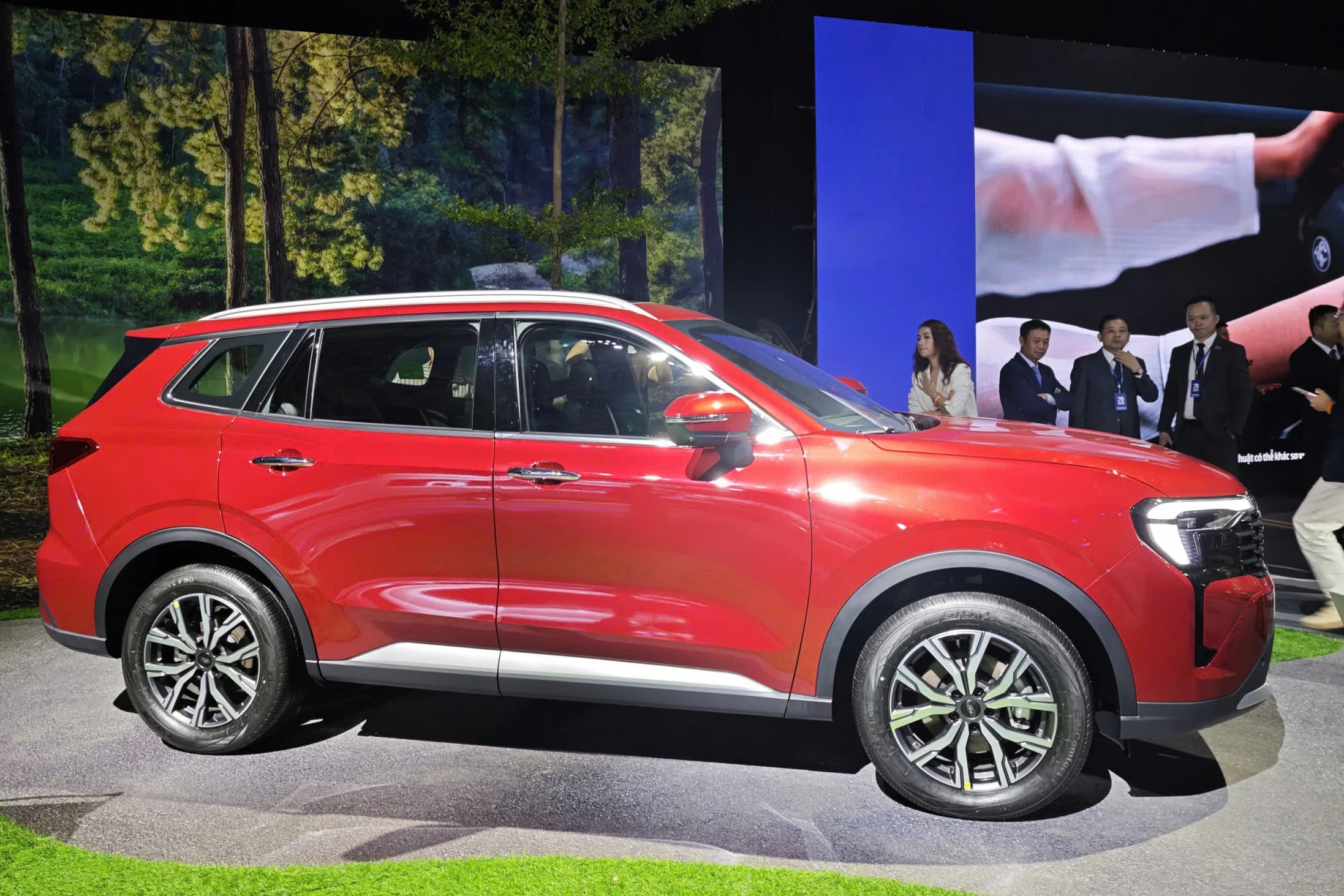
After discounts, the hybrid is priced between VND 599 million and VND 669 million. A comparable gasoline‑only version starts at VND 539 million and tops out at VND 749 million. For context, the Toyota Corolla Cross HEV – often cited as the benchmark – sells for around VND 865 million, while Honda HR‑V begins at VND 699 million and the Mitsubishi Xforce starts at VND 599 million.
Is It a True C‑Segment SUV?
Given its wheelbase and overall footprint, the Omoda C5 feels more like a B‑plus SUV rather than a full‑size C‑segment model. This classification matters because many buyers in the “compact SUV” market expect a certain cabin width and cargo capacity that larger rivals provide.
What Buyers Should Consider
- Value for Money: The hybrid’s equipment list and fuel savings offset its slightly higher upfront cost compared to pure‑gas models.
- Size: Families needing extra rear‑seat room may prefer a true C‑segment SUV.
- After‑Sales Support: Omoda & Jaecoo’s aggressive pricing, warranty extensions and service packages are genuine selling points in a crowded market.
Final Verdict
The Omoda C5 Super Hybrid delivers a solid combination of technology, safety and fuel efficiency at a price that undercuts many Japanese rivals. While it doesn’t quite reach the dimensions of a classic C‑segment SUV, it offers a compelling option for urban drivers who prioritize low running costs and generous equipment levels. Whether it translates into strong sales will depend on how quickly buyers weigh the size trade‑off against the attractive price and warranty perks.
Ready to test drive one? Visit your nearest Omoda & Jaecoo showroom and see if the C5 fits your budget and lifestyle.