

Discover if the Omoda C5 Super Hybrid lives up to its low‑price claim. Compare specs, pricing and rivals – read the full review now!
The Omoda C5 Super Hybrid (SHS‑H) hit Vietnamese showrooms with a headline‑grabbing price tag of VND 599 million after promotional discounts. The figure immediately sparked buzz: could a Chinese‑made compact SUV really offer “more car for less money”?
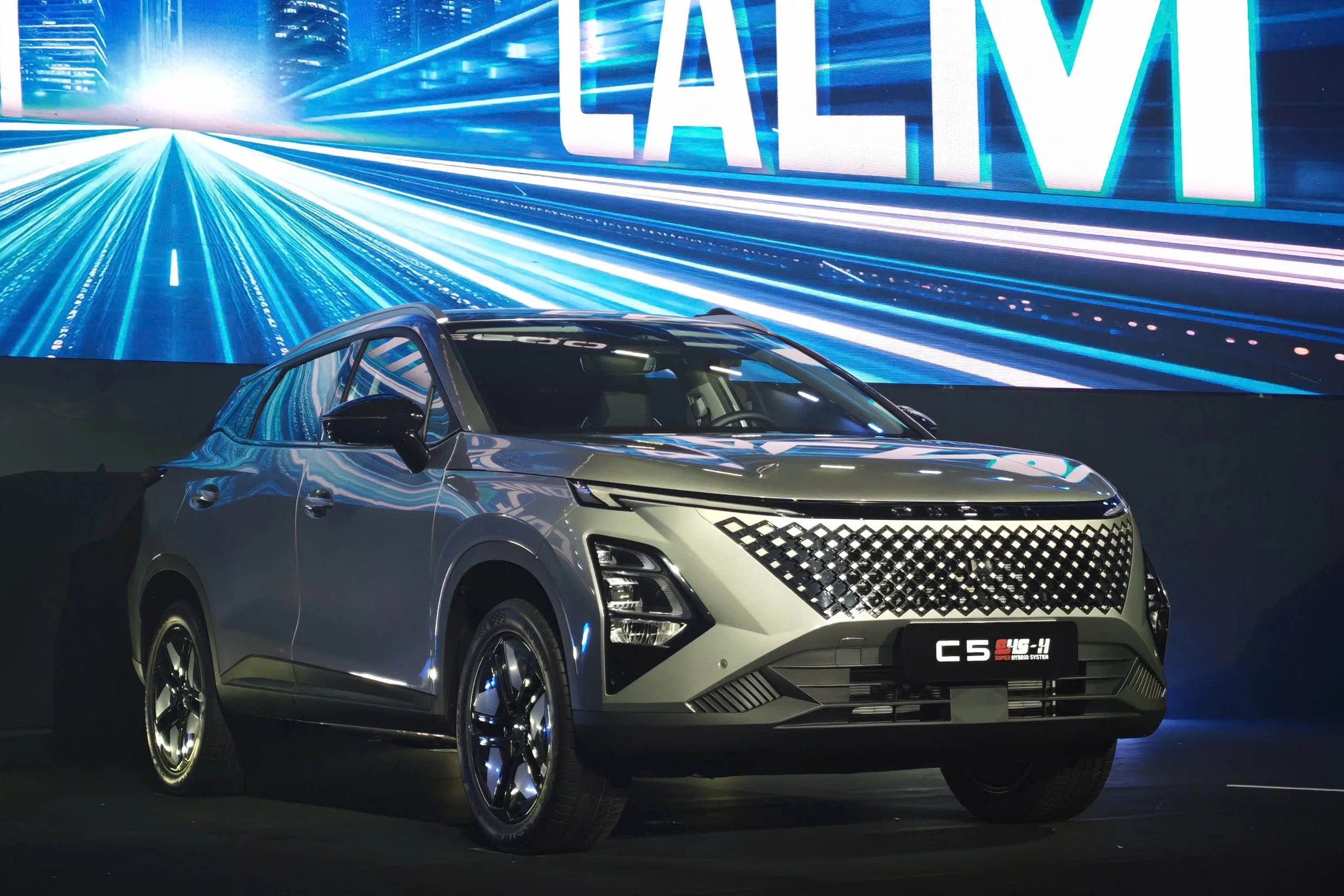
Positioning and Target Segment
Omoda & Jaecoo position the C5 as a city‑focused, C‑segment SUV. In practice, its dimensions (4,447 mm × 1,824 mm × 1,588 mm, wheelbase 2,630 mm) align more closely with B‑plus crossovers like the Honda HR‑V or Toyota Yaris Cross. Larger C‑segment rivals such as the Mazda CX‑5 or Hyundai Tucson are noticeably longer, so the C5 sits at the smaller end of the segment.
What You Get Inside
Inside, the SHS‑H version features a 24.6‑inch integrated digital display that dominates the dashboard. The layout pushes the instrument cluster forward, freeing the central console for storage compartments and function keys. The top‑tier flagship trim adds a panoramic glass roof, giving the cabin a more upscale feel.
Hybrid Powertrain – The Real Money‑Saver?
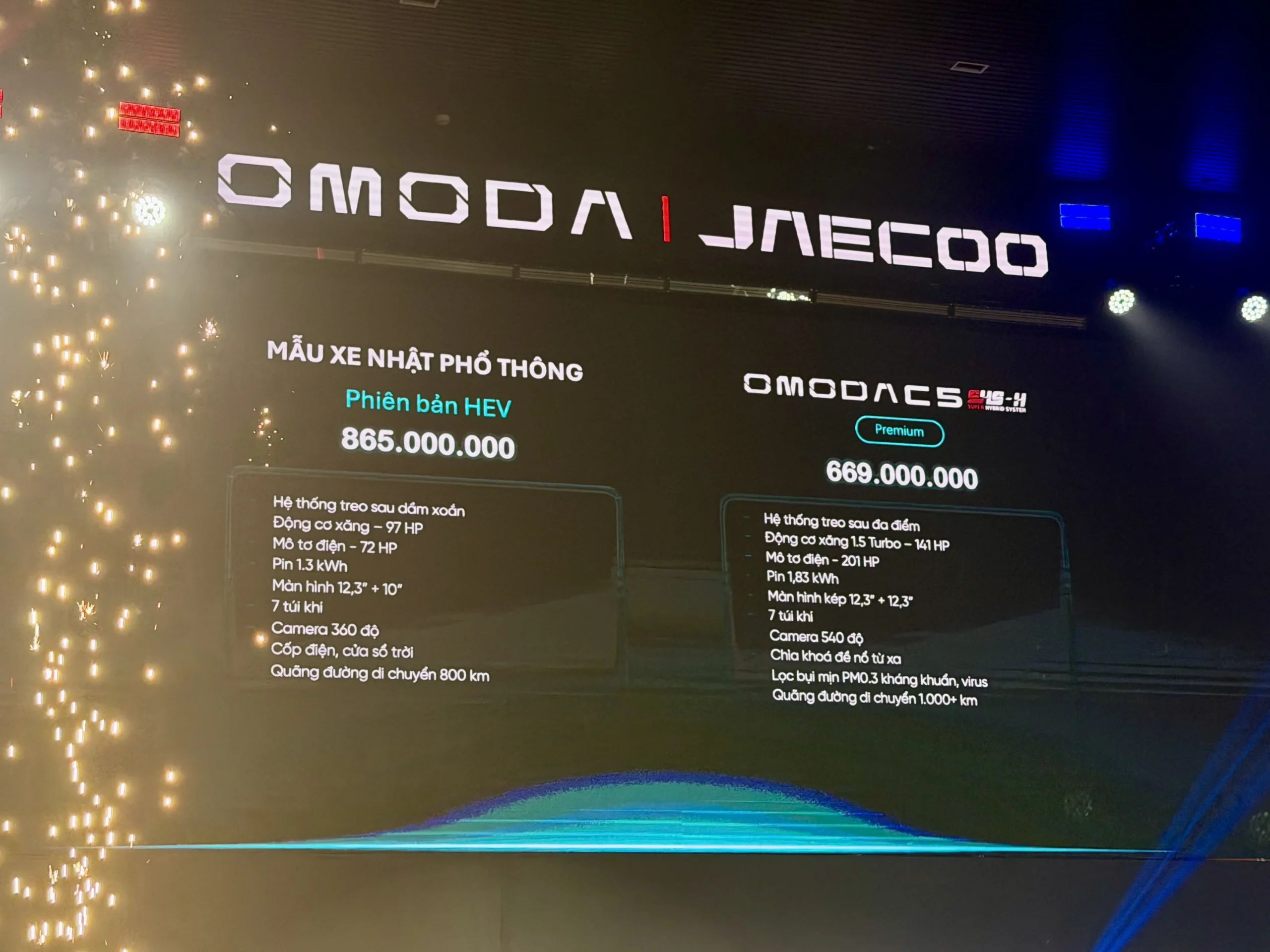
The C5’s hybrid heart is a fifth‑generation 1.5 L turbo‑direct‑injection (TDGi) engine paired with an electric motor. While it’s marketed as a basic HEV option, the powertrain delivers a combined fuel consumption of 4.9 L/100 km—lower than most gasoline‑only rivals in the same price band. Pricing after discounts ranges from VND 599 million to VND 669 million, positioning the hybrid just above the conventional‑engine variants (VND 539‑749 million).
Tech and Safety Package
- Multi‑link rear suspension – rare for a vehicle under VND 700 million.
- Advanced Driver‑Assistance System (ADAS) suite with 16 features, including 540p HD camera, collision warning, emergency brake assist, lane‑keep assist, adaptive cruise control, and blind‑spot detection.
- Standard infotainment with Bluetooth, USB, and smartphone integration.
How It Stacks Up Against Competitors
During the launch, Omoda compared the C5 directly with a VND 865 million SUV that shares the same 97 hp gasoline engine, a 1.3 kWh battery, and a traditional torsion‑beam rear axle. Observers quickly linked that benchmark to the Toyota Corolla Cross HEV.
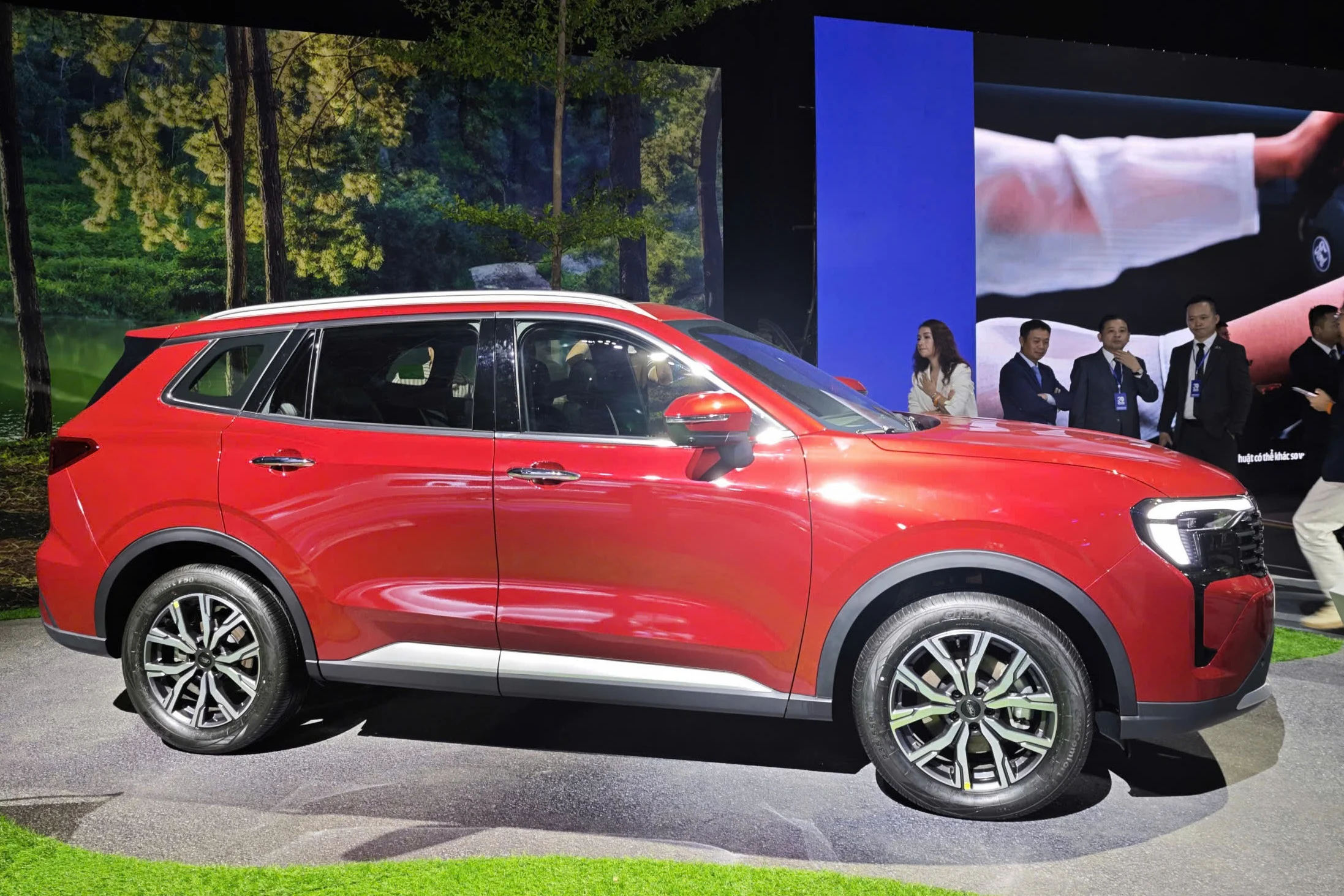
In size, the C5 matches the Corolla Cross (wheelbase 2,630 mm) but falls short of true C‑segment dimensions. Compared to B‑segment rivals, its price is competitive: Honda HR‑V starts at VND 699 million, Toyota Yaris Cross at VND 650‑765 million, and Mitsubishi Xforce from VND 599 million.
Value for Money – Verdict
The Omoda C5 SHS‑H delivers a respectable blend of hybrid efficiency, a generous tech suite, and a premium‑looking interior for a sub‑VND 700 million price. However, calling it a C‑segment SUV is a stretch; it fits better into the B+ crossover niche. The price advantage narrows when you consider that many B‑segment models now sit in the same range.
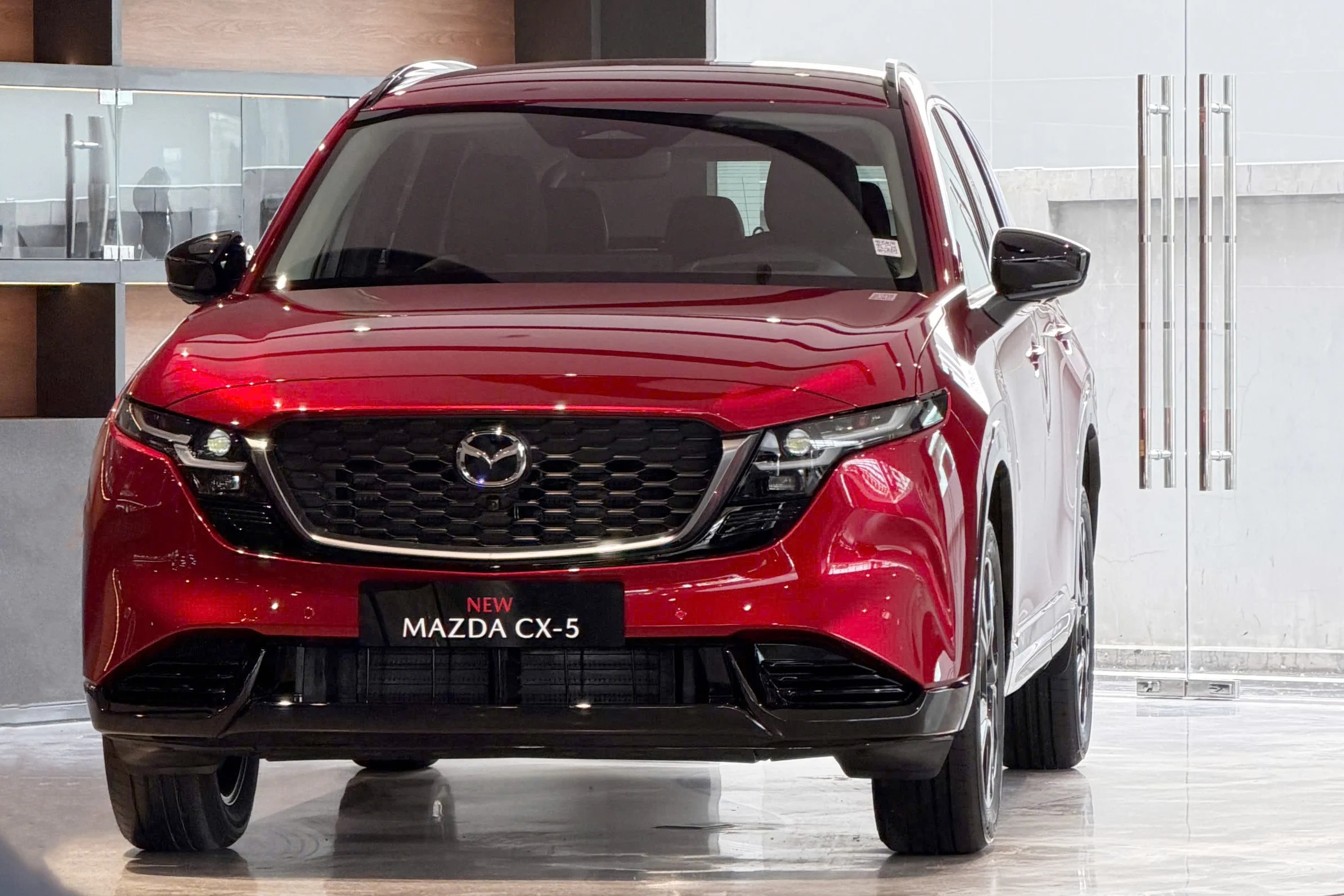
What sets the C5 apart is Omoda & Jaecoo’s aggressive pricing strategy and after‑sales promises, which are especially appealing as new brands flood the Vietnamese market. Whether these factors translate into strong sales will depend on how buyers weigh the extra equipment against the slightly larger rivals.
Bottom Line
For city drivers seeking a hybrid crossover with a solid feature list at a comparatively low price, the Omoda C5 Super Hybrid is a compelling option. It may not deliver the full “C‑segment” space, but its blend of technology, fuel efficiency, and price makes it a strong contender in the crowded B‑segment arena.