
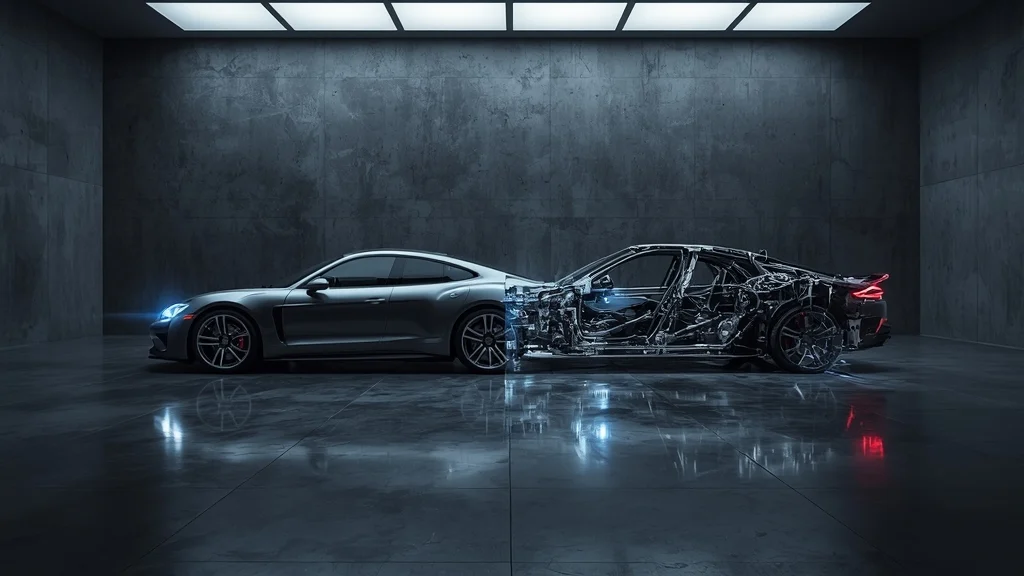
Facing an EV slump and rising costs, Porsche and Audi are intensifying cooperation to save VW Group’s profits. Discover the new strategy here.
In a dramatic shift in strategy, the two crown jewels of the Volkswagen Group—Porsche and Audi—are setting aside their internal rivalries. Driven by a cooling global demand for electric vehicles (EVs), mounting tariffs in the U.S., and escalating operational costs, these luxury powerhouses are intensifying their cooperation to safeguard the parent company’s profitability.
A New Era of Leadership and Collaboration
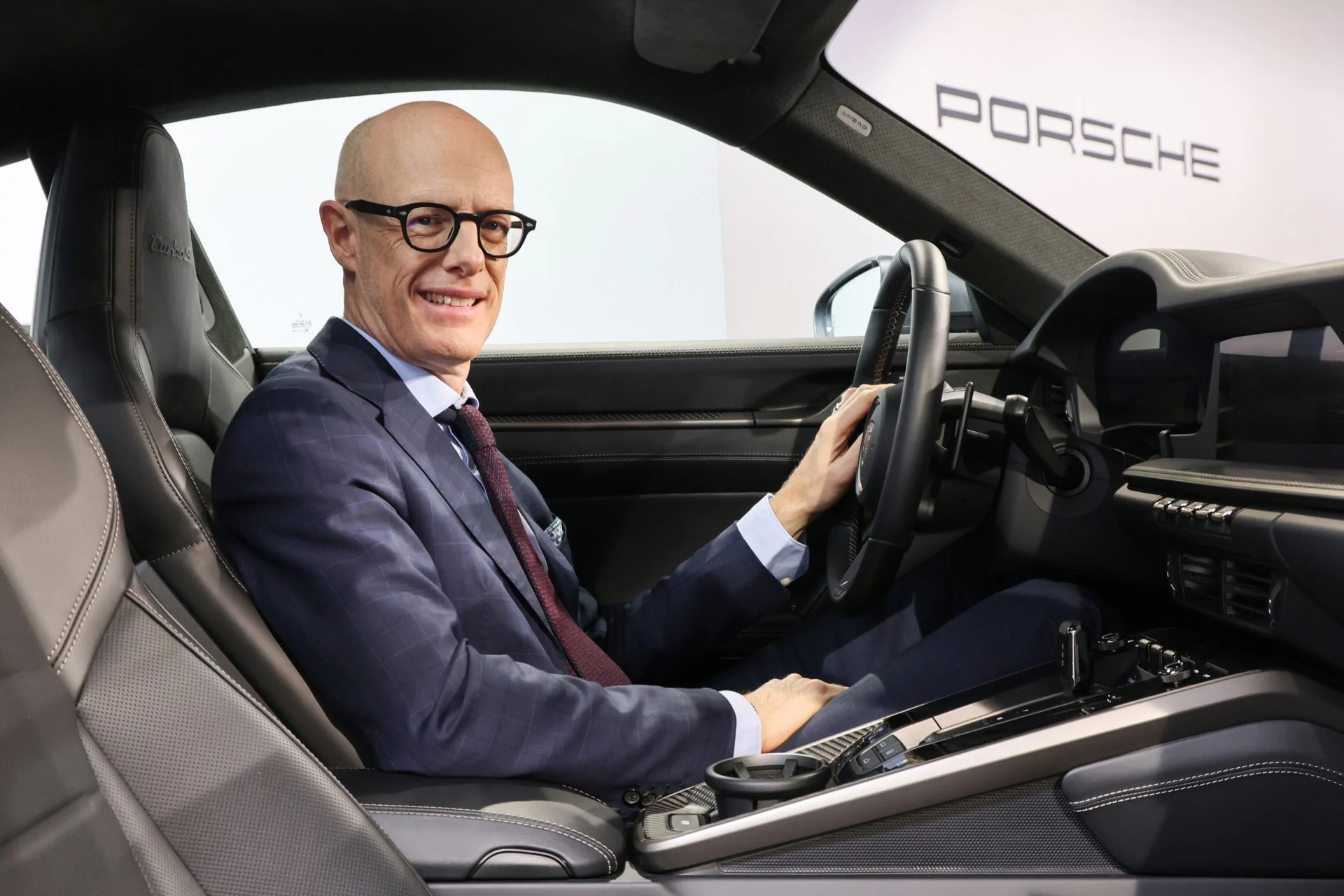
The signal for this newfound unity was sent early this year. Shortly after taking office on January 1st, Porsche CEO Michael Leiters made a high-profile visit to Audi’s headquarters in Ingolstadt, Germany. In a move that some insiders view as bypassing traditional corporate hierarchy—including VW Group CEO Oliver Blume—the visit underscored the critical importance of Audi as a strategic partner.
“Audi is a key partner for us,” Leiters emphasized. “We want to leverage our shared potential more than ever before.” This relationship is bolstered by the personal history between Leiters and Audi CEO Gernot Döllner, who previously worked together at Porsche managing high-margin models like the Macan, Cayenne, and Panamera.
The High Price of Rapid Electrification
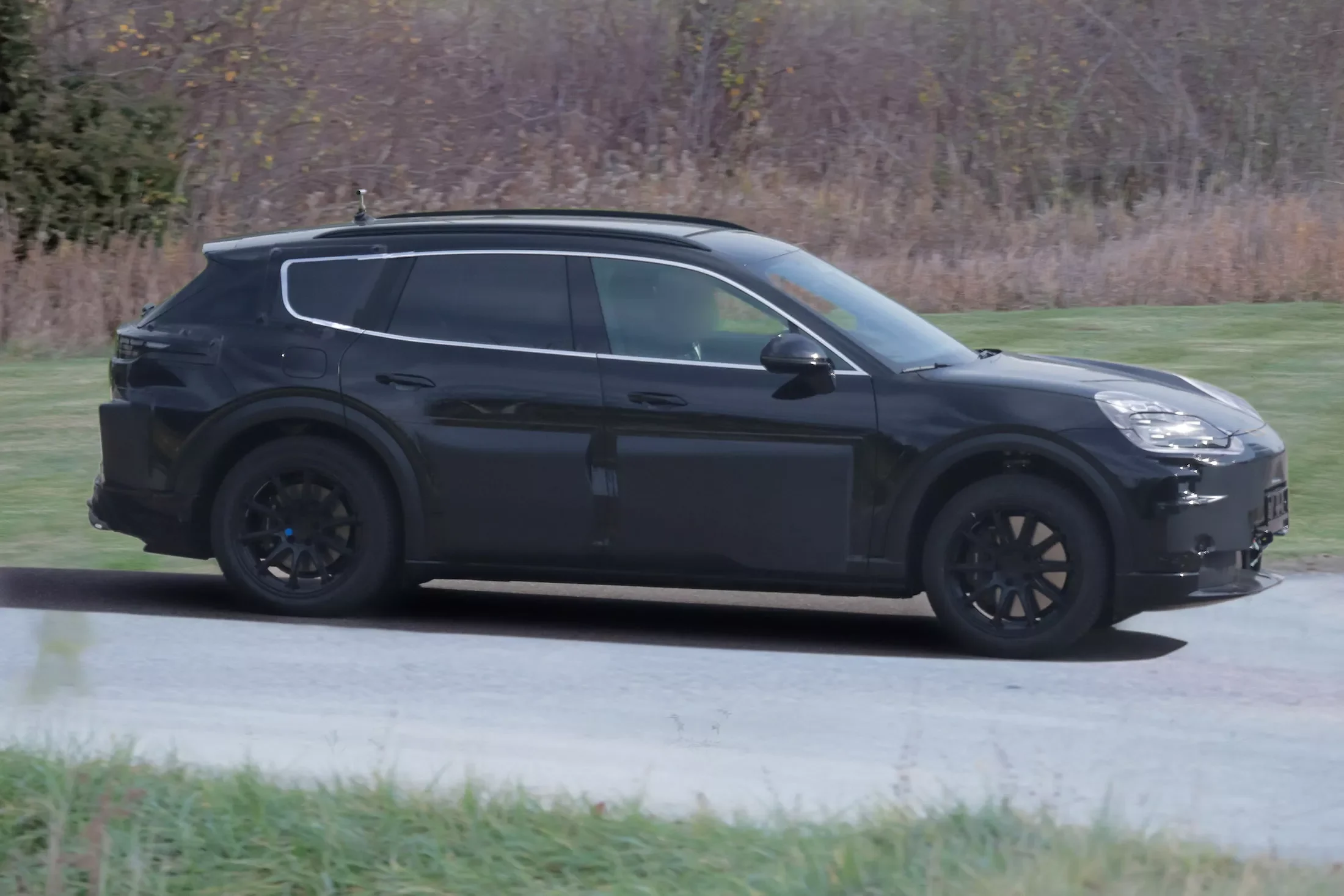
Both brands, once the primary “cash cows” for Volkswagen, are now facing severe headwinds. Porsche, in particular, is feeling the sting of an overly ambitious transition to electric power. The company had set a bold target for 80% of its sales to be fully electric by 2030. However, as market adoption slowed, Porsche was forced to pivot back toward investing in internal combustion engines (ICE).
This “double-track” development strategy has significantly inflated costs, pushing the company toward a potential loss in 2025. Meanwhile, Audi is struggling to regain its momentum. While new entries like the A6 e-tron and Q6 e-tron show promise, the brand’s core stalwarts—the A5 and A6—have seen a decline in sales compared to their predecessors.
Cutting Costs Through Synergy
With short-term growth looking bleak and spending remaining high, deep collaboration has become a necessity rather than a choice. An internal source noted bluntly: “They have no other option—costs must be slashed aggressively.”
To achieve this, Porsche is aiming to recover its profit margins to around 10% by relying more heavily on Audi’s existing platforms and components. The goal is to reduce product complexity by cutting unnecessary variants and increasing the use of shared parts—changes that are largely invisible to the customer but provide massive savings for the manufacturer.
Shared Platforms: The Future of Luxury Performance
The roadmap for future models reveals a deep integration of the two brands’ architectures. Moving forward, Porsche’s internal combustion models will lean heavily on Audi’s engineering:
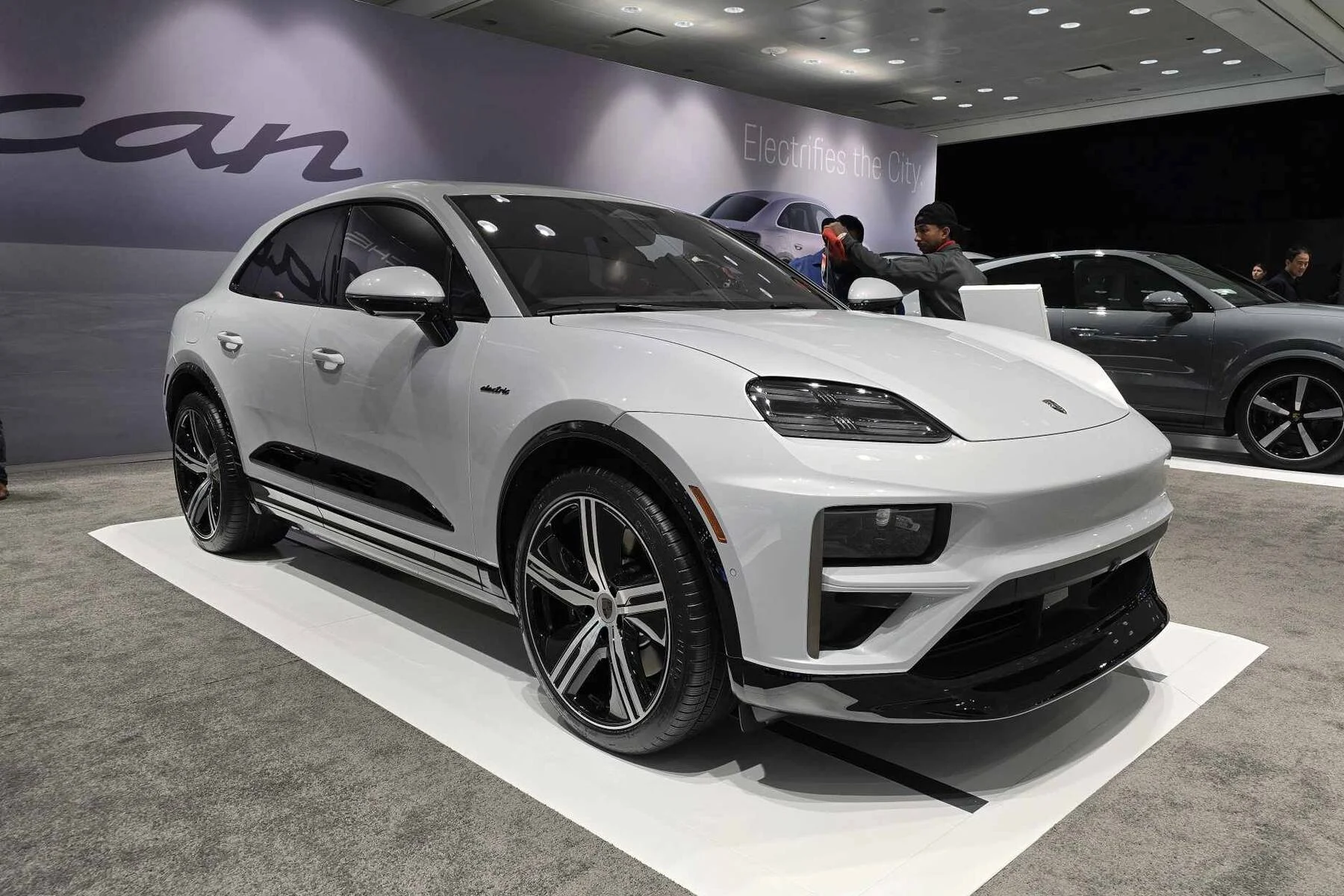
- The Next-Gen Macan: Expected to be developed based on the Audi Q5.
- The Porsche K1: A brand-new 7-seater SUV that will share a platform with the Audi Q9.
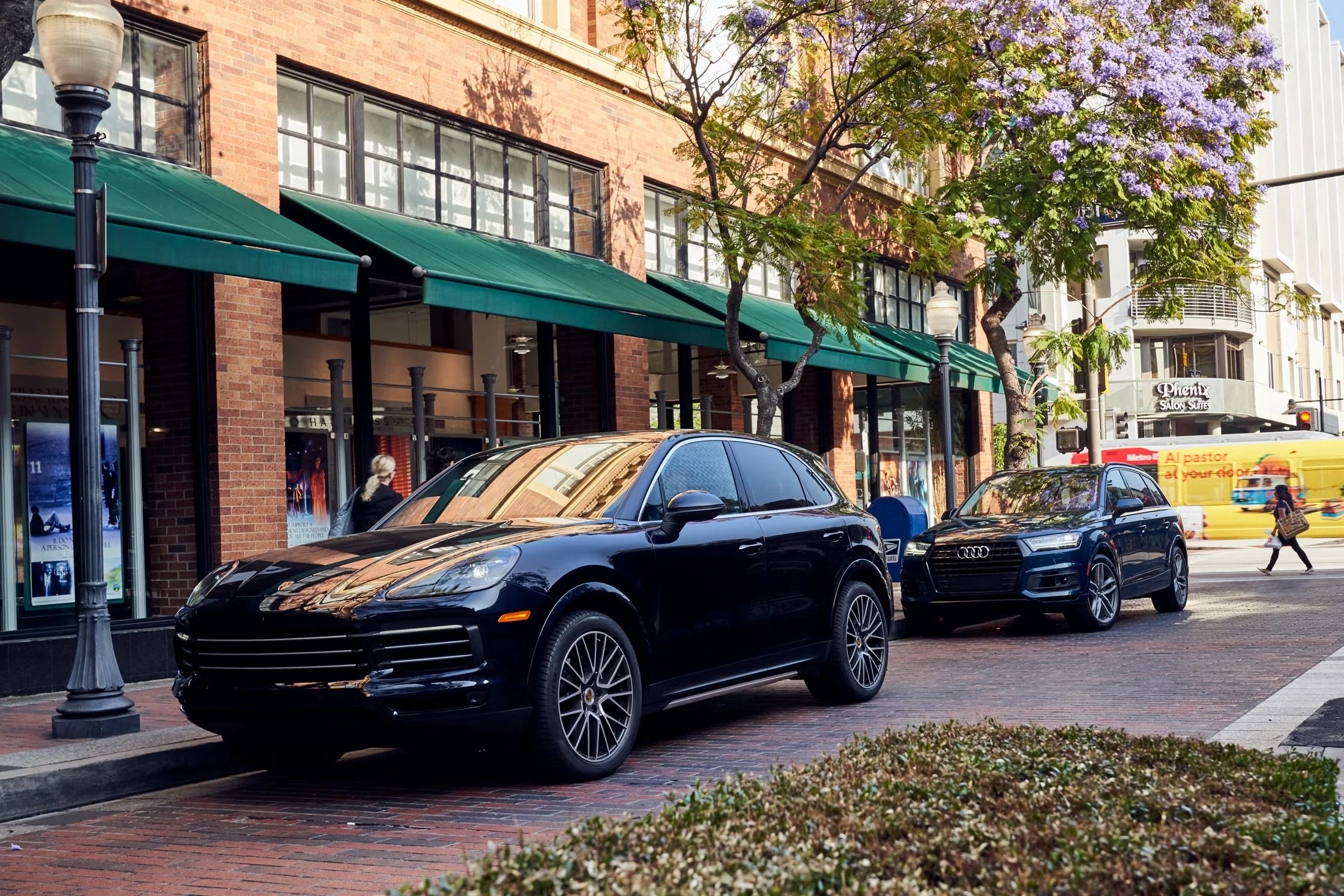
Both vehicles will utilize the PPC platform, drastically shortening development timelines and reducing R&D expenses. Porsche is also reviewing overlapping models, such as the Cayenne, where electric and combustion versions currently compete in the same segment despite being developed separately. In the future, these may be consolidated into a single platform depending on global EV demand.
Electric Sports Cars: A Joint Venture
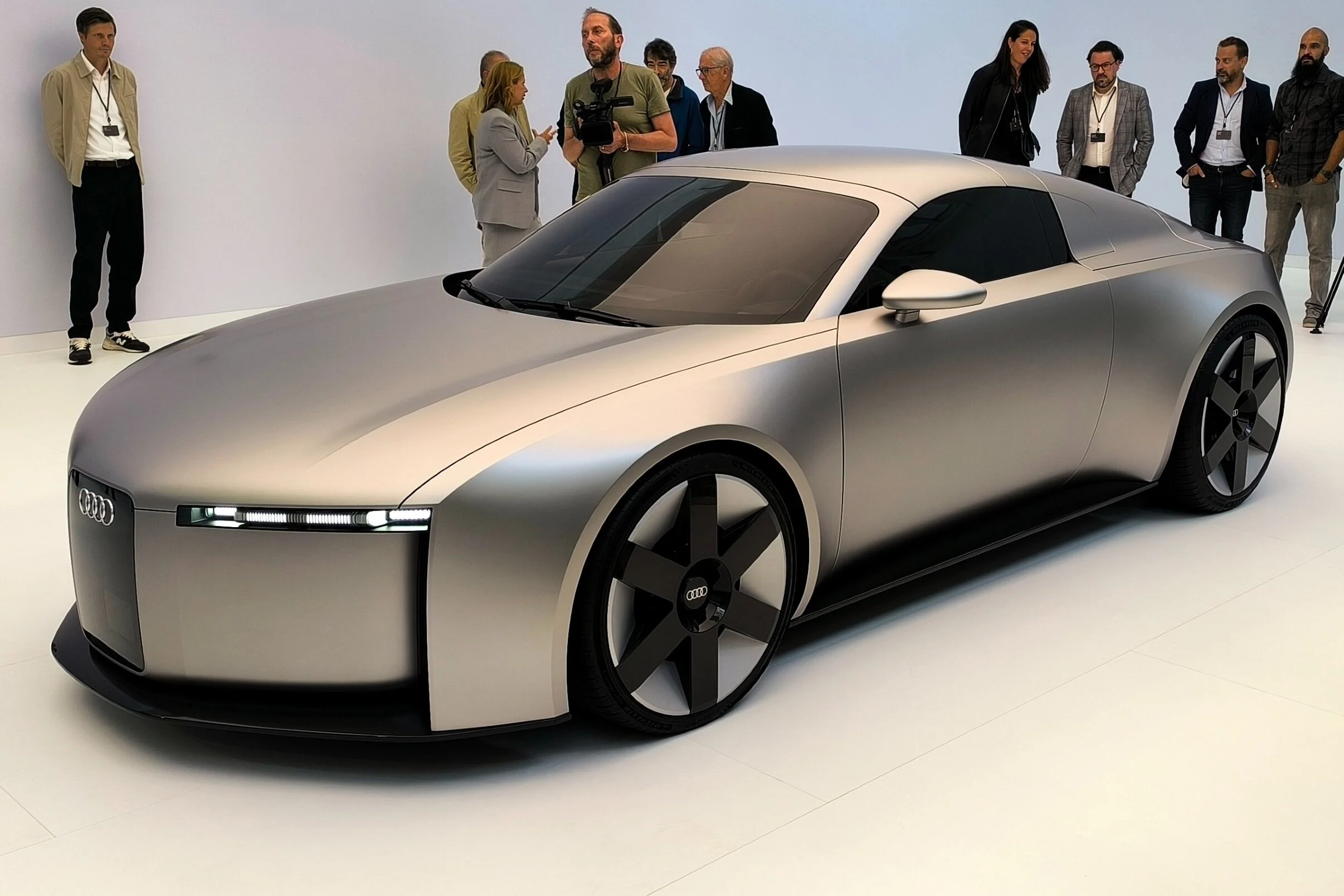
Despite the pivot back to combustion, the commitment to shared EV projects remains firm. The upcoming electric Boxster and Cayman will serve as the foundation for Audi’s own electric sports car, slated for 2027. Inspired by the Audi Concept C, this two-seater will feature a mid-mounted battery to replicate the classic mid-engine driving dynamics that enthusiasts crave.
From Friction to Fusion
The relationship between Porsche and Audi has historically been volatile. While they have shared platforms since Porsche’s full integration into VW in 2012 (such as the Cayenne and Q7), they have often clashed over cost-sharing and technical leadership. Tensions peaked during the diesel emissions scandal, when Porsche openly criticized Audi-supplied engines and purged diesel from its lineup.
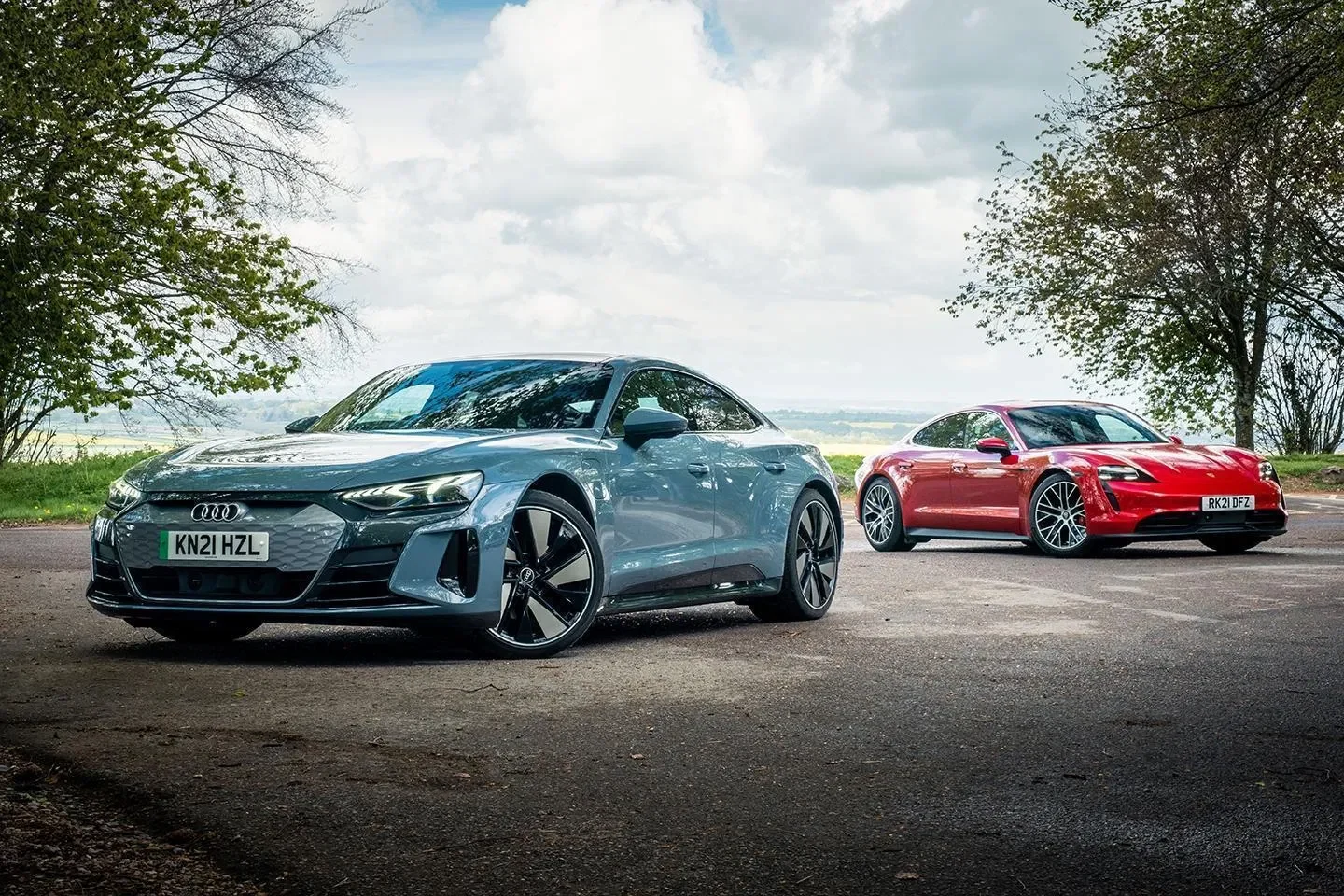
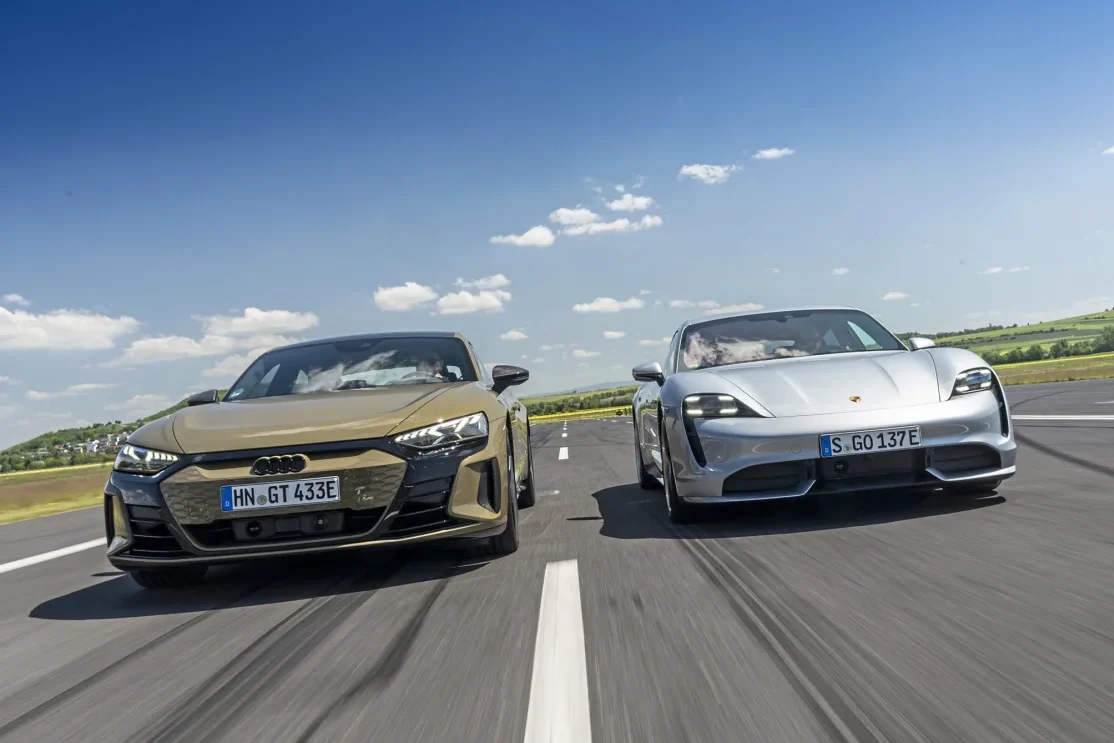
However, the urgency of the current economic climate has forced a pragmatic truce. From the Audi e-tron GT sharing the Taycan’s platform to the joint development of the PPE (Premium Platform Electric), the two brands are now inextricably linked.
According to Oliver Blume, this intensified synergy could cut costs by as much as 30%. In today’s volatile automotive market, this alliance is no longer just a strategic choice—it is a requirement for the survival of the Volkswagen Group.