
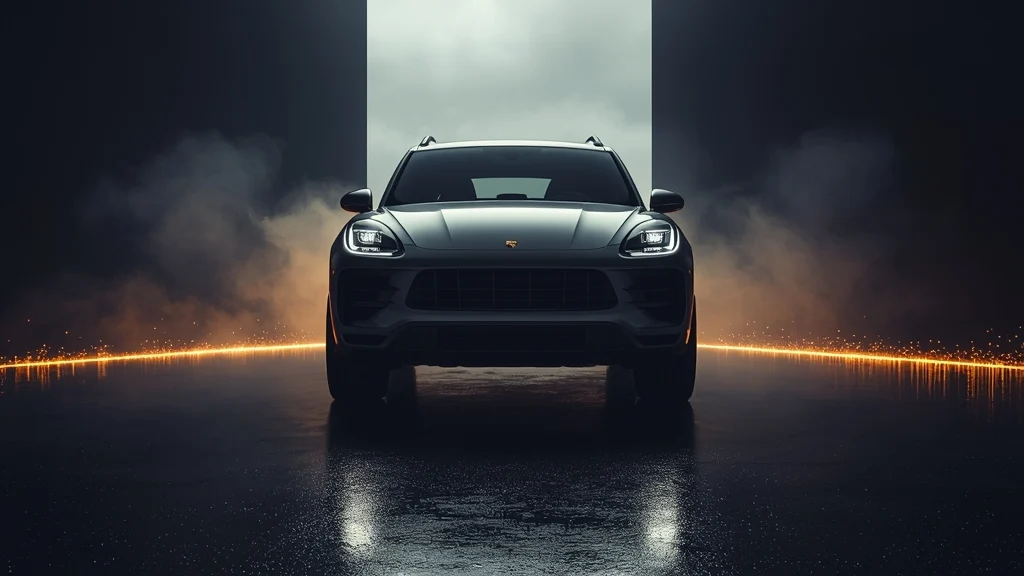
Porsche plans to retire the Macan ICE by 2026 to pave the way for the new M1 combustion SUV. Discover the future of Porsche luxury SUVs here.
Porsche is preparing for a seismic shift in its lineup. In a recent financial report, Porsche CFO Jochen Breckner confirmed that the production cycle for the internal combustion engine (ICE) version of the Macan is drawing to a close. The production lines are expected to shut down by 2026, though remaining inventory may continue to reach customers in select markets through 2027.
A Strategic Pivot Toward Electrification
This move marks a turning point for one of the most successful models in Porsche’s history. Despite the sunset date, the Macan ICE remains a global powerhouse; the brand reported over 10,000 deliveries in the first quarter of 2026, showing a growth trend compared to the previous year.
The retirement of the traditional Macan is a calculated step to clear the path for the Macan EV, which Porsche has designated as its core strategic product for the electric era. However, the brand isn’t completely abandoning the roar of the engine just yet.
Introducing the ‘M1’: The Spiritual Successor
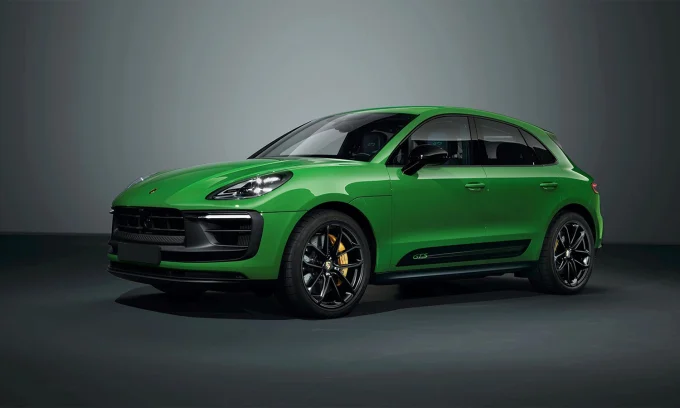
While the Macan ICE fades into the rearview mirror, Porsche is already developing a new combustion-powered SUV under the internal codename “M1.” Scheduled for a debut in early 2028, the M1 is positioned as a “spiritual successor” rather than a direct replacement for the Macan.
The Tech Under the Hood: The PPC Platform
The upcoming M1 will be built on the Premium Platform Combustion (PPC), a chassis architecture shared with the newest generation of the Audi Q5. While sharing a platform helps optimize development costs, Porsche executives insist that extensive tuning will be applied to ensure the M1 retains the brand’s signature sports-car DNA.
A Departure from Tradition
Perhaps the most controversial aspect of the M1 is its projected drivetrain. Departing from Porsche’s historic preference for rear-wheel-drive biased systems, the new platform is likely to utilize an all-wheel-drive system biased toward the front wheels. For automotive purists, this represents a significant shift away from the mechanical philosophy that has defined Porsche since its founding in 1931.
Performance and Market Positioning
While official specifications remain under wraps, the M1 is expected to feature a 2.0-liter turbocharged gasoline engine, similar to the one found in the Q5, producing approximately 200 horsepower. To satisfy the performance-hungry crowd, Porsche will develop high-output variants, including the familiar S, GTS, and Turbo trims, featuring upgraded chassis and powertrain components.
Balancing Heritage with Innovation
Former CEO Oliver Blume has emphasized that the M1 will be distinct from the Macan EV. This dual-track strategy allows Porsche to simultaneously serve two distinct demographics: loyalists who refuse to give up the internal combustion engine and early adopters embracing New Energy Vehicles (NEVs).
The development of the M1 is moving at an aggressive pace, with a condensed three-year cycle from initial concept to commercial production. As Porsche marches toward carbon neutrality, the transition from the Macan ICE to the M1 demonstrates the brand’s attempt to balance a sustainable future with its rich engineering heritage.