
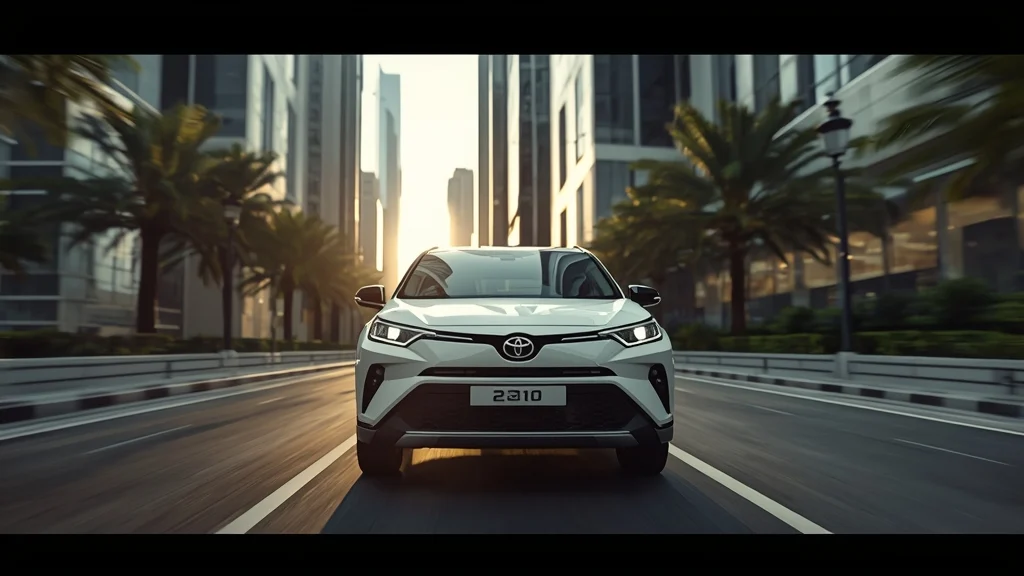
Toyota captures 80% of India’s hybrid market in FY2026. Explore the strategies and models driving their sustainable mobility success. Read more!
In the rapidly evolving landscape of the Indian automotive industry, one name stands above the rest in the race toward electrification: Toyota. As the market shifts toward more sustainable options, the Japanese giant has firmly established itself as the dominant force in the hybrid segment.
A Staggering Market Lead
For the 2026 fiscal year (April 2025 to March 2026), India saw a total of 4.68 million passenger cars sold. While the overall market is diverse, the hybrid sector tells a very specific story. Out of 123,000 total hybrid vehicles sold, Toyota claimed a massive 102,000 units.
This means Toyota currently commands 80% of the entire hybrid market share in India. While other manufacturers have attempted to enter the space, the gap is immense. For comparison, Maruti Suzuki sold approximately 20,000 hybrids, and Honda managed just over 1,000 units in the same period.
The Secret Sauce: A Diverse Product Strategy
Toyota’s dominance isn’t an accident; it is the result of a meticulously planned product roadmap. Rather than relying on a single “hero” model, Toyota has deployed a wide array of hybrid options across various price points and vehicle segments.
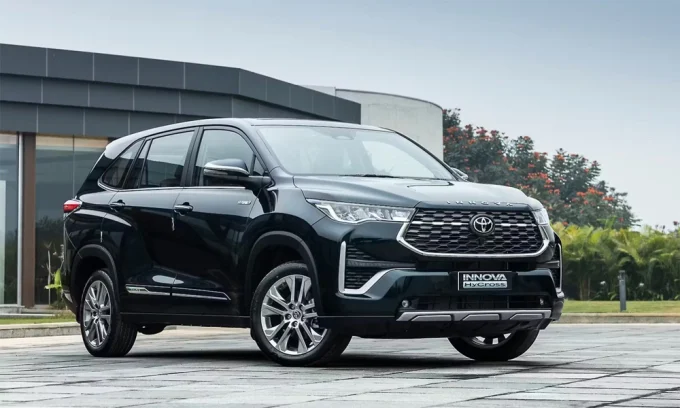
The Heavy Hitters
- Toyota Innova Hybrid: A cornerstone of their success, this MPV is a favorite for both private families and commercial fleet operators. With a 2.0L hybrid engine producing around 184 hp, it offers the fuel efficiency of a diesel engine with the refined smoothness of gasoline.
- Urban Cruiser Hyryder: This mid-size SUV has played a pivotal role in democratizing hybrid technology. Powered by a 1.5L system delivering roughly 116 hp, it is one of the most accessible and powerful hybrid SUVs in the country.
- The Luxury Tier: For high-end buyers, the Camry remains a benchmark for hybrid sophistication. Along with the Vellfire and the Lexus lineup, these models solidify Toyota’s prestige in the premium segment.
First-Mover Advantage and Strategic Localization
Beyond the product list, Toyota’s success is rooted in decades of global R&D. By entering the Indian market earlier than its competitors, Toyota leveraged a mature technology stack that is renowned for both durability and efficiency.
Furthermore, Toyota has smartly pursued localization. By collaborating with Maruti Suzuki to localize hybrid components, the brand has successfully reduced production costs, making these advanced vehicles more affordable for the average Indian consumer.
What’s Next? Expanding the Horizon
Toyota shows no signs of slowing down. The company is currently preparing to widen its reach with several upcoming launches:
- Affordable Innova Hybrid: A more budget-friendly version of the Innova Hybrid is in development, specifically targeting corporate clients and commercial users to replace the popular diesel-powered Innova Crysta.
- 7-Seater Urban Cruiser Hyryder: Expected to launch during the 2026 festive season, this expanded SUV will offer two hybrid powertrain options and is priced between 1.6 million and 2.4 million rupees ($16,900 – $25,300), taking on rivals like the Tata Safari and Hyundai Alcazar.
- Tech Upgrades: A facelift for the Hyryder is also on the way, bringing fresh design tweaks and the addition of advanced driver-assistance systems (ADAS).
The Macro Push: Policy and Environment
The surge in hybrid popularity is also being fueled by the Indian government’s push for E85 fuel and other alternative energy sources to reduce reliance on imported crude oil.
Additionally, the recent agreement on CAFE-3 fuel efficiency standards has set stricter emission targets. Under these new rules, flexible-fuel hybrids have seen their Vehicle Discount Factor (VDF) increase from 2.5 to 3, bringing them nearly on par with electric vehicles (EVs) in terms of regulatory incentives.
This trend isn’t limited to India. In markets like Vietnam, Toyota has similarly led the charge, offering hybrid versions of the Yaris Cross, Corolla Cross, Altis, and Camry, consistently topping the hybrid sales charts within the Vietnam Automobile Manufacturers Association (VAMA).