
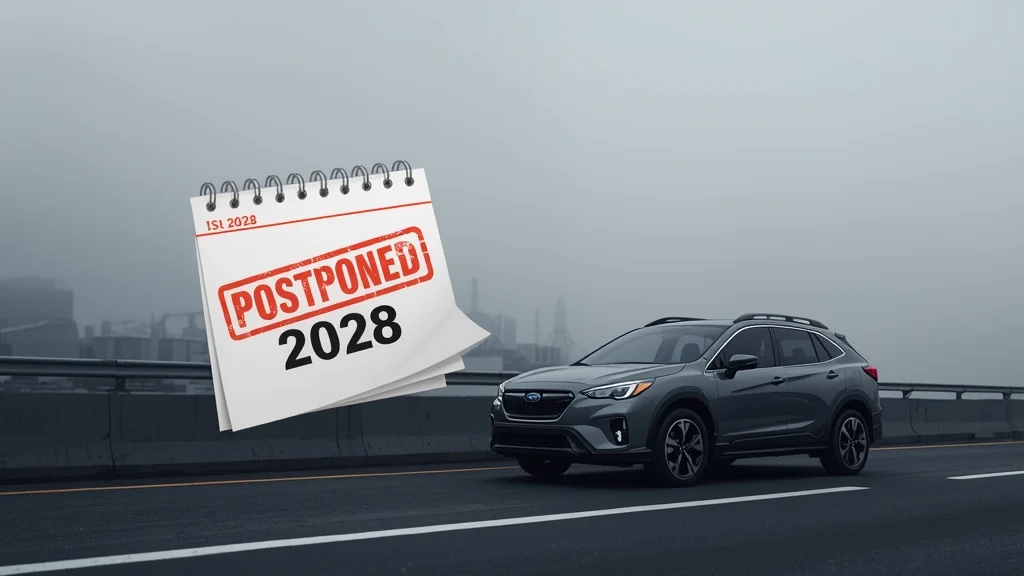
Subaru pushes back its in‑house electric vehicle debut past 2028 as global EV demand wanes, shifting focus to hybrids and gasoline models. Read more now.
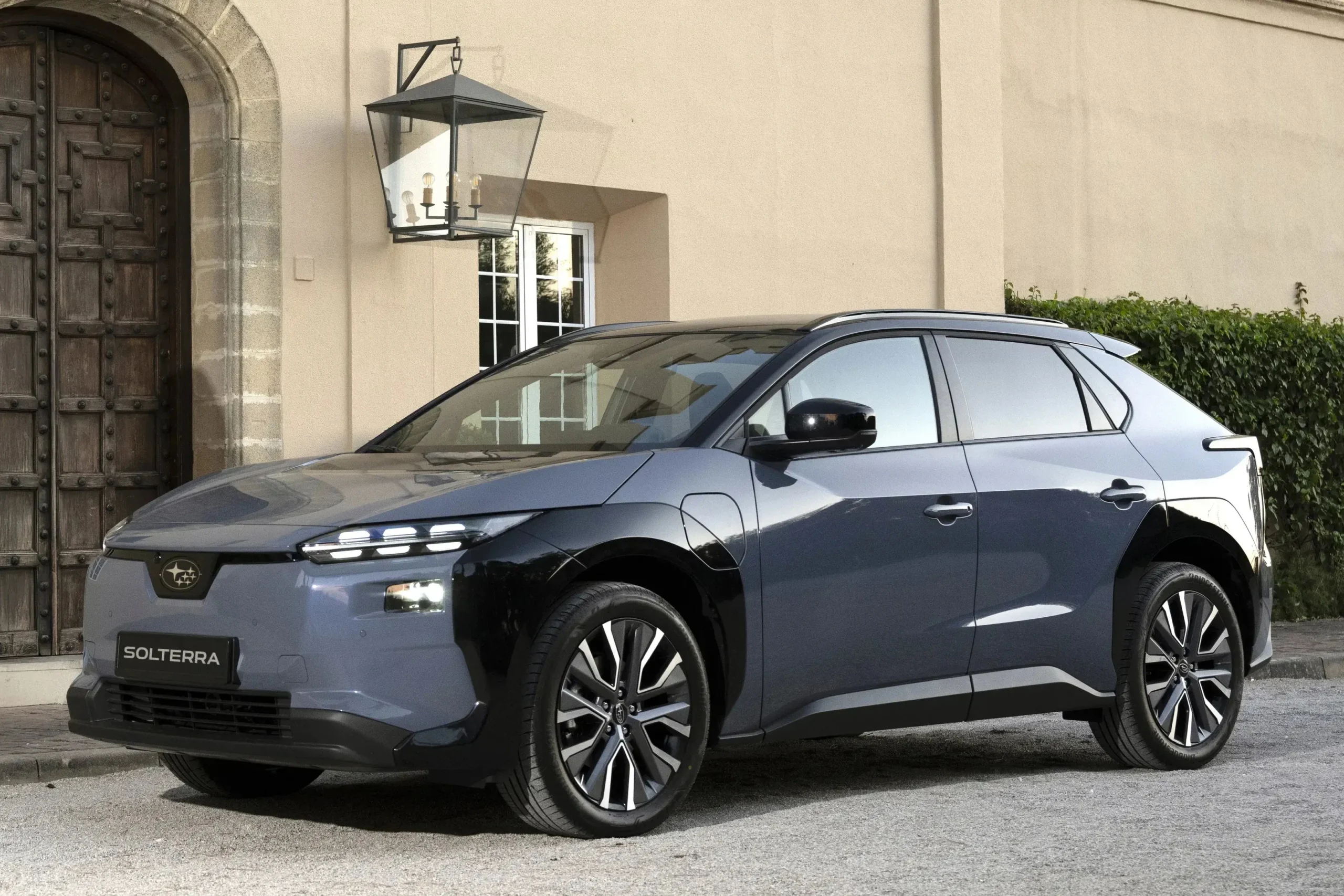
Japanese automaker Subaru has announced that it will postpone the launch of its internally‑developed electric vehicles (EVs), which were originally slated for 2028. The decision comes as demand for EVs softens in key markets, prompting the company to redirect resources toward its gasoline and hybrid line‑up.
Why the Delay?
Subaru’s market research shows a noticeable slowdown in EV adoption, especially in the United States, its biggest market for electric models. The company also faces the removal of federal EV tax incentives, which has squeezed profitability.
Shift in Investment Priorities
Going forward, Subaru will concentrate on expanding its hybrid offerings and strengthening its conventional gasoline portfolio. The firm has not yet set a new timeline for the “in‑house” EV models that were being co‑developed with Toyota.
Production Plans Affected
- The new Oizumi complex in Gunma, planned to start EV production in 2027, will temporarily switch to gasoline‑engine vehicle manufacturing.
- When EV production resumes, the plant will adopt a flexible‑mix approach, allowing multiple model lines to share assembly lines.
- Subaru’s goal of reaching a 50 % EV share of total sales by 2030, along with a joint battery‑cell factory with Panasonic Energy slated for fiscal 2028, may also be pushed back.
Financial Impact
In the fiscal year ending March 2026, Subaru recorded a loss of about ¥57.8 billion (≈ $364 million) linked to its EV program. Chairman Atsushi Osaki said the slowdown in U.S. EV uptake forced the company to reassess its launch schedule.
Industry Context
The move mirrors a broader recalibration among automakers. Honda, for example, reported an operating loss of ¥414.3 billion (≈ $2.63 billion) after missing its EV earnings forecasts.
Subaru’s postponement underscores the uncertainty that still surrounds the global transition to electric mobility. The company will continue to monitor market conditions before committing to a definitive EV rollout date.