
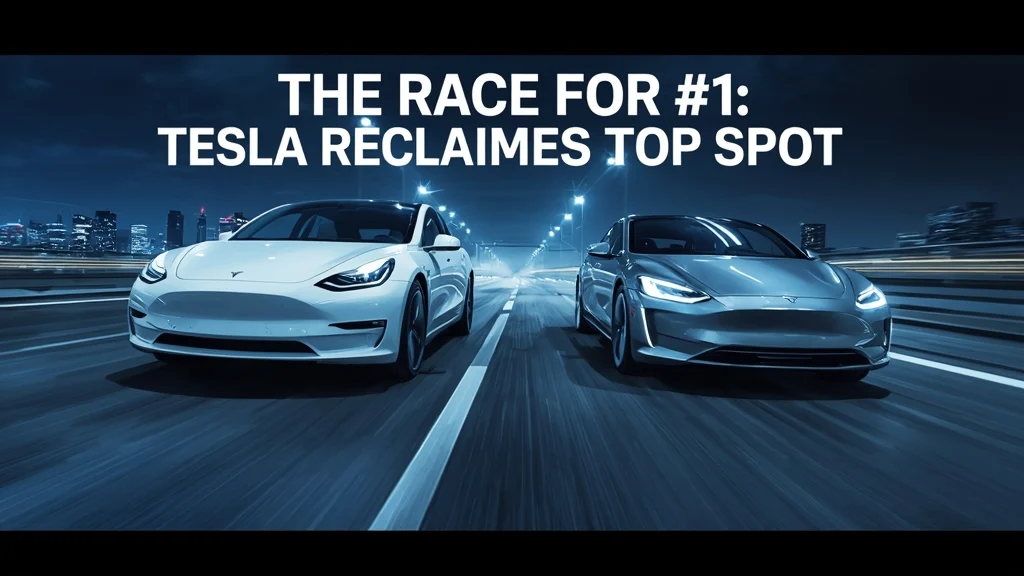
Tesla beats BYD to reclaim the title of the world’s leading EV maker in Q1. Discover what drove this shift in the global electric vehicle race!
After a challenging period of intense competition from Chinese rivals, Tesla has officially reclaimed its position as the world’s top seller of battery electric vehicles (BEVs). This shift comes amid a cooling Chinese market and fluctuating global demand for electric mobility.
The Numbers: A Tight Race in Q1
According to data released in early April, the American EV giant delivered 358,023 vehicles in the first quarter, marking a growth of approximately 6.5% compared to the same period last year. This performance was enough to edge out its primary competitor, BYD, which recorded 310,389 pure electric vehicle sales during the same timeframe.
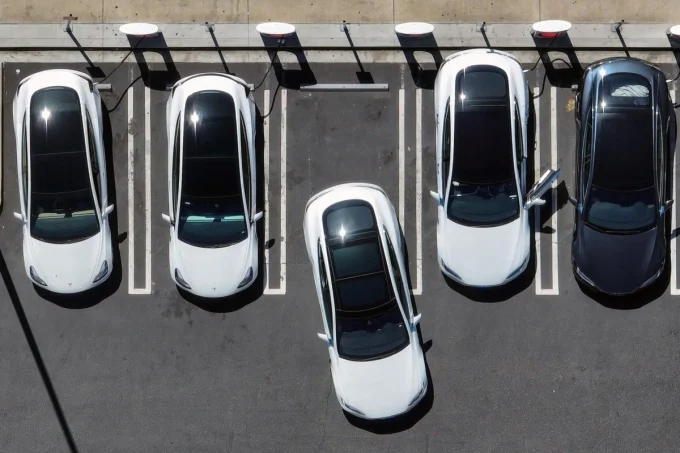
This milestone marks a significant return to the top for Tesla. For several months, the crown had shifted toward BYD, fueled by the Chinese automaker’s explosive growth within its domestic market.
Why the Tide Turned for BYD
The sudden reversal in leadership is largely attributed to headwinds faced by BYD in its home territory. Several factors contributed to the slowdown in China, including:
- Reduced Subsidies: A tightening of government incentives for EV buyers has dampened consumer enthusiasm.
- Fiscal Policy Changes: New tax policies have put pressure on consumer spending power.
- Hyper-Competition: The Chinese market has become one of the most competitive landscapes in the world, making it increasingly difficult for any single brand to maintain exponential growth.
Tesla’s Global Edge
While BYD struggled with regional volatility, Tesla benefited from its diversified global footprint. By focusing exclusively on BEVs—led by the powerhouse Model 3 and Model Y—Tesla has managed to maintain steady production and sales volumes even when specific regional markets fluctuated.
The Bigger Picture: BEVs vs. Hybrids
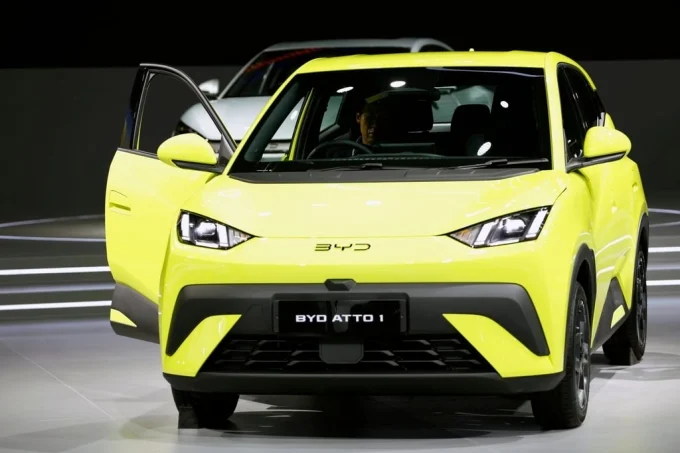
It is important to note that BYD still holds a massive overall scale advantage because its portfolio includes both pure EVs and plug-in hybrids (PHEVs). However, this multi-technology strategy may have diluted its focus on pure electric growth in the short term.
Despite losing the top BEV spot for now, industry analysts view BYD as a formidable long-term threat. With a product range that spans from budget-friendly city cars to ultra-luxury models, BYD is aggressively expanding into international markets to reduce its reliance on the Chinese economy.
The Verdict: An Unfinished Battle
The rivalry between Tesla and BYD is far from over. As the global electric vehicle market enters a more mature and competitive phase, the winning strategy is no longer just about rapid growth. Success will now be defined by the ability to sustain demand, optimize supply chains, and successfully penetrate new borders.