
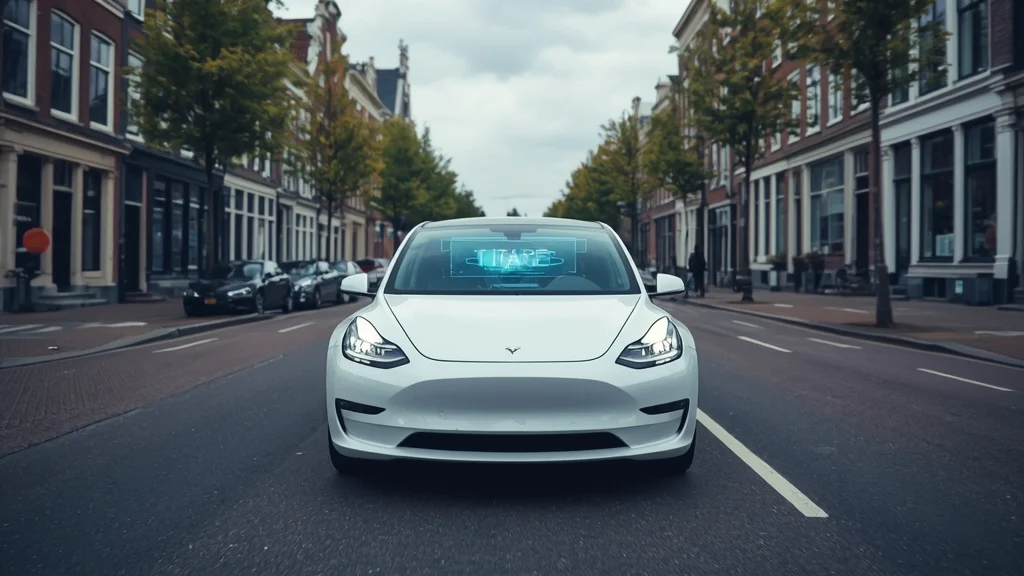
Tesla’s FSD Supervised is now approved in the Netherlands, marking a major leap for its EU expansion. See how this impacts Tesla’s AI future. Read more!
In a landmark move for the autonomous driving industry, the Netherlands has officially approved the deployment of Tesla’s Full Self-Driving (Supervised) software. This approval covers both highways and urban roads, marking the first time this advanced technology has been sanctioned for use within the European Union.
A Strategic Gateway to the European Market
The decision, handed down by the Netherlands Vehicle Authority (RDW) after more than 18 months of rigorous testing and evaluation, is more than just a regulatory win. It serves as a critical bridgehead for Tesla’s expansion across the “Old Continent.”
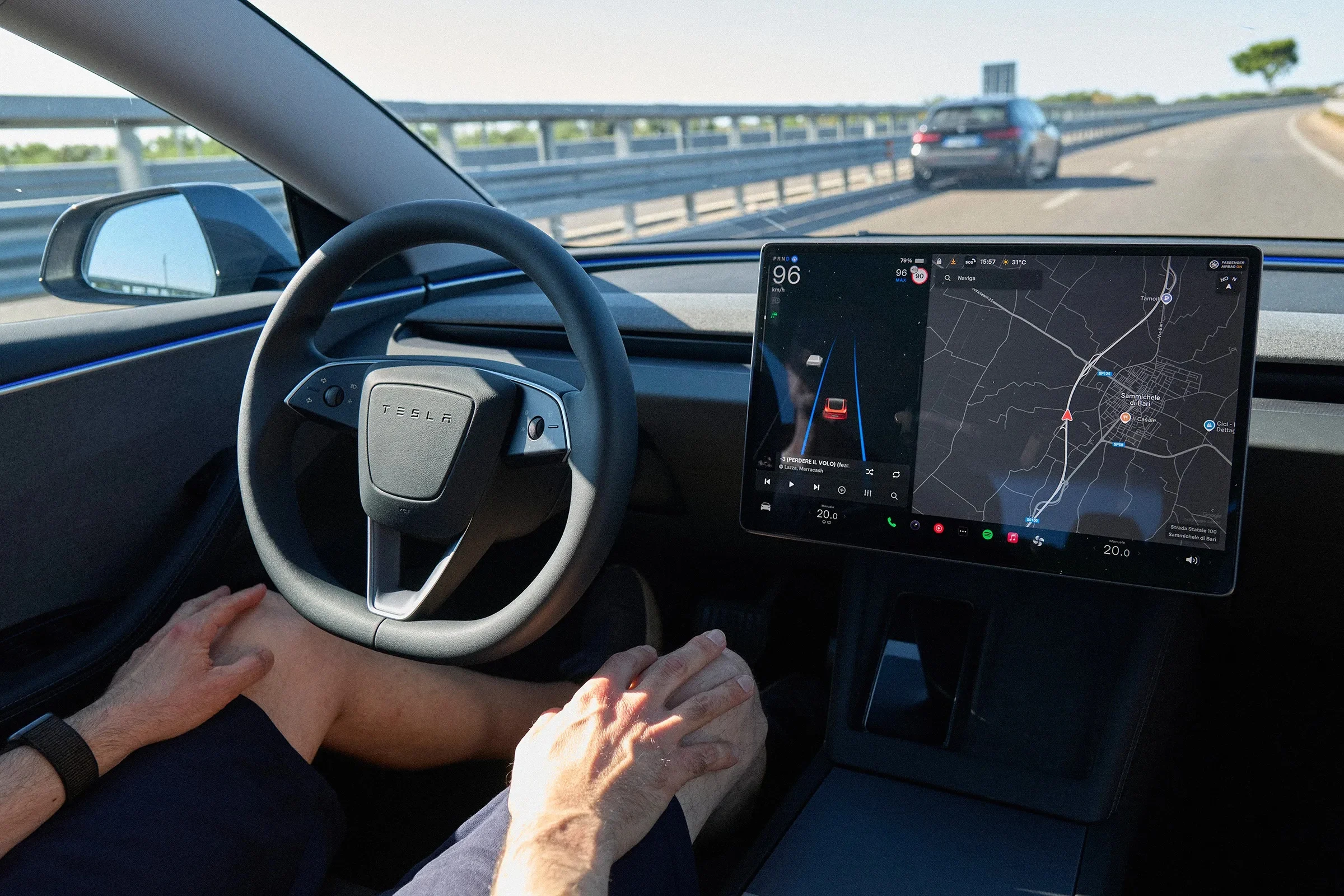
FSD Supervised allows the vehicle to manage steering, acceleration, and braking automatically. However, it remains a “supervised” system, meaning the driver must remain attentive and ready to intervene at any moment to ensure safety.
Why This Matters for Tesla’s Valuation and AI Ambitions
For CEO Elon Musk, the push for FSD is not just about selling cars—it’s about the future of Artificial Intelligence. A significant portion of Tesla’s approximately $1 trillion market valuation is tied to the company’s bet on AI and the eventual launch of a Robotaxi network as a primary revenue stream.
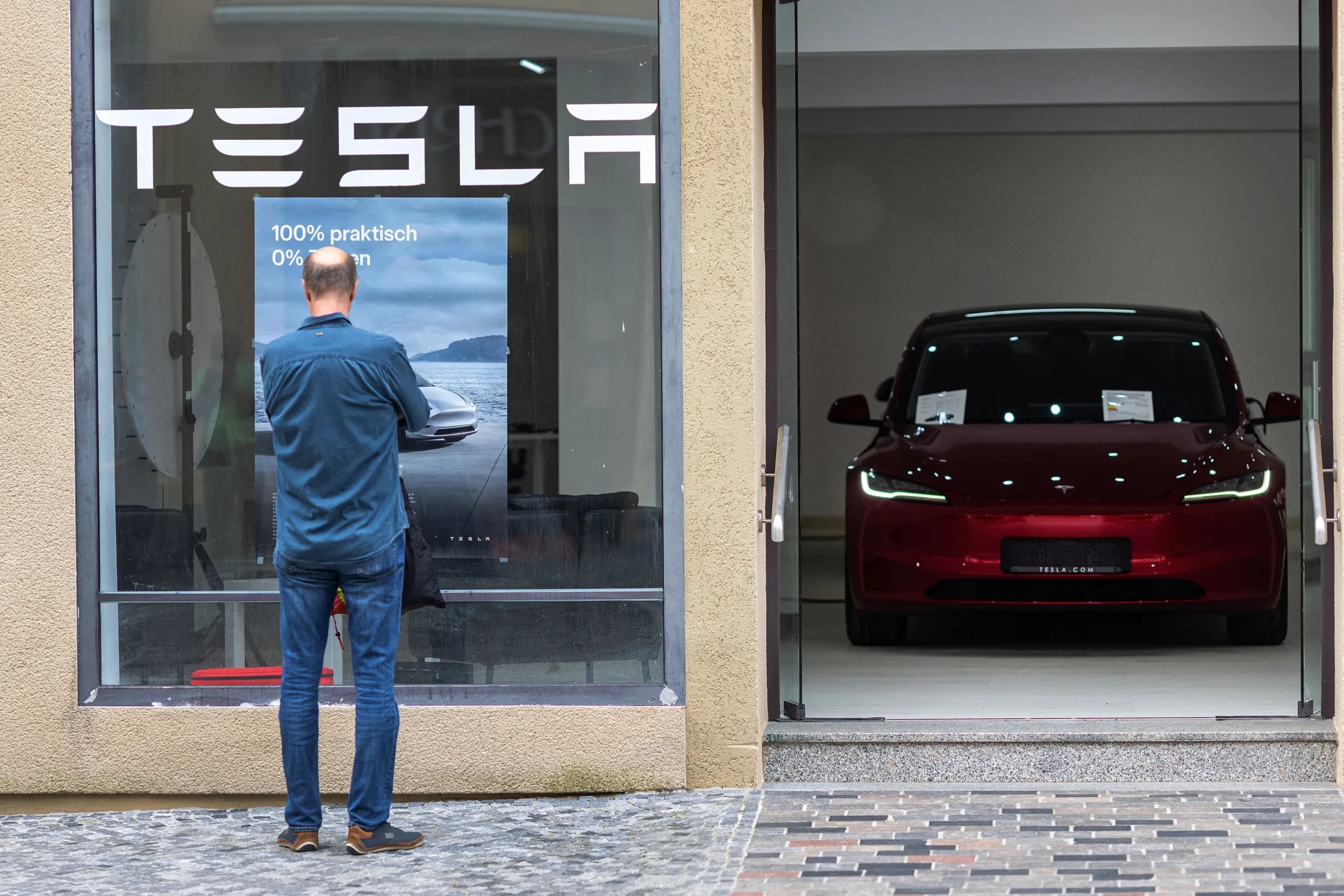
Furthermore, this approval comes at a pivotal time for Tesla in Europe. The brand has recently faced headwinds due to an aging electric vehicle lineup and the polarizing public persona of Elon Musk. While Tesla’s European sales saw a slight rebound in February, the widespread adoption of FSD could provide the competitive edge needed to regain market dominance.
Safety First: EU vs. US Standards
The RDW stated that when used correctly, the system “contributes positively to road safety.” However, the regulator made a crucial distinction: EU safety standards are significantly more stringent than those in the United States.
Because of these higher regulatory hurdles, the version of FSD deployed in Europe will not be a direct mirror of the US version. While specific differences weren’t detailed, it indicates a more conservative, safety-first approach tailored to European infrastructure and laws.
Outpacing the Competition
Tesla’s entry into the European autonomous space puts it in direct competition with legacy luxury brands. While Mercedes-Benz, Ford, and BMW have already introduced “hands-free” driving features on select highways under very limited conditions, Tesla’s solution is designed to operate across a much broader range of environments, including complex city streets.
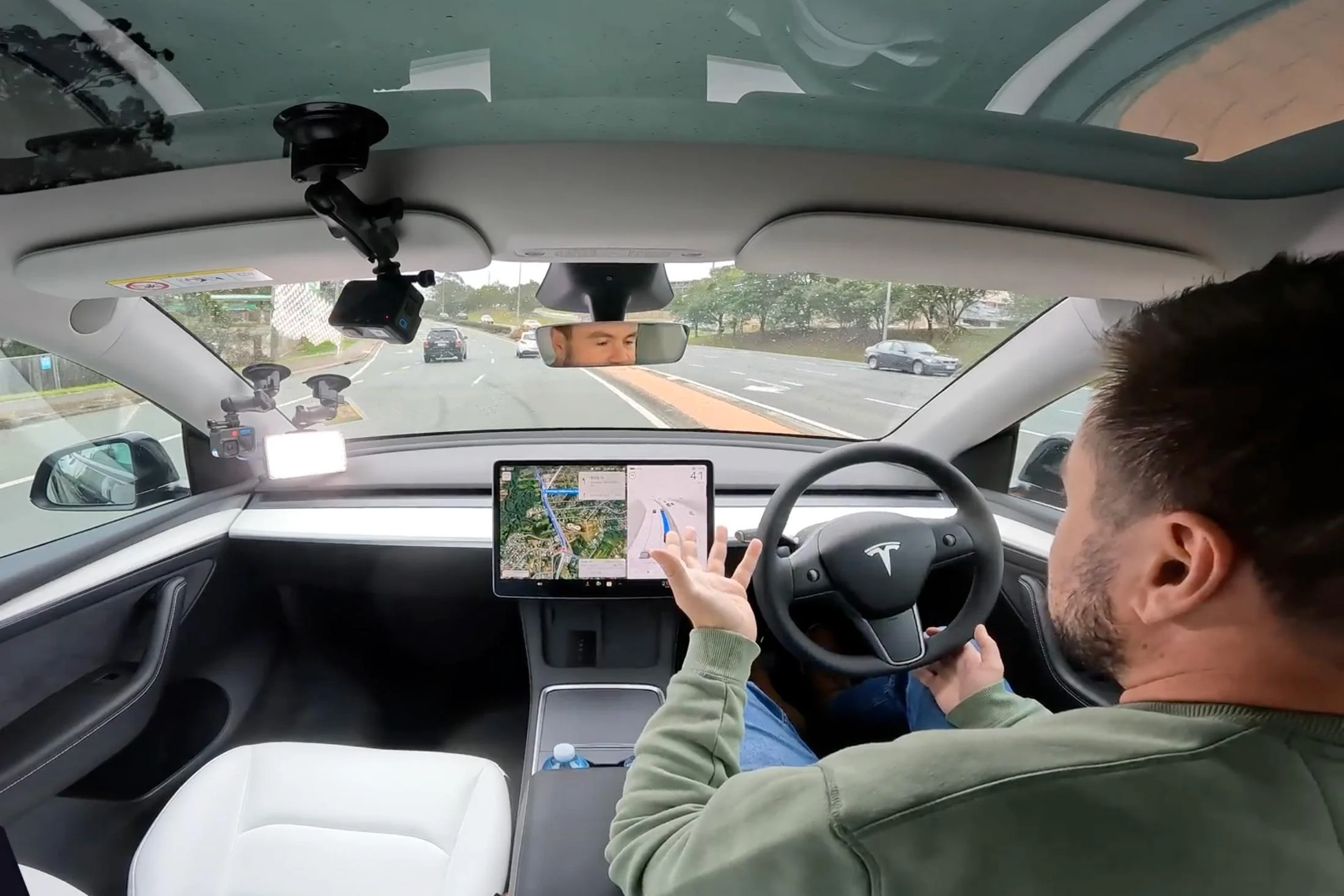
Currently, the Netherlands is one of Tesla’s strongest markets, with roughly 100,000 Model 3 and Model Y vehicles eligible for the FSD update.
The Road Ahead: EU-Wide Integration
The Netherlands is now preparing to submit its findings to the European Commission (EC) to seek approval for the rest of the European Union. If a majority of the specialized committee votes in favor, FSD could be rolled out across member states systematically.
Tesla remains optimistic, with hopes that EU-wide approval could be granted as early as this summer. If successful, this move could fundamentally reshape the landscape of autonomous transportation in Europe, accelerating the shift toward a driverless future.